
Drums make deep booms, sharp cracks, bright taps, and soft thuds, depending on how they are played.
If you have ever heard a drum line, rock band, or child tapping on a table, you may wonder what sound do drums make in precise terms. The answer involves drum size, shell shape, drumhead tension, playing style, and the material of the stick or mallet. This guide explains the science and musical meaning behind every major drum sound.
What Sound Do Drums Make?
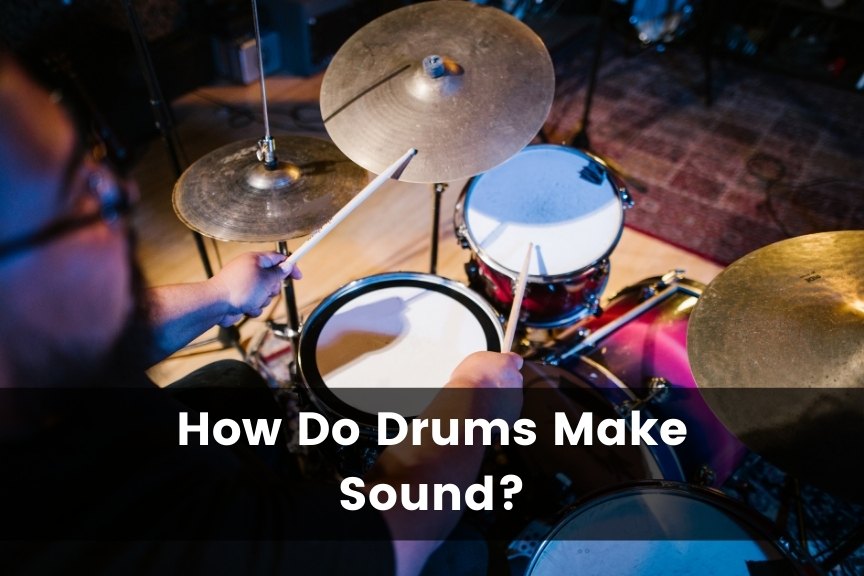
The simplest answer to what sound do drums make is that drums create percussive sounds. These sounds begin when a player strikes a stretched drumhead. The head vibrates, moves the air around it, and produces a sound wave that we hear as a beat.


Drums do not all make the same sound. A large bass drum can produce a low boom, while a small snare drum can create a bright crack. A cymbal adds a ringing wash, and a hand drum may offer a warm, rounded tone.
Common drum sounds include:
• Boom: A low, deep sound from large drums such as bass drums.
• Thud: A short, muted sound with little ring.
• Crack: A sharp attack often heard from a snare drum.
• Tap: A light, clear sound made with a soft stroke.
• Roll: A rapid series of hits that creates a smooth, moving sound.
• Rumble: A low, rolling tone that may come from toms or bass drums.
• Ring: A sustained sound caused by a vibrating drumhead or metal cymbal.
The word “drum” covers many instruments. A marching snare, concert timpani, electronic pad, and Caribbean conga all make different sounds because they use different materials and designs.
How a Drum Produces Sound
A drum works much like a small acoustic speaker. When the drumhead receives a hit, it vibrates. That vibration moves air inside and outside the shell, creating sound waves.


The drum shell also matters. It supports the drumhead and helps shape the tone. Some shells make the sound warm and round, while others make it bright and direct.
The basic process is simple:
-
A stick, hand, brush, or mallet strikes the drumhead.
-
The drumhead moves back and forth.
-
The shell and air inside the drum respond to the vibration.
-
Sound waves travel through the air.
-
Your ears detect those waves as pitch, volume, and tone.
A tighter drumhead vibrates faster. This usually creates a higher pitch. A looser head vibrates more slowly and often produces a lower pitch.
The drumhead does not create only one frequency. It produces a main pitch plus many overtones. These extra tones give the drum its character. They can make it sound open, dark, bright, dry, or ringing.
Why Different Drums Make Different Sounds
Several physical features affect what sound do drums make. The most important are size, depth, shell material, head type, tuning, and playing method.
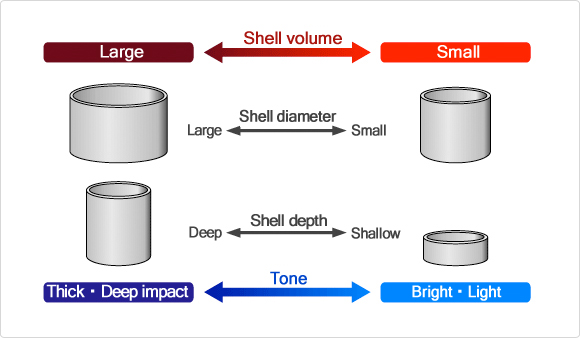
Drum size
Large drums move more air and tend to create lower sounds. Small drums move less air and often produce higher sounds.
For example:
• A 22-inch bass drum often creates a low, powerful boom.
• A 12-inch tom can produce a medium, rounded tone.


• A 10-inch piccolo snare may create a high, sharp crack.
Size does not determine sound by itself. Tuning and construction can change the result. Still, diameter is a useful starting point when predicting drum pitch.
Drum depth
A deeper shell can add body and resonance. A shallow drum often responds quickly and sounds more focused.
This is why a deep floor tom may sound large and low, while a shallow snare may sound quick and bright.
Shell material
Drum shells may use maple, birch, oak, mahogany, metal, acrylic, or synthetic materials. Each material has different physical properties.
Wood shells often provide a balanced and musical tone. Metal shells can produce strong attack and extra brightness. Synthetic shells may offer steady performance in changing weather.
These differences are real, but they are not absolute. Drumhead choice, tuning, room sound, and microphone placement can matter just as much as shell material.
Drumhead type
A single-ply head is often open and sensitive. A two-ply head may sound thicker and more controlled. Coated heads can soften the attack and add warmth.
A dampened head reduces extra ring. This can help a drum fit into a busy mix. However, too much dampening may remove life and response.
Tuning
Tuning controls the tension of the head. Higher tension can create a brighter and more focused sound. Lower tension may create a deeper and looser tone.
Good tuning does not mean tuning every lug to the same random note. Each lug should have similar tension around the head. Uneven tension can cause unwanted rattles, strange overtones, and poor sustain.

What Sounds Do Common Drums Make?
To understand what sound do drums make, it helps to look at the main parts of a drum set and other common percussion instruments.
Bass drum
The bass drum makes a low boom, punch, or thump. In a modern drum set, the player uses a foot pedal to strike the head.
A bass drum may sound soft and round in jazz. It may sound short and powerful in rock or pop music. A small amount of muffling can make the sound tighter and easier to control.


Snare drum
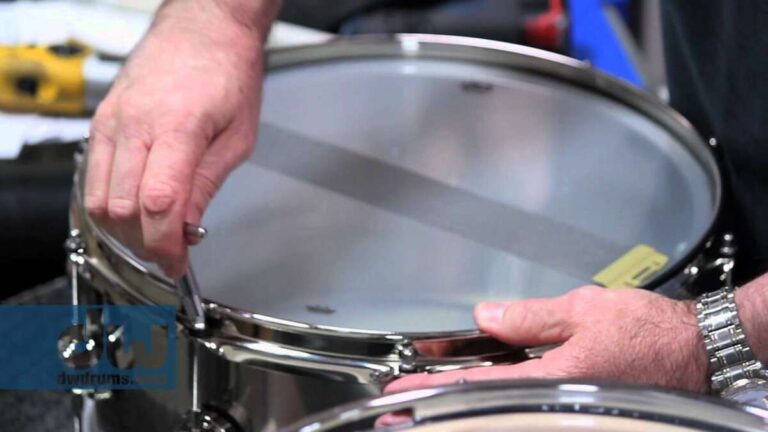
The snare drum makes one of the most recognizable drum sounds. Its metal wires, called snares, rest against the bottom head.
A strong hit can create a sharp crack. A light hit may produce a soft tick. A rimshot, which strikes the rim and head together, creates a loud and cutting sound.
The snare often carries the backbeat in rock, funk, and many forms of popular music.
Tom-toms
Toms produce rounded tones that range from medium-high to low. Players use them for fills, transitions, and patterns.
A high tom may sound like “ta.” A low floor tom may sound like “boom.” The exact tone depends on size, tuning, shell, and head type.
Hi-hat
The hi-hat uses two metal cymbals controlled by a foot pedal. Closed hi-hats make a crisp “chick” or “tss” sound. Open hi-hats make a longer, brighter hiss.
The foot pedal can close the cymbals tightly or allow them to vibrate. This gives the player a wide range of sounds from one instrument.
Crash cymbal
A crash cymbal makes a loud, bright burst. It often marks the start of a section or adds emphasis to a musical moment.
Crash sounds can be short and explosive or long and shimmering. Larger cymbals often create a deeper wash, while smaller cymbals may sound faster and brighter.
Ride cymbal
A ride cymbal produces a clear ping when struck near the bow or center. Its edge can create a wider wash.
The bell of the ride makes a strong, high-pitched tone. This sound can cut through a large band.
Timpani
Timpani make deep, controlled notes with a clear pitch. Unlike many drums, timpani can be tuned to specific musical notes.
Players use pedals or tuning mechanisms to change the tension of the head. This allows timpani to support melodies, tension, and dramatic effects.
Hand drums
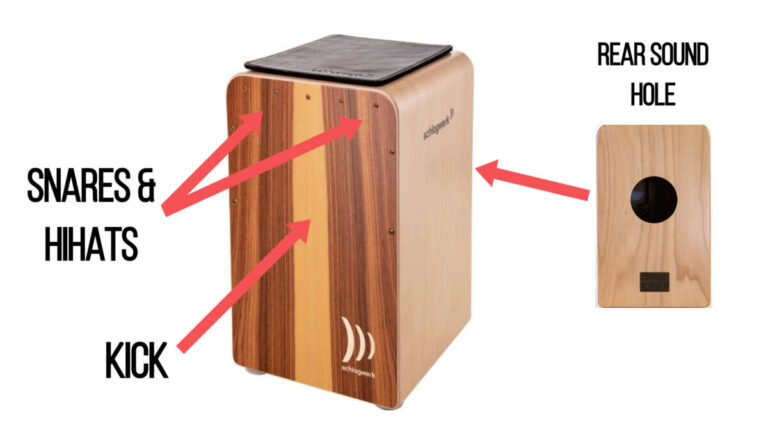
Congas, bongos, djembes, and frame drums make tones that vary by hand position and strike location.
A center hit often creates a fuller bass tone. An edge hit may create a sharper slap. Open tones allow the head to ring, while muted hits stop the vibration quickly.


How Playing Technique Changes Drum Sound
The same drum can make many sounds. The player’s technique is often the biggest factor.
A strike near the center usually produces a full, strong tone. A strike near the edge may create more attack and fewer low tones. On a snare, playing close to the rim can produce a lighter and more delicate sound.
The tool also changes the result:
• Wood sticks create a clear and direct attack.
• Nylon-tip sticks often sound brighter and more precise.
• Brushes create a soft swish and gentle texture.
• Felt mallets produce warm, rounded tones.
• Hands can create bass tones, open tones, slaps, and finger taps.
The angle of the stick matters too. A flat strike can produce a strong, even sound. A glancing stroke may create a softer attack.
Velocity also changes tone, not just volume. A hard hit can bring out more overtones and shell resonance. A gentle hit may sound darker and more controlled.
One practical lesson is worth remembering: hitting harder does not always create a better drum sound. Good players control the drum. They do not simply overpower it.
Drum Sounds in Music and Everyday Life
Drums communicate energy, movement, and emotion. A steady kick drum can make a song feel grounded. A snare crack can make a beat feel exciting. A soft brush pattern can make the same rhythm feel calm and intimate.
Different cultures use drums in different ways. They may support dance, ceremony, storytelling, military signals, worship, or popular music.
You may hear drum sounds in:


• Rock and pop songs
• Jazz ensembles
• Marching bands
• Hip-hop and electronic music
• Film and television scores
• Sports events
• Parades and festivals
• Religious and cultural ceremonies
Even everyday objects can act like drums. A tabletop, cardboard box, or plastic bucket can vibrate and make a percussive sound. The result may not have the balance of a real drum, but the basic idea is the same: an object vibrates and moves air.
In recording work, a drum sound also depends on the room. A small room may make the drum sound short and dry. A large room may add echo and depth. Microphones can capture the direct hit, the room response, or both.

How to Describe a Drum Sound Clearly
When describing what sound do drums make, use more than one word. A useful description includes pitch, tone, attack, volume, and sustain.
For example, you might say:
• “The bass drum has a low pitch, a soft attack, and a short thud.”
• “The snare has a bright crack with a sharp attack and a little ring.”
• “The floor tom has a low, round tone with medium sustain.”
• “The ride cymbal has a bright ping followed by a smooth wash.”
Helpful sound words include:
• Pitch: How high or low the sound seems.
• Attack: How quickly the sound begins.
• Tone: The overall color or character.
• Sustain: How long the sound continues.
• Resonance: The amount of vibration and ring.
• Dynamics: How soft or loud the sound is.
• Timbre: The quality that helps you tell one instrument from another.
These terms make it easier to explain a drum sound to a musician, teacher, sound engineer, or student.
Tips for Getting Better Drum Sounds
You do not need expensive equipment to improve a drum’s sound. Start with setup, tuning, and control.
-
Tune the head evenly around the shell. Check each lug and listen for major differences.
-
Replace damaged or worn heads. Old heads often lose response and clarity.
-
Use the right stick or mallet for the sound you want.
-
Experiment with the strike position. Center hits and edge hits can sound very different.
-
Add only as much dampening as needed.
-
Record the drum from different distances and angles.
-
Listen in the room before changing the drum. The room may be causing the problem.
-
Protect your hearing during long rehearsals and loud performances.
A common mistake is to judge a drum only from the player’s seat. The sound near the drum may seem loud and bright, while the sound across the room may be balanced. Always listen from the audience area when possible.
Another mistake is copying a recorded drum sound without considering the recording space. A studio sound may use several microphones, equalization, compression, and reverb. The natural drum alone may sound quite different.

Are Drums Loud Enough to Damage Hearing?
Drums can reach high sound levels, especially in small rooms or during long rehearsals. Repeated exposure to loud sound may contribute to hearing damage, ringing in the ears, or sound sensitivity.
Use practical protection:
• Wear musician’s earplugs that reduce volume while preserving sound detail.
• Take quiet breaks during long sessions.
• Stand farther from loud cymbals when possible.
• Keep practice room volume under control.
• Seek medical advice if ringing or muffled hearing continues.
Hearing protection does not make you less musical. It helps you keep enjoying music for years. This is especially important for children, beginners, teachers, and performers who practice often.

Frequently Asked Questions About What Sound Do Drums Make
What is the main sound of a drum?
A drum usually makes a percussive sound caused by a vibrating drumhead. Depending on its size and tuning, it may sound like a boom, thud, tap, crack, or rumble.
Why do drums have different pitches?
Drum pitch changes with head tension, drum size, shell depth, and construction. Tight heads and smaller drums tend to sound higher, while loose heads and larger drums tend to sound lower.
What sound does a snare drum make?
A snare drum often makes a sharp crack because its metal wires vibrate against the bottom head. It can also make soft taps, brushes, buzzes, and rimshots.
Do all drums make a loud sound?
No. Drum volume depends on the instrument, player, room, and striking force. Brushes, soft mallets, and light hand strokes can create quiet sounds.
What sound does a bass drum make?
A bass drum makes a low boom, thump, or punch. Its sound may be long and resonant or short and controlled, depending on tuning and muffling.
Can drums make a musical note?
Some drums, such as timpani and tuned hand drums, can produce a clear musical pitch. Many drum set drums have a less definite pitch but still contain a main tone and several overtones.
How can I make a drum sound deeper?
Use a larger drum, lower the head tension slightly, and choose a suitable head or dampening method. Make changes slowly, because too little tension can cause wrinkles and poor response.
Conclusion
Drums make a wide range of sounds, from deep bass booms to sharp snare cracks, bright cymbal washes, and soft hand-drum taps. Size, shape, materials, tuning, technique, and room acoustics all affect what sound do drums make.
The best way to learn is to listen closely and experiment. Try different sticks, strike points, tunings, and levels of force. Protect your hearing as you practice, explore trusted music resources, and share your favorite drum sounds in the comments.

Senior Music Reviewer
Alex Carter is a seasoned music reviewer with over a decade of experience in the world of sound and instruments. Passionate about helping musicians and enthusiasts make informed choices, he brings sharp insights and in-depth knowledge to every review. From classical instruments to modern gear, Alex combines technical expertise with a love for music to deliver content that resonates with readers.
As a Senior Music Reviewer and expert author on Tuneluma.com, Alex is dedicated to sharing honest evaluations, practical advice, and thoughtful commentary to guide readers in their musical journey.

16 Comments