How Much Are Electronic Drum Sets: Price Guide
Electronic drum sets usually cost $300 to $3,000, with professional kits reaching $5,000 or more.
Knowing how much electronic drum sets cost helps you match your budget with the right playing experience. Entry-level kits can be great for practice, while mid-range and premium models offer better pads, stronger modules, quieter pedals, and more realistic play. This guide breaks down the real costs, hidden expenses, key features, and smart ways to buy without overspending.
How Much Are Electronic Drum Sets?
For most buyers in the United States, electronic drum sets cost between $300 and $3,000. The price depends on the brand, pad type, sound module, pedal design, rack quality, and included accessories.
Here is a simple breakdown:
| Electronic drum set level | Typical price | Best for |
|---|---|---|
| Basic starter kit | $250 to $500 | Beginners and casual practice |
| Lower mid-range kit | $500 to $900 | Students and serious home practice |
| Mid-range kit | $900 to $1,500 | Gigging players and advanced learners |
| Premium kit | $1,500 to $3,000 | Professionals and demanding players |
| Flagship kit | $3,000 to $5,000 or more | Studios, touring, and expert use |
The short answer to how much electronic drum sets cost is simple: you can start near $300, but a strong all-around kit often costs $800 to $1,500.
Used electronic drum sets can cost less. A kit that sells for $1,200 new may appear for $600 to $900 after a few years. However, check the pads, cables, power supply, kick pedal, and sound module before paying.

What Makes Electronic Drum Sets More Expensive?
Electronic drum kits are not priced only by the number of drums. Two kits may look similar but feel very different when you play them. The biggest price differences come from the playing surfaces, module, pedals, and build quality.
Drum pad type
Entry-level kits often use rubber pads. They are durable and affordable, but they can feel firm and less natural under the sticks.
More expensive kits often use mesh heads. Mesh feels softer and responds more like an acoustic drumhead. Many players also find mesh pads more comfortable during long practice sessions.
Some premium kits use multi-ply mesh or advanced digital pads. These can sense playing position, rim shots, cross-stick sounds, and subtle changes in force.
Sound module
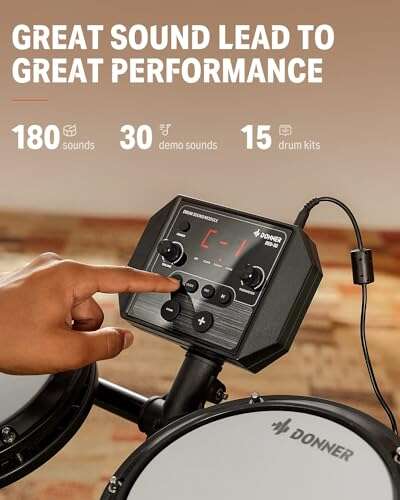
The sound module is the brain of the kit. It controls drum sounds, effects, recording tools, USB audio, Bluetooth, and custom settings.
A low-cost module may include 10 to 30 useful sounds. A better module may offer hundreds of sounds, deeper editing, more inputs, and higher-quality samples.
When asking how much electronic drum sets cost, remember that the module can affect the value as much as the pads. A kit with excellent pads but weak sounds may become frustrating over time.
Kick pedal and hi-hat design
Basic kits may include a simple trigger pedal instead of a real beater and bass drum pad. This saves space and reduces noise, but it may not feel natural to experienced players.
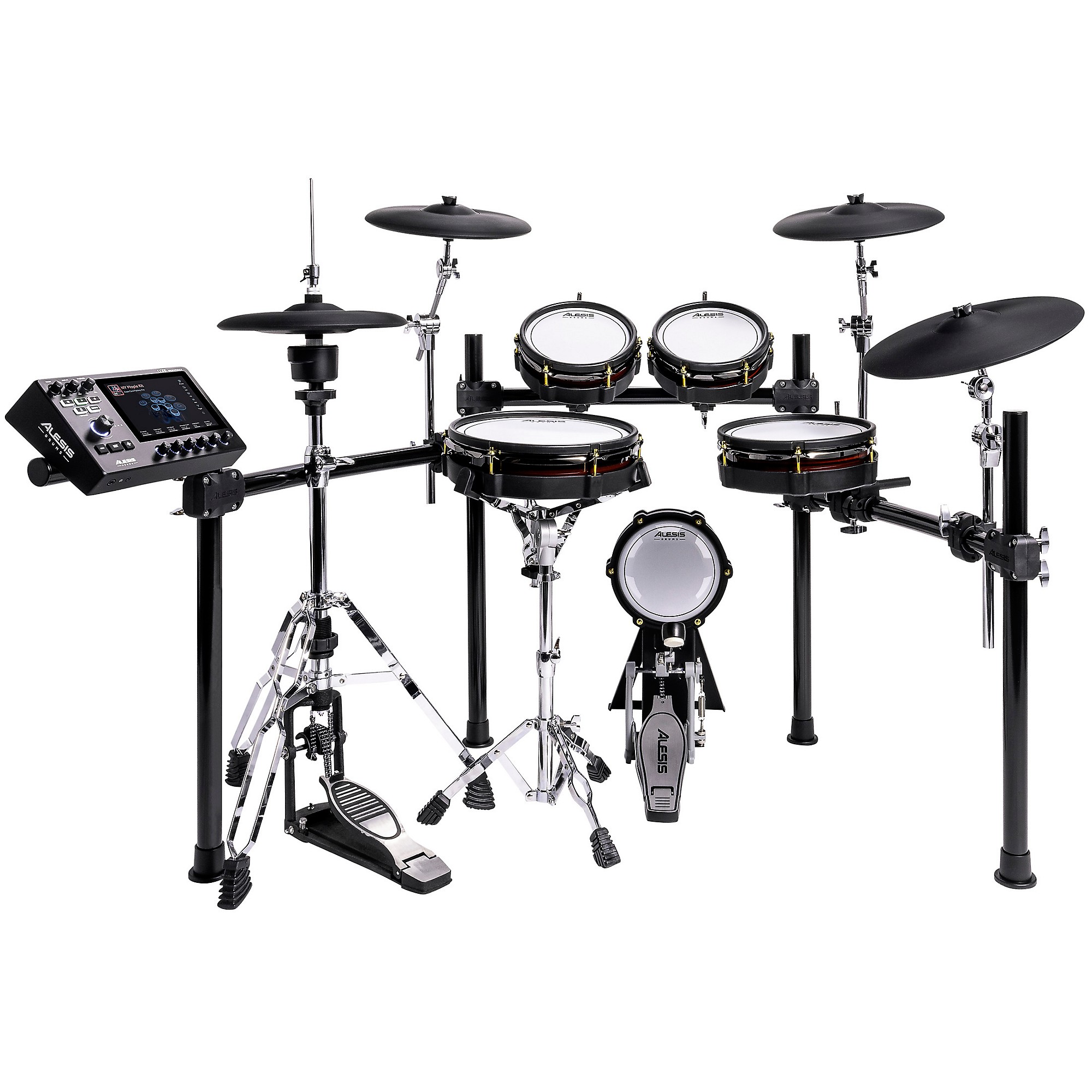
Mid-range and premium kits often include a separate kick tower. This lets you use a real bass drum pedal. The hi-hat may also sit on a stand and offer several positions, which feels closer to an acoustic setup.
Rack and hardware
A cheap rack may move when you play hard. A stronger metal rack stays stable and usually lasts longer.
Better hardware can also offer smoother adjustment. This matters if more than one person uses the kit or if you need to fold it away after practice.
Electronic Drum Set Prices by Budget
Your budget should reflect your goals. A beginner who wants quiet practice does not need the same kit as a drummer who performs on stage.
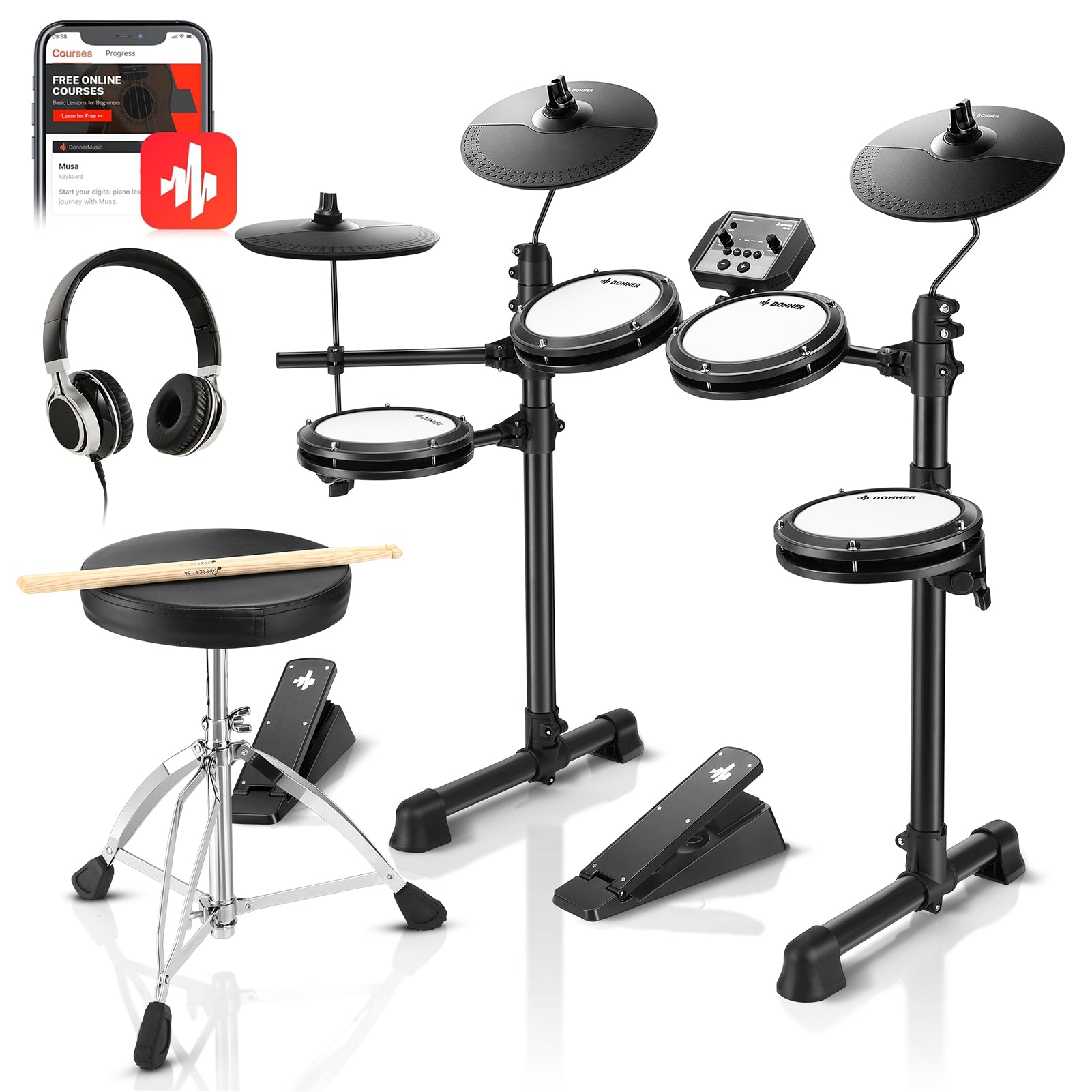
$250 to $500: Basic starter kits
This range is ideal for children, beginners, and casual players. Most kits include small rubber or mesh pads, a basic sound module, headphones, drumsticks, and a compact rack.
You can usually expect:
• Four to eight drum pads
• One or two cymbal pads
• Basic kick and hi-hat pedals
• Around 10 to 30 drum kits
• Metronome and practice songs
• USB or MIDI connection on some models
These kits are useful for learning rhythm and building hand coordination. They may feel limited for fast double-kick playing, live work, or advanced technique.
$500 to $900: Better beginner and intermediate kits
This is often the best range for a serious home drummer. Many kits include mesh heads, improved cymbal pads, better racks, and more realistic pedal control.
You may also get:
• Larger snare pads
• A real kick pad
• More expressive hi-hat control
• Better training functions
• Bluetooth audio on selected models
• More outputs for recording or performance
If you are unsure how much electronic drum sets cost for long-term use, this range is a sensible starting point. You avoid many basic limitations without paying for features you may never use.
$900 to $1,500: Strong all-around kits
Kits in this range suit advanced students, home studio owners, worship musicians, and gigging players. They usually have better triggering, more detailed sounds, and stronger hardware.
The module may support multi-track recording, custom kits, USB audio, expanded sounds, and deeper editing. The pads are often larger and more responsive.
In my experience comparing kits in this price range, the biggest improvement is not always the number of sounds. It is the way the kit responds to soft hits, rim shots, ghost notes, and quick rolls.
$1,500 to $3,000: Premium electronic kits
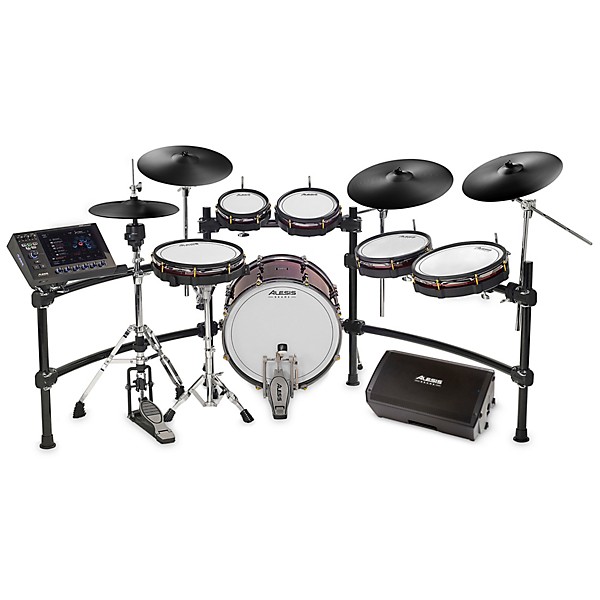
Premium kits are built for players who care about realism and reliability. They may include digital snare and ride pads, advanced hi-hat systems, larger shells, and professional sound engines.
These kits can work well in studios, rehearsal rooms, churches, and quiet stages. They also tend to offer more stable racks and better support for expansion.
$3,000 and above: Professional systems
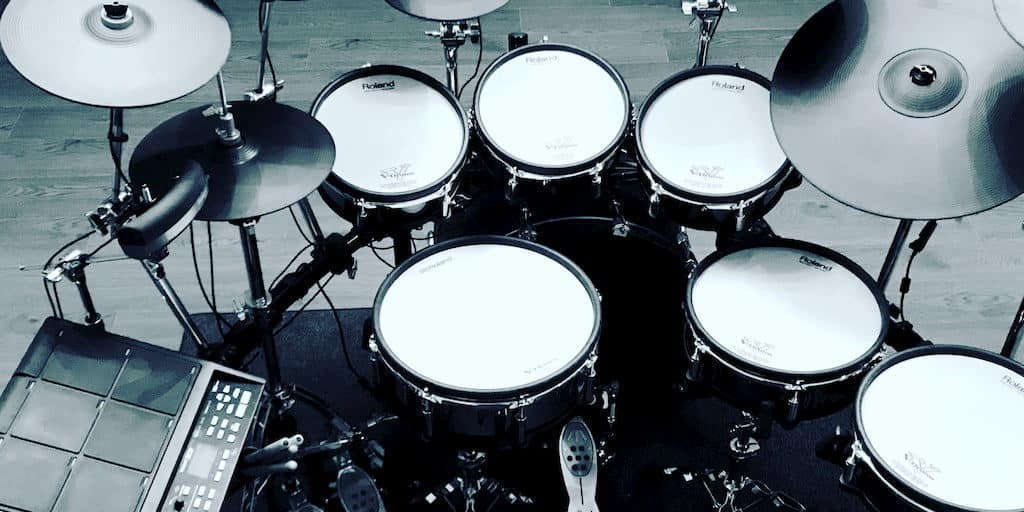
Flagship electronic drum sets can cost $3,000 to $5,000 or more. They are aimed at touring musicians, commercial studios, professional educators, and players who need the closest electronic alternative to acoustic drums.
At this level, you are paying for refined triggering, realistic movement, premium hardware, advanced sound control, and long-term reliability. The price is harder to justify for a casual player, but it can make sense for regular professional use.
Hidden Costs to Include in Your Budget
The advertised price may not include everything you need. Before deciding how much electronic drum sets cost, add the basic extras to your total budget.
Headphones or speakers
Headphones are the easiest way to practice quietly. A decent pair usually costs $30 to $150.
If you want others to hear you, you need an amplifier or powered speaker. A suitable drum monitor may cost $150 to $500 or more.
Do not use a small guitar amplifier for electronic drums. It may not reproduce low bass drum tones correctly and can become damaged at high volume.
Drum throne
Some kits include a throne, but many do not. A stable drum throne usually costs $50 to $200.
A weak seat can cause back pain and make it harder to maintain good posture. This is one area where saving too much can hurt your playing.
Drumsticks
Standard 5A sticks are a good starting point. They often cost $10 to $20 per pair. Mesh heads may last longer when you use sticks with smooth tips and avoid excessive force.
Cables and adapters
Most kits include the main cables, but you may need extra audio cables, USB cables, MIDI adapters, or a headphone adapter. Set aside $20 to $75 for small accessories.
Software and subscriptions
Some electronic drum modules work with music software, virtual instruments, and lesson apps. Certain programs are free, while others require a one-time payment or monthly plan.
This can improve practice, but it also raises the total cost. Check whether the included software is a trial or a permanent license.
Repairs and replacement parts
Pads, pedals, cables, and power supplies can wear out. Replacement costs vary by brand and model.
Before buying, check whether the manufacturer still sells replacement parts. A slightly more expensive kit from a well-supported brand may cost less over its full life.
Are Expensive Electronic Drum Sets Worth It?
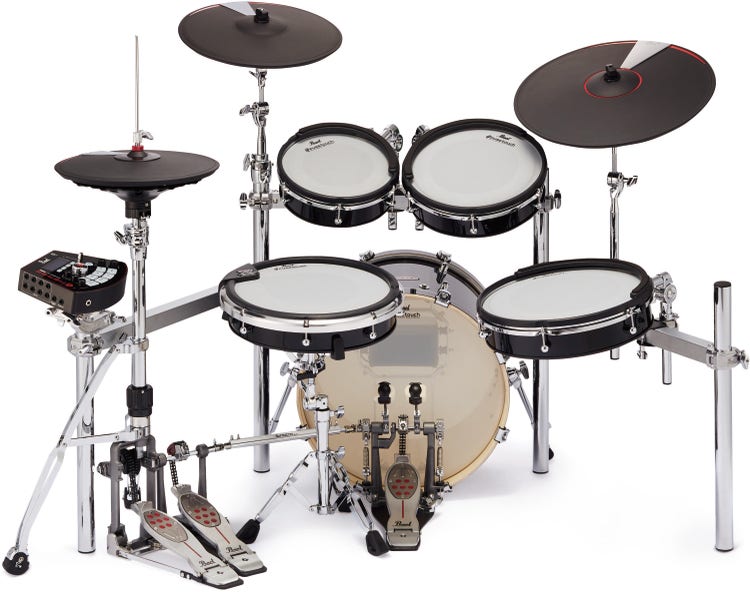
Expensive electronic drum sets are worth the money when you need realistic response, quiet practice, professional sounds, or reliable performance. They are not automatically better for every drummer.
A $400 kit can help a beginner learn basic timing. A $2,000 kit can provide better dynamics, more comfortable pads, and a stronger platform for advanced practice. The best choice depends on how often you play and what problems you want the kit to solve.
Consider spending more if:
• You practice several times each week
• You need realistic hi-hat control
• You play ghost notes and soft dynamics
• You plan to record music
• You need a stable kit for live use
• You want to keep the same kit for many years
A cheaper model may be enough if:
• You are testing the hobby
• You mainly practice with headphones
• You have limited space
• You only need basic sounds and a metronome
• You are buying for a young beginner
One mistake I often see is buying a very cheap kit, outgrowing it quickly, and then paying twice. Another mistake is spending thousands on features that the player never uses. Choose the lowest price that meets your real needs, not just the lowest price on the shelf.
Electronic Drum Sets vs. Acoustic Drum Sets
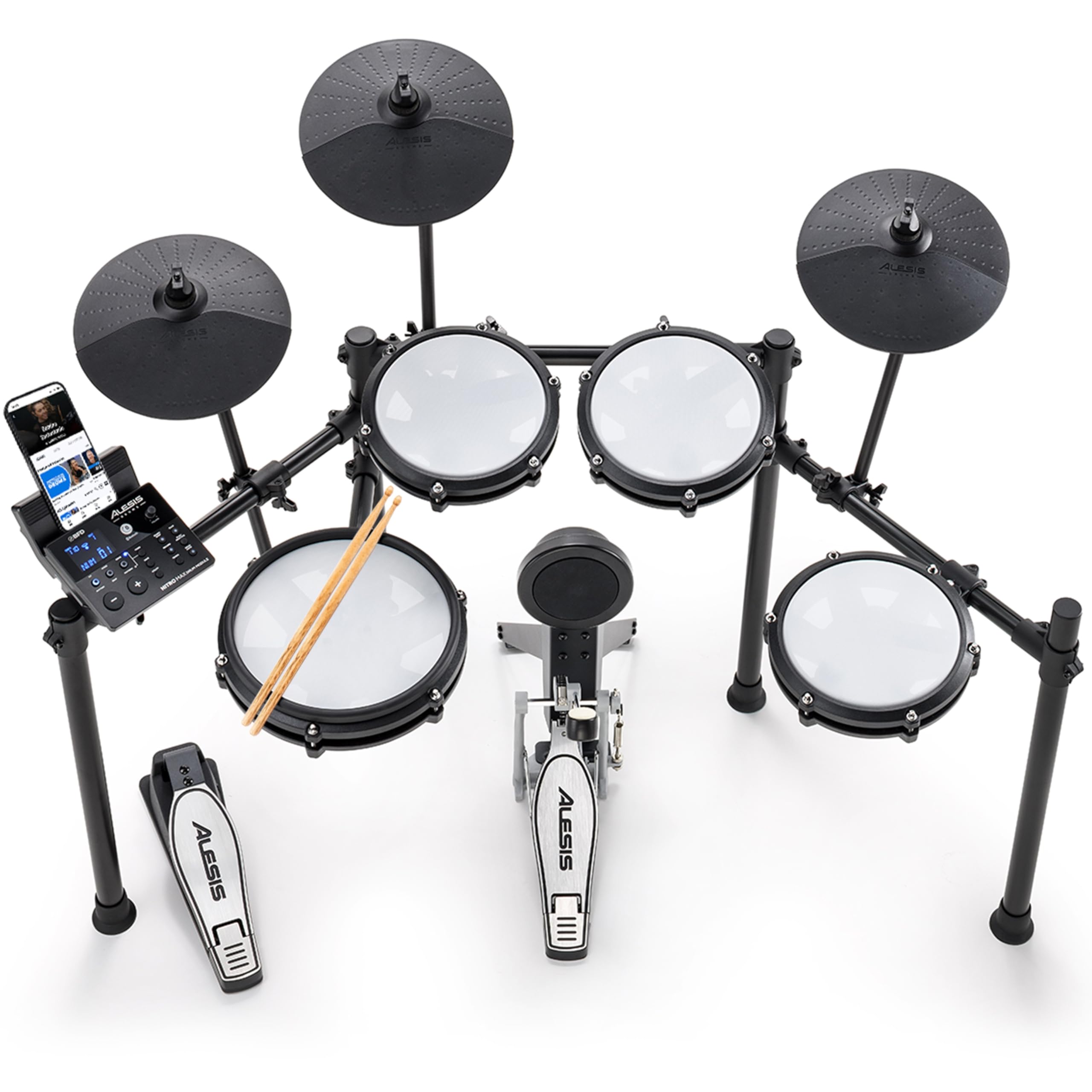
Electronic drums often cost more than a basic acoustic drum kit, but they offer different benefits. The best choice depends on your room, neighbors, playing style, and need for recording.
| Feature | Electronic drums | Acoustic drums |
|---|---|---|
| Quiet practice | Excellent with headphones | Difficult without sound control |
| Space | Usually compact | Needs more room |
| Sound choices | Many built-in sounds | Requires tuning and microphones |
| Maintenance | Low to moderate | Regular tuning and head changes |
| Natural feel | Varies by model | Very natural |
| Recording | Easy through USB or audio outputs | Requires microphones and equipment |
| Live use | Easy volume control | Strong acoustic projection |
Electronic drums are like using a digital camera. They offer control, flexibility, and convenience. Acoustic drums are more like a live painting. They provide natural air movement, physical vibration, and a unique response.
Neither option is perfect. Even a premium electronic kit may not fully reproduce the feeling of air moving from a large acoustic bass drum.
How to Choose the Right Electronic Drum Set
Use this process before you buy:
-
Decide your main purpose. Choose whether you need practice, lessons, recording, home performance, or live work.
-
Set a complete budget. Include headphones, a throne, sticks, a monitor, software, and possible replacement parts.
-
Test the pad response. Play soft notes, loud notes, rolls, rim shots, and cymbal hits if possible.
-
Check the kick pedal. Make sure it feels stable and gives enough room for your foot.
-
Listen to the module. Pay attention to acoustic drum sounds, cymbals, bass drum tones, and the quality of the effects.
-
Review the connections. USB audio, MIDI, Bluetooth, extra trigger inputs, and separate outputs may matter later.
-
Measure your room. Check the kit’s footprint and allow space for the throne and pedal movement.
-
Read the warranty terms. Confirm what parts are covered and how long replacement support may last.
-
Compare used and new prices. A lightly used mid-range kit may offer better value than a new basic kit.
-
Avoid buying by pad count alone. Trigger quality and module performance matter more than having many small pads.
If possible, try the kit in person. Online specifications can tell you the size and features, but they cannot show how the hi-hat feels under your foot or how the snare responds to a soft stroke.
Ways to Save Money on Electronic Drums
You do not need to buy the most expensive kit to get a good playing experience. Smart shopping can reduce the total cost without sacrificing important features.
• Buy a previous-generation model from a reliable brand.
• Look for open-box kits with full warranties.
• Consider a used mid-range kit instead of a new entry-level kit.
• Buy a kit with the module and pads you need now, then expand later.
• Compare bundle prices that include a throne, headphones, and sticks.
• Shop during holiday sales and manufacturer promotions.
• Avoid paying extra for built-in songs or sounds you will not use.
• Check return policies before ordering online.
When comparing how much electronic drum sets cost, compare the complete package. A $700 bundle with a throne and headphones may be a better deal than a $600 kit that requires $200 in extra purchases.

How Much Are Electronic Drum Sets for Beginners?
Beginner electronic drum sets usually cost $250 to $700. A kit near $400 to $600 often provides a better balance of price, mesh pads, practice tools, and upgrade potential.
Look for a stable rack, a usable snare pad, a real kick tower if possible, and a headphone output. Avoid choosing only by the number of built-in sounds.
How Much Are Electronic Drum Sets for Professional Players?
Professional electronic drum sets usually cost $1,500 to $5,000 or more. These kits offer better triggering, realistic hi-hat and cymbal control, advanced modules, stronger hardware, and more reliable performance.
Professional players should also consider technical support, replacement parts, USB audio quality, and compatibility with recording software.
How Much Are Electronic Drum Sets Used?
Used electronic drum sets often cost 30% to 60% less than new models. The exact price depends on age, condition, brand, included accessories, and whether the model is still supported.
Test every pad, pedal, cymbal choke, display, cable, and output before buying. Ask why the owner is selling and request proof that the module works correctly.
How Much Are Electronic Drum Sets With a Speaker?
An electronic drum set with a suitable speaker usually costs $450 to $3,500, depending on the kit and monitor. Basic practice speakers may cost around $150, while powerful drum monitors can cost $500 or more.
Headphones are usually better for quiet practice. A speaker makes more sense when you want to play with other musicians or perform for a small audience.
Do Electronic Drum Sets Need an Amp?
No, electronic drums do not need an amp if you use headphones. You need an amp, powered speaker, or drum monitor when you want the sound to fill a room.
Use equipment designed for full-range audio. A drum monitor should handle deep bass drum sounds and bright cymbals without distortion.
Conclusion
Electronic drum sets cost about $250 to $5,000 or more, but most players can find a strong option between $500 and $1,500. Entry-level kits suit beginners, while premium models deliver better response, sound, hardware, and expansion options.
Focus on your playing goals instead of chasing the largest number of pads or sounds. Add the cost of headphones, a throne, sticks, speakers, software, and future repairs before making your final choice.
Try several models when possible, compare full bundle prices, and choose a kit that supports the way you really plan to play. Explore more drum gear guides, compare trusted models, and share your experience with electronic drums in the comments.

Senior Music Reviewer
Alex Carter is a seasoned music reviewer with over a decade of experience in the world of sound and instruments. Passionate about helping musicians and enthusiasts make informed choices, he brings sharp insights and in-depth knowledge to every review. From classical instruments to modern gear, Alex combines technical expertise with a love for music to deliver content that resonates with readers.
As a Senior Music Reviewer and expert author on Tuneluma.com, Alex is dedicated to sharing honest evaluations, practical advice, and thoughtful commentary to guide readers in their musical journey.