A good violin has a balanced tone, clean workmanship, proper setup, and comfort in your hands.
Learning how to tell a good violin takes more than looking at its price or shiny varnish. A reliable violin should combine sound quality, solid construction, accurate setup, and a feel that helps you play with ease. This guide explains what experienced players, teachers, and violin makers look for before buying.
What makes a violin good?
A good violin is an instrument that produces a clear, balanced sound and responds well to the player. It should feel stable under the bow, comfortable under the fingers, and easy to tune.
The best violin is not always the most expensive one. A well-made student violin with expert setup can sound and play better than an expensive instrument that has poor repairs or worn parts.


When learning how to tell a good violin, judge the whole instrument rather than one feature. Look at these key areas:
• Tone: The sound should be clear, rich, and even across all four strings.
• Response: The violin should speak quickly when the bow touches the string.
• Setup: The bridge, soundpost, pegs, fingerboard, and strings should work together correctly.
• Construction: The wood, joints, scroll, and varnish should show careful workmanship.
• Comfort: The violin should feel natural to hold and play.
• Condition: Cracks, loose seams, and major repairs can affect value and performance.
A violin is like a small acoustic system. Each part affects the others. A fine top plate cannot fully rescue a poor bridge, bad strings, or an incorrectly placed soundpost.

Check the violin’s tone
Tone is one of the most important parts of how to tell a good violin. A strong violin usually has a clear sound on every string, with enough warmth and power to carry across a room.
Ask a player or teacher to test the instrument from several feet away. A violin can sound pleasant under your ear but harsh, weak, or dull to someone listening nearby.


Listen for:
• A clear G string with depth and strength
• A warm but focused D string
• A smooth, singing A string
• A bright E string without a thin or piercing sound
• Similar volume between the four strings
• Easy changes between soft and loud playing
• Notes that stay stable as you move up the fingerboard
A good violin does not need to sound perfect on the first note. New strings may need time to settle, and the player’s technique affects the result. Still, serious problems such as buzzing, wolf notes, a nasal sound, or a weak lower string should not be ignored.
When learning how to tell a good violin, avoid choosing only by brightness. Brightness can seem exciting at first, but a violin with too much edge may become tiring during long practice sessions. A balanced tone gives you more room to shape the music.
Inspect the violin’s craftsmanship
Careful workmanship often reveals a violin’s quality. You do not need to be a professional violin maker to spot basic signs of good construction.
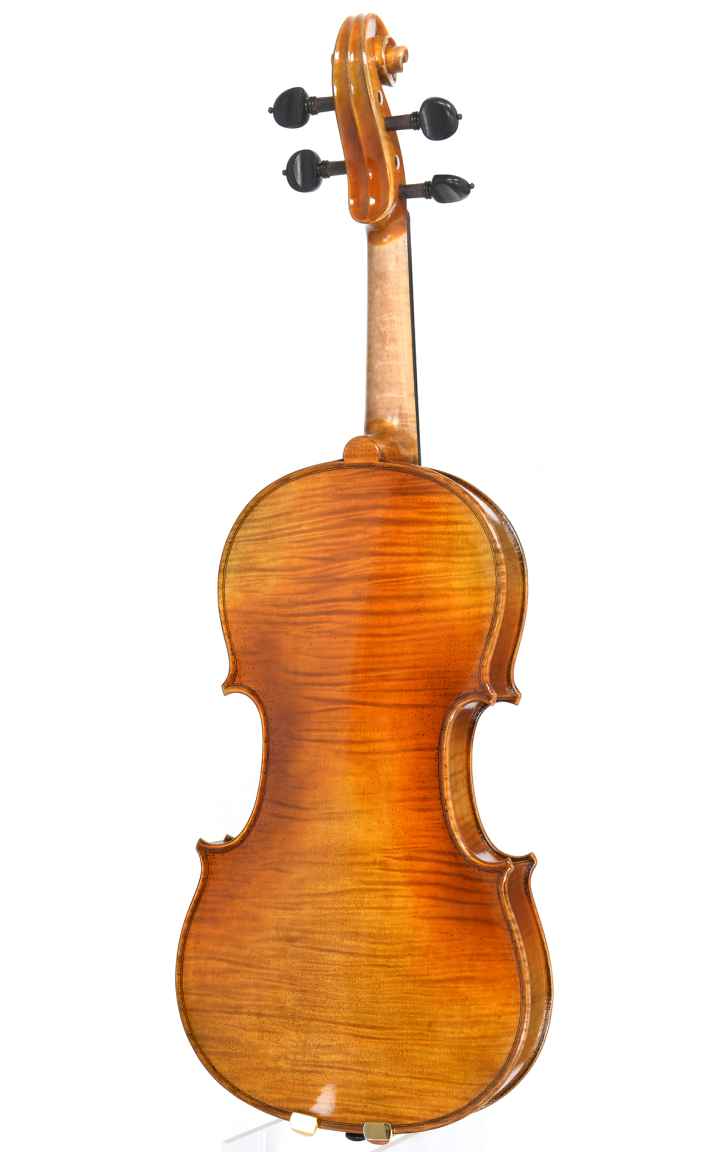
Start by looking at the body. The top and back should join the ribs cleanly. The edges should be even, and the corners should look shaped rather than blunt or rushed.
Examine the following areas:
• The spruce top should have an even, attractive grain.


• The maple back may show flame, but decorative flame does not guarantee a better sound.
• The purfling should be neat and properly set into the wood.
• The f-holes should look balanced and cleanly cut.
• The scroll should show careful carving, especially around the eyes and pegbox.
• The varnish should look intentional, not thick, plastic-like, or poorly brushed.
Small differences between the two sides are normal. Handmade violins are not factory-perfect objects. In fact, many excellent instruments have slight variations because the maker shaped them by hand.
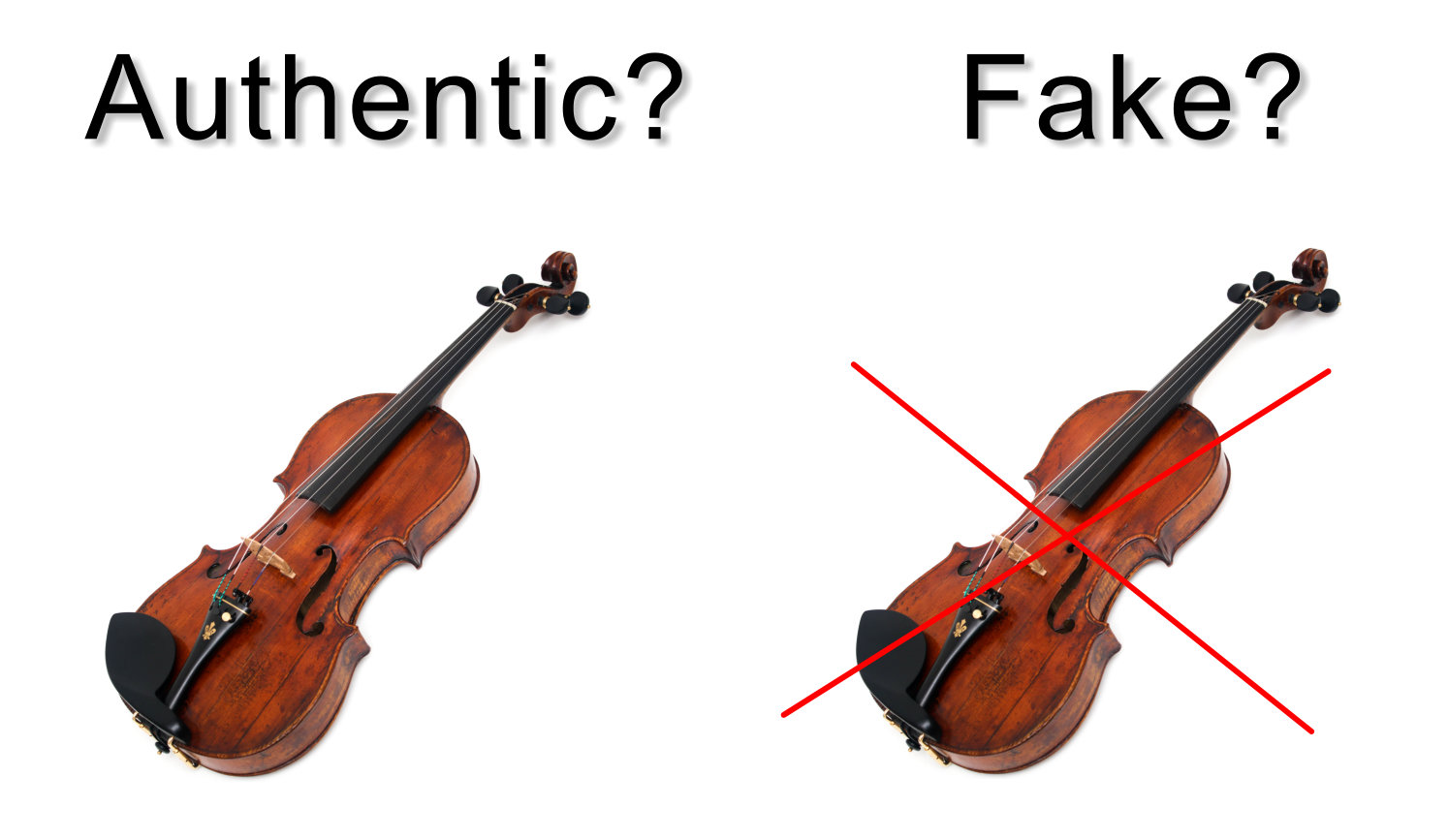
One important lesson in how to tell a good violin is not to confuse beauty with quality. Fancy wood, bright varnish, and an impressive label can attract attention, but they do not prove that the violin sounds good or plays well.
Examine the violin’s setup
Setup has a major effect on playability. Even a well-made violin may perform poorly if its bridge, soundpost, strings, or fingerboard are not adjusted correctly.
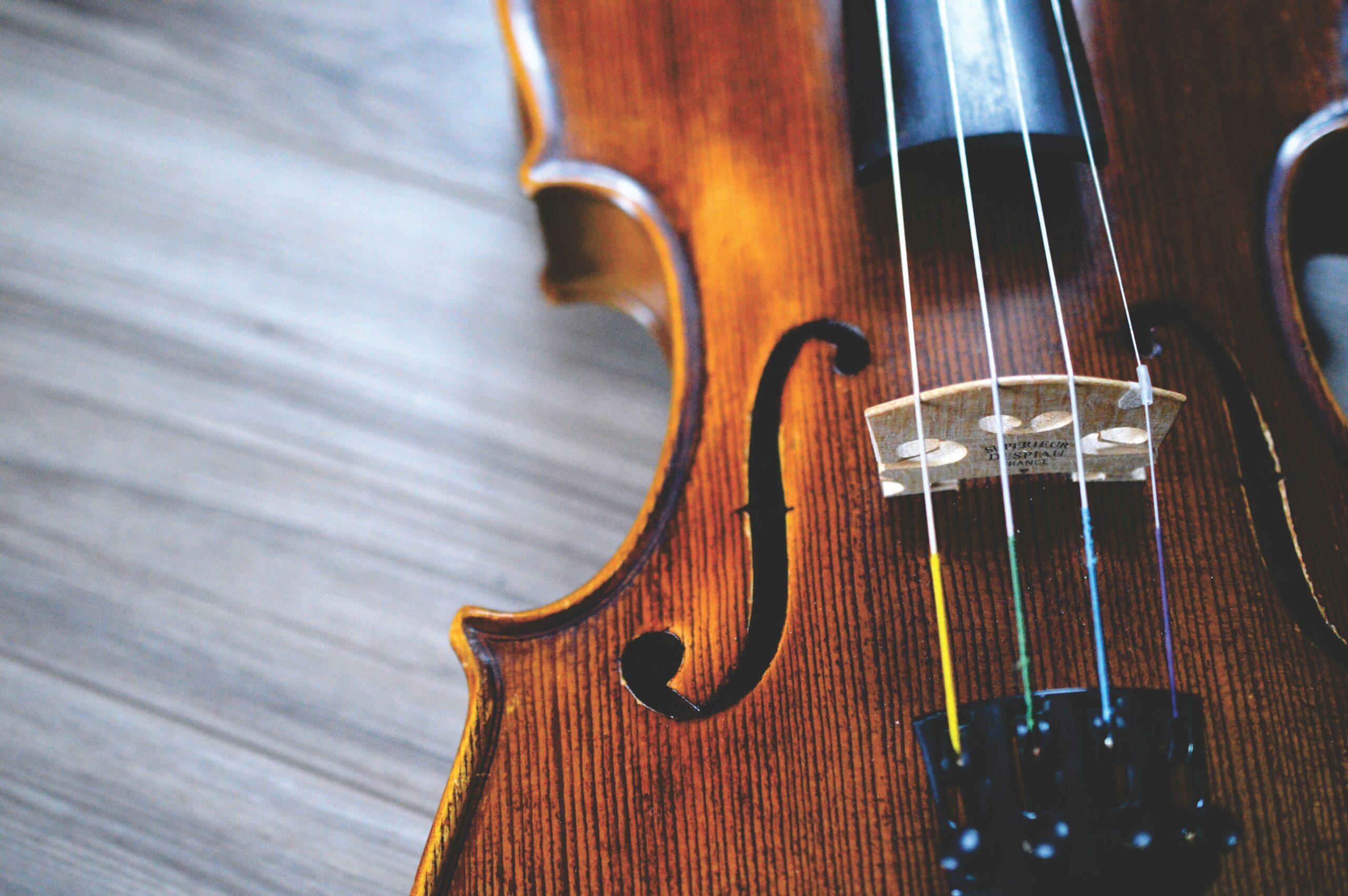
The bridge should stand upright and fit the top of the violin. Its feet should sit flat, and the bridge should not lean noticeably toward the fingerboard or tailpiece.
The fingerboard should have a smooth, gentle curve. It should not have deep grooves, rough patches, or a shape that makes notes buzz.
The strings should sit at a comfortable height. Strings that are too high make the violin hard to play. Strings that are too low may buzz against the fingerboard.
Check the pegs as well. They should turn smoothly but hold their position. Pegs that slip make tuning frustrating, especially for a beginner.
A proper setup usually includes:
• A well-fitted bridge


• A correctly placed soundpost
• Smooth pegs
• A level and properly shaped fingerboard
• Suitable string height
• Functional fine tuners
• Good-quality strings
Many beginners ask how to tell a good violin when the real issue is setup. A skilled repairer can improve an average instrument with careful adjustment, while a poor setup can hide the strengths of a fine violin.

Look for cracks, repairs, and damage
Condition matters when you evaluate a violin. Some repairs are normal, especially on older instruments, but serious damage can be costly and may reduce sound quality.
Inspect the instrument in bright, natural light. Look closely at the top, back, ribs, scroll, and neck.
Watch for:
• Open seams along the edges
• Cracks near the bridge or soundpost
• A neck that looks loose or tilted
• A sinking or raised top


• Repaired cracks that appear unstable
• Missing or damaged purfling
• Worm damage in older wood
• A tailpiece that is cracked
• A bridge that is warped
Open seams are often repairable and may not be a major concern. Soundpost cracks, bass-bar cracks, and serious neck problems deserve more caution because they can require skilled and expensive work.
Do not press on the top or try to force loose parts back into place. If you see damage, ask a qualified violin repairer for an inspection and written estimate.
Knowing how to tell a good violin also means knowing when to walk away. A low price is not a bargain if repairs cost more than the instrument’s true value.

Test how the violin feels to play
A violin should feel comfortable enough that you can focus on music rather than fighting the instrument. Comfort depends on your body, playing level, and technique, so the same violin may suit one player better than another.
Play slow scales first. Notice how easily each note speaks. Then try short bow strokes, long bows, slurs, and a few shifts into higher positions.
Pay attention to:
• How much pressure the left hand needs
• Whether the bow moves smoothly across the strings
• How easily the violin responds at soft volume


• Whether the neck feels comfortable
• Whether the instrument feels balanced under the chin
• How quickly your hand becomes tired
A good violin should not force you to squeeze the neck or press hard with the bow. Excess tension can slow progress and lead to poor playing habits.
When explaining how to tell a good violin to a new player, I recommend testing at least three instruments in the same session. Memory can be unreliable, but clear comparisons reveal which violin feels more natural.
Compare violins at different price levels
Price can offer useful clues, but it is not a final test of quality. A violin’s cost may reflect the maker, age, materials, reputation, condition, setup, and demand.
Factory-made violins are often designed for beginners. They can be good choices when they have solid construction, dependable strings, and professional setup.
Workshop violins may be made by several workers under a maker’s direction. These instruments can offer strong value and consistent quality.
Handmade violins vary widely. A skilled modern maker may produce a superb instrument, while an unknown or poorly trained maker may produce one with weak response.
Older violins are not automatically better. Age can add character, but it cannot correct poor design, damage, or neglect. Some old instruments sound wonderful, while others are simply worn out.
Use price as one piece of information. Do not use it as proof.

Ask a teacher or violin expert for help
A second opinion can protect you from an expensive mistake. A teacher can evaluate playability, while a violin shop or luthier can inspect construction and condition.
Bring someone who can:
• Play the violin from across the room
• Compare it with other instruments
• Check the setup
• Identify repair risks
• Estimate future maintenance costs
• Explain whether the price is fair
This is especially important if you are buying an older violin online. Photos may hide open seams, repaired cracks, neck problems, and poor setup. A return period and independent inspection are valuable safeguards.
A useful question is, “What would this violin need in the next year?” The answer may reveal costs that are not obvious during a short trial.
The most reliable approach to how to tell a good violin combines your own playing test with expert advice. Your ears and hands matter, but a trained eye can spot problems you may miss.

Common mistakes to avoid
Many violin buyers focus on the wrong details. Avoiding these mistakes can save money and frustration.
• Choosing the most attractive violin: A beautiful finish does not guarantee a good tone.
• Trusting the label: Labels can be missing, copied, incorrect, or unrelated to the actual maker.
• Testing only one instrument: Without comparison, it is hard to judge response and tone.
• Playing only under your ear: Ask another player to perform while you listen from a distance.
• Ignoring setup: A poor bridge or bad strings can make a good violin seem weak.
• Buying without a trial period: Your opinion may change after several practice sessions.
• Assuming expensive means best: Price and sound quality do not always rise together.
• Selecting a violin that is too bright: Strong projection is useful, but harshness can become tiring.
• Forgetting future repairs: Include strings, bow work, peg adjustments, and insurance in your budget.
One mistake I see often is rushing because a violin looks rare or because another buyer seems interested. A good instrument deserves careful testing. If a seller refuses a reasonable inspection or return period, treat that as a warning sign.

A simple step-by-step buying test
Use this process when you visit a violin shop or meet a private seller.
-
Look over the entire violin in good light.
-
Check the bridge, strings, pegs, fingerboard, and tailpiece.
-
Look for cracks, open seams, and signs of major repair.
-
Tune the violin and play each open string.
-
Test slow scales across all four strings.
-
Play both soft and loud passages.
-
Try notes in higher positions if you can do so comfortably.
-
Ask another player to perform while you listen nearby.
-
Compare the violin with at least two others.
-
Ask a qualified expert to check the instrument before you buy.
Write down your impressions after each test. Note the sound, response, comfort, and price. This keeps excitement from taking over your judgment.
If you are a beginner, choose the violin that feels easy to control. You can develop a more complex sound later, but an instrument that fights you may slow your progress.
How to maintain a good violin
Once you find a good violin, proper care helps preserve its sound and value. Wipe rosin dust from the strings and top with a soft, dry cloth after playing.
Loosen the bow before putting it away. Store the violin in a sturdy case and keep it away from radiators, direct sunlight, cars, and sudden changes in temperature or humidity.
Avoid using household polish or water on the varnish. Some cleaning products can damage the finish. For deep cleaning, ask a qualified violin maker or repairer.
Replace strings when they sound dull, feel rough, or no longer stay in tune well. Have the bridge checked if it begins to lean. Small adjustments can prevent larger repairs.
A good violin is a living wood instrument. It responds to its environment, so steady care matters more than occasional rescue work.
Frequently asked questions about how to tell a good violin
How can you tell if a violin is high quality?
A high-quality violin usually has a balanced tone, quick response, accurate setup, and careful construction. It should also feel comfortable and remain stable across all four strings.
Does an expensive violin always sound better?
No. Price may reflect age, maker reputation, materials, condition, and demand, but it does not guarantee better sound. A well-set-up violin at a moderate price may suit you better than a costly instrument.
What should a good violin sound like?
A good violin should sound clear, even, and responsive, with warmth and enough power. It should not be extremely harsh, dull, nasal, or weak on one string.
Is an old violin better than a new violin?
Not always. Some old violins have excellent tone and history, while others have damage or poor construction. A skilled modern maker can also create an outstanding instrument.
Should beginners buy a cheap violin?
Beginners should look for value rather than the lowest price. A modest violin with professional setup, reliable strings, and comfortable playability is usually a better choice than a poorly made bargain instrument.
Can a luthier improve a bad violin?
A luthier can often improve setup, response, and comfort. However, setup cannot fully correct serious design flaws, major damage, or weak materials.
Conclusion
Learning how to tell a good violin means judging tone, response, setup, workmanship, condition, and comfort together. Do not let a shiny finish, old label, or high price make the decision for you.
Test several instruments, listen from a distance, check for repair problems, and ask a trusted teacher or luthier for advice. The right violin should make practice feel more inviting, not more difficult. Take your time, compare carefully, and explore more violin-buying resources before making your choice.

Senior Music Reviewer
Alex Carter is a seasoned music reviewer with over a decade of experience in the world of sound and instruments. Passionate about helping musicians and enthusiasts make informed choices, he brings sharp insights and in-depth knowledge to every review. From classical instruments to modern gear, Alex combines technical expertise with a love for music to deliver content that resonates with readers.
As a Senior Music Reviewer and expert author on Tuneluma.com, Alex is dedicated to sharing honest evaluations, practical advice, and thoughtful commentary to guide readers in their musical journey.