How Does A Drum Make A Sound: Science Explained
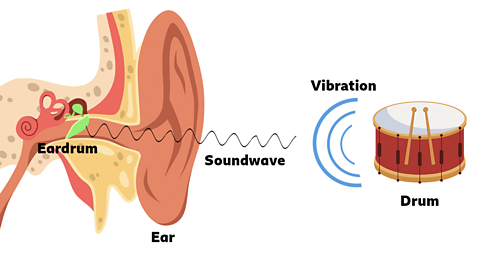
A drum makes sound when its stretched drumhead vibrates and moves air, creating sound waves.
That simple motion explains how does a drum make a sound, but the full process involves tension, resonance, air pressure, and the drum’s shell. Once you understand these parts, you can see why a snare sounds sharp, a bass drum sounds deep, and small changes in tuning can transform the voice of an entire kit.
How Does a Drum Make a Sound?
A drum makes a sound through vibration. When a stick, mallet, hand, or brush strikes the drumhead, the head bends inward and then springs back. This fast movement pushes nearby air molecules, creating waves that travel to your ears.
The main steps are:
- A player strikes the drumhead.
- The drumhead begins to vibrate.
- The vibrating head moves the air above and below it.
- The drum shell and air inside the drum also begin to resonate.
- Your ears detect the moving air as sound.
So, how does a drum make a sound in physical terms? It converts motion into vibration, then converts vibration into sound waves. The drum does not create sound from the stick alone. The stick only supplies energy to the vibrating system.
A useful comparison is a pond. Drop a stone into still water, and ripples spread outward. Strike a drumhead, and pressure ripples spread through the air. The drumhead is like the stone’s point of impact, while the air carries the result to your ears.
The sound you hear depends on several factors:
• Drumhead tension
• Drumhead thickness
• Shell size and material
• Striking location
• Stick or mallet type
• Drumhead condition
• Room size and surface materials
The Role of the Drumhead
The drumhead is the part that vibrates most visibly and directly. Modern drumheads are often made from plastic film, while some traditional drums use animal skin. Both materials work because they can stretch, flex, and return to their original shape.
When the head is tight, it vibrates quickly. Fast vibration creates a higher pitch. When the head is loose, it vibrates more slowly and produces a lower pitch. This is why tightening a tom or snare usually raises its pitch.
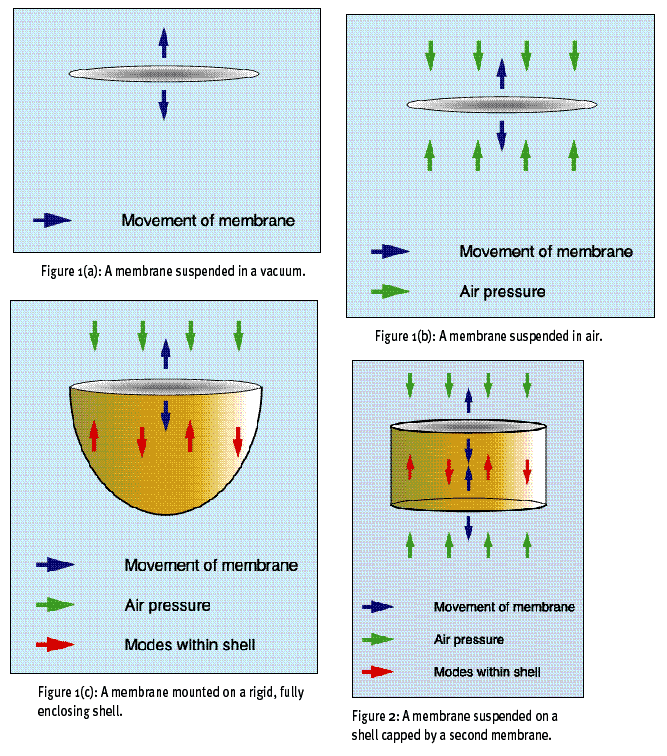
The drumhead does not move as one solid sheet. It forms patterns called modes. Different areas move up and down at different speeds. The center may move strongly after a direct hit, while the edge may stay still for a brief moment.
These vibration patterns affect the drum’s tone. A drum can produce:
• A strong main pitch
• Higher overtones
• A short attack
• A longer ringing sound
• A sharp or soft response
The center of the head often gives a full, open tone. A strike near the edge can create more overtones and a thinner sound. A rimshot, which hits the head and rim together, adds a loud, cutting attack.
In practical drum testing, one detail becomes clear very quickly: a drumhead that looks fine can still sound dull. Old heads lose their flexibility and may develop flat spots. Replacing the head often improves tone more than changing the shell.
How the Drum Shell and Air Add Resonance
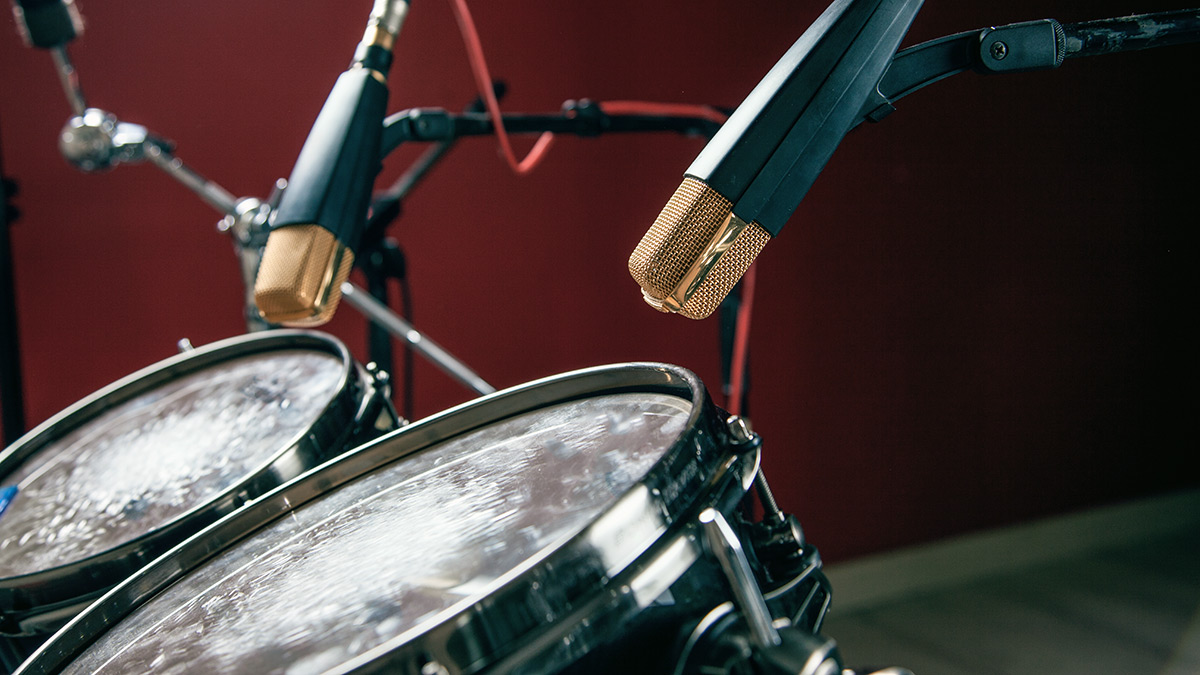
The drumhead starts the vibration, but the shell helps shape it. The shell is the round body that supports the heads and holds the air inside. It reflects and reinforces some vibrations while reducing others.
The air inside the shell also plays a key role. When the batter head moves inward, it compresses the air inside the drum. When it moves outward, it creates a lower-pressure area. This repeated change helps the resonant head vibrate.
The bottom head is called the resonant head. It responds to changes in air pressure and adds depth, sustain, and character. On many drums, the batter head controls much of the attack, while the resonant head influences the ring and body of the note.
This helps explain how does a drum make a sound beyond the first hit. The sound is not only the first vibration of the top head. It is the combined response of:
• The batter head
• The resonant head
• The shell
• The air cavity
• The surrounding room
A larger shell usually supports deeper frequencies. A smaller shell usually responds with higher frequencies and a quicker attack. Shell thickness, wood type, metal type, and construction also influence the tone, although tuning and heads can have an even larger effect.
The shell does not act like a loudspeaker cone in the same way as a guitar speaker. Instead, it supports a vibrating air system. Its shape and materials help filter which frequencies become strong and which fade away.
Why Drums Have Different Pitches and Tones
Drums are often called unpitched instruments, but that description needs care. A drum can have a noticeable pitch, especially when it is tuned well. However, many drums produce a group of frequencies rather than one clear musical note.
Pitch mainly depends on vibration speed. Higher-frequency vibrations sound higher. Lower-frequency vibrations sound lower.
A drum’s pitch and tone change with:
• Diameter: Larger heads tend to produce lower tones.
• Tension: Tighter heads usually produce higher tones.
• Mass: Heavy heads tend to vibrate more slowly.
• Depth: Deeper shells often add a fuller, lower character.
• Material: Wood, steel, brass, and synthetic materials shape resonance differently.
• Damping: Tape, gel, cloth, or muffling reduces ringing and overtones.
For example, a 10-inch rack tom often sounds higher and quicker than a 16-inch floor tom. A bass drum has a large head and a deep shell, so it can produce a powerful low-frequency pulse.
A snare drum adds another layer. Its metal wires sit against the bottom head. When the bottom head vibrates, the wires buzz against it. This creates the familiar crisp snap associated with a snare.
The pitch is not always easy to identify because a drum’s sound includes attack, noise, overtones, and decay. The first instant may sound bright, while the fading part may sound lower and warmer.

How Striking Technique Changes Drum Sound
The way you strike a drum strongly affects how does a drum make a sound. The same drum can produce several distinct sounds without changing its tuning.
A hard strike transfers more energy to the head. This usually makes the drum louder and can bring out more overtones. A light strike creates a softer sound with less attack and less air movement.
The striking tool matters too:
• A wooden stick creates a clear attack.
• A nylon-tip stick may sound brighter.
• A soft mallet creates a round, gentle tone.
• Brushes produce a soft sweep and light texture.
• Bare hands can create warm tones with controlled attack.
The striking area matters as well. Hitting near the center often produces a full, focused note. Hitting near the rim produces more high-frequency energy. On a snare, a rimshot creates a strong attack because the stick contacts both the head and rim.
Angle also matters. A stick that lands naturally and rebounds can produce a clean tone. A stick that stays pressed against the head stops vibration and creates a shorter, flatter sound.
One common beginner mistake is trying to make a drum louder by hitting harder every time. Good drummers use relaxed motion, proper rebound, and controlled placement. This gives them volume when needed without damaging the head or tiring the hands.
A simple exercise is to play four strikes in the same place at three levels: soft, medium, and loud. Listen for changes in attack, sustain, and overtone content. This builds a direct understanding of how energy changes sound.

What Is Resonance, Sustain, and Damping?
Resonance is the tendency of an object or air space to vibrate strongly at certain frequencies. Every drum has resonant frequencies based on its size, shape, materials, and tension.
Sustain is the length of time the sound continues after the strike. An open, lightly damped drum may ring for several seconds. A heavily muffled drum may stop almost at once.
Damping reduces vibration. Players use it when a drum rings too much or produces unwanted overtones. Common methods include:
• Small gel pads
• Removable muffling rings
• A strip of tape
• A cloth on the head
• A pillow inside a bass drum
• A thinner or heavier drumhead
Damping is not automatically good or bad. It is a choice. Jazz players may want a wide, open tone, while a studio engineer may prefer a short, controlled sound. The best amount depends on the music, room, microphone, and player.
Room acoustics also affect resonance. Hard walls reflect sound and may make a drum seem louder or brighter. Carpets, curtains, and furniture absorb some sound and can make the same drum seem shorter or darker.
When learning how does a drum make a sound, it helps to separate the drum’s natural tone from the room’s effect. A drum that sounds balanced in a small practice room may sound too bright on a bare stage.

How to Tune a Drum for a Better Sound
Tuning controls the tension around the drumhead. Each tension rod should apply even pressure. If one side is tighter than another, the head may produce unwanted buzzing, weak spots, or uneven overtones.
Use this basic tuning process:
- Loosen the tension rods slightly if the head is already installed.
- Press gently in the center of the head to seat it.
- Tighten each rod in a crisscross pattern.
- Turn each rod in small, equal amounts.
- Tap near each rod and compare the pitches.
- Adjust until the head sounds even around the edge.
- Tune the resonant head to suit the desired sustain and response.
- Test the drum from the player’s position and from a few feet away.
Do not judge the drum only from behind the kit. The sound near the drummer can differ from the sound heard by an audience or microphone.
A useful tip is to tune in small steps. Large turns can make it difficult to find the drum’s natural range. If the head wrinkles badly at normal tension, it may be damaged, poorly seated, or the wrong size.
The top and bottom heads do not need to have identical tension. A higher resonant head can create more projection and sustain. A lower resonant head can create a deeper, looser response. Experiment carefully and write down settings that work.
Acoustic Drums Compared With Electronic Drums
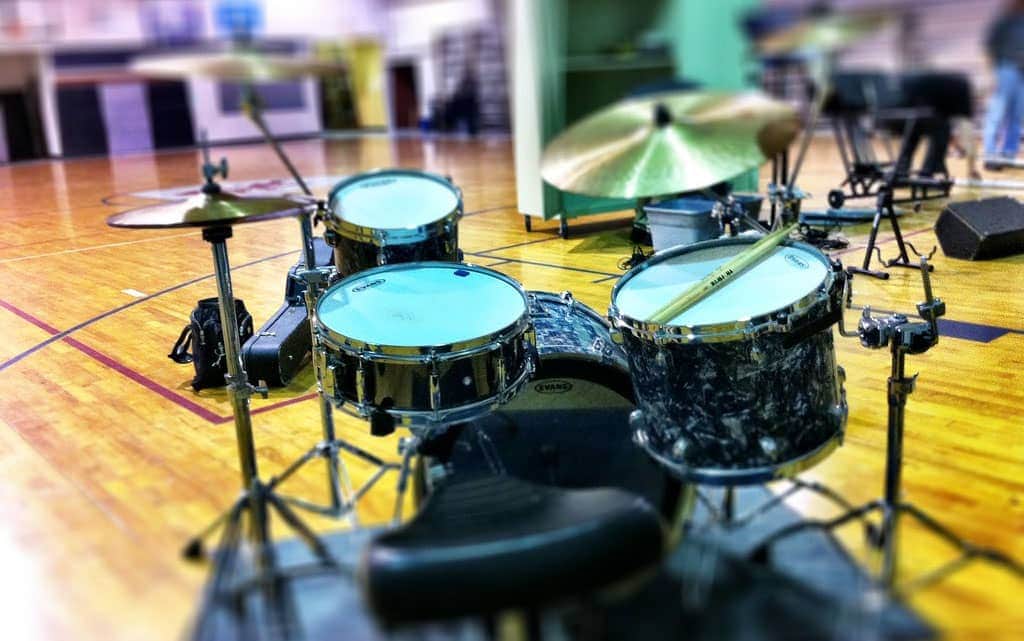
An acoustic drum creates sound through real physical vibration. The head moves air directly, and the shell adds its own response. This process happens immediately and naturally.
An electronic drum pad works differently. A sensor detects the strike and sends an electrical signal to a sound module or computer. The module then plays a recorded or digitally produced drum sound through headphones, speakers, or an amplifier.
Both types have advantages.
Acoustic drums offer:
• Natural air movement
• Physical resonance
• Dynamic tone changes
• Strong interaction with the room
• A direct connection between stick and sound
Electronic drums offer:
• Volume control
• Headphone practice
• Built-in sound choices
• Easy recording
• Consistent performance in small spaces
Electronic pads can imitate acoustic drum behavior, but they do not create sound in exactly the same way. Their sensors measure force, position, and sometimes playing style. The final sound comes from electronics and software rather than a vibrating drum shell.
This distinction matters for beginners. If you want to understand how does a drum make a sound, an acoustic drum gives you the clearest physical example. If noise and space are concerns, an electronic kit can still teach timing, coordination, and dynamics.

Common Problems That Change Drum Sound
A drum may sound weak, harsh, or unclear for several reasons. Many problems are simple to fix.
Check these areas first:
• Loose tension rods: The head may vibrate unevenly.
• Uneven tuning: Different parts of the head may produce different pitches.
• Worn drumhead: Old film may lose response and clarity.
• Excessive muffling: Too much material can remove life from the sound.
• Loose hardware: Rattling stands, lugs, or rims can add unwanted noise.
• Poor striking technique: A buried stick can stop the head too quickly.
• Bad room acoustics: Reflections can make the tone seem harsh or muddy.
• Incorrect microphone placement: A microphone may exaggerate attack or low end.
A practical test is to remove all unnecessary muffling and play the drum softly. Then add damping one small piece at a time. This reveals what the drum naturally wants to do.
Another useful test is to tap around the head near each tension rod. If the notes vary widely, tune the head more evenly. You do not need laboratory equipment for this basic check. Careful listening is often enough.
Drum sound also involves personal preference. A tone that seems too ringy to one player may sound lively to another. Good setup aims for control, not a single “correct” sound.
Frequently Asked Questions About How Does a Drum Make a Sound
Does a drum make sound from the shell or the drumhead?
The drumhead begins most of the sound by vibrating after it is struck. The shell and the air inside the drum then shape, support, and extend that vibration.
Why does hitting a drum harder make it louder?
A harder strike transfers more energy to the drumhead. The head moves farther and pushes more air, which creates larger sound waves and a louder sound.
Why does tightening a drumhead raise its pitch?
Tightening the drumhead increases its tension. A tighter head vibrates faster, and faster vibrations are heard as a higher pitch.
Why does a snare drum sound different from a tom?
A snare drum has wires pressed against its resonant head. Those wires vibrate and buzz when the head moves, creating the snare’s sharp and textured sound.
What makes a bass drum sound low?
A bass drum usually has a large diameter, a deep shell, and a relatively loose head. These features support slower vibrations, which create a low-frequency sound.
Can a drum make a clear musical note?
Yes, some drums can produce a clear pitch, especially when they are tuned carefully. Many drums also create several strong frequencies at once, so their sound may seem more complex than a single note.
Do drum materials change the sound?
Yes, shell materials can affect resonance, attack, sustain, and tone color. However, drumhead type, tuning, playing technique, and room acoustics can have an equally large or greater effect.
Conclusion
A drum makes sound when a strike causes its drumhead to vibrate and move air. The shell, resonant head, internal air, tuning, striking method, and room all help shape the final tone.
Understanding how does a drum make a sound makes tuning and playing much easier. Start by listening closely, use small adjustments, and test the drum from both the player’s and audience’s positions. Try these steps on a real drum, compare different striking areas, and explore more percussion guides to sharpen your sound and technique.

Senior Music Reviewer
Alex Carter is a seasoned music reviewer with over a decade of experience in the world of sound and instruments. Passionate about helping musicians and enthusiasts make informed choices, he brings sharp insights and in-depth knowledge to every review. From classical instruments to modern gear, Alex combines technical expertise with a love for music to deliver content that resonates with readers.
As a Senior Music Reviewer and expert author on Tuneluma.com, Alex is dedicated to sharing honest evaluations, practical advice, and thoughtful commentary to guide readers in their musical journey.