What Is A Rain Drum: Uses, Benefits, And Buying Tips
A rain drum is a percussion instrument or water feature designed to mimic the soft, calming sound of falling rain.
The term “rain drum” can describe more than one object, which is why shoppers, musicians, and garden lovers sometimes find the topic confusing. In this guide, you’ll learn what a rain drum is, how it works, where it comes from, how to use one, and what to check before buying.
What Is a Rain Drum?
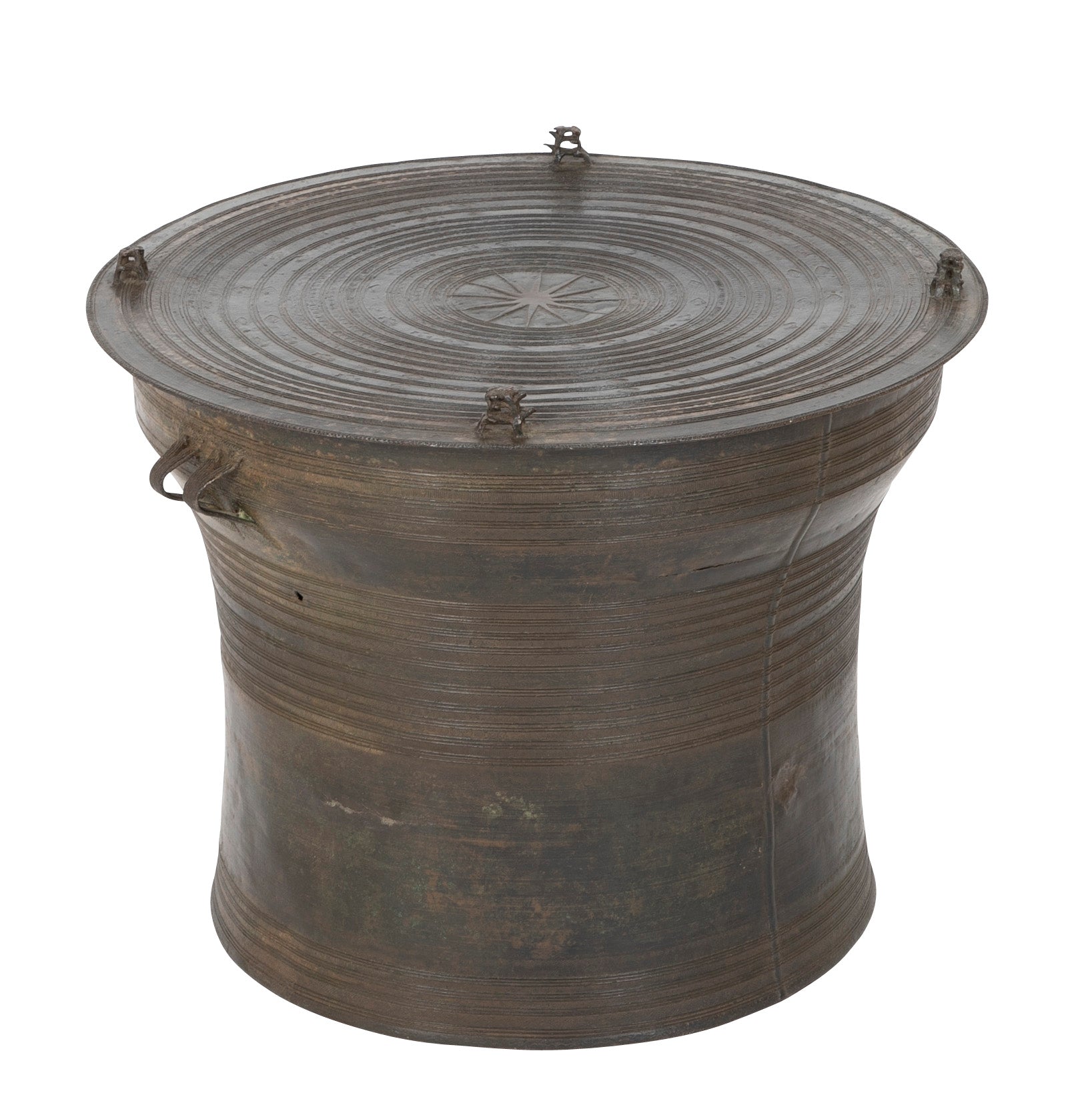
A rain drum is an object that creates sounds similar to rainfall. In most cases, it is a metal percussion instrument played with the hands or soft mallets. Some models are also made as outdoor water features, where falling drops strike a metal surface and create a gentle rain-like rhythm.
The phrase is not always used in one strict way. Unlike terms such as “snare drum” or “steel tongue drum,” rain drum does not have one universal design or technical standard. Its meaning often depends on the seller, maker, or musical tradition.
A rain drum may include:
• A hollow metal body
• Tuned tongues or notes cut into the surface
• A rounded bowl or tank shape
• A smooth, resonant playing surface
• A water basin or rain-catching design
• Soft tones that resemble drops, streams, or distant thunder
The key idea is simple: a rain drum uses shape, vibration, or falling water to produce a soothing rain sound.
Some rain drums are sold as meditation instruments. Others are used in sound therapy, home décor, outdoor gardens, classrooms, and informal music sessions. The sound can be quiet and warm, but the exact tone depends on the material, size, tuning, and playing method.
How Does a Rain Drum Work?
A musical rain drum works through vibration. When you tap the surface, the metal moves quickly. That movement pushes the surrounding air and creates sound waves.
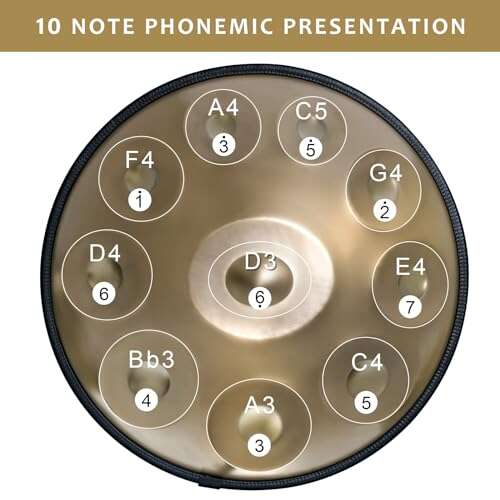
Many modern rain drums use a steel tongue drum design. In this design, narrow tongues are cut into the top of a metal shell. Each tongue has a different length, width, or thickness. These changes affect its pitch.
When one tongue vibrates, the hollow body acts like a sound chamber. It makes the note louder and gives it a rounded tone. This is similar to how the wooden body of a guitar helps amplify the vibration of its strings.
A water-based rain drum works in a different way. Rainwater or a small pump sends drops onto metal, stone, or a stretched surface. Each drop creates a small impact. Many drops together form a soft, irregular rhythm.
The sound may change with:
• Drop size
• Water flow
• Surface material
• Drum shape
• Wind speed
• Water depth
• Location and surrounding walls
This explains why two rain drums can look alike but sound very different. A thin steel body may create a bright tone, while a thicker shell may produce a deeper and longer-lasting note.
A rain drum does not usually produce the exact sound of a storm. Instead, it offers an artistic version of rainfall. Think of it as a musical sketch of rain rather than a recording of weather.

Types of Rain Drums
The name rain drum covers several related products. Knowing the main types can help you choose the right one.
Tuned steel rain drums
These are compact musical instruments with tuned sections on the top. You play them with your fingers, palms, or soft mallets.
They often have a pentatonic scale. A pentatonic scale uses five main notes and tends to sound pleasant even when the player has little musical training. This makes many rain drums easy for beginners.
Common uses include:
• Meditation
• Relaxation
• Yoga sessions
• Personal music
• Sound baths
• School music activities
Water rain drums
These are garden or patio features that use falling water to make sound. Some have a bowl, basin, or open metal chamber. Others include a small pump that recycles water.
A water rain drum may be placed near:
• A garden path
• A patio
• A pond
• A balcony
• A meditation space
• An outdoor seating area
The sound depends on the water design. A narrow stream may sound like a small brook, while many tiny drops may sound more like light rain.
Rain barrel drums
Some sellers use “rain drum” as a decorative name for a rain barrel. In this case, the main purpose is water collection, not music.
A rain barrel collects water from a roof or gutter. It can reduce runoff and provide water for gardens. It may look drum-shaped, but it is not usually a musical instrument.
Always read the product details before buying. A listing may use the words rain drum, rain barrel, steel drum, or tongue drum in ways that are not interchangeable.

What Does a Rain Drum Sound Like?
A rain drum usually creates a soft, mellow, and resonant sound. A tuned steel model may produce clear notes with a bell-like quality. A water model creates irregular taps, splashes, and trickles.
The tone can range from bright and delicate to deep and warm. Larger instruments often have more resonance, but size alone does not determine sound quality.
The playing method also matters. A light fingertip tap may create a gentle note. A soft mallet can make the sound louder and more sustained. A hard strike may create a sharp attack and can damage some instruments.
A rain drum may sound like:
• Light rainfall on a roof
• Drops falling into a pond
• Small bells
• A soft handpan
• Distant chimes
• A calm stream
The comparison to rain is often emotional rather than exact. People connect rain with rest, shelter, and quiet thought. That association may explain why rain drums are popular in relaxation spaces.
Room design also changes the sound. In a room with hard walls, notes may echo. In a room with rugs, curtains, and furniture, the tone may sound softer and shorter.

Benefits of Using a Rain Drum
A rain drum can offer creative, sensory, and practical benefits. It is not a medical treatment, but many people enjoy its calming sound as part of a relaxing routine.
Easy musical entry
Most tuned rain drums are simple to play. You do not need to read music to make a pleasant pattern. A beginner can tap one note at a time and gradually build a rhythm.
Support for relaxation
Slow, repeated sounds can help create a peaceful setting. Some people use a rain drum during breathing exercises, stretching, prayer, or quiet reading.
Research on music and relaxation suggests that gentle music may support lower stress and improved mood. However, results vary from person to person. A rain drum should support wellness habits, not replace professional care.
Sensory learning
Teachers may use simple percussion instruments to help children explore rhythm, touch, listening, and cause and effect. A child can tap the surface and immediately hear the result.
Outdoor atmosphere
A water rain drum can add sound and movement to a garden. The flowing water may attract attention, mask traffic noise, and make an outdoor area feel more alive.
Social music making
A rain drum works well in informal group settings. Players can take turns, create patterns, or combine it with shakers, frame drums, and singing bowls.
One practical lesson is to start with short sessions. Ten quiet minutes often feels better than playing loudly for an hour. The goal is a pleasant sound, not maximum volume.

Rain Drum vs. Similar Instruments
A rain drum is often confused with several other instruments. The differences are useful when you shop.
Rain drum vs. tongue drum
These terms may refer to nearly the same type of instrument. A tongue drum has cut-out sections that vibrate when struck. Some makers call their version a rain drum because of its soft, flowing tone.
Still, not every tongue drum is marketed as a rain drum. The name may describe the sound or design rather than a separate instrument family.
Rain drum vs. handpan
A handpan has a larger metal body with raised tone fields. It is played with the hands and often has a broad, airy sound.
A rain drum is usually smaller, simpler, and less expensive than a professional handpan. However, product quality varies widely, so the labels alone do not guarantee a specific sound.
Rain drum vs. rain stick
A rain stick is a long tube filled with small objects. When you tilt it, the objects fall through internal barriers and create a rainfall sound.
A rain drum is struck or uses falling water. A rain stick is rotated or tilted. Both create rain-like sounds, but they work through different physical designs.
Rain drum vs. steel drum
A traditional steel drum, also called a steelpan, has tuned areas formed in a metal pan. It is strongly linked to Trinidad and Tobago and is used for melodic performance.
A rain drum may also use steel, but it is usually designed for quiet solo playing, relaxation, or a rain-inspired sound. The terms should not be treated as exact synonyms.

How to Play a Musical Rain Drum
Playing a rain drum is simple, but a careful approach produces a better sound.
-
Place the instrument on a stable stand or your lap.
-
Sit in a relaxed position and keep your shoulders loose.
-
Tap one note with your fingertip or a soft mallet.
-
Let the note fade before striking again.
-
Try a slow pattern using two or three notes.
-
Change the force of each tap to explore volume and tone.
-
Record yourself if you want to study your rhythm.
Do not hit the drum as hard as possible. Most rain drums respond best to light, controlled strikes. Heavy force can create harsh sounds and may dent or weaken the surface.
Try playing near the center of a tongue, not directly on its cut edge. If the model has a painted finish, clean hands can help prevent oil buildup. Follow the maker’s care instructions, especially if the drum has a special coating.
A useful beginner pattern is:
• Tap a low note
• Pause for one breath
• Tap a middle note
• Tap a higher note
• Pause and repeat
There is no need to rush. A rain drum often sounds best when the spaces between notes are part of the music.
How to Choose the Best Rain Drum
The best rain drum depends on your purpose, space, and budget. Decide first whether you want a musical instrument, a water feature, or a rain barrel.
For a musical rain drum, check:
• Material: Steel is common, but thickness and finish affect tone.
• Tuning: A pentatonic scale is friendly for beginners.
• Number of notes: More notes offer more range but may increase confusion.
• Size: Larger bodies can provide deeper resonance, while small models are easier to carry.
• Included tools: Some sets include mallets, a bag, and a stand.
• Build quality: Look for clean tongue cuts, a stable base, and an even finish.
• Sound samples: Audio or video demonstrations are more useful than product photos.
For a water rain drum, check:
• Pump quality
• Water capacity
• Outdoor durability
• Drainage
• Power needs
• Splash control
• Ease of cleaning
• Winter storage needs
Avoid choosing only by appearance. A beautiful drum may have a weak tone, a noisy pump, or a finish that cannot handle outdoor weather.
If possible, listen to the exact model before buying. Instruments made by hand can have small differences in pitch and resonance. This is normal, but it makes a sound sample especially valuable.

Common Mistakes to Avoid
Many problems with a rain drum come from incorrect expectations or poor care.
Confusing the product type
A rain drum may mean an instrument, a garden feature, or a rain collection container. Check the description, dimensions, materials, and video before placing an order.
Expecting professional-grade sound at a low price
Affordable instruments can be enjoyable, but they may have uneven tuning or shorter sustain. A low-cost rain drum can be a good starter tool, yet it may not satisfy an experienced musician.
Using hard mallets
Hard sticks can damage the finish or make the instrument sound sharp. Use your fingers or the mallets recommended by the maker.
Leaving a musical drum outdoors
Even coated steel can rust when exposed to rain, salt air, and rapid temperature changes. Store a musical rain drum indoors unless it is specifically designed for outdoor use.
Ignoring water hygiene
A water rain drum can collect leaves, algae, and insects. Empty and clean the basin often. If it has a pump, inspect the filter and remove debris.
Making medical claims
A calming sound may help some people relax, but it cannot diagnose or treat anxiety, insomnia, pain, or other health conditions. Use it as a comfort tool, not as a substitute for qualified medical advice.
Care and Maintenance Tips
Proper care helps a rain drum keep its sound and appearance.
For a musical rain drum:
• Wipe it with a soft, dry cloth after use.
• Keep it away from damp rooms and direct sunlight.
• Store it in a padded case or bag.
• Avoid abrasive cleaners.
• Check for rust, dents, or loose parts.
• Do not place objects on the vibrating surface.
For a water rain drum:
• Remove leaves and dirt each week during heavy use.
• Clean the basin to reduce algae.
• Keep the pump free of grit.
• Use only the water treatment recommended for the product.
• Drain it before freezing weather.
• Protect electrical connections from water.
The care schedule depends on your climate. A dry indoor instrument may need very little maintenance. A garden feature in a humid area needs much more attention.
Where Is a Rain Drum Used?
A rain drum can fit many settings because it is quiet, portable, and easy to use.
Common locations include:
• Home meditation rooms
• Yoga studios
• Music classrooms
• Therapy and wellness spaces
• Gardens and patios
• Libraries and sensory rooms
• Community music groups
• Outdoor retreats
In a classroom, keep the activity structured. Let students take turns and set a volume limit. In a shared home, choose a time when the sound will not disturb others.
For outdoor use, place a water rain drum on a level surface. Keep it away from slippery walkways and electrical hazards. If children can reach it, make sure the design has no sharp edges, unstable parts, or unsafe wiring.
Frequently Asked Questions About What Is a Rain Drum
Is a rain drum the same as a rain stick?
No. A rain stick is a tube filled with small materials that create a rainfall sound when tilted. A rain drum is usually struck like a percussion instrument or uses falling water to make sound.
Is a rain drum easy for beginners to play?
Yes, most tuned rain drums are beginner-friendly. Instruments with a pentatonic scale are especially easy because many note combinations sound harmonious.
Can you leave a rain drum outside?
Only leave it outside if the maker designed it for outdoor use. Musical metal drums can rust or lose their finish, while water rain drums usually need weather protection and regular cleaning.
Does a rain drum really sound like rain?
It can create a soft, rain-inspired sound, but it does not perfectly copy natural rainfall. The final tone depends on the shape, material, tuning, water flow, and surrounding space.
Is a rain drum used for meditation?
Yes. Many people use a rain drum during meditation, breathing practice, yoga, or quiet reflection. Its sound may support relaxation, but it is not a medical treatment.
What is the difference between a rain drum and a steel tongue drum?
A steel tongue drum has cut sections, or tongues, that produce tuned notes when struck. Rain drum is often a marketing or descriptive name for a steel tongue drum with a soft, rain-like tone.
How much does a rain drum cost?
Prices vary based on size, tuning, materials, and craftsmanship. Simple beginner models cost less, while handmade or professionally tuned instruments can cost much more.
Conclusion
A rain drum is a rain-inspired sound maker that may be a tuned metal instrument, a flowing water feature, or, less commonly, a decorative rain barrel. Musical models create notes through vibrating steel, while water models use falling drops and flowing streams to build a natural rhythm.
Before buying, confirm what type of rain drum you are viewing, listen to a sound sample, check its materials, and consider where you will use it. With gentle playing and basic care, a rain drum can bring music, calm, and a small sense of nature into daily life. Explore a few models, compare their sounds, and share your favorite rain drum experience in the comments.

Senior Music Reviewer
Alex Carter is a seasoned music reviewer with over a decade of experience in the world of sound and instruments. Passionate about helping musicians and enthusiasts make informed choices, he brings sharp insights and in-depth knowledge to every review. From classical instruments to modern gear, Alex combines technical expertise with a love for music to deliver content that resonates with readers.
As a Senior Music Reviewer and expert author on Tuneluma.com, Alex is dedicated to sharing honest evaluations, practical advice, and thoughtful commentary to guide readers in their musical journey.