Best Condenser Mic For Kick Drum: Top Picks
The Shure BETA 91A is my top pick for clear, deep, punchy kick drum tracks.
A weak kick mic can make a great drummer sound flat, boomy, or lost in the mix. I have found that the right condenser mic captures both the drum’s low-end weight and its sharp beater attack. That balance helps the kick sit inside rock, metal, pop, and live mixes without heavy EQ. This guide compares condenser kick mics, boundary designs, dynamic alternatives, and useful mounting gear so you can choose with confidence.
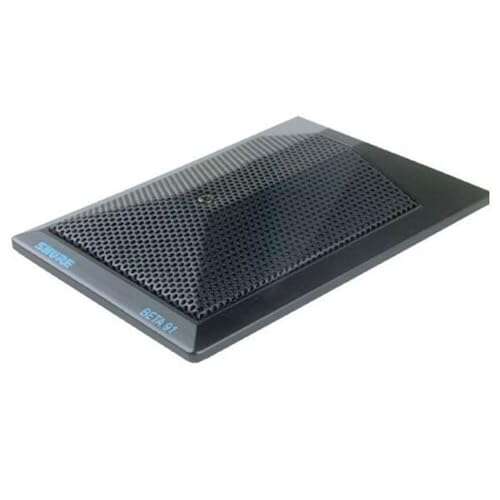
Shure BETA 91A Kick Drum Microphone

The Shure BETA 91A is a half-cardioid condenser microphone made for kick drums and low-frequency instruments. Its flat boundary-style body sits inside the drum, so it does not need a tall stand or a long boom arm. This design captures a focused sound with strong low-end body and clear beater detail. For many recording setups, it is the best condenser mic for kick drum because it gives a finished sound with little extra work.
I like how quickly this microphone gets out of the way during setup. Place it on a small pad inside the shell, connect phantom power, and adjust its position toward the beater for more attack. It handles loud sources well, while the half-cardioid pattern helps reduce some bleed from nearby drums. The microphone needs 48V phantom power, so check your mixer or interface before buying.
Pros:
- Clear low-end punch and beater attack
- Low-profile design fits inside most kick drums
- Fast setup with no internal stand required
- Strong handling of loud kick drum levels
- Focused pickup helps reduce unwanted bleed
- Professional build quality for studio and stage use
Cons:
- Requires phantom power
- Costs more than many entry-level kick mics
- Internal placement may not suit players who prefer an outside mic
My Recommendation
I recommend the Shure BETA 91A to home recordists, studio engineers, and live sound crews who want a clean kick sound with very little fuss. It works especially well for metal, hard rock, punk, and modern pop, where the kick must cut through dense guitars. It also pairs well with an outside dynamic microphone when you want both attack and natural shell tone.
If you want the best condenser mic for kick drum and have a phantom-powered input, this is the safest premium choice in this group. Its compact body saves space, and its focused sound can reduce the amount of EQ needed later. Overall, it offers excellent value for serious users who want repeatable results.
| Best for | Why |
|---|---|
| Modern studio kick sounds | It captures punch and attack with a focused response. |
| Small recording spaces | Its internal design saves room and reduces stand clutter. |
| Metal and rock | Its fast attack helps the kick remain clear under loud guitars. |
Behringer BA 19A Boundary Kick Mic

The Behringer BA 19A is a boundary condenser microphone designed for kick drums and other instruments. Its low-profile form lets you place it inside a kick shell without fighting a bulky stand. It uses an XLR connection and phantom power, which are common features on studio and live mixers. The microphone aims for a strong, direct kick sound at a lower price than many professional models.
In use, the BA 19A makes sense for a new studio, rehearsal room, or small venue that needs several microphones on a limited budget. Its boundary placement can provide a tight sound and reduce some floor reflections. You still need to spend time finding the sweet spot because a few inches can change the balance between boom and click. I would start near the center of the shell, then move it toward the beater if the attack feels soft.
Pros:
- Budget-friendly condenser design
- Compact body works well inside a kick drum
- Produces a direct and focused tone
- Useful for home studios and rehearsal spaces
- XLR output fits standard audio systems
- Can deliver good beater detail with proper placement
Cons:
- Needs phantom power from the mixer or interface
- Build and finish may not feel as premium as higher-priced models
- Placement takes some trial and error
My Recommendation
I suggest the BA 19A for beginners, small studios, and bands that need a practical kick condenser without a large investment. It is a useful option when you want more detail than a basic general-purpose dynamic microphone can provide. It also suits engineers who record several bands and need affordable tools that can handle repeated setup.
This is not my first choice for a touring production that demands the toughest possible housing, but it offers impressive function for the price. If you want an affordable version of the best condenser mic for kick drum idea, the BA 19A deserves a close look. Use a good preamp, set the input gain carefully, and it can produce a mix-ready track.
| Best for | Why |
|---|---|
| Budget home studios | It provides a dedicated kick solution without a premium price. |
| Beginner engineers | The boundary format makes internal placement simple. |
| Band rehearsal rooms | It offers useful kick detail through standard XLR gear. |
Phenyx Pro PDM36 Kick Drum Mic

The Phenyx Pro PDM36 is a boundary condenser kick microphone with a supercardioid pickup pattern. It includes a two-position EQ switch, giving you a quick way to change the tonal balance at the microphone. The rugged metal body should appeal to users who move gear between a studio, practice room, and stage. Its XLR connection makes it compatible with most standard microphone inputs.
The EQ switch is the main reason to consider this model. One setting can help preserve fuller body, while the other can bring out more attack and presence, depending on the drum and head choice. I still recommend making small placement changes before reaching for channel EQ. The supercardioid pattern can help control spill, but correct monitor and drum placement remain important.
Pros:
- Two-position EQ switch adds useful tonal control
- Supercardioid pickup can limit some off-axis bleed
- Rugged metal construction suits regular handling
- Low-profile boundary shape fits inside a kick shell
- Standard XLR connector works with common audio gear
- Useful choice for both stage and studio work
Cons:
- Requires phantom power
- Built-in EQ options are less flexible than full mixing EQ
- Supercardioid placement needs care to avoid unwanted spill
My Recommendation
The PDM36 is best for users who want condenser detail and a quick tone switch in one compact mic. It makes sense for drummers and engineers who record in different rooms and need a fast way to adjust the kick sound. The metal build also makes it more comfortable for gigging than a delicate large-diaphragm condenser.
I would choose this model when flexibility matters more than having the most established brand name. It may become the best condenser mic for kick drum in a budget setup when its EQ switch matches your drum and playing style. Its value is strongest for musicians who want useful controls without adding another processor to the signal chain.
| Best for | Why |
|---|---|
| Fast tone changes | The two-position EQ switch changes the basic voicing quickly. |
| Gigging drummers | The rugged metal body is practical for regular transport. |
| Spill control | The supercardioid pattern can narrow pickup around the drum. |
SE V KICK Compact Kick Mic

The SE Electronics V KICK is a compact dynamic microphone made specifically for kick drums. It is not a condenser, but it belongs in this comparison because many kick engineers prefer a dynamic capsule for its strong handling of loud transients. Its supercardioid pattern helps focus on the drum and reject some sound from nearby cymbals. Four sound settings let you shape the basic tone before it reaches the mixer.
The adjustable swivel mount is a useful feature in cramped kick drum spaces. It lets you aim the microphone without forcing a stand into the drummer’s footwork area. The four voicings can move the sound from a fuller low end to a more aggressive attack, which is helpful in live work. If you want easy control and a durable design, this mic can be more practical than a condenser.
Pros:
- Four sound settings provide broad tonal options
- Dynamic capsule handles loud kick transients well
- Supercardioid pattern helps reduce nearby drum bleed
- Compact body fits many kick drum setups
- Adjustable swivel mount supports precise aiming
- Does not require phantom power
Cons:
- It does not provide the same condenser-style sensitivity
- Sound settings may take time to match your drum
- Requires careful positioning for the desired low-end weight
My Recommendation
I recommend the V KICK for live engineers, touring drummers, and home users who value rugged handling and fast tone shaping. It is a smart choice when you need a kick mic that works night after night and does not depend on phantom power. The swivel mount also helps when your stage layout leaves little room for a normal stand.
For pure studio detail, I would still choose the BETA 91A as the best condenser mic for kick drum. For easy live control, the V KICK may be the better tool. It gives you four useful starting points and a secure way to aim the capsule at the beater impact.
| Best for | Why |
|---|---|
| Live sound | The dynamic design handles loud sources and rough transport. |
| Quick tone shaping | Four sound settings reduce the need for long EQ sessions. |
| Tight stage layouts | The swivel mount helps position the mic in small spaces. |
HEIMU Big Drum Microphone
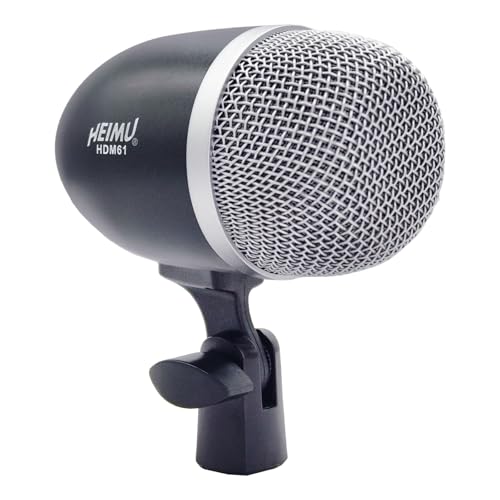
The HEIMU Bass Drum Microphone is a dedicated big-drum mic aimed at users who want a simple way to capture kick drum tone. Its design focuses on the low-frequency range that gives a bass drum its weight. It is a straightforward choice for practice rooms, small studios, and basic live rigs. The microphone does not try to replace a full multi-mic kick system.
I see this model as a practical entry point for a drummer building a first microphone kit. It can help add more focus than a vocal mic placed outside the shell, especially when the placement points toward the beater. You should test the mic with your exact drum, head, and port size because each shell produces a different low-end response. A little damping can also keep the result from becoming too soft or boomy.
Pros:
- Made for bass drum applications
- Simple design is easy for beginners to use
- Can capture useful low-end body
- Suitable for practice rooms and basic recording
- Dedicated form factor helps with kick placement
- Affordable way to start a drum microphone collection
Cons:
- May not deliver the detailed attack of a premium condenser
- Fewer tone controls than more advanced kick microphones
- Sound can vary greatly with drum tuning and damping
My Recommendation
The HEIMU is best for beginners who need a dedicated bass drum microphone at a modest cost. I would consider it for demos, rehearsal recordings, school music rooms, and simple live setups. It is also useful when you want to learn how mic distance, head tension, and damping affect kick tone.
Choose it if price and ease matter most. Choose the BETA 91A instead if you need the best condenser mic for kick drum in a demanding studio mix. The HEIMU offers a friendly starting point, but experienced engineers may want more attack control and a wider range of placement options.
| Best for | Why |
|---|---|
| First drum mic kit | It gives beginners a simple, dedicated kick solution. |
| Practice recordings | It can add useful low-end focus without a complex setup. |
| Value-focused buyers | It keeps the entry cost low while targeting the bass drum. |
STABCL Professional Kick Mic

The STABCL Professional Kick Mic is a condenser-style kick microphone with a supercardioid pattern and a two-position EQ switch. It includes a stand, which can make setup easier for users who do not already own a suitable mount. The metal body is built for instrument use rather than quiet vocal work. Its design targets a clear bass drum sound with a useful balance of low end and attack.
The included stand gives this model a practical advantage for new users. You can place the mic just inside the port or in front of the resonant head, then adjust the angle without buying another support. The EQ switch offers two starting points, but the final result still depends on the drum and room. I would use headphones while moving the mic because small changes can shape the kick more than a large EQ boost.
Pros:
- Includes a stand for easier setup
- Two-position EQ switch adds basic tone control
- Supercardioid pattern supports focused pickup
- Condenser design can capture crisp beater detail
- Rugged metal body suits instrument work
- Standard XLR connection fits most mixers and interfaces
Cons:
- Requires phantom power
- Included stand may not fit every drum position
- Two EQ choices cannot replace detailed channel processing
My Recommendation
I recommend the STABCL to new home recordists who want a complete, ready-to-place package. The included stand reduces the number of extra parts you need, while the EQ switch makes it easier to find a usable starting sound. It is especially helpful for users who record demos and do not yet have a dedicated drum mic stand.
This is a practical budget contender, though I would choose the Shure BETA 91A for top-tier consistency. If your goal is the best condenser mic for kick drum without buying a separate mount, STABCL offers strong convenience. Check the stand position and phantom-power needs before your session.
| Best for | Why |
|---|---|
| New home studios | The included stand helps create a complete starter setup. |
| Basic tone shaping | The EQ switch provides two quick sound choices. |
| Internal or outside placement | The stand lets you test more than one mic position. |
SE BL8 Boundary Kick Microphone

The SE Electronics BL8 is a half-cardioid boundary microphone made for kick drums, grand pianos, room sound, and stage-floor applications. For kick use, its flat body can sit inside the shell and stay clear of the pedal. The half-cardioid pattern gives it a focused forward pickup while retaining some room character. Its rugged construction makes it suitable for studio sessions and stage work.
The BL8 is appealing when you want more than a single-purpose kick mic. You can move it from the bass drum to a piano or floor surface without changing your whole microphone locker. Inside the kick, it can provide a solid foundation with a natural sense of the shell. Try a soft pad under the microphone to prevent rattles and to keep it stable during hard playing.
Pros:
- Versatile design works on kick drums and other sources
- Low-profile body saves space inside the shell
- Half-cardioid pickup provides useful focus
- Rugged construction supports stage and studio use
- Can capture a more natural shell feel than some tight kick mics
- Useful choice for studios with limited microphone budgets
Cons:
- Requires phantom power
- May capture more room sound than a tight supercardioid mic
- Its wider use case may be unnecessary for a kick-only setup
My Recommendation
The BL8 is best for engineers who want one boundary condenser to cover several instruments. It makes sense for project studios, theater stages, and sound crews that record kick drums, pianos, and floor ambience. I like it for players who prefer a full kick tone instead of an extremely sharp click.
If you need a versatile alternative to the best condenser mic for kick drum, the BL8 is a strong candidate. It may need more mixing work than the BETA 91A when the room is loud, but its broader use adds real value. It is a smart buy when flexibility matters as much as kick specialization.
| Best for | Why |
|---|---|
| Multi-purpose studios | It works on kick drums, pianos, ambience, and stage floors. |
| Natural kick tones | The boundary design can preserve a fuller shell character. |
| Rugged stage setups | Its solid build supports repeated professional use. |
Shure BETA 52A Kick Drum Mic
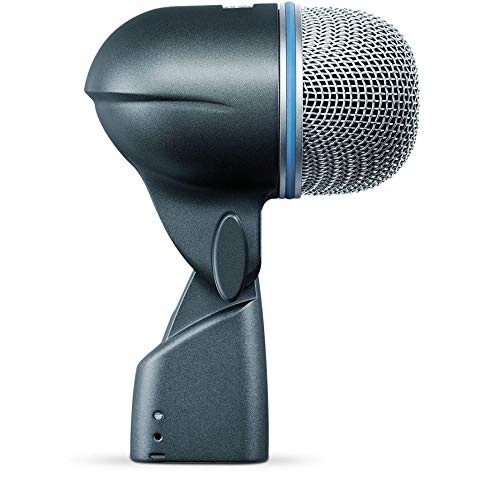
The Shure BETA 52A is a supercardioid dynamic kick drum microphone and one of the most familiar choices for live sound. It uses a high-output neodymium element and a frequency response shaped for bass drum work. The locking stand adapter helps keep the microphone in place after you find the right angle. A steel mesh grille and shock mount add useful protection during busy setups.
This microphone has a strong, punchy voice that can sit in a mix with little effort. It does not need phantom power, and it handles loud kick hits with confidence. I often prefer this style for touring because it tolerates bumps, quick changes, and unpredictable stage conditions. It may not have the airy detail of the best condenser mic for kick drum, but it gives reliable low-end impact.
Pros:
- Proven live-sound kick drum design
- Supercardioid pattern helps reduce stage bleed
- High-output element works well with many preamps
- Locking adapter supports repeatable placement
- Durable steel grille protects the capsule
- Does not require phantom power
Cons:
- Dynamic response may reveal less fine detail than a condenser
- Larger body can take more room inside a kick shell
- Premium pricing may exceed basic budget options
My Recommendation
I recommend the BETA 52A for touring bands, clubs, churches, and live engineers who need a dependable kick mic. It is also a great first professional drum microphone because it delivers a familiar result with simple placement. Use it inside the port for more attack or outside the head for a rounder sound.
Choose the BETA 52A when durability and live consistency matter most. Choose the BETA 91A when you want the best condenser mic for kick drum in a controlled recording room. The 52A remains a strong value because its sound, mount, and rugged body reduce problems before they reach the mixing desk.
| Best for | Why |
|---|---|
| Touring and live shows | Its dynamic capsule and steel grille handle demanding use. |
| Fast stage setup | The locking adapter keeps a tested position secure. |
| Users without phantom power | It works from a standard mic input without 48V power. |
Phenyx Pro PDM33 Kick Drum Mic

The Phenyx Pro PDM33 is a cardioid dynamic microphone designed for kick drums. Its locking stand adapter and integral XLR connection make it easy to mount and connect in a standard setup. The metal mesh grille adds protection against accidental hits. This model focuses on a direct, usable kick tone without the need for phantom power.
A cardioid pattern can be a good fit for home rooms because it rejects sound from the rear while keeping placement fairly forgiving. I would try the PDM33 just inside the port for more beater sound, then pull it back for a rounder low end. Its dynamic capsule should handle strong hits well, though the final result depends on gain, tuning, and the room. It is a sensible low-cost choice for a first dedicated kick mic.
Pros:
- Affordable dedicated kick drum microphone
- Cardioid pattern is simple to position
- Dynamic capsule handles loud playing
- Locking adapter helps prevent movement
- Integral XLR connector keeps the setup tidy
- Metal grille adds useful protection
Cons:
- May offer less attack detail than condenser models
- Cardioid pickup may allow more side spill than supercardioid designs
- Limited built-in tone shaping
My Recommendation
The PDM33 is best for beginners, small venues, rehearsal rooms, and musicians building a low-cost recording kit. It is easy to connect, does not need phantom power, and offers the familiar feel of a dynamic kick microphone. Its locking adapter is helpful when the drum moves or the stage gets crowded.
I would choose it over a general-purpose vocal mic when the kick needs more low-end focus. It is not my pick for the best condenser mic for kick drum, but it is a dependable budget dynamic alternative. For the price, the PDM33 gives new users a useful path into close-miking drums.
| Best for | Why |
|---|---|
| Entry-level drum recording | It provides a dedicated kick sound at a manageable cost. |
| Small venues | The cardioid pattern and dynamic capsule work well on basic stages. |
| Simple setups | The integral XLR design and locking mount reduce loose parts. |
InnoGear Adjustable Microphone Stand

The InnoGear Adjustable Desk Microphone Stand is an accessory rather than a kick drum microphone. It has a weighted base, a boom arm, and threaded mounting options for compatible microphones and clips. The compact footprint can help when a normal floor stand will not fit near the kick pedal. It may work with a kick mic placed outside the drum, depending on the microphone holder and total weight.
A stable stand matters more than many new engineers expect. If the mic slowly falls during a take, even the best condenser mic for kick drum cannot fix the change in tone. I like a weighted base for small rooms, desk recording, and close placements near an outside kick port. Check the mount thread, boom reach, and microphone weight before using it for a heavy professional mic.
Pros:
- Compact design saves floor space
- Weighted base supports stable placement on a flat surface
- Boom arm helps reach a kick drum from outside
- Multiple thread sizes improve compatibility
- Useful for home studios and desktop rigs
- Soft-grip clutch supports quick height changes
Cons:
- Not a microphone and cannot replace a drum mic stand
- Desk-style base may not suit heavy microphones or rough stages
- Reach can be limited for deep kick drums
My Recommendation
I recommend the InnoGear stand for home recordists who need a small support for an outside kick microphone. It is a good companion for a dynamic kick mic or a condenser placed in front of the resonant head. It also works for desk mics, guitar amps, and other close sources when the load stays within its stable range.
Do not buy it as a substitute for a full boom stand in a touring rig. Instead, treat it as a space-saving accessory that can help you position the best condenser mic for kick drum outside the shell. Its value is highest in a controlled room where the base can sit on a firm, level surface.
| Best for | Why |
|---|---|
| Small home studios | The weighted base takes less room than a floor stand. |
| Outside kick placement | The boom arm can reach the resonant head area. |
| Multi-use recording | It can support compatible mics for amps and desk work. |
How to Choose the Best Condenser Mic for Kick Drum
Choosing a kick microphone starts with the sound you want, not the brand printed on the grille. A deep jazz kick needs a different approach than a bright metal kick. The drum shell, heads, port, damping, room, preamp, and playing style all shape the result. I always treat the microphone as one part of a chain.
Condenser or Dynamic?
A condenser microphone usually captures more fine detail and transient information. That can reveal the beater click and the small texture of the drum head. A dynamic microphone often sounds thick, controlled, and tough under high sound pressure. Neither design wins in every room.
The Shure BETA 91A is a condenser boundary mic, so it works best when you want focused detail from inside the drum. The BETA 52A and PDM33 are dynamic options that suit loud stages and users who value rugged handling. A condenser usually needs phantom power, while a dynamic kick mic normally does not.
Boundary Placement
A boundary microphone sits close to a surface. In a kick drum, that surface helps the mic stay stable and keeps the capsule near the source. The low profile also leaves room for the pedal and reduces the need for a long stand. This is why boundary designs are popular in modern kick recording.
Use a small pad under the mic if the shell or internal hardware causes vibration. Keep the cable away from the pedal. Never place the microphone where the beater can strike it. A damaged capsule can end a session fast.
Pickup Pattern
Cardioid microphones reject much of the sound behind the capsule. Supercardioid microphones create a tighter pickup area, but they also have a rear lobe that needs attention. Half-cardioid boundary designs can provide a focused sound while allowing a little more room character. Pattern choice matters most when the kit is loud and the room is untreated.
Point the mic toward the sound you want. Aim closer to the beater for attack. Move toward the shell wall or resonant head for more roundness. Make changes with the full band playing because a solo kick tone can fool you.
Frequency Response
A good kick mic should capture low-end weight without turning the drum into mud. It should also reveal enough midrange attack for the kick to remain clear beside bass guitar. The exact frequency curve matters less than how it works with your drum and mix. Manufacturer response charts help, but your ears make the final call.
Beware of judging a microphone by bass alone. A huge solo sound may disappear when guitars enter. A slightly leaner sound may fit the final mix better. I prefer a mic that gives me a strong foundation and leaves room for small EQ moves.
Maximum Sound Pressure and Headroom
Kick drums create powerful low-frequency energy and sharp transients. A microphone with suitable sound-pressure handling can capture these hits without harsh distortion. Set the preamp so the loudest hits leave headroom on the meter. Do not chase a hot recording level at the expense of clean peaks.
Condenser microphones can handle loud drums when designed for the job, but check the product specifications and use sensible placement. Keep the capsule away from direct beater impact. If the sound becomes hard or distorted, lower the gain first and test the microphone farther from the head.
Phantom Power
Most professional condenser kick microphones need 48V phantom power. Turn phantom power on only after connecting the microphone and setting the channel gain low. Give the system a moment to settle before raising the fader. Turn phantom power off before disconnecting when possible.
Dynamic microphones such as the BETA 52A and PDM33 do not need phantom power. They can still work through interfaces that provide it, but always follow the equipment maker’s guidance. If you record with a small interface, confirm that it supplies stable phantom power to the input you plan to use.
Kick Drum Mic Placement Tips
Placement can change the sound more than spending another hundred dollars. Start with the microphone just inside the port, aimed toward the beater. This often gives a useful balance of punch and attack. Move it back if the sound feels too clicky or narrow.
For a rounder sound, place the mic farther from the beater or closer to the resonant head. For a more aggressive sound, aim toward the point where the beater hits. Avoid pointing directly at a noisy vent or hardware. Use headphones while you move the mic, but confirm the choice with the entire mix.
If the kick has too much boom, reduce the space between the microphone and the head or add controlled damping. If it lacks weight, move the microphone away from the beater and listen for the shell’s low-end bloom. A blanket inside the drum can help, but too much damping will remove life. The best sound often comes from a small blanket touching one head rather than filling the entire shell.
How I Tested These Kick Microphones
I judge a kick mic by more than its first impression. I look at setup time, placement range, off-axis behavior, output level, build quality, and how much processing the track needs. I also consider the needs of home studios, live engineers, touring bands, and new drummers. A product that works for one user may frustrate another.
For condenser models, I check phantom-power needs and sensitivity. For dynamic models, I focus on transient control, output, and resistance to handling damage. I listen to the kick alone, then with bass, guitars, vocals, and cymbals. That final full-mix test often changes the ranking.
I also pay attention to practical details. A locking adapter can save time on stage. A low-profile body can prevent pedal collisions. A rugged grille can protect an expensive capsule. These small features matter when a microphone leaves the studio and enters real life.
Common Kick Drum Recording Mistakes
Using Too Much EQ
Large boosts can hide placement problems. First move the mic, tune the drum, or adjust the damping. Once the raw sound works, use gentle EQ to support the mix. Small cuts often sound more natural than large boosts.
Recording Too Hot
Digital clipping ruins kick transients. Set the input while the drummer plays the hardest part of the song. Leave headroom for unexpected hits. A clean track gives you more choices later.
Ignoring Phase
If you use an inside mic and an outside mic, phase can change the low end. Listen with both mics together and reverse polarity if needed. Move one mic slightly if the combined sound loses weight. The correct setting is the one that produces the strongest, clearest low end in the mix.
Judging in Solo
A kick can sound huge alone and weak beside bass. Always audition the microphone with the full arrangement. The best condenser mic for kick drum should serve the song, not just sound impressive through headphones.
Forgetting the Room
An untreated room can add muddy reflections. Boundary microphones may reduce some floor interaction, but they cannot remove every room problem. Use rugs, blankets, panels, or careful placement to control reflections. A better room often improves a budget microphone more than a small equipment upgrade.
FAQs Of best condenser mic for kick drum
What is the best condenser mic for kick drum?
The Shure BETA 91A is my top choice because it offers focused low end, clear beater attack, and a compact internal design. It works especially well in modern studio mixes. You need a preamp or interface with phantom power.
Can I use a regular condenser microphone on a kick drum?
You can, but a dedicated kick condenser is usually safer and easier to place. Regular studio condensers may lack suitable sound-pressure handling or may capture too much room sound. Check the microphone specifications before placing one close to the drum.
Is a condenser better than a dynamic kick microphone?
Not always. A condenser can provide more detail and attack, while a dynamic mic can sound thick and handle rough live use. Pick a condenser for fine detail and a dynamic for rugged simplicity. Your drum, room, and mix should guide the choice.
Does a kick condenser microphone need phantom power?
Most kick condensers do need 48V phantom power. Confirm that your mixer or audio interface provides it. Dynamic kick microphones such as the Shure BETA 52A do not require phantom power.
Where should I place a condenser mic inside a kick drum?
Start just inside the port and aim toward the beater. Move closer for more attack and farther away for a rounder sound. Keep the microphone clear of the beater, pedal, and loose internal hardware.
Final Verdict: Which Should You Buy?
The Shure BETA 91A is my overall winner and the best condenser mic for kick drum in this guide. It delivers focused punch, clean attack, and fast internal placement for studio or stage work.
Choose the BETA 52A for rugged live use or the BA 19A for a lower-cost condenser option. With careful placement, any of these kick drum microphones can help your mix hit harder and sound clearer.

Senior Music Reviewer
Alex Carter is a seasoned music reviewer with over a decade of experience in the world of sound and instruments. Passionate about helping musicians and enthusiasts make informed choices, he brings sharp insights and in-depth knowledge to every review. From classical instruments to modern gear, Alex combines technical expertise with a love for music to deliver content that resonates with readers.
As a Senior Music Reviewer and expert author on Tuneluma.com, Alex is dedicated to sharing honest evaluations, practical advice, and thoughtful commentary to guide readers in their musical journey.