How To Get Violin Students: Proven SEO Strategies
Build trust, show your value, and use local outreach to attract steady violin students.
Learning how to get violin students takes more than posting an ad and waiting. Parents and adult learners want a teacher who feels skilled, kind, reliable, and easy to contact. The strongest student base usually grows from a clear offer, visible proof, local relationships, and a lesson experience people want to recommend. This guide shares practical methods that work for private teachers, studio owners, and freelance violinists.

Define the students you want to teach
Before you market your violin lessons, decide who you want to serve. A clear audience helps you choose the right words, prices, locations, and marketing channels.
You may want to teach:
• Young beginners ages 5 to 8
• School-age students preparing for orchestra
• Teens who need audition support
• Adult beginners with busy schedules
• Advanced players preparing for exams or performances
• Students who prefer online violin lessons
• Families looking for group music classes
Trying to teach everyone can make your message feel vague. A parent may respond better to “fun violin lessons for children ages 6 to 12” than to “professional violin instruction for all levels.”
Your specialty does not need to be narrow forever. It simply gives people a clear reason to contact you today.
Create a simple student profile
Write down the needs of your ideal student. For example:
• A 9-year-old beginner who needs patient instruction
• A parent who wants lessons near home after school
• An adult who always wanted to learn violin
• A high school student who needs help with auditions
Then ask what this person values. Parents often care about safety, structure, progress, and communication. Adults may care about flexible scheduling, comfort, and playing songs they enjoy.
This step makes learning how to get violin students much easier. You are not speaking to a faceless crowd. You are helping one real type of learner solve one clear problem.

Build an offer that feels easy to choose
Many violin teachers describe their service with a simple phrase such as “private violin lessons.” That is accurate, but it does not show the full value of the experience.
A stronger offer explains what students receive and what they can expect. For example:
“Weekly beginner violin lessons for children ages 7 to 12, with simple practice plans, parent updates, and a studio recital each year.”
This offer answers several concerns at once. It explains the student level, lesson schedule, teaching style, and support system.
Your offer should include:
• Student age or skill level
• Lesson length
• In-person, online, or hybrid format
• Studio location or service area
• Price or starting price
• What the first lesson includes
• Cancellation and makeup policies
• A clear way to book or ask questions
Offer a low-risk first step
A trial lesson can help new students feel safe before they commit. You can call it an introductory lesson, consultation, or first lesson.
Use the session to:
- Learn about the student’s goals.
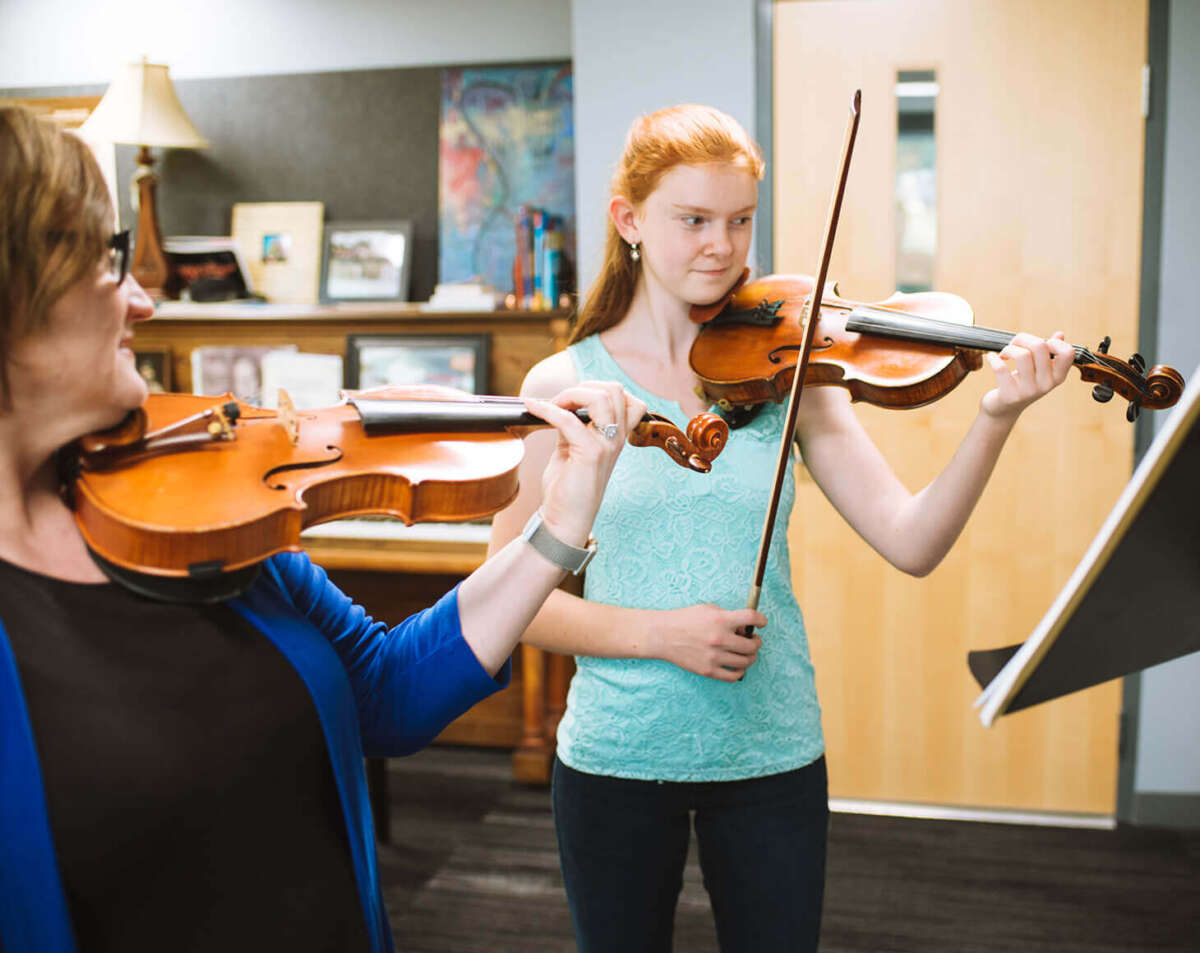
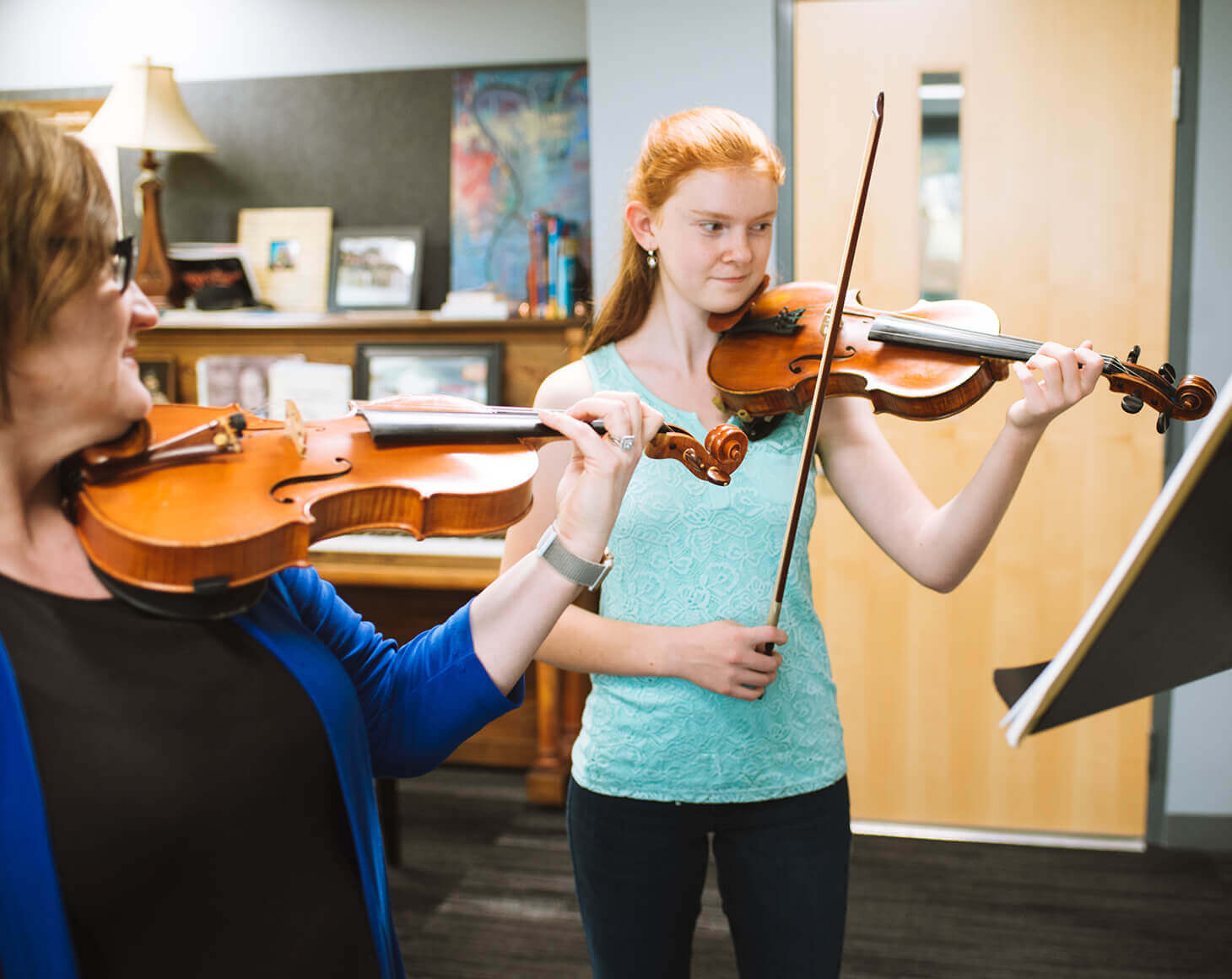
- Check posture, bow hold, and basic comfort.
- Play a short exercise together.
- Explain your teaching plan.
- Recommend the right lesson length.
- Answer questions from the student or parent.
Do not turn the trial into a hard sales pitch. A calm and useful first meeting often sells your teaching better than pressure does.
Be clear about whether the trial is free or paid. Free trials may attract more inquiries, but paid introductory lessons can reduce cancellations and show that your time has value.
Create a professional online presence
When people search for how to get violin students, they often focus on social media first. Social media can help, but your main goal is to make it easy for people to trust you and take action.
At minimum, create a simple website or landing page. It should answer the questions a new student has before contacting you.
Include:
• A friendly photo of you with your violin
• Your teaching background and training
• The students and levels you teach
• Your location and service area
• Lesson prices or a clear price range
• Testimonials or parent feedback
• A short video of your teaching or playing
• Frequently asked questions
• A contact form and phone or email option
Your website does not need complex design. It needs clear information, fast loading, mobile-friendly pages, and a visible booking button.
Use local search to reach nearby families
Set up a business profile on major local search platforms. Add your studio name, service area, hours, phone number, website, photos, and lesson categories.
Use natural phrases such as:
• Violin lessons in Austin
• Beginner violin teacher near me
• Private violin lessons for children
• Adult violin lessons in [your city]
Do not repeat the same phrase in every sentence. Search engines now look at the meaning and usefulness of a page, not only exact keywords.
Ask satisfied students or parents for honest reviews. Reviews can improve trust and local visibility, but never write fake reviews or offer rewards that break platform rules.
Share useful content
Helpful content can bring students to you over time. You could publish:
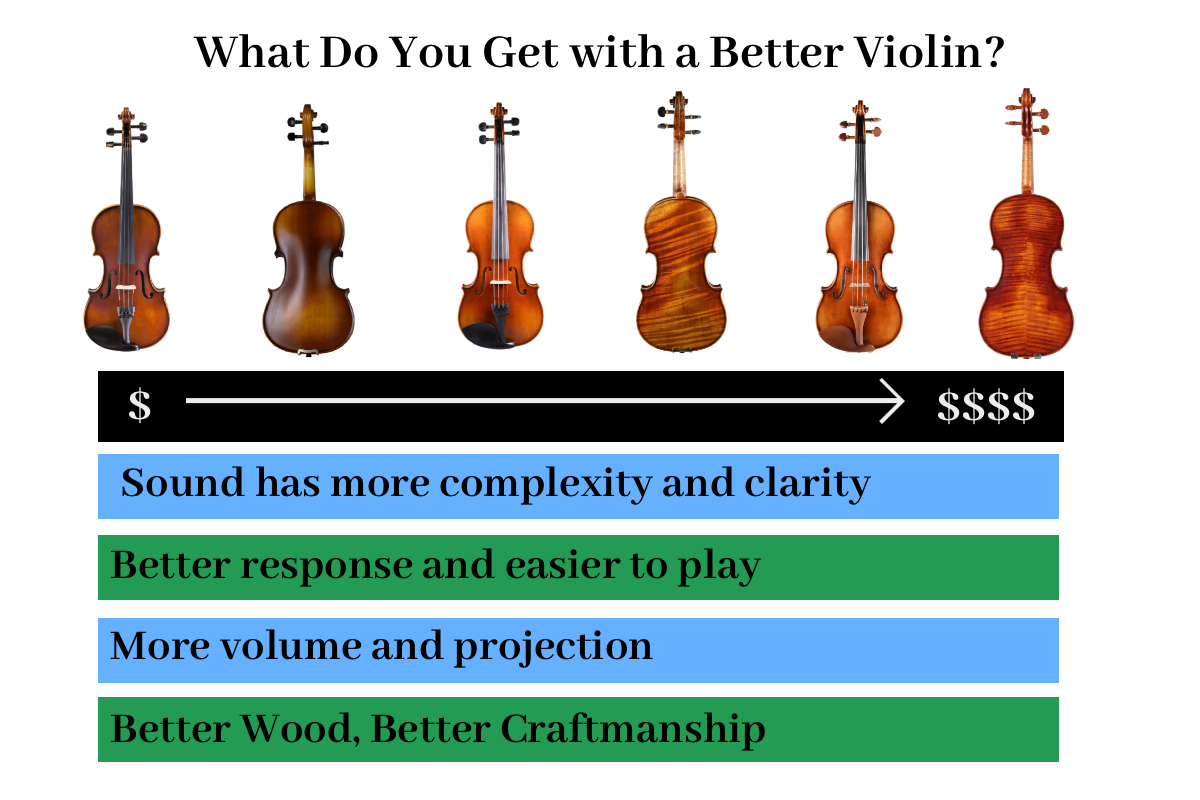
• How to choose a beginner violin
• What to expect in the first violin lesson
• How parents can support practice
• Easy violin practice tips
• Common bow hold mistakes
• How adults can learn violin after work
• How to prepare for a school orchestra audition
Short videos work well because people can see your teaching style. A 45-second video that explains one bowing tip may build more trust than a polished post that only says you have openings.
Use social media with a clear purpose
You do not need to post on every platform. Choose one or two places where your ideal students or parents spend time.
Instagram and TikTok can work well for short demonstrations. Facebook can help with local parent groups and community pages. YouTube is useful for longer lessons, demonstrations, and search traffic.
Each post should have a simple purpose:
• Teach one small skill
• Show your personality
• Answer a common question
• Display student progress with permission
• Explain your lesson process
• Invite people to contact you
A good content pattern is the “teach, show, invite” method:
- Teach one useful idea.
- Show how it sounds or looks.
- Invite viewers to book a consultation or ask a question.
For example, explain how to keep the right wrist relaxed. Demonstrate the movement. Then say, “If your child is beginning violin, message me to learn about current lesson times.”
Avoid posting private student information without written permission. For children, get permission from a parent or guardian. Some families may allow photos but not names, school details, or video.
Consistency matters more than perfection. One useful post each week is better than ten posts followed by two months of silence.
Build referral relationships in your community
Referrals are one of the most effective ways to get violin students because trust transfers from one person to another. A parent may ignore a random advertisement but contact you after another parent recommends you.
Build relationships with:
• School music teachers
• Orchestra directors
• Elementary schools
• Music stores
• Piano and voice teachers
• Community centers
• Churches and synagogues
• Homeschool groups
• Youth orchestras
• Libraries and arts organizations
Do not approach these groups only to ask for students. Offer something useful first. You might provide a free instrument care talk, a beginner workshop, or a short demonstration at a community event.
Music stores can also become strong referral partners. They often meet families who have just purchased an instrument and need a teacher. Leave a small, professional card or brochure if the store allows it.
Other teachers may refer students who need a different schedule, location, or teaching style. Build a trusted network rather than treating every teacher as a competitor.
Ask for referrals in a natural way
When a student is making good progress, say:
“I’m glad to see how much progress Maya has made. If you know another family looking for patient beginner violin lessons, I would be grateful if you shared my information.”
Make the request personal and specific. Give the family a short link or digital card they can forward.
You can also create a referral program, but keep it simple. A small lesson credit may be appropriate if local laws and platform policies allow it. Never make students feel responsible for bringing you business.

Partner with schools and local groups
Schools can be valuable sources of violin students, but contact rules vary. Some schools do not allow private businesses to advertise directly to families. Ask about their policy before leaving materials or sending messages.
You can offer value through:
• A short violin demonstration
• A beginner instrument workshop
• A practice skills session
• An after-school music club
• A family music night
• A performance for a community event
Prepare a short introduction that explains who you teach, where you teach, and how to contact you. Keep it warm and useful rather than sales-focused.
Local events also help people remember you. Consider performing or teaching at a library, art fair, cultural festival, or neighborhood gathering. Bring a simple sign with a QR code that links to your website or inquiry form.
These activities may not produce instant students. Their value often grows through repeated contact. People need to see you as part of the community before they feel ready to recommend you.
Make your first lesson memorable
Getting a violin student is only the first step. Keeping that student is what creates steady income and more referrals.
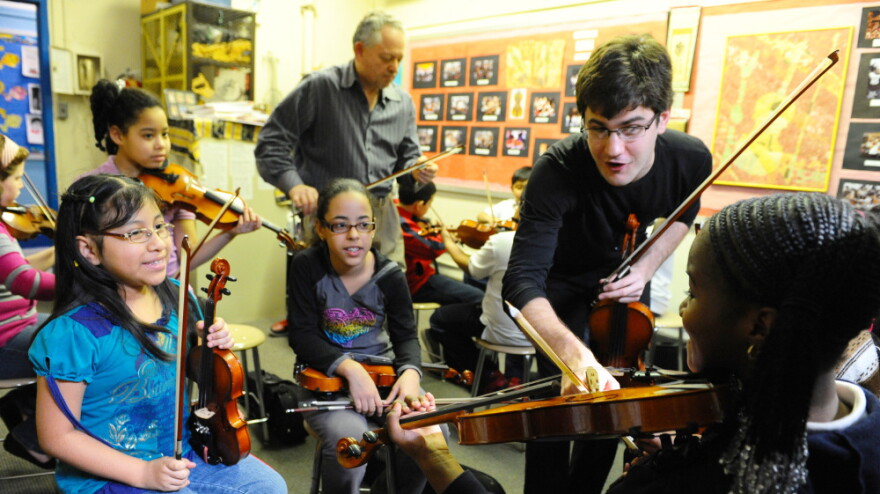
A first lesson should feel welcoming, organized, and achievable. Avoid giving a beginner too much information at once. The violin can feel difficult at first, so students need an early success.
A strong first lesson may include:
• Learning how to hold the instrument safely
• Exploring open-string sounds
• Learning a simple rhythm
• Playing a short musical pattern
• Setting one practice goal
• Celebrating a small improvement
For children, speak with the parent for a few minutes after the lesson. Explain what went well and give one clear practice task. Too many instructions can overwhelm a family.
For adults, respect their goals. Some want classical training. Others want folk music, movie themes, worship music, or a creative hobby. A flexible teacher can maintain good technique while helping students play music they care about.
Show progress in a visible way
Students stay motivated when they can see progress. Use a simple practice chart, monthly goal, recording, or studio performance.
You can track:
• Practice days
• New songs learned
• Improved rhythm
• Better posture
• Scales or exercises completed
• Performance confidence
Research on music learning consistently supports regular practice, useful feedback, and clear goals. The amount of practice varies by age and goal, but short, focused sessions are often more useful than rare, long sessions.
Set prices and policies with confidence
Your prices should reflect your training, experience, location, lesson format, preparation time, and business costs. Research local violin teachers so your rates fit the market, but do not copy another teacher’s price without understanding the service offered.
Common pricing formats include:
• Monthly tuition
• Four-lesson packages
• Semester enrollment
• Single lessons for advanced students
• Group class rates
• Online lesson packages
State your policies before enrollment. Include payment dates, cancellations, makeup lessons, holidays, late arrivals, communication, and instrument needs.
Clear policies protect both you and the student. They also make your studio look more professional.
Avoid competing only on low price. Low rates may attract inquiries, but they can also create problems with commitment and sustainability. Explain the value you provide, such as written practice plans, progress updates, recital opportunities, or flexible scheduling.
Follow up with every inquiry
Many teachers lose potential violin students because they reply too slowly or give unclear answers. A person who asks about lessons may contact several teachers at once.
Try to respond within one business day. Your message can be short:
“Thank you for reaching out. I would be happy to help your daughter begin violin. I teach beginner students on Tuesdays and Thursdays, and the monthly tuition is ____. Would you like to schedule a 20-minute introductory call?”
Answer the main questions directly. Then ask one or two useful questions:
• How old is the student?
• Has the student played an instrument before?
• Do you already have a violin?
• Are you looking for in-person or online lessons?
• What days work best?
If someone does not reply, send one polite follow-up after a few days. Do not send repeated messages or pressure the family.
Keep a simple record of inquiries. Note the contact date, student level, preferred schedule, and next step. This prevents good leads from getting lost.
Avoid common marketing mistakes
Learning how to get violin students also means learning what wastes time.
Avoid these common mistakes:
• Using a vague profile with no location or price information
• Posting only performance videos with no teaching content
• Relying on one source of students
• Waiting for referrals without asking for them
• Offering discounts that are hard to understand
• Taking poor-quality photos in a dark room
• Using long forms that discourage inquiries
• Ignoring parents after enrollment
• Promising fast results
• Accepting every student without checking fit
One of the biggest mistakes is copying the marketing style of a large music school. A private teacher has a different advantage: personal care. Show your warmth, teaching process, and understanding of real student needs.
Another mistake is trying to look perfect. Families often prefer a teacher who seems approachable and patient. Professional does not mean distant.
Measure what brings students
Use simple numbers to learn which methods work. You do not need advanced software.
Track:
• Where each inquiry came from
• How many people contacted you
• How many booked a trial lesson
• How many enrolled
• How long students stayed
• Which marketing costs produced results
For example, after three months you may find that local workshops bring fewer inquiries than social media, but those inquiries enroll more often. That information helps you spend your time wisely.
Ask new students how they found you. Add a short question to your inquiry form or ask during the first call.
Test one change at a time. You might change your website headline, add prices, or post a new type of video. Give the change enough time to produce useful information before judging it.
Marketing is not a single event. It is more like tuning a violin. Small adjustments can improve the result over time.
A practical 30-day plan
If you want to know how to get violin students without feeling overwhelmed, use this simple plan.
Week one: Improve your foundation
• Choose your main student group
• Write a clear lesson offer
• Update your website or profile
• Add prices, location, and contact details
• Create a short teacher introduction
Week two: Build trust
• Request honest reviews from suitable students
• Record two short teaching videos
• Write one helpful article or post
• Prepare a trial lesson plan
• Create a simple digital business card
Week three: Reach your community
• Contact local music stores
• Introduce yourself to music teachers
• Join useful community groups
• Ask current families for referrals
• Find one local event or workshop opportunity
Week four: Follow up and improve
• Review all inquiries
• Contact people who asked questions but did not enroll
• Check which posts received attention
• Improve one weak page or offer
• Set next month’s student enrollment goal
Focus on useful action, not busywork. Ten personal, thoughtful contacts may help more than hundreds of random messages.
Frequently Asked Questions About How to Get Violin Students
How can I get violin students with no teaching experience?
Start with beginner students and be honest about your training, strengths, and limits. Build trust through a clear lesson plan, strong preparation, testimonials from suitable clients, and partnerships with local music groups.
How do I get violin students online?
Create a simple website, offer online introductory calls, and post short teaching videos. Explain your camera setup, lesson platform, scheduling process, and the type of students who benefit from online instruction.
What is the best way to find local violin students?
Local search profiles, school relationships, music stores, community events, and parent referrals are strong options. Use your city or service area in your website content and make your contact details easy to find.
Should I offer free violin lessons to attract students?
A free consultation can reduce risk for new families, but a fully free lesson may attract people who are not ready to commit. A short paid or low-cost introductory lesson often protects your time while allowing families to experience your teaching.
How much should I charge for violin lessons?
Compare rates from teachers in your area and consider your training, experience, lesson length, travel, preparation, and business costs. Present your price clearly and explain what students receive rather than competing only on cost.
How do I keep violin students enrolled?
Set clear goals, show progress, communicate with parents, and make practice manageable. Recitals, recordings, new songs, and regular feedback can help students feel that their work has meaning.
How long does it take to get violin students?
The time varies by location, reputation, offer, availability, and marketing effort. Some teachers gain inquiries within weeks, while a stable studio may take several months of consistent outreach and excellent service.
Conclusion
The most reliable way to get violin students is to combine clear positioning, a trustworthy online presence, local relationships, helpful content, and excellent lessons. Choose the students you want to serve, explain your value in simple language, respond quickly, and create progress that families can see.
Do not wait for a perfect website or a large audience. Start with one clear offer, one local partnership, and one useful post this week. Keep improving your process, ask satisfied families for referrals, and let your teaching quality become the strongest part of your marketing.

Senior Music Reviewer
Alex Carter is a seasoned music reviewer with over a decade of experience in the world of sound and instruments. Passionate about helping musicians and enthusiasts make informed choices, he brings sharp insights and in-depth knowledge to every review. From classical instruments to modern gear, Alex combines technical expertise with a love for music to deliver content that resonates with readers.
As a Senior Music Reviewer and expert author on Tuneluma.com, Alex is dedicated to sharing honest evaluations, practical advice, and thoughtful commentary to guide readers in their musical journey.