Is Violin A Good Instrument To Learn: Beginner Guide
Yes, the violin is a good instrument to learn for patient students who enjoy challenge, music, and steady progress.
The violin can build focus, coordination, listening skills, and confidence while opening the door to classical, folk, jazz, bluegrass, and modern music. As a teacher and longtime observer of beginner practice, I have seen that success depends less on natural talent than on good guidance, a suitable instrument, and regular practice. This guide explains whether the violin is a good instrument to learn, what makes it difficult, who may enjoy it most, and how to begin without wasting time or money.
Is violin a good instrument to learn?
Yes, the violin is a good instrument to learn if you are willing to practice often and accept slow, steady progress. It offers a wide musical range and can become both a solo instrument and a powerful part of an ensemble.
Unlike a piano, the violin has no keys that show you exactly where each note is. You must place your fingers by ear and control the bow at the same time. This makes the early stage harder, but it also develops strong listening skills and fine control.
The violin suits many types of learners, including:
• Children who enjoy music and can follow short practice routines
• Teenagers who want to join an orchestra or string group
• Adults looking for a focused and creative hobby
• Singers who want to improve pitch and musical awareness
• Music students who want a flexible instrument for many styles
the answer to “is violin a good instrument to learn” depends on your goals. If you want instant sounds with little setup, the violin may feel frustrating. If you enjoy learning a skill step by step, it can be deeply rewarding.
Main benefits of learning violin
The violin offers more than musical entertainment. It trains several physical and mental skills at once, which is one reason families, schools, and music programs continue to value it.
It improves listening and pitch
The violin requires careful listening. Players must notice whether a note is sharp, flat, or in tune. Over time, this can improve pitch awareness and help musicians sing or play more accurately.
Beginners often think violin playing is mainly about moving the fingers. In reality, the ear guides nearly every movement. Your fingers learn to follow what you hear.
It builds coordination
A violinist uses both hands in different ways. The left hand changes pitch, while the right hand controls the bow. The player must also manage posture, timing, rhythm, and musical expression.
This type of coordination takes time. However, small improvements can feel very satisfying. Playing one clean scale or a short melody may feel like a major achievement during the first months.
It supports discipline and focus
Violin practice rewards regular effort. Ten to twenty focused minutes each day often helps more than one long session at the end of the week.
This lesson applies far beyond music. Students learn to break a large goal into small tasks, review mistakes, and keep going when progress feels slow.
It offers many music styles
The violin is not limited to concert halls. You can use it in:
• Classical music
• Bluegrass
• Country music
• Folk music
• Jazz
• Celtic music
• Pop and film music
• Worship music
• Rock and experimental music
This variety makes the violin a good instrument to learn for people with different musical tastes. You can begin with simple classical pieces and later explore the style that feels most natural.
It creates social opportunities
Many violinists play in orchestras, chamber groups, fiddle circles, school ensembles, or community bands. Group playing teaches timing and cooperation in a way that private practice cannot fully provide.
For some students, ensemble playing becomes the best reason to continue. It turns practice from a private task into a shared musical experience.
What makes the violin difficult for beginners?
The violin is rewarding, but it is not usually easy at the beginning. Understanding the challenges can help you prepare for them instead of treating normal problems as signs of failure.
The first sound may be unpleasant
A new violinist may produce squeaks, scratches, weak tones, or uneven sounds. This happens because the bow must move at the right speed, pressure, and angle.
Many beginners worry that they lack talent when their sound is rough. Usually, the issue is technique, not talent. A trained teacher can often correct the basic cause in a few lessons.
The instrument has no frets
A guitar has frets that mark many notes. A piano has keys with fixed pitches. A violin has neither. Your fingers must learn exact positions through muscle memory and listening.
This is one of the main reasons the violin takes patience. Small finger movements can change the pitch. Even experienced players continue to adjust their fingers while performing.
Posture matters
The violin rests between the shoulder and jaw. Poor posture can lead to tension in the neck, shoulder, wrist, or back. Holding the instrument should feel balanced rather than forced.
A good setup may include:
• A shoulder rest that fits your body
• A chin rest that feels comfortable
• A relaxed left hand
• A level wrist
• A bow arm that moves freely
Comfort is not a minor detail. It affects sound, learning speed, and your desire to practice.
Progress can feel uneven
You may improve quickly in one area and struggle in another. For example, your left-hand notes may become accurate while your bow sound remains weak.
This is normal. Violin learning is more like climbing a staircase than walking on a flat road. Some steps feel small, then a new skill suddenly becomes easier.
Good instruction is important
Self-teaching can help with basic information, but beginners often cannot see their own posture or hear every technical problem. Online videos may also show different methods that do not always agree.
A qualified teacher can help you:
• Hold the instrument correctly
• Tune the strings safely
• Choose suitable exercises
• Avoid harmful tension
• Build a realistic practice plan
• Fix mistakes before they become habits
Is violin harder to learn than other instruments?
The violin is often harder to start than piano, ukulele, or recorder because it requires you to create each note with your hands. Still, “harder” does not mean “better” or “worse.” It means the early learning curve is different.
Piano beginners can press a key and hear a correct pitch at once. Violin beginners must learn to control pitch and tone from the start. Guitar players benefit from frets, although chord shapes and finger strength can still be difficult.
A useful comparison looks like this:
• Piano: Easy to produce a clear note, but advanced music can become complex
• Guitar: Familiar shapes help beginners, but hand strength and rhythm take practice
• Ukulele: Small, friendly, and easy to start, but it has a different musical role
• Violin: Harder to produce a clean sound at first, but excellent for melody and expression
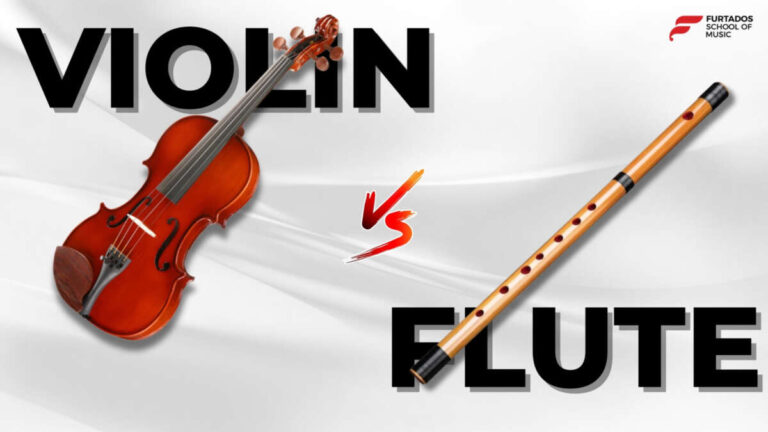
• Flute: Easy to carry, but breath control and finger patterns require regular work
The best instrument is the one you want to play often. Interest can overcome many technical challenges. A student who loves violin music may progress faster than a student who chooses an easier instrument without real motivation.
How long does it take to learn violin?
Most beginners can play simple melodies within a few months if they practice consistently. Playing with good tone, accurate pitch, and steady rhythm takes longer.
Your progress depends on:
• Your age and previous music experience
• The quality of your instruction
• The condition and setup of your violin
• Your practice habits
• The type of music you want to play
• Your ability to listen and correct mistakes
A practical beginner routine might look like this:
-
Spend two minutes setting up your posture and instrument.
-
Warm up with open-string bowing for three minutes.
-
Practice scales or finger patterns for five minutes.
-
Work on one short song for ten minutes.
-
End by playing something enjoyable for a few minutes.
This routine is short enough for busy adults and young learners. As your stamina grows, you can extend it to 30 or 45 minutes.
Do not measure progress only by how many songs you can play. Better bow control, cleaner notes, and less tension are also important signs of growth.
Is violin a good instrument to learn for adults?
The violin is a good instrument to learn as an adult. Adults often bring patience, clear goals, and strong listening skills to lessons. They may also understand how to organize practice more effectively than young beginners.
Adult learners do face real challenges. Work, family duties, and tiredness can reduce practice time. Some adults also feel embarrassed when their first sounds are rough. That feeling is understandable, but it should not control the decision to learn.
A good adult plan includes:
• Two or three lessons each month or each week, depending on budget
• Short daily practice sessions
• A clear list of exercises
• Music that matches your taste
• Regular recordings to track progress
• A teacher who understands adult learning
Many adult students make the mistake of comparing themselves with children who practice several hours each day. That comparison is unfair. Your goal may be enjoyment, stress relief, or playing a favorite song, not entering a competition.
In my experience helping beginners shape realistic music plans, the adults who continue are not always the most talented. They are usually the people who protect a small amount of practice time and accept imperfect early results.
Is violin a good instrument to learn for children?
The violin can be an excellent first instrument for children, especially when the child shows genuine interest. Young players may develop strong listening habits, rhythm skills, and comfort with group performance.
However, the choice should not be forced. A child who dislikes the instrument may begin to connect music with pressure. It is better to let the child hear violin music, attend a demonstration, or try a short lesson before buying equipment.
Parents can support progress by:
• Keeping practice sessions short and calm
• Praising effort instead of demanding perfection
• Using a teacher trained to work with children
• Checking that the instrument fits the child
• Attending lessons when appropriate
• Helping the child keep a simple practice routine
Young children may need a fractional violin, such as a 1/16, 1/10, 1/8, 1/4, 1/2, or 3/4 size. The correct size depends on arm length and body size, not age alone. A teacher or professional shop should help with fitting.

Choosing your first violin
Your first violin does not need to be expensive, but it should be playable and properly adjusted. A poor instrument can make learning much harder than it needs to be.
When choosing a beginner violin, check these features:
• The bridge should be correctly shaped and fitted.
• The strings should not sit uncomfortably high above the fingerboard.
• The tuning pegs should turn without slipping constantly.
• The sound should be clear enough for a teacher to assess.
• The instrument should not have cracks or loose parts.
• The bow should hold tension and use suitable bow hair.
Renting is often a smart choice for children because they may need a larger instrument later. Many rental programs allow you to exchange sizes as the student grows.
Adults may buy a student violin, but very cheap online instruments can create problems. A bargain price may hide poor construction, weak strings, or difficult tuning. A local violin shop can provide setup, repairs, and advice.
You will also need basic care items, such as:
• A case
• Rosin
• A cleaning cloth
• A tuner
• Spare strings
• A shoulder rest if needed
Never leave a violin in extreme heat or cold. Sudden temperature changes can damage the wood and affect the instrument’s tuning.
Common beginner mistakes to avoid
The answer to “is violin a good instrument to learn” becomes less positive when beginners use poor habits or unrealistic expectations. Fortunately, most early mistakes are easy to prevent.
Practicing only when motivated
Motivation changes from day to day. A simple routine works better than waiting to feel inspired.
Practice for ten minutes if that is all you have. Frequent contact with the instrument helps your hands remember what they learned.
Playing too fast
Many learners rush because they want to sound advanced. Speed hides mistakes and makes them harder to fix.
Practice slowly enough to hear every note. Increase the speed only when your posture, rhythm, and pitch remain stable.
Ignoring tension
Raised shoulders, tight fingers, and a stiff wrist can limit progress. Stop when you feel pain, then check your posture and ask a teacher for help.
Normal effort may cause mild fatigue. Sharp pain, numbness, or lasting discomfort deserves attention.
Skipping tuning
An out-of-tune violin can make correct playing feel wrong. Tune before practice with an electronic tuner or ask a teacher to show you how.
Beginners often struggle to tune by ear, so electronic help is useful. Over time, your ear will become more reliable.
Learning songs that are too difficult
A favorite song may be exciting but far beyond your current level. Use a simplified version or save the original for later.
Small wins build confidence. A short piece played well teaches more than a difficult piece played with tension and errors.
A practical beginner learning plan
A clear plan can make the first three months less confusing. The exact pace will vary, but the order below works well for many new players.
Month one: Build the basics
Focus on:
• Holding the violin and bow
• Relaxed posture
• Open-string bowing
• Basic rhythm
• Simple finger patterns
• Tuning and instrument care
The main goal is not to play a long song. It is to create a stable foundation.
Month two: Add simple melodies
Begin working on short songs with limited finger patterns. Practice one phrase at a time and use a slow pulse.
Record yourself once a week. A recording may reveal progress that you do not notice during daily practice.
Month three: Improve control
Add simple scales, longer melodies, and basic dynamics. Learn to play softly, loudly, smoothly, and with clear rhythm.
At this stage, many students benefit from playing with a teacher, backing track, or beginner ensemble. Musical timing becomes easier when you hear another part.
Who may not enjoy learning violin?
The violin may not be the best choice for everyone. You may prefer another instrument if you:
• Want immediate success with clear notes
• Dislike repeating small exercises
• Have no interest in melody or string music
• Cannot practice regularly at this stage
• Feel unable to manage an instrument that needs frequent tuning
• Prefer playing chords over single-note melodies
These points do not mean you cannot learn violin. They simply help you make an honest choice.
You should also consider your physical needs. Neck, shoulder, wrist, or hand problems may require adapted equipment and advice from a qualified health professional. Many people can still play with changes to posture or setup, but comfort should come first.
How to stay motivated while learning violin
Motivation grows when practice feels meaningful. Choose music that makes you want to pick up the instrument, even if the piece is above your current level.
Try these methods:
• Keep a practice journal.
• Record one short video each week.
• Celebrate small improvements.
• Play for a supportive friend.
• Join a beginner group.
• Switch between technical work and fun songs.
• Listen to skilled violinists for inspiration.
One useful method is the “favorite song reward.” Spend most of your session on exercises, then end with a simple part of a song you love. This gives practice a clear purpose.
Remember that progress is not always audible from one day to the next. Compare recordings from one month apart instead of judging yourself after every session.
Frequently Asked Questions About Is Violin a Good Instrument to Learn
Is violin a good instrument to learn as a complete beginner?
Yes, beginners can learn violin at any age with proper instruction and regular practice. The early stage may feel challenging because the instrument has no frets, but steady practice produces clear progress.
How many years does it take to learn violin?
Many students can play simple songs within a few months. Developing strong tone, reliable pitch, and confident performance often takes several years, depending on practice and instruction.
Is violin harder to learn than piano?
The violin is usually harder to start because players must create accurate pitch and tone themselves. Piano gives beginners clear notes at once, but advanced piano music also requires significant skill.
Can adults learn violin successfully?
Adults can learn violin successfully and often bring strong focus and clear goals. Short, regular practice sessions are more useful than rare, exhausting sessions.
How often should a beginner practice violin?
A beginner should aim for 10 to 30 minutes on most days. Consistency matters more than long sessions, especially during the first few months.
Is a cheap violin good for learning?
A low-cost violin can work if it is properly set up and easy to play. Extremely poor instruments may make tuning, bow control, and finger placement harder, so renting or buying from a reputable shop is often safer.
Do I need a violin teacher?
A teacher is not legally required, but guidance can prevent poor posture and bad technique. Even occasional lessons can help you correct problems that are difficult to notice on your own.
Conclusion
The violin is a good instrument to learn for students who enjoy expressive music and can commit to patient practice. It offers benefits in listening, coordination, focus, creativity, and social connection, but its early learning curve is real.
The best way to begin is to rent or buy a properly fitted violin, take a few lessons, and follow a short daily routine. Do not expect perfect sound right away. Treat each clean note, smooth bow stroke, and completed phrase as evidence that you are moving forward.
If the violin attracts you, give it a fair trial for several weeks. Explore beginner lessons, listen to different violin styles, and share your learning experience in the comments.

Senior Music Reviewer
Alex Carter is a seasoned music reviewer with over a decade of experience in the world of sound and instruments. Passionate about helping musicians and enthusiasts make informed choices, he brings sharp insights and in-depth knowledge to every review. From classical instruments to modern gear, Alex combines technical expertise with a love for music to deliver content that resonates with readers.
As a Senior Music Reviewer and expert author on Tuneluma.com, Alex is dedicated to sharing honest evaluations, practical advice, and thoughtful commentary to guide readers in their musical journey.