Adults can learn violin through steady practice, patient guidance, and simple goals that build skill over time.
Learning violin as an adult is both realistic and rewarding. You do not need childhood training, perfect hearing, or hours of free time. With the right violin, a skilled teacher, a steady practice plan, and clear expectations, you can play songs, read music, and build confident technique. This guide explains how to learn violin as an adult in a practical way, including what to buy, how to practice, which mistakes to avoid, and how to stay motivated.

Is It Possible to Learn Violin as an Adult?
Yes, adults can learn violin successfully. Adult learners often bring focus, patience, and a clear reason for starting. These strengths can make up for the advantage children may have with time and early exposure.
The violin may feel difficult at first because it has no frets. You must place each finger in the right spot while controlling the bow with your other hand. This can feel like learning two skills at once, but your hands and ears improve through repetition.
The first few weeks may sound rough. That is normal. A new violin often produces squeaks, scratchy tones, and uneven notes before your bow control develops.
In my experience, adult learners improve fastest when they stop expecting quick perfection. Treat each practice session as a small building block. A clean open-string sound today can lead to a simple melody a few weeks later.
Why Learn Violin as an Adult?
Learning violin can support musical, mental, and emotional well-being. It also gives you a creative activity that can grow with you for many years.
Here are some common reasons adults begin:
• They want to play classical, folk, country, bluegrass, or worship music.
• They enjoyed violin as a child and want to return to it.
• They want a meaningful hobby away from screens and work.
• They hope to play for family, friends, or community groups.
• They enjoy the challenge of learning a new skill.
• They want to understand music at a deeper level.
Playing an instrument also requires attention, memory, coordination, and listening. Research on music practice links these activities with cognitive engagement, although results vary by person and should not be treated as medical claims.
The emotional reward matters, too. Even playing one short tune can create a sense of progress. For many adults, violin becomes less about performance and more about having a quiet, focused part of the day.

Choose the Right Violin and Equipment
A good setup makes learning easier. A poor setup can cause pain, weak sound, and frustration even when your practice is strong.
You need more than the violin itself. A basic beginner setup includes:
• A correctly sized violin
• A bow with fresh bow hair
• Rosin
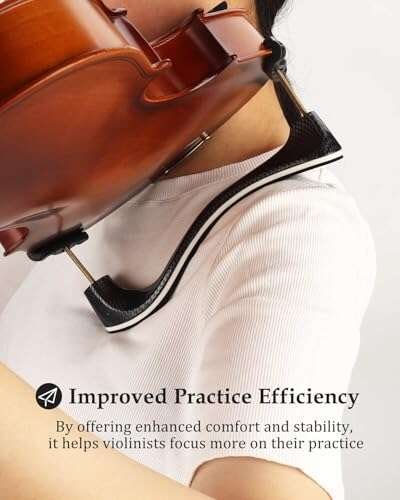
• A shoulder rest or another comfortable support
• A clip-on tuner
• A music stand
• A sturdy case
• An extra set of strings
For most adults, a full-size 4/4 violin is appropriate. If you have unusually small hands or physical limitations, ask a teacher or violin shop to check the size.
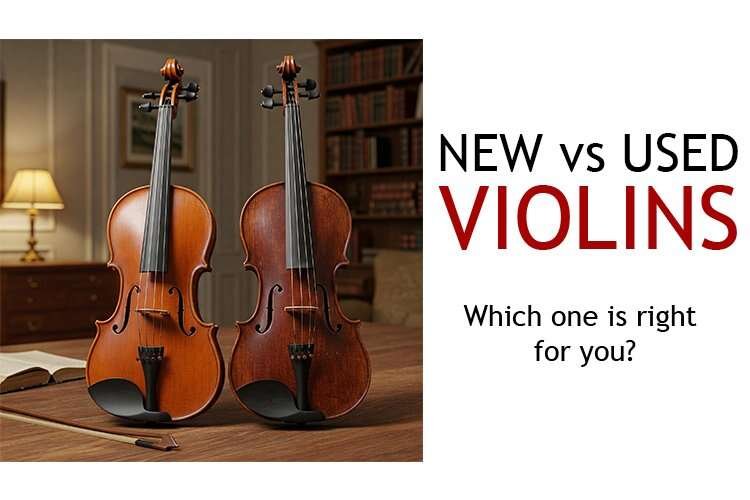
Avoid buying the cheapest unadjusted violin online. Some low-cost instruments have high strings, poor bridges, or stiff tuning pegs. These problems make basic tasks much harder. A reliable student violin from a respected shop is often a better choice than a very cheap package.
Renting can also be wise. Many violin shops offer rent-to-own plans. This lets you test the instrument before making a larger purchase.
A teacher or repair technician should check the bridge, strings, pegs, and soundpost. Small adjustments can change how the violin feels under your fingers.
Find a Good Adult Violin Teacher
A teacher can correct problems before they become habits. This is one of the most useful investments when learning violin as an adult.
Look for a teacher who:
• Has experience with adult beginners
• Explains posture in clear, simple language
• Teaches technique and songs together
• Gives practice tasks you can complete
• Welcomes questions
• Adjusts lessons to your goals
• Uses safe, relaxed playing habits
You can take lessons in person or online. In-person lessons make it easier for the teacher to check posture, bow angle, and hand shape. Online lessons offer convenience and may give you access to a specialist who does not live nearby.
Ask for a trial lesson if possible. Notice whether the teacher listens to your goals. A good lesson should challenge you without making you feel ashamed of mistakes.
One common mistake is choosing a teacher only because they are affordable. Price matters, but teaching style matters more. A teacher who helps you practice well may save you months of confusion.

Build the Correct Violin Posture
Good posture helps you play with less tension. It also protects your neck, shoulders, wrists, and back.
Stand or sit tall, but do not become stiff. Keep your shoulders low. The violin should rest between your jaw and shoulder, with support from your body rather than a tight grip.
Your left hand should remain flexible. Avoid squeezing the neck of the violin. Your thumb should stay soft and mobile, while your fingers curve naturally over the strings.
Your right arm controls the bow. The bow should move in a mostly straight path between the bridge and fingerboard. Keep the wrist flexible and let the elbow move as needed.
Use a mirror during practice. It can reveal:
• A raised shoulder
• A tilted violin
• A bent wrist
• A bow moving toward the fingerboard
• A collapsed finger shape
Pain is a warning, not proof that you are working hard. Stop if you feel sharp pain, numbness, or lasting discomfort. Mild tiredness is normal, but persistent pain deserves attention from your teacher or a health professional.
Learn the Basic Skills in the Right Order
A clear learning order prevents overload. Your first goal is not to play a fast song. Your first goal is to create a stable sound.
A useful sequence looks like this:
-
Learn how to hold the violin safely.
-
Learn how to hold and move the bow.
-
Practice open strings.
-
Learn simple left-hand finger patterns.
-
Read basic rhythm and notation.
-
Play short melodies.
-
Add scales and simple exercises.
-
Develop tone, timing, and musical expression.
Open-string practice may seem boring, but it teaches bow control. Use slow, even strokes. Listen for a steady tone rather than rushing through the exercise.
Next, learn finger patterns in easy keys such as D major, A major, and G major. These keys use open strings and are common in beginner music.
A tuner can help you check pitch, but do not depend on it for every note. Train your ear by listening before looking. Place a finger, play the note, and compare it with a trusted reference.
Create a Realistic Practice Routine
When learning violin as an adult, consistency is more important than occasional long sessions. Fifteen focused minutes can help more than two unfocused hours once a month.
Start with a routine that fits your life:
• Five minutes of posture and open strings
• Five minutes of finger patterns or scales
• Ten minutes of a song or lesson exercise
• Five minutes reviewing one problem area
If you have more time, add slow scale practice, sight-reading, or a second song. Do not increase practice time suddenly if your body feels tired.
Practice at the same time each day when possible. Some adults prefer before work. Others practice after dinner or during a quiet weekend morning.
Keep a simple practice log. Write down:
• How many minutes you practiced
• What you worked on
• What improved
• What felt difficult
• What to ask your teacher
This record helps you see progress that your memory may miss. It also makes the next session easier to begin.

Use Smart Practice Instead of Repetition Alone
Repeating a mistake does not always fix it. Slow, careful practice is more useful than playing a passage badly many times.
Try this method when a section feels difficult:
-
Isolate two to four notes.
-
Play them slowly.
-
Check the left-hand fingers.
-
Check the bow direction.
-
Repeat until the motion feels easier.
-
Add one note at a time.
-
Play the full phrase slowly.
You can also practice with different rhythms. For example, turn four equal notes into a long-short pattern, then reverse it. This can improve finger control and expose weak spots.
Record yourself once or twice a week. A phone recording can reveal timing problems, uneven bow pressure, or notes that sound less clear than they feel.
Use a metronome when you need a steady pulse. Start slowly. Speed should come from control, not from forcing your hands to move faster.
A useful rule is to finish each session with something you can play well. Ending on a positive note makes it easier to return tomorrow.
Learn to Read Music and Train Your Ear
You do not need advanced music theory to begin. Learn the symbols that help you play right away.
Start with:
• The names of the open strings: G, D, A, and E
• Basic note values
• Bar lines and time signatures
• Simple rests
• Key signatures
• Finger numbers
• Bowing marks
Reading music helps you learn new pieces without relying only on memory. Ear training helps you notice pitch, rhythm, and tone.
Both skills support each other. When you read a note, try to imagine its sound. When you hear a short melody, try to find it on the violin.
Some adults prefer video lessons or colored finger tapes. These tools can help at first, but they should not replace listening and reading. Finger tape is a temporary guide, not a permanent solution.
Ask your teacher when to remove it. Many learners benefit from removing one strip at a time as their hand and ear become more accurate.

Choose Beginner Violin Songs Carefully
The right song keeps practice enjoyable. The wrong song can create tension and disappointment.
Choose music with:
• A small range of notes
• Slow or moderate speed
• Simple rhythms
• Repeated patterns
• A key that fits beginner finger placement
Good early choices may include simple folk songs, children’s melodies, easy hymn tunes, and beginner versions of familiar film music. You can also explore simple fiddle or bluegrass tunes if those styles interest you.
Do not judge a song only by its title. A familiar melody may have difficult rhythm, fast shifts, or complex bowing. Use a simplified arrangement when needed.
Your goal is to play a complete piece with steady rhythm and a pleasant tone. A short song played well is more valuable than a difficult song played with strain.
Manage Common Adult Beginner Challenges
Adults often face challenges that children may not notice. Work, family duties, stress, and physical tension can all affect practice.
Limited time
Use small practice blocks. A violin can improve through focused sessions of 10 to 20 minutes. Keep the instrument ready so setup does not become a barrier.
Fear of sounding bad
Every beginner sounds rough at first. Think of early noise as part of the process, not a sign that you lack talent.
Use a practice mute if you need to reduce volume. It can help in an apartment, but do not use it for every session because it changes the instrument’s response.
Slow progress
Progress is rarely steady. You may improve quickly one week and feel stuck the next. Often, your brain is still organizing new movements beneath the surface.
Stiffness
Check your grip and shoulders. Many adult beginners use too much force because they believe pressure creates control. On violin, relaxed movement usually creates better control.
Comparing yourself with others
Online videos often show polished performances, not the years of work behind them. Compare your current playing with your playing from one month ago.
These challenges are normal. The solution is not to practice with anger. It is to make the task smaller and more specific.

Avoid These Common Mistakes
Learning violin as an adult becomes easier when you avoid habits that slow progress.
• Buying an instrument without professional setup
• Practicing only songs and ignoring technique
• Practicing only exercises and losing enjoyment
• Pressing the bow too hard
• Squeezing the violin with the jaw or shoulder
• Playing too fast
• Skipping rest days when your body feels sore
• Changing teachers or methods too often
• Using finger tape forever
• Expecting perfect sound after a few lessons
One mistake I often see is adult learners trying to repair every problem in one session. That approach creates mental overload. Choose one main goal, such as a straighter bow or cleaner first finger, and let small improvements build.
Another mistake is waiting to perform until everything feels perfect. Play for a trusted friend or record a short video. Small performances teach you how to stay calm and recover from mistakes.
Set Goals That Keep You Motivated
A goal should be clear and measurable. “Get better” is too broad. “Play a simple song from beginning to end by the end of the month” gives you direction.
Try goals such as:
• Practice four days each week
• Learn the open strings
• Play a D major scale with steady rhythm
• Perform one short song for a family member
• Attend a beginner group session
• Learn to tune with an electronic tuner
• Record one progress video each month
Use short-term and long-term goals together. A short-term goal keeps this week interesting. A long-term goal gives your effort meaning.
You might aim to join a community orchestra after one or two years. You might want to play Irish fiddle tunes, worship music, or classical pieces. Your goal affects the exercises and music you should choose.
There is no single correct path. The best path is the one you can follow with interest and patience.

Join a Community or Practice Group
Playing alone teaches control, but playing with others teaches listening. Group practice can improve timing and motivation.
Consider:
• Adult beginner classes
• Community orchestras
• Fiddle circles
• Chamber music groups
• Church music programs
• Online practice communities
Choose a group that welcomes beginners. Some orchestras require auditions or several years of experience, while others offer entry-level programs.
Playing with others may feel scary at first. Start by listening. Then play simple parts at a comfortable speed. Group music teaches you to keep going even when you make a small mistake.
This skill is important. In real music, recovering smoothly is often more valuable than stopping to correct every note.
How Long Does It Take to Learn Violin?
The answer depends on your practice time, instruction, instrument, goals, and natural coordination. There is no fixed timeline that applies to every adult.
With regular practice, many beginners can:
• Play open strings within the first few lessons
• Read simple notes within several weeks
• Play short melodies within a few months
• Build basic scales and bow control within the first year
• Join a suitable beginner group after developing steady rhythm
These are general ranges, not promises. Some learners progress faster, while others need more time because of work, health, or limited practice.
The best measure is functional progress. Can you produce a cleaner tone? Can you play a phrase with fewer stops? Can you hear when a note is out of tune? These signs show real learning.
When learning violin as an adult, patience is not passive. It is an active skill that lets you repeat useful movements until they become natural.

A Simple 12-Week Learning Plan
A short plan can give your practice structure.
Weeks 1 to 4
Focus on posture, bow hold, open strings, tuning, and simple rhythms. Practice making a smooth sound with the middle part of the bow.
Weeks 5 to 8
Add basic finger patterns on the A and D strings. Learn short melodies and begin reading simple notes. Keep the tempo slow.
Weeks 9 to 12
Practice scales, longer songs, simple dynamics, and playing without stopping. Record yourself and review one improvement point each week.
At the end of 12 weeks, choose a small performance goal. You might play for one person, attend a beginner group, or record a song for yourself.
The plan can change. If posture or bow control still feels difficult, spend more time on the basics. A strong foundation is never wasted.

Frequently Asked Questions About How to Learn Violin as an Adult
Can I learn violin without a teacher?
You can learn some basics through books and online videos, but a teacher can spot posture and technique problems early. Even one lesson every few weeks can provide useful direction and prevent poor habits.
How often should an adult practice violin?
Aim for four to six short sessions each week. Fifteen to 30 focused minutes is a useful starting point, but regular practice matters more than long sessions.
Is violin harder to learn than guitar?
Both instruments have challenges. Violin requires careful pitch control because it has no frets, while guitar often demands chord shapes and hand strength. Difficulty depends on your goals, body, musical background, and practice habits.
Do I need musical talent to learn violin as an adult?
You do not need special talent to begin. Listening, coordination, and confidence develop through guided practice, although people progress at different speeds.
Should I rent or buy a violin?
Renting is often a smart choice for a beginner because you can test the instrument before committing. If you buy, choose a properly adjusted student violin from a reliable shop.
Can I learn violin if I have small hands?
Many adults with small hands can play a full-size violin comfortably, but fit and posture matter. Ask a teacher or violin specialist to check the instrument and your left-hand position.
How can I make my violin sound better?
Start with a good setup, fresh strings, correct rosin use, and relaxed bow control. Most beginner tone problems come from bow angle, speed, or pressure rather than from a lack of expensive equipment.
Conclusion
Learning violin as an adult takes patience, but it does not require perfection, childhood training, or endless free time. Choose a reliable instrument, work with a supportive teacher, practice in short sessions, and build skills in a steady order.
Focus on relaxed posture, clean bow control, simple songs, and goals you can measure. Expect mistakes, because they are part of learning. Each careful practice session helps your hands, ears, and confidence work together.
Start with one small step today: schedule a trial lesson, rent a properly set-up violin, or practice open strings for ten minutes. Keep learning, share your progress, and explore more beginner violin resources as your musical journey grows.

Senior Music Reviewer
Alex Carter is a seasoned music reviewer with over a decade of experience in the world of sound and instruments. Passionate about helping musicians and enthusiasts make informed choices, he brings sharp insights and in-depth knowledge to every review. From classical instruments to modern gear, Alex combines technical expertise with a love for music to deliver content that resonates with readers.
As a Senior Music Reviewer and expert author on Tuneluma.com, Alex is dedicated to sharing honest evaluations, practical advice, and thoughtful commentary to guide readers in their musical journey.