Who Played The Guitar Solo In Beat It: The Answer
Eddie Van Halen played the electric guitar solo in Michael Jackson’s “Beat It.”
The answer to who played the guitar solo in Beat It is simple, but the story behind it is remarkable. Eddie Van Halen brought a hard-rock sound to a polished pop track, while producer Quincy Jones and guitarist Steve Lukather helped shape the song around that explosive performance. This guide explains how the solo happened, why it mattered, and what made it so memorable.
Who played the guitar solo in Beat It?
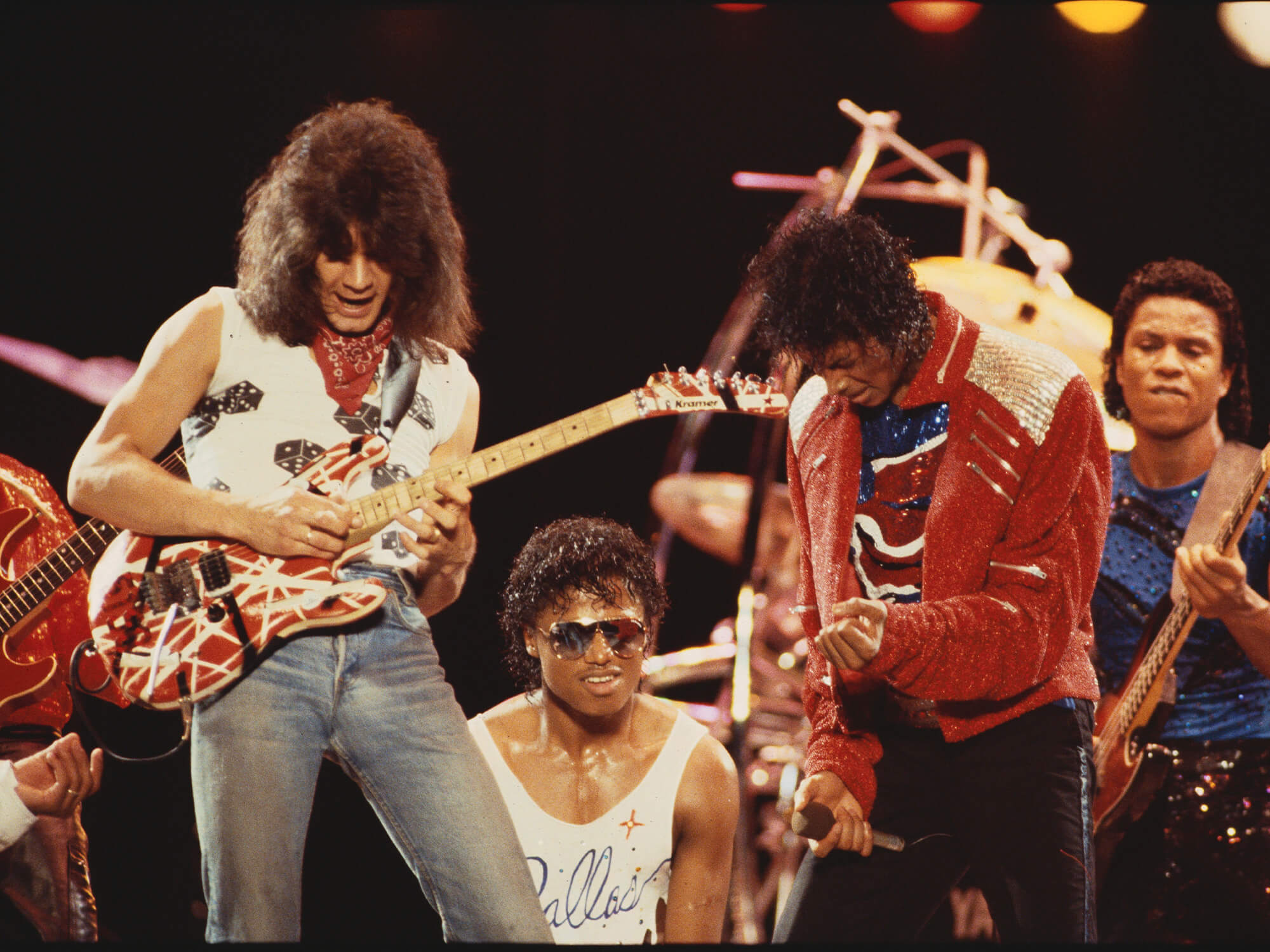
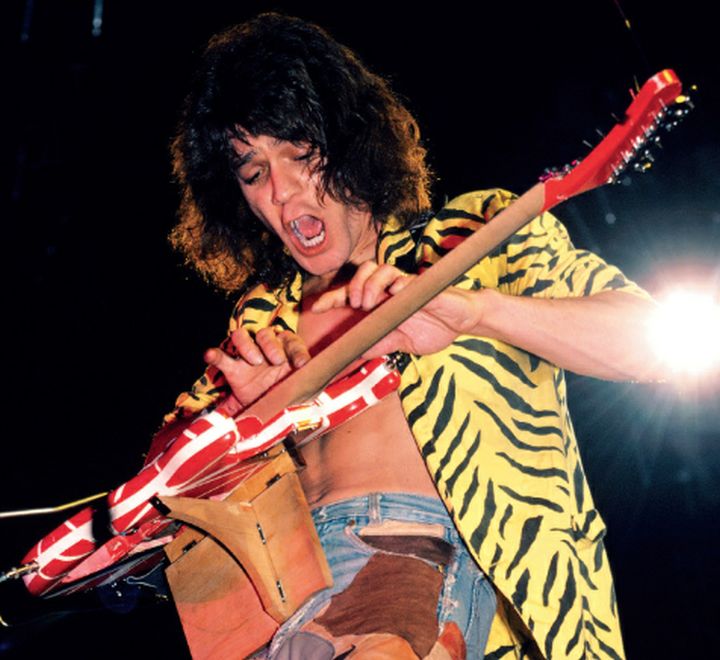
Eddie Van Halen played the guitar solo in Beat It. He was the lead guitarist of Van Halen and one of the most influential rock musicians of the 1970s and 1980s.
The solo appears in the middle of Michael Jackson’s 1982 hit. It arrives after the song’s tense verse and chorus sections, then breaks open with sharp bends, fast runs, and a bold rock tone.
The guitar solo was not performed by Michael Jackson. Jackson wrote Beat It and sang the lead vocal, but Eddie Van Halen provided the famous lead guitar part.
The basic answer to who played the guitar solo in Beat It is Eddie Van Halen. However, the recording also involved other major musicians, including Steve Lukather, who played rhythm guitar and helped support the song’s guitar sound.
How Eddie Van Halen became part of Beat It
Quincy Jones produced Beat It during the sessions for Michael Jackson’s Thriller album. Jones wanted the song to have a genuine rock edge, not just a pop imitation of rock music.
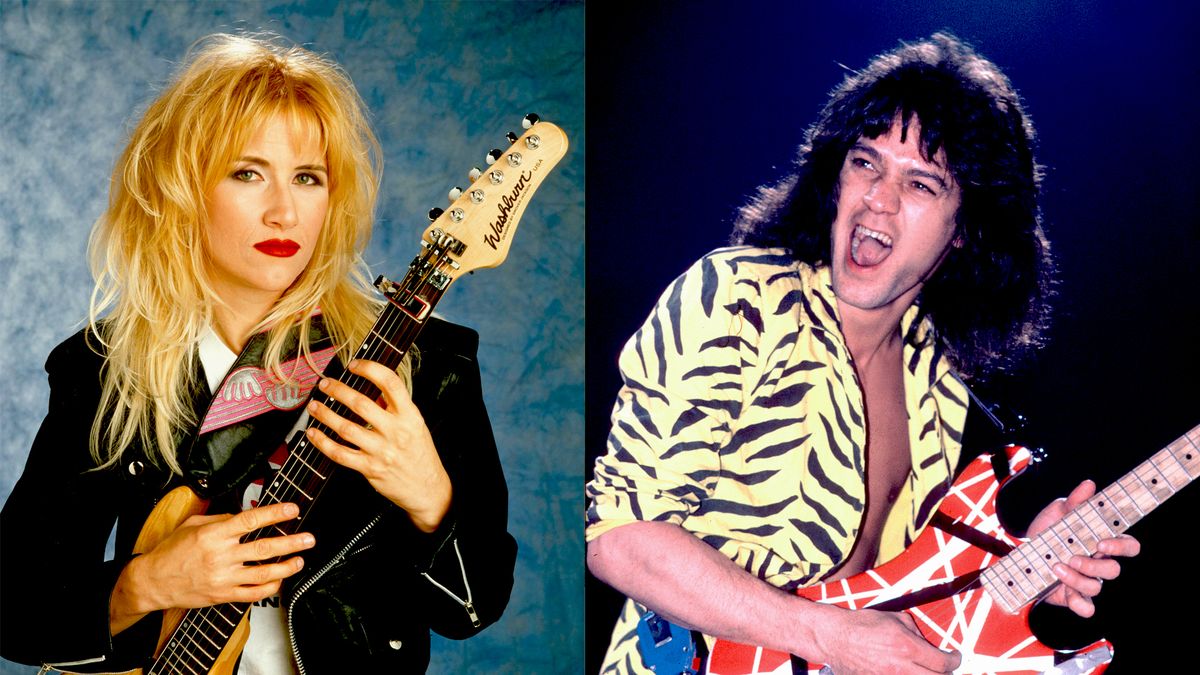
The production team contacted Eddie Van Halen because of his powerful guitar style. At the time, Van Halen was already known for his speed, tone, tapping technique, and dramatic stage presence.
The choice was unexpected. Michael Jackson was a pop superstar, while Eddie Van Halen was associated with loud hard rock. That contrast became one of the song’s greatest strengths.
The story of who played the guitar solo in Beat It is also a story about musical trust. Jackson and Jones allowed Van Halen to reshape the solo so it would fit the track. He did not simply copy a standard rock passage into a pop song.
The recording session
Eddie Van Halen reportedly listened to the song and changed the guitar part to make it more effective. He worked with the production team to find a solo that sounded exciting but still served the song.
A commonly repeated account says that Van Halen recorded the solo quickly and used more than one take. He also helped arrange the part by cutting, moving, and refining sections during the session.
Some details of the session vary across interviews and retellings. The central fact remains clear: Eddie Van Halen played the lead guitar solo heard on Beat It, and his performance was central to the song’s identity.
:max_bytes(150000):strip_icc()/GettyImages-88720199-acff3e8d229e488cbcae4e1422800df5.jpg)
What makes the Beat It guitar solo special?
The Beat It guitar solo works because it is short, dramatic, and perfectly placed. It does not feel like a separate song pasted into the middle of a pop hit.
Several features make the solo stand out:
• Strong opening attack: The first notes grab attention at once.
• Wide string bends: Van Halen stretches notes with an emotional, vocal-like quality.
• Fast runs: The quick passages add danger and energy without taking over the track.
• Distorted tone: The guitar sounds heavy, bright, and aggressive.
• Clear structure: The solo builds, reaches a peak, and returns control to the vocal section.
That balance explains why the answer to who played the guitar solo in Beat It remains so interesting. The player was a rock virtuoso, but the performance was carefully shaped for a pop audience.
The solo is like a flash of lightning in a dark room. It lasts only a short time, yet it changes the mood of everything around it.
Eddie Van Halen’s technique
Eddie Van Halen was famous for two-handed tapping, rapid picking, smooth legato phrases, and creative use of guitar effects. Not every technique appears in its most extreme form on Beat It, but his style is still easy to recognize.
His playing has a strong sense of motion. Notes rise, fall, bend, and burst forward. Even when the solo moves quickly, it feels connected rather than random.
This is one reason guitarists study who played the guitar solo in Beat It. The part teaches an important lesson: technical skill matters most when it supports melody, emotion, and song structure.

Who else played guitar on Beat It?
Eddie Van Halen played the famous lead solo, but he was not the only guitarist involved with the song.
Steve Lukather of Toto played rhythm guitar on Beat It. He helped create the tight, driving guitar foundation that supports the bass, drums, vocals, and solo.
Lukather was also an important session musician. His clean timing and polished playing helped connect the pop and rock elements of the recording.
The main guitar roles are easy to summarize:
• Eddie Van Halen: Lead guitar solo.
• Steve Lukather: Rhythm guitar and additional guitar parts.
• Michael Jackson: Songwriter, lead vocalist, and creative force behind the track.
This distinction matters because people sometimes ask who played the guitar solo in Beat It and assume the answer includes every guitar part. Eddie Van Halen played the featured solo, while Steve Lukather helped build the song’s broader guitar arrangement.
Did Eddie Van Halen receive credit for the solo?
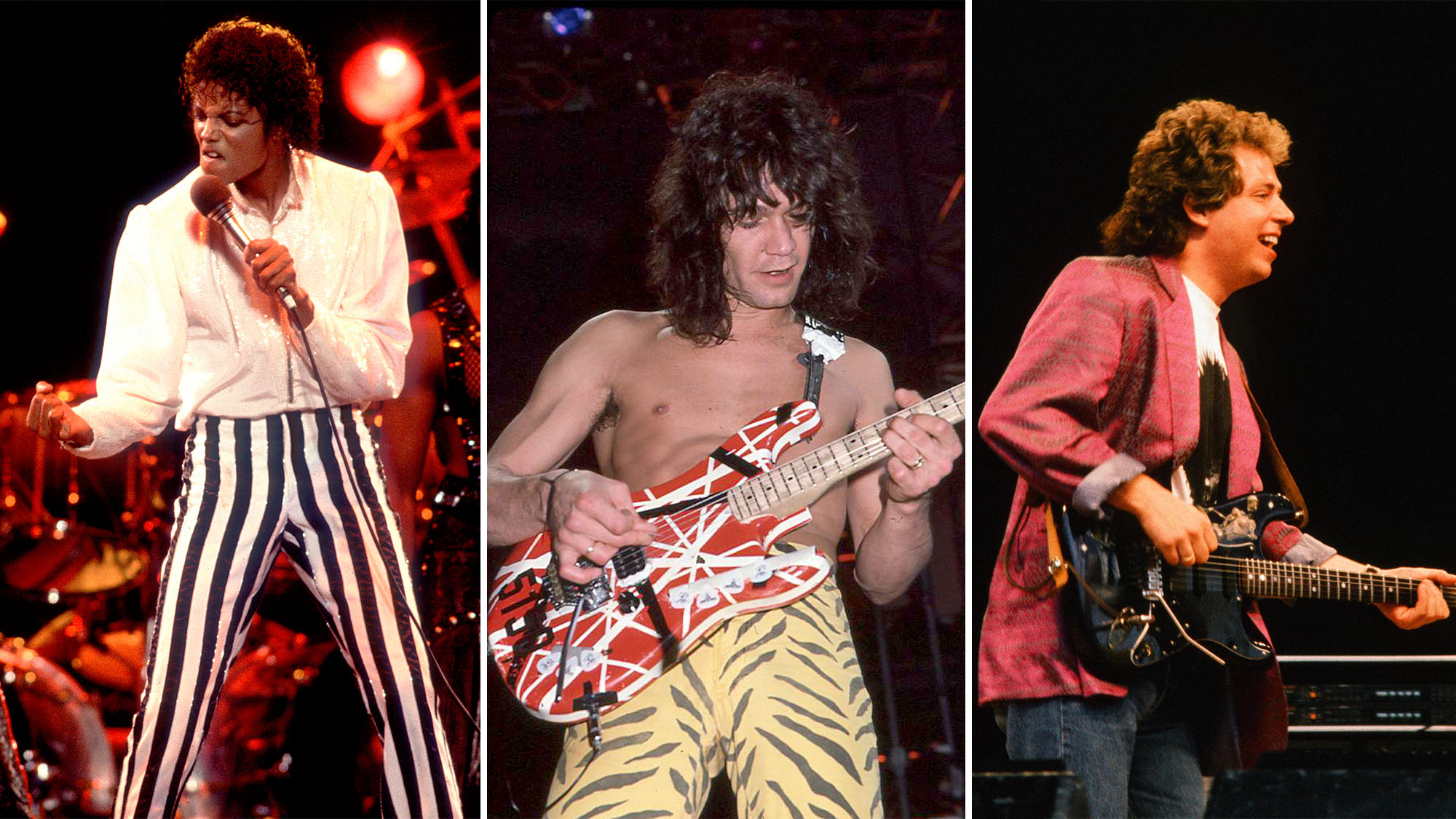
Eddie Van Halen was not prominently credited on the original release of Beat It. This led many listeners to wonder who played the guitar solo in Beat It for years.
His contribution was later widely acknowledged in interviews, articles, documentaries, liner notes, and music histories. Van Halen also discussed the session publicly, which helped confirm his role.
There was no major payment dispute associated with the performance. Van Halen is often reported to have played on the song without charging a standard session fee. His decision reflected respect for the project and a desire to help create something unusual.
The lack of an obvious credit did not reduce the impact of his work. In fact, the mystery made the solo even more memorable for many fans.
For accurate music history, it is best to separate three facts:
• Eddie Van Halen played the lead guitar solo.
• Steve Lukather played rhythm guitar.
• The solo became famous through the Thriller recording and later performances, even though Van Halen did not appear in the Beat It music video.
Why the guitar solo changed pop music
Beat It helped show that pop and rock did not need to stay in separate lanes. Michael Jackson’s song had a danceable rhythm, a polished studio sound, and a hard-rock guitar solo that felt completely natural.
The track reached a huge global audience through radio, television, and MTV. Many listeners who did not usually follow hard rock heard Eddie Van Halen’s playing for the first time through Beat It.
That crossover had several effects:
• Pop producers became more open to rock guitar.
• Rock musicians gained access to wider audiences.
• Session guitarists became more visible in mainstream recordings.
• Young listeners discovered new guitar sounds through pop songs.
The cultural importance of who played the guitar solo in Beat It goes beyond a simple credit. Eddie Van Halen helped create a bridge between two musical worlds.
The solo also supported the song’s message. Beat It warns against pointless conflict, yet its sound carries tension and strength. The guitar does not weaken the message. It gives the song a feeling of courage.
How the solo was recorded and produced
The exact technical details of the session are not fully documented in one single record. Still, accounts from the musicians and production team provide a clear outline.
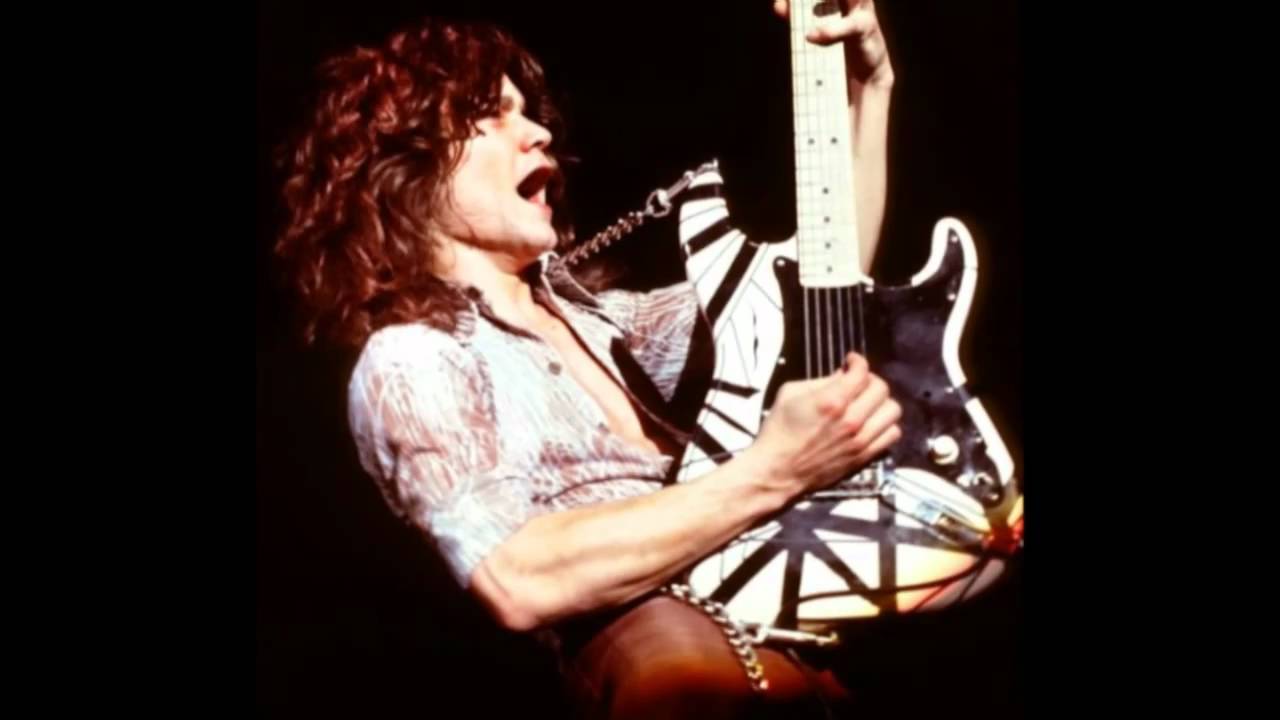
Van Halen played through a loud, distorted guitar setup that matched his signature rock sound. The production then placed the solo inside a tightly arranged pop track.
The final recording needed careful control. A guitar solo with too much volume or length could have buried Jackson’s vocal. Instead, the solo was mixed as a powerful event that arrives, makes its point, and leaves space for the song to continue.