How To Pick A Good Violin: Smart Buying Guide
A good violin feels comfortable, responds easily, stays in tune, and matches your skill, body, and musical goals.
Learning how to pick a good violin is less about finding the most expensive instrument and more about finding the right match. Wood quality, setup, size, tone, comfort, and the seller’s honesty all matter. After helping players compare student, intermediate, and professional violins, I have seen one truth again and again: a well-set-up modest violin often beats a costly violin that has been poorly adjusted.
Understand what makes a violin good
A violin is a small acoustic instrument with many moving parts. Its top, back, ribs, neck, fingerboard, bridge, soundpost, tailpiece, and strings must work together. A flaw in one area can affect tone, comfort, tuning, and playability.
When learning how to pick a good violin, focus on how the whole instrument works rather than judging it by one feature. A beautiful finish does not guarantee a rich sound. Likewise, an older violin is not automatically better than a new one.
A good violin should offer:
- A clear, balanced tone across all four strings
- Easy response when the bow touches the string
- Stable tuning
- Comfortable string height
- A straight neck and properly fitted bridge
- Smooth tuning pegs
- No serious cracks or loose parts
- A size that suits the player
The best violin is the one that helps you play with less effort. It should feel like a helpful partner, not a stubborn machine.
Violin quality versus violin price
Price can provide a rough guide, but it is not a final measure of quality. A very cheap violin may need repairs that cost more than the instrument itself. A high-priced violin may suit an advanced player but frustrate a beginner.
For many new players, a properly adjusted student violin is the safest choice. More advanced players may want a broader tonal range, stronger projection, and greater control over color.

Choose the correct violin size
Size is one of the first things to check. A violin that is too large can cause tension in the shoulder, wrist, and fingers. One that is too small may feel cramped and limit technique.
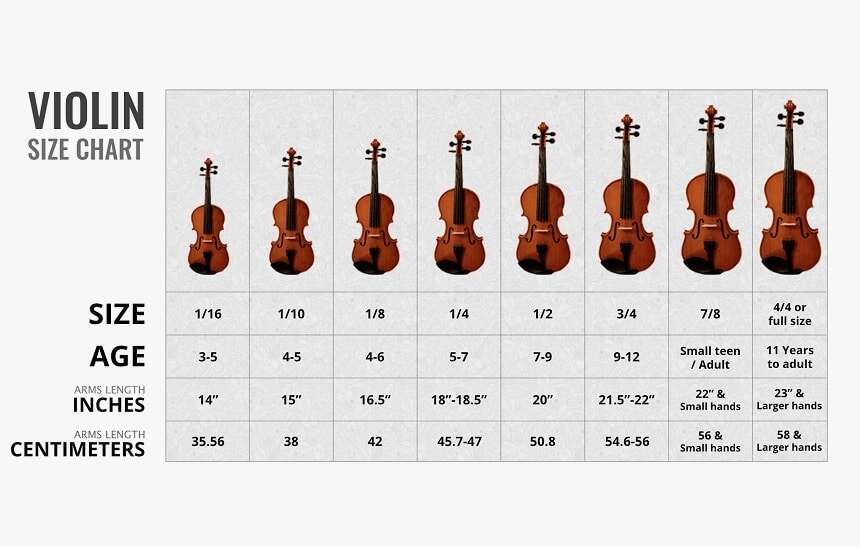
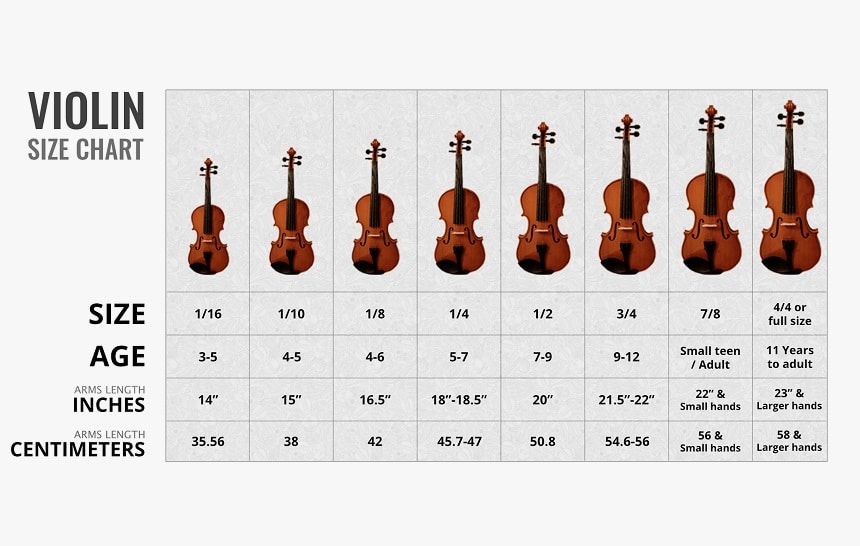
Most adults use a 4/4 violin, also called a full-size violin. Children usually need a smaller size, such as 3/4, 1/2, 1/4, or 1/8. Age can offer a general guide, but arm length is more reliable.
A teacher or violin shop should measure the player. The player extends the left arm while holding the violin’s scroll, or the shop measures from the neck to the center of the palm. Methods can vary, so an in-person fitting is best.
A properly sized violin should allow the player to:
- Reach the scroll without locking the elbow
- Place the fingers on the fingerboard with ease
- Hold the instrument without lifting the shoulder
- Move the bow freely across the strings
- Maintain a relaxed neck, wrist, and hand
When learning how to pick a good violin for a child, remember that children grow. Renting can make sense during the early years because the player may need several size changes.
Do not buy a large violin because you hope the child will “grow into it.” Early comfort supports good posture and healthy technique.

Inspect the violin’s construction
You do not need to be a violin maker to spot major problems. A careful visual check can reveal many warning signs.
Start with the body. Look at the top and back from several angles. The wood should appear joined cleanly, with no large gaps or loose seams. Small marks may be harmless, especially on a used violin, but open cracks need professional attention.
Check the neck and fingerboard next. The neck should sit straight in line with the body. The fingerboard should be smooth and properly shaped. Deep grooves, rough edges, or a warped fingerboard can make the violin hard to play.
Examine the bridge. It should stand upright and line up correctly between the inner notches of the f-holes. A leaning, badly cut, or overly thick bridge can weaken the sound and make the strings feel difficult.
Look for these common issues:
- Open seams along the ribs or edges
- Cracks near the soundpost or bridge
- A twisted or loose neck
- A fingerboard that is too flat or uneven
- A bridge that leans or sits in the wrong position
- Tuning pegs that slip or turn roughly
- A tailpiece that touches the top
- A soundpost that has fallen or is badly placed
A few cosmetic scratches usually matter less than structural damage. In my experience, new buyers often worry about tiny surface marks and overlook a poor bridge or loose seam. Reverse that habit. Function comes first.
Evaluate the violin’s setup
Setup is the adjustment of the violin’s parts so it plays correctly. It can change the instrument more than many buyers expect.
A skilled violin shop may adjust the bridge, soundpost, nut, pegs, fingerboard, tailpiece, and strings. This work affects tuning, response, comfort, and tone. Two violins from the same factory can feel very different because one has received better setup work.
When deciding how to pick a good violin, ask whether the instrument is ready to play or needs professional adjustment. A low price may not be a bargain if setup costs add several hundred dollars.
Check these setup details:
- The strings should not sit painfully high above the fingerboard.
- The bridge should be centered and properly shaped.
- The nut should hold the strings at a comfortable height.
- The pegs should turn smoothly and hold their position.
- The soundpost should stand securely inside the violin.
- The fingerboard should have a slight, even curve.
- The strings should align correctly over the fingerboard.
String height deserves special attention. Strings that are too high make notes hard to press. Strings that are too low may buzz against the fingerboard.
A reputable shop should explain the setup and show you any needed work. If the seller cannot answer simple questions about the bridge, soundpost, or strings, consider that a warning sign.

Listen to the violin’s sound
Tone is personal, but some qualities are widely useful. A good violin should speak clearly, produce a stable sound, and offer a reasonable balance between bright and warm tones.
Play each string with open bows. Listen for weak spots, harsh buzzing, or sudden changes in volume. Then play simple scales and short melodies. A violin may sound impressive on one string but uneven across the entire range.
Test the instrument at different bow speeds and pressures. A responsive violin should make a sound without demanding excessive force. It should also tolerate a stronger bow stroke without becoming painfully sharp or noisy.
Listen for:
- A clear response at the beginning of each note
- Similar strength across the G, D, A, and E strings
- Warmth without a dull or muffled sound
- Brightness without a thin or harsh sound
- Useful volume without excessive effort
- Clean high notes
- Few wolf notes or unwanted vibrations
If you are a beginner, ask a teacher or experienced player to test the violin. Beginners often hear only loudness, but loudness is not the same as quality. A violin with a balanced tone can be easier to control and more enjoyable to practice.
When learning how to pick a good violin, try not to fall in love with a sound after one dramatic note. Play for at least several minutes. Tone can change as your ear adjusts.

Test playability and comfort
A violin may sound good in a shop but still feel wrong in your hands. Playability is the physical experience of holding, fingering, and bowing the instrument.
Hold the violin in playing position. Notice whether your left shoulder rises. Check whether your thumb can rest naturally along the neck. Move from first position to a higher position if you can. The hand should move without excessive pressure.
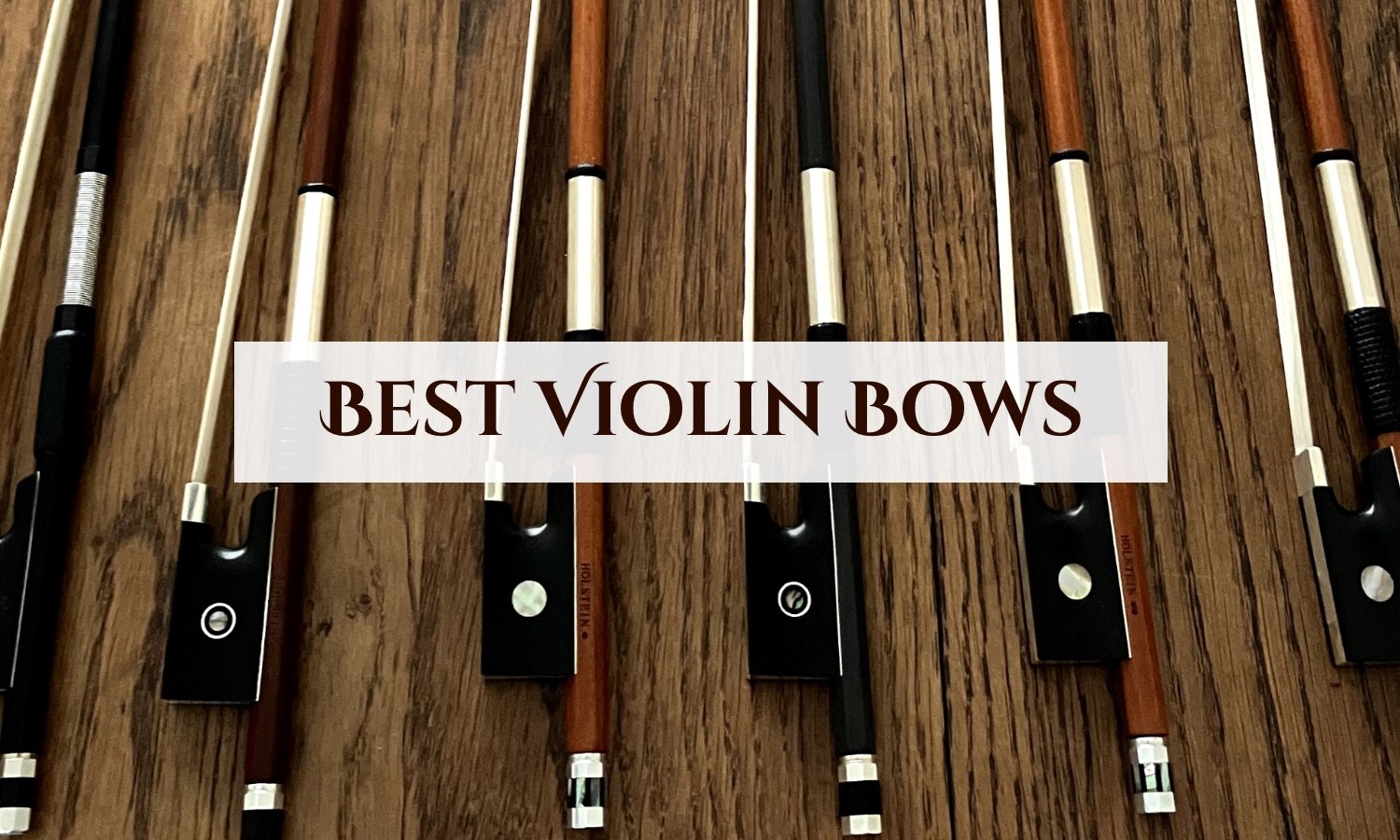
Test the bow as well. A complete violin purchase includes more than the body of the instrument. The bow must be straight, balanced, and properly haired. A weak or warped bow can make a good violin feel difficult.
Use this simple test:
- Play open strings with slow bows.
- Play a one-octave scale.
- Try soft, medium, and loud dynamics.
- Play short notes and long notes.
- Shift or reach for a few higher notes if you have the skill.
- Ask whether your hands and shoulders remain relaxed.
Take breaks during testing. Fatigue can make every violin feel worse. If possible, test instruments on two different days. This is one of the most useful lessons I have learned when comparing violins: first impressions are helpful, but repeated testing is more reliable.

Set a realistic violin budget
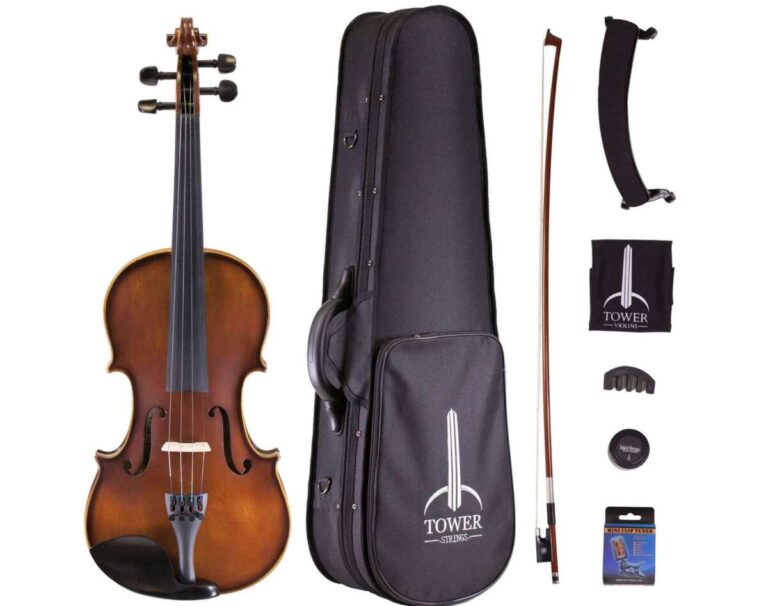
Before shopping, decide what you can spend on the complete outfit. The outfit may include the violin, bow, case, shoulder rest, rosin, strings, and future setup work.
A very low-cost outfit may use poor materials and weak fittings. It may still serve a young beginner for a short time, but it can create frustration if the bridge warps or the pegs refuse to hold.
A sensible budget should include:
- The violin
- A usable bow
- A protective case
- Fresh or suitable strings
- Rosin
- A shoulder rest if needed
- Initial setup
- Future maintenance
Renting is often practical for children or uncertain beginners. Many reputable rental programs allow size exchanges and may apply part of the rental cost toward a later purchase.
Buying used can provide excellent value, but only when a violin teacher or qualified repairer checks it. A used violin with a strong setup may outperform a new factory instrument at the same price.
Do not choose based on the label inside the violin alone. Labels can be copied, misleading, or difficult to interpret. The instrument’s condition, sound, setup, and history matter more.

Compare new and used violins
New violins offer clear benefits. They are often easier to return, come with a warranty, and have a known service history. A good shop can prepare the instrument for the player before the sale.
Used violins can offer mature tone and better materials for the price. However, they may have hidden repairs, worn fittings, old strings, or structural problems.
When learning how to pick a good violin from a private seller, ask:
- How long has the owner had it?
- Who made or sold it?
- Has it had repairs?
- When was it last professionally set up?
- Are there cracks, open seams, or replaced parts?
- Can you have it inspected before buying?
- Is there a written return period?
A short trial period is valuable. It allows you to test the violin at home, in a lesson, and beside another instrument.
Be cautious with online listings that use grand claims such as “concert quality” without clear photos, measurements, or a return policy. A trusted seller should welcome questions and provide honest details.

Know where to buy a violin
A specialist violin shop is usually the safest place for a first purchase. Staff can measure the player, adjust the setup, offer several instruments, and explain maintenance.
A general music store may also be a good choice if it has trained string specialists. Ask who performs repairs and setup work. The answer can tell you a great deal about the store’s expertise.
Online shopping can work when the seller offers:
- A clear return window
- Accurate photos of the instrument
- Detailed measurements
- A setup by a qualified technician
- Secure shipping
- Insurance for transit
- Responsive customer service
Avoid buying from a source that refuses inspection or return. Even an expert cannot judge every detail from a small product photo.
A teacher can also help you compare instruments. Bring the teacher to the shop if possible. Their opinion does not replace your own preferences, but it can prevent costly mistakes.
Common mistakes to avoid
Many violin buyers make the same errors because the instrument looks simple. It is not. A violin is sensitive, and small adjustments can change the playing experience.
Avoid these mistakes:
- Choosing the cheapest outfit without checking its setup
- Buying a violin that is too large
- Judging quality by shiny varnish
- Trusting an impressive label without inspection
- Testing only one instrument
- Ignoring the bow
- Buying without a return policy
- Assuming louder means better
- Forgetting repair and maintenance costs
- Letting a child choose by appearance alone
One mistake I often see is buying a violin after hearing an expert play it. An expert can make almost any decent violin sound attractive. You need to know how it responds under your own hands.
Another mistake is rushing because of a sale. A good violin should still be available after you take time to compare it, ask questions, and consider professional advice.
Use a practical violin testing checklist
A checklist helps you stay calm in the shop. It also keeps one exciting sound from controlling the entire decision.
Bring:
- Your teacher or an experienced player
- A familiar piece of music
- A tuner
- A phone for notes and recordings, if the shop allows it
- Your current shoulder rest, if you have one
- Your budget and size requirements
Test at least three instruments when possible. Use the same short scale, melody, and bow patterns on each one. Write down what you notice after each test.
Rate each violin from one to five for:
- Comfort
- Tone
- Response
- Tuning stability
- Ease of shifting
- Bow control
- Construction
- Setup
- Price and value
Then ask yourself which violin makes you want to play again. That emotional response matters. Practice is easier when the instrument feels inviting.
The most reliable approach to how to pick a good violin combines expert inspection with your personal experience. You need both. Technical quality protects your investment, while comfort and sound keep you engaged.
Maintain your violin after buying it
A good violin needs regular care. Store it in a sturdy case away from heat, direct sunlight, and sudden humidity changes. Never leave it in a hot car or near a radiator.
Wipe rosin dust from the strings and body with a soft, dry cloth after playing. Loosen the bow before closing the case. Do not apply household cleaners or polish unless a qualified repairer recommends a specific product.
Replace strings when they sound dull, feel rough, or stop holding tone. The exact schedule depends on practice time and string type. A teacher or violin shop can suggest a suitable replacement.
Have the violin checked when you notice:
- Persistent buzzing
- Slipping pegs
- A leaning bridge
- Open seams
- A fallen soundpost
- New cracks
- Unusual changes in tone
- Difficulty keeping the instrument in tune
Regular care protects the violin and helps you notice small problems before they become expensive repairs.
Frequently Asked Questions About How to Pick a Good Violin
What is the best violin for a beginner?
The best beginner violin is correctly sized, easy to play, and professionally set up. It should have a stable bridge, smooth pegs, comfortable string height, and a balanced tone.
How much should I spend on a good violin?
The right budget depends on your level and goals, but include the bow, case, strings, and setup in the total. A reputable rental or a well-adjusted used violin may offer better value than the cheapest new outfit.
Is an old violin better than a new violin?
Not always. Age can contribute to character, but condition, materials, construction, setup, and sound are more important than age alone.
Should I buy a violin online?
You can buy online if the seller provides accurate details, professional setup, secure shipping, and a reasonable return period. For a first violin, an in-person trial with a teacher or specialist is usually safer.
How do I know if a violin is the right size?
Most adults use a 4/4 violin, while children often need smaller sizes. An experienced teacher or violin shop should measure the player because arm length and comfort matter more than age alone.
What should a good violin sound like?
A good violin should sound clear, balanced, and responsive across all four strings. The ideal tone may be warm, bright, or somewhere between, depending on your personal taste and musical needs.
Is a loud violin a good violin?
Loudness alone does not prove quality. A strong violin should also offer control, balance, clear response, and a tone that remains pleasant at different bow pressures.
Conclusion
Knowing how to pick a good violin means looking beyond price, color, and labels. Choose the correct size, inspect the construction, test the setup, listen across all four strings, and consider how the instrument feels in your hands.
A qualified teacher or violin shop can save you from expensive mistakes. Test several instruments, ask about the return policy, and choose the violin that supports relaxed playing and steady progress.
Take your time, trust careful testing over clever sales language, and let your musical goals guide the choice. Explore local violin shops, ask a teacher to join you, and share your own violin-buying experience with other players.

Senior Music Reviewer
Alex Carter is a seasoned music reviewer with over a decade of experience in the world of sound and instruments. Passionate about helping musicians and enthusiasts make informed choices, he brings sharp insights and in-depth knowledge to every review. From classical instruments to modern gear, Alex combines technical expertise with a love for music to deliver content that resonates with readers.
As a Senior Music Reviewer and expert author on Tuneluma.com, Alex is dedicated to sharing honest evaluations, practical advice, and thoughtful commentary to guide readers in their musical journey.