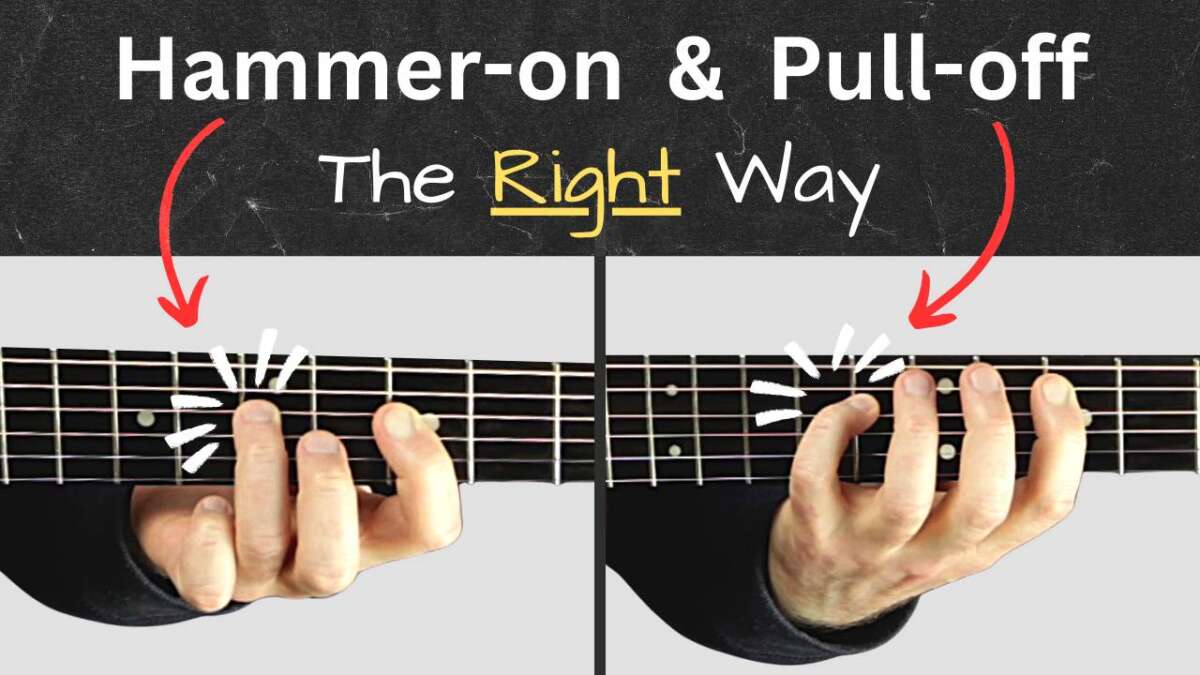
What Is A Hammer On Guitar: Easy Playing Guide
A hammer-on is a guitar technique where one finger sounds a higher note without picking again.
If you want smoother solos, faster riffs, and more expressive melodies, learning what is a hammer on guitar is a great place to start. This simple technique links two notes with one pick stroke, almost like stepping from one stair to the next without stopping. With good finger strength, timing, and practice, a hammer-on can make your playing sound fluid and confident.
What Is a Hammer On Guitar?
A hammer-on is a fretting-hand technique. You pick a lower note, then use another finger to press a higher note on the same string. You do not pick the second note.
For example, play the fifth fret on the high E string. Then quickly place your third finger on the seventh fret. The second note should ring because your finger strikes the string against the fret.
In guitar tab, a hammer-on is shown with the letter h:
e|--5h7--|
This means:
- Pick the note at the fifth fret.
- Hit the seventh fret with another finger.
- Do not pick the seventh fret again.
When people ask what is a hammer on guitar, they are often asking how guitarists create a smooth link between two notes. The answer is simple: the picking hand starts the sound, and the fretting hand creates the next note.
A clean hammer-on needs more than speed. Your finger must land close to the fret, use enough force, and arrive at the right time. Think of it as a small tap, not a hard punch.

How Does a Hammer-On Work?
A hammer-on works through a quick change in string vibration. The first picked note starts the sound. When your fretting finger strikes the string onto a higher fret, it changes the vibrating length of the string and creates a higher pitch.
Here is a basic example on the A string:
A|--5h7--|
This line means you pick the fifth fret, then hammer onto the seventh fret. The second pitch should be clear and close in volume to the first one.
Follow these steps:
- Place your index finger on the fifth fret of the A string.
- Pick the note once.
- Keep your index finger in place.
- Bring your ring finger down on the seventh fret.
- Let both notes ring without muting the string.
The motion should come from the finger and a small amount of hand control. Do not lift your whole arm. A relaxed motion gives you better speed and less hand strain.
The higher note must sound because the finger lands firmly. However, too much force can make your hand tired and pull the note sharp. The best hammer-ons use the least force needed for a clear tone.
When studying what is a hammer on guitar, remember that the technique has three parts:
• The first note starts with a pick.
• The second note starts with a fretting-hand strike.
• Both notes should connect with a smooth rhythm.
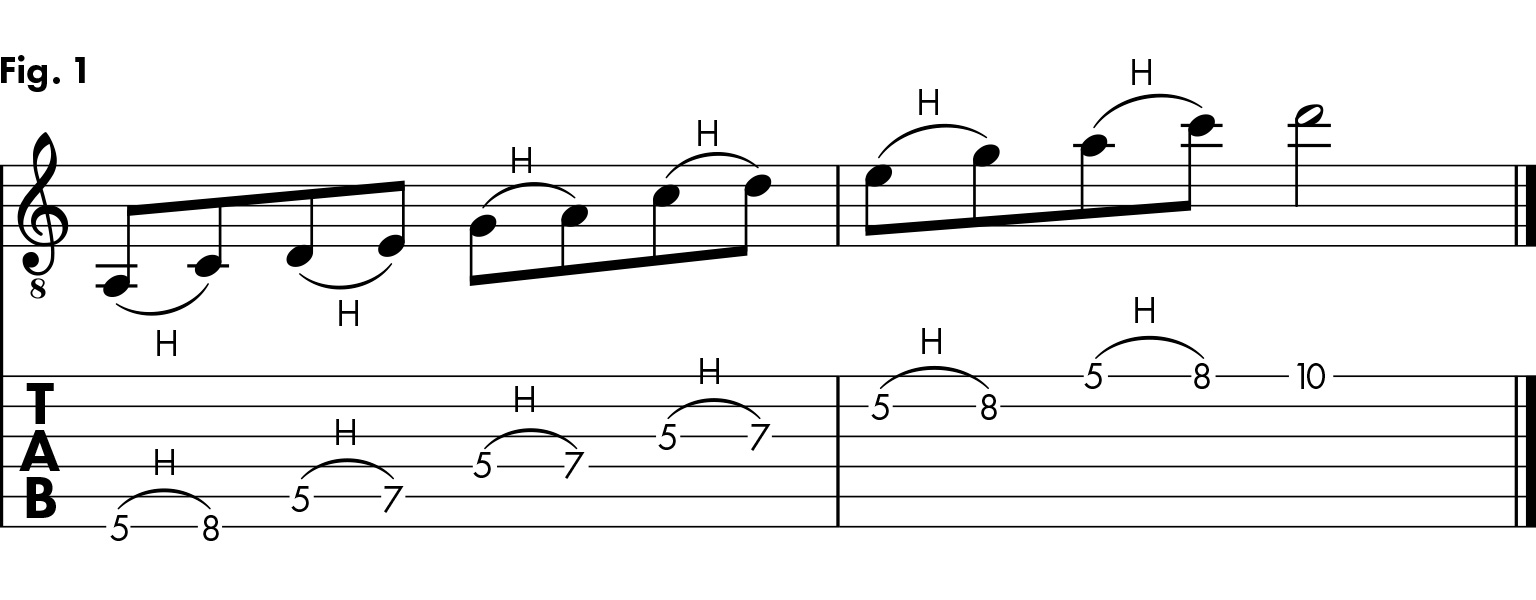
Hammer-On Guitar Notation and Tab Examples
Guitar tab makes hammer-ons easy to spot. The letter h appears between two fret numbers. The first number is picked, and the second number is played with the fretting hand.
Example:
e|--3h5--|
Pick the third fret, then hammer onto the fifth fret.
A longer phrase may look like this:
e|--5h7h8--|
You pick the fifth fret once. Then you hammer from the seventh fret to the eighth fret. This is called a series of hammer-ons.
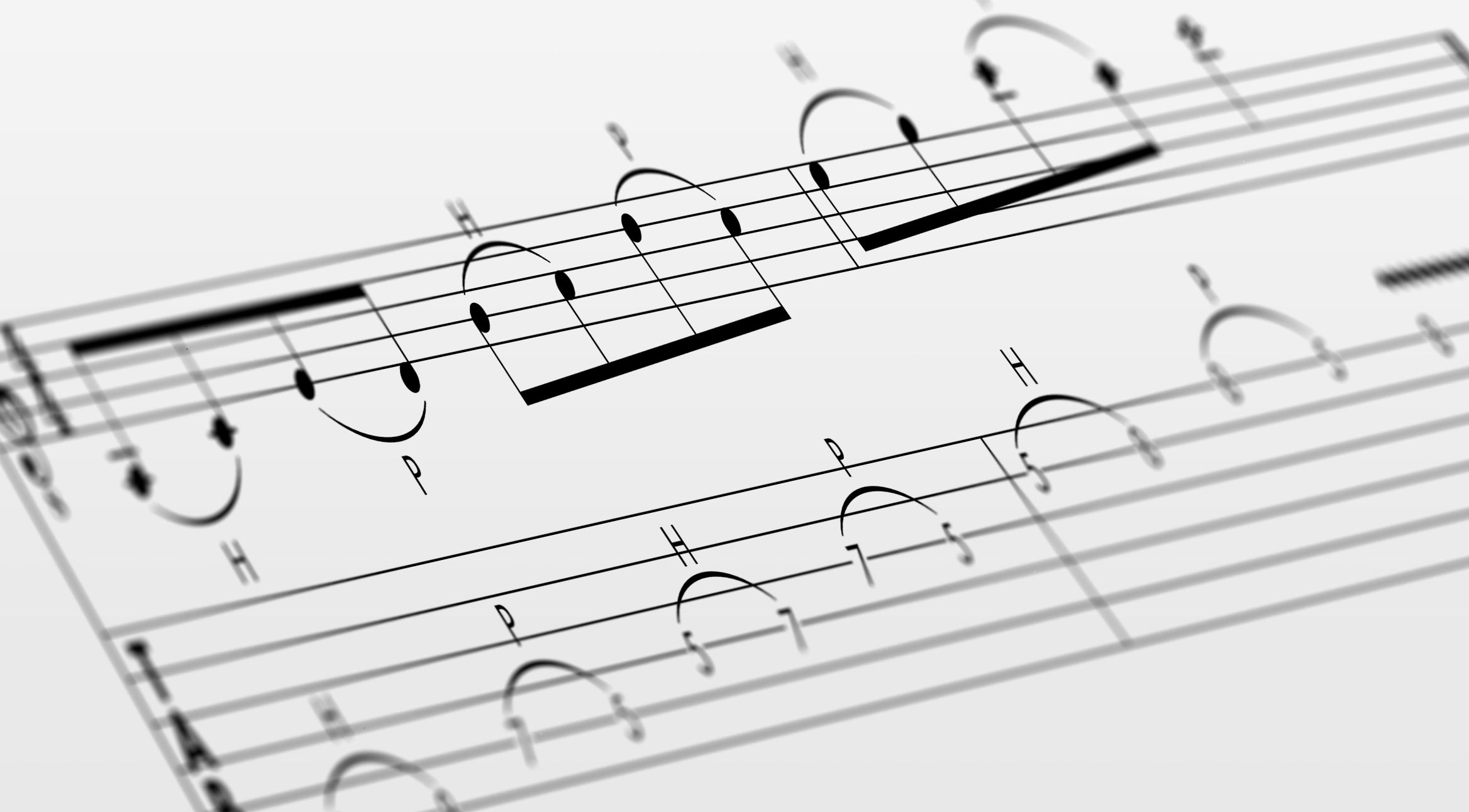
A hammer-on can also appear in standard music notation. In sheet music, it is often shown with a curved line called a slur. The slur connects the notes and tells you to play them smoothly rather than as separate attacks.
You may also see a hammer-on in chord diagrams, lead guitar exercises, blues licks, and rock solos. The symbol can vary by tab writer, so always check the tab legend when one is provided.
Here are common tab symbols related to the technique:
• h means hammer-on.
• p means pull-off.
• / means slide up.
• \ means slide down.
• ~ means vibrato.
Understanding these symbols helps you read guitar tab faster. It also shows why knowing what is a hammer on guitar matters beyond one single technique.

Hammer-On vs. Pull-Off
A hammer-on moves from a lower note to a higher note without another pick stroke. A pull-off moves from a higher note to a lower note by lifting or lightly pulling the fretting finger away.
Example of a hammer-on:
e|--5h7--|
Example of a pull-off:
e|--7p5--|
Both techniques are called legato techniques. Legato means that notes connect smoothly, with little space between them.
A hammer-on adds a note by striking the string with a fretting finger. A pull-off adds a note by releasing the higher fretted note and allowing the lower note to ring.
Many guitar phrases combine both movements:
e|--5h7p5--|
You pick the fifth fret, hammer onto the seventh fret, then pull off back to the fifth fret. This creates a three-note phrase with one pick stroke.
The key difference is direction:
• Hammer-on: lower note to higher note.
• Pull-off: higher note to lower note.
When practicing what is a hammer on guitar, learning pull-offs at the same time can improve your control. The two techniques often work as a pair in solos, scales, and musical fills.

Why Use Hammer-Ons?
Hammer-ons make guitar playing smoother and more expressive. They can also help you play certain passages with less picking effort.
Common benefits include:
• Smoother note changes: A hammer-on removes the sharp break caused by a second pick stroke.
• Faster phrases: You can play several notes with fewer picking movements.
• More expression: The change in attack can add feeling to blues, rock, country, and pop guitar.
• Better phrasing: Hammer-ons can make a melody sound like a voice rising between notes.
• Improved coordination: The technique trains your picking and fretting hands to work together.
A hammer-on does not always make a passage faster. Many players use it for feel rather than speed. A slow blues phrase can sound more emotional when one note gently rises into another.
In rock guitar, hammer-ons can add power to riffs and solos. In acoustic guitar, they can make chord melodies and fingerstyle parts sound full. In jazz, they can help connect notes within a smooth melodic line.
The answer to what is a hammer on guitar is not only technical. It is also musical. The technique changes how a phrase speaks.

How to Practice Hammer-Ons
Start with a single string and two nearby frets. The goal is a clear sound, not a fast motion.
Try this exercise:
e|--5h6--5h7--5h8--5h9--|
Pick the fifth fret before each hammer-on. Play slowly and listen to the volume of every higher note.
Then reverse the pattern:
e|--9h5--|
Do not play this as a hammer-on. A hammer-on must move to a higher fret. Use the correct direction when you practice.
A better beginner routine looks like this:
- Fret the lower note with your index finger.
- Pick it once.
- Keep the first finger down.
- Hammer the higher fret with your middle, ring, or pinky finger.
- Hold the second note and listen for a clean ring.
- Repeat with a metronome.
Begin at 60 beats per minute. Play one hammer-on per beat. Raise the tempo only when the notes sound even.
Practice on each string. The thicker strings may need a slightly stronger finger strike, while the thin strings may need less force. Keep your thumb relaxed behind the neck.
In my experience, many players try to fix weak hammer-ons by hitting harder. That often creates tension. A better fix is to place the finger close to the fret and use a short, quick motion.
Common Hammer-On Mistakes
A weak hammer-on often sounds quiet, late, or unclear. Most problems come from timing, finger position, or excess tension.
Watch for these mistakes:
• Picking the second note: This removes the main purpose of the technique and turns it into two picked notes.
• Landing too far from the fret: The note may buzz or sound dull.
• Using too little finger motion: The higher note may not ring.
• Using too much force: This can cause hand fatigue and make the note sharp.
• Lifting the first finger: The first note may stop before the second note begins.
• Rushing the second note: The phrase loses its rhythm.
• Ignoring the pinky: A weak pinky can make longer hammer-on patterns difficult.
Use a simple test. Record yourself playing a picked pair and a hammer-on pair at the same tempo. Compare the volume, timing, and tone. This makes small problems much easier to hear.
Your fingertip should land close to the fret wire, not directly on top of it. Keep the finger curved, and avoid allowing it to touch nearby strings unless you want to mute them.
If your hand hurts, stop and rest. Mild fingertip soreness can happen during practice, but sharp pain is a warning. Good technique should feel controlled, not forced.

Hammer-Ons in Different Guitar Styles
Hammer-ons appear in almost every guitar style. Each genre uses them in a slightly different way.
Blues
Blues players often use a hammer-on from the minor pentatonic scale. A common example is the third fret to the fifth fret on the B string:
B|--3h5--|
This sound is direct and vocal. It can imitate the way a singer bends into a note.
Rock
Rock guitarists use hammer-ons in fast licks, power chord fills, and scale runs. A phrase such as 5h7h8 can add speed and energy without picking every note.
Country
Country guitar often uses quick hammer-ons inside chord shapes. These short movements create a bright, lively sound and can decorate a simple rhythm part.
Acoustic and Folk
On acoustic guitar, hammer-ons can fill the space between bass notes and chords. They are common in fingerstyle patterns and chord embellishments.
Metal
Metal players may combine hammer-ons with alternate picking, tapping, and legato runs. Clear timing is especially important because distortion can hide sloppy finger work.
Understanding what is a hammer on guitar helps you hear these style differences. The hand movement stays similar, but the rhythm, tone, and musical purpose change.

Hammer-Ons With Chords
You can use hammer-ons inside open and barre chords. This creates a chord embellishment, often called a hammer-on chord shape.
Try this example:
e|--0h2--|
B|--1----|
G|--0----|
D|--2----|
A|--3----|
E|-------|
Play the chord, then hammer the open high E string onto the second fret. The added note gives the chord a small lift.
Another common example uses the D chord:
e|--2h3--|
B|--3----|
G|--2----|
D|--0----|
A|-------|
E|-------|
The exact fingering may vary based on your hand size and playing style. Keep the rest of the chord stable while the moving finger lands cleanly.
Chord hammer-ons work well in folk, pop, country, and singer-songwriter music. They can make a repeated chord pattern sound more active without changing the harmony.
Start slowly. Strum the chord once, then add the hammer-on. Make sure the added note does not cause nearby strings to buzz.

Hammer-Ons, Amplifiers, and Guitar Setup
Your guitar setup affects how easy hammer-ons feel. A well-adjusted instrument is not required, but it can help.
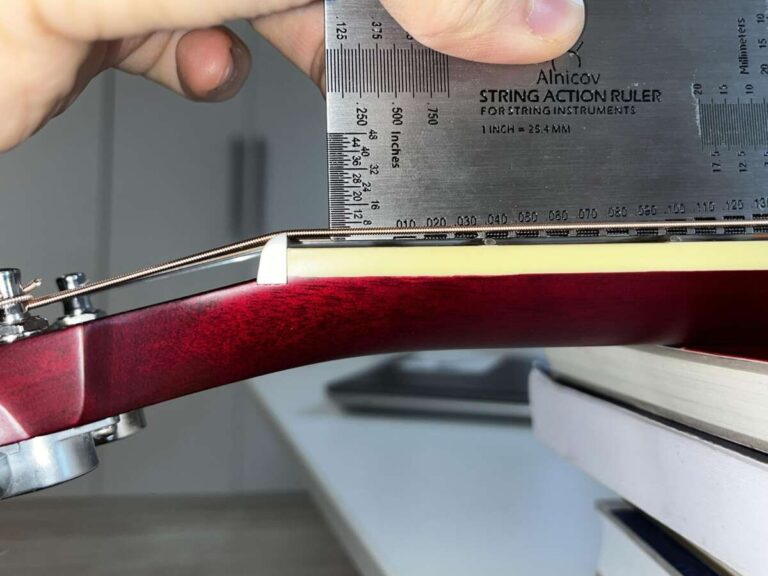
Electric guitars with lighter strings often make hammer-ons easier for beginners. Low action can also reduce the finger force needed, though action that is too low may cause fret buzz.
Acoustic guitars often need more finger strength because their strings may be thicker and tighter. This does not mean an acoustic hammer-on should feel painful. A good setup can make a large difference.
Amplification also changes what you hear. Distortion and compression can make quiet hammer-ons sound louder, but they may hide poor timing. Practice clean or with very little gain first.
Useful setup points include:
• Fresh strings for a clear attack.
• Frets that are level and not badly worn.
• Action that is comfortable and free from excess buzz.
• A neck relief setting that matches the guitar and string tension.
If your hammer-ons sound weak on every string, check your technique before changing your gear. Equipment can support good playing, but it cannot replace accurate finger movement.
A Simple Seven-Day Hammer-On Practice Plan
A short daily routine can build control without tiring your hand. Practice for 10 to 15 minutes, then stop if your hand feels tense.
Days 1 and 2: Two-note control
Play 5h7 on each string. Use a slow metronome and focus on equal volume.
Days 3 and 4: Different fingers
Try index to middle, index to ring, and index to pinky. Keep your wrist straight and relaxed.
Days 5 and 6: Three-note patterns
Practice 5h7h8 on one string. Pick only the first note.
Day 7: Musical use
Add hammer-ons to a blues lick, scale, riff, or chord progression. Aim for clean rhythm instead of maximum speed.
Keep a simple note of your tempo and sound quality. Progress is easier to see when you track it. If a faster tempo causes buzzing or missed notes, return to the last clean speed.
The best answer to what is a hammer on guitar becomes clear through the fingers. You learn it by hearing the difference and feeling the movement.
Frequently Asked Questions About What Is a Hammer On Guitar
What is a hammer on guitar?
A hammer-on is a technique where you pick one note and use a fretting finger to sound a higher note on the same string. You do not pick the second note.
Do you pick a hammer-on?
You pick only the first note of a basic hammer-on. The second note sounds when your fretting finger lands firmly on the higher fret.
How do you make a hammer-on louder?
Place your finger close to the fret and use a quick, controlled strike. Keep the first finger down, relax your hand, and practice slowly until the second note rings clearly.
Is a hammer-on hard for beginners?
It can feel awkward at first, but most beginners can learn it with short daily practice. Start with two nearby frets and focus on clean sound before increasing speed.
What is the difference between a hammer-on and a pull-off?
A hammer-on moves from a lower fret to a higher fret without another pick stroke. A pull-off moves from a higher fret to a lower fret by lifting the fretting finger.
Can you use hammer-ons on acoustic guitar?
Yes, hammer-ons work well on acoustic guitar. They may require slightly more finger control because acoustic strings can feel tighter than electric guitar strings.
Why does my hammer-on sound weak?
Your finger may be landing too softly or too far from the fret. Try a shorter motion, keep your thumb relaxed, and place the fingertip just behind the fret wire.
Conclusion
A hammer-on is a simple but powerful guitar technique. You pick a lower note, then use your fretting finger to sound a higher note without picking again. It can make solos, riffs, chord changes, and melodies sound smooth and expressive.
Good hammer-ons depend on clean timing, correct finger placement, relaxed hands, and steady practice. Start with two notes, use a metronome, and increase speed only when every note rings clearly.
Pick up your guitar today and practice a few slow 5h7 patterns. Then try adding a hammer-on to a song you already know, and share your progress or favorite guitar exercise in the comments.

Senior Music Reviewer
Alex Carter is a seasoned music reviewer with over a decade of experience in the world of sound and instruments. Passionate about helping musicians and enthusiasts make informed choices, he brings sharp insights and in-depth knowledge to every review. From classical instruments to modern gear, Alex combines technical expertise with a love for music to deliver content that resonates with readers.
As a Senior Music Reviewer and expert author on Tuneluma.com, Alex is dedicated to sharing honest evaluations, practical advice, and thoughtful commentary to guide readers in their musical journey.