How To Select A Violin: Smart Buying Guide
Choose a violin by matching its size, comfort, sound, build quality, setup, and budget to your playing goals.
Learning how to select a violin can feel confusing, especially when many instruments look alike but sound and play very differently. The right choice depends on more than wood type or price. It also depends on your age, body size, skill level, musical style, and access to a skilled setup technician. This guide explains each step clearly so you can choose with confidence and avoid common buying mistakes.
Decide Who Will Play the Violin
The first step in how to select a violin is to identify the player. A violin for a young beginner has different needs from one for an adult student, orchestra member, or advanced soloist.
A child may need a smaller violin that fits the arm and hand. An adult will usually need a full-size violin, but some adults with smaller hands may feel more comfortable with a slightly smaller instrument.
Think about these points:
• Player age and body size
• Current skill level
• Playing goals
• Musical style
• Practice space
• Budget
• Need for lessons or school performances
A beginner often benefits from a reliable, easy-to-play violin rather than an expensive instrument with a complex tone. An advanced player may need a wider range of sound colors, stronger projection, and greater response to bow pressure.
A useful rule is simple: choose a violin that helps the player make progress. A poor instrument can make basic skills feel much harder than they should.

Choose the Correct Violin Size
Violin size is one of the most important parts of how to select a violin. A violin that is too large can cause tension, poor posture, and hand strain. A violin that is too small may limit comfort and sound quality.
Most adult players use a 4/4 violin, also called a full-size violin. Children often use smaller sizes, such as 1/16, 1/10, 1/8, 1/4, 1/2, or 3/4.
Common violin sizes
| Violin size | Typical player |
|---|---|
| 1/16 | Very young children |
| 1/10 | Young children with short arms |
| 1/8 | Small children |
| 1/4 | Children with growing arms |
| 1/2 | Many elementary-age players |
| 3/4 | Older children and smaller teens |
| 4/4 | Most teens and adults |
Age ranges are only rough guides. Children grow at different rates, so arm length matters more than age alone.
To check size, ask the player to hold the violin under the chin and extend the left arm beneath the instrument. The hand should reach around the scroll with some comfort. The fingers should not strain to wrap around it.
A teacher or violin shop employee should confirm the fit. Avoid choosing a larger violin simply because you hope the child will grow into it. A violin that is too large can slow progress and create poor habits.
Understand the Main Parts of a Violin
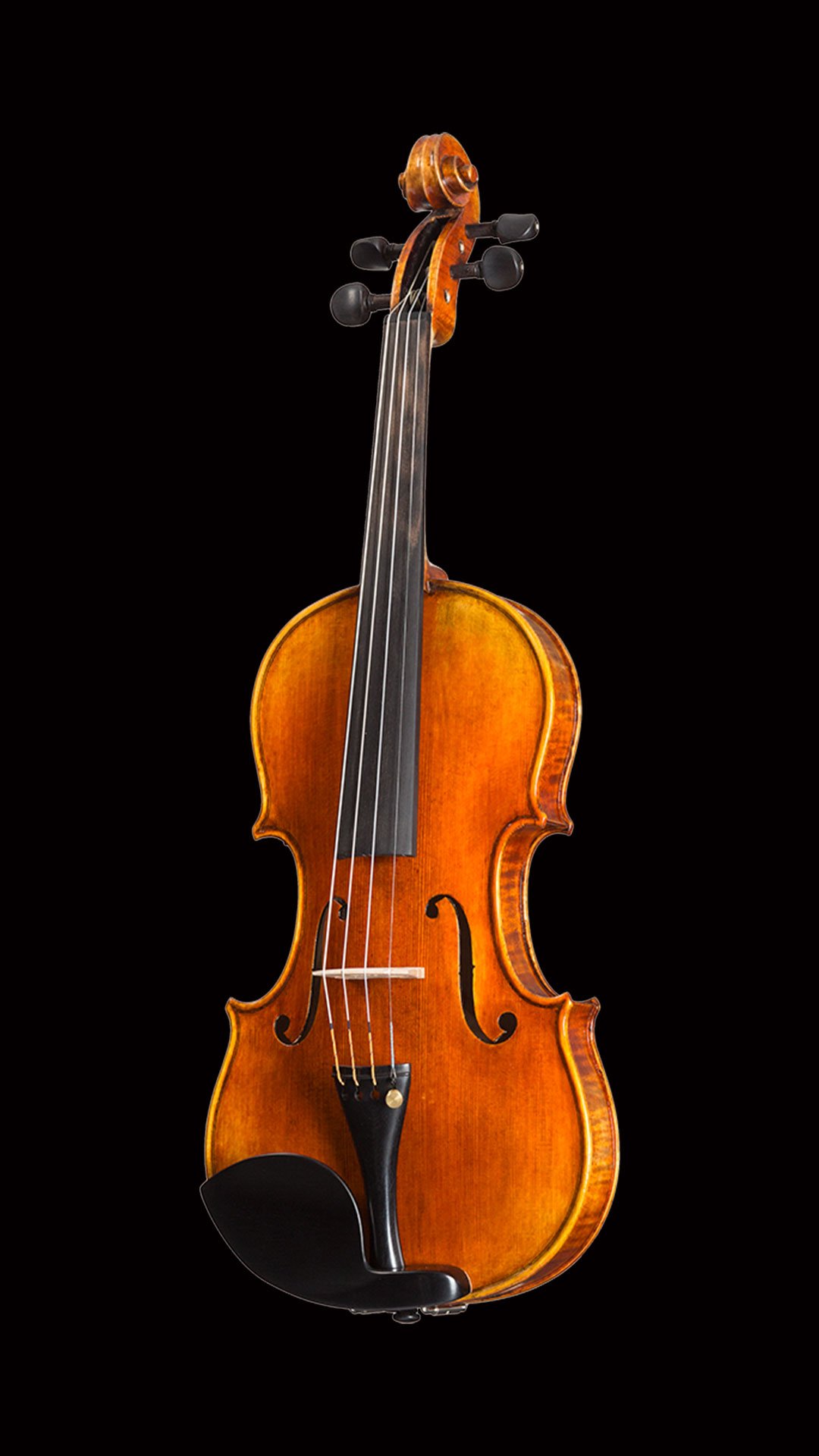
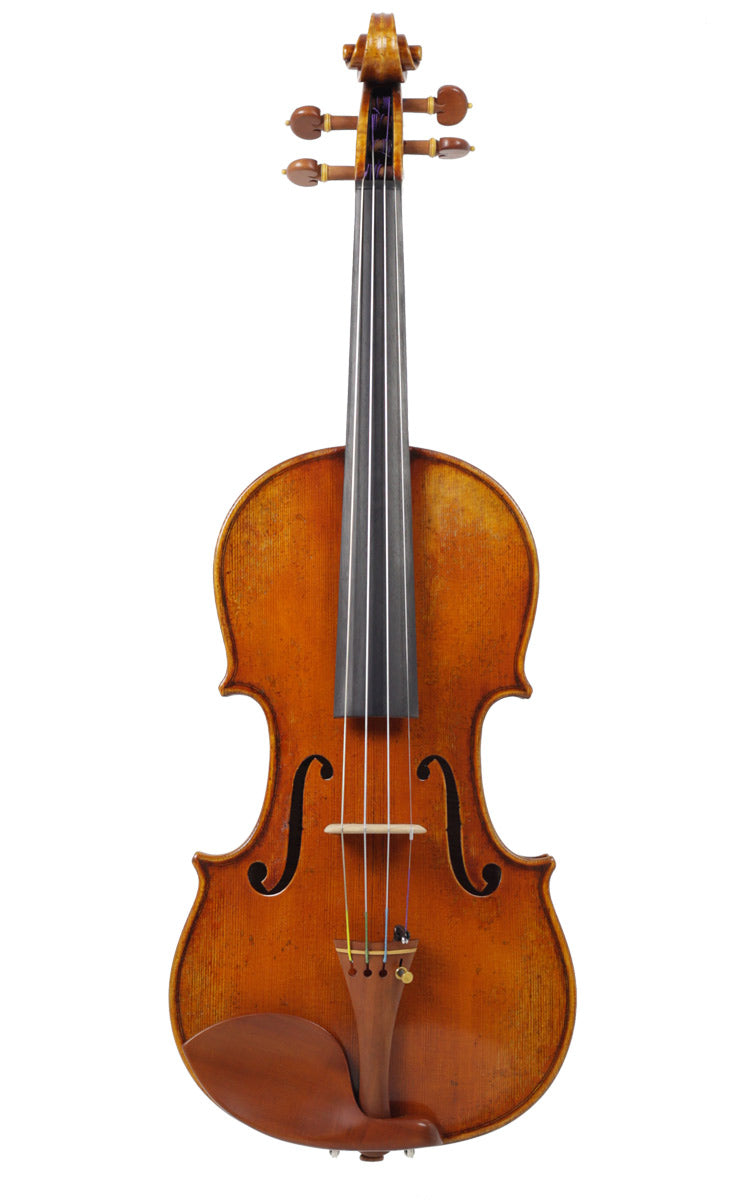
Knowing the basic parts helps you inspect an instrument and speak clearly with a teacher or seller. The main parts include the body, neck, fingerboard, bridge, strings, tailpiece, chin rest, pegs, and bow.
The body creates and carries the sound. It includes the top, back, ribs, f-holes, bass bar, and sound post. The neck supports the fingerboard, while the bridge transfers string vibration to the body.
Pay attention to these parts:
• Top: The front plate, usually made from spruce
• Back and ribs: Often made from maple
• Fingerboard: Usually ebony and should feel smooth
• Bridge: A shaped piece of maple that must stand correctly
• Tailpiece: Holds the strings near the lower end
• Pegs: Used to tune the instrument
• Chin rest: Supports the player and should feel comfortable
• Sound post: A small wooden post inside the violin
• Strings: Strongly affect tone, comfort, and response
The violin should feel like a balanced tool, not a rough wooden box. Sharp edges, loose fittings, deep scratches near the bridge, or a cracked body can signal repair needs.
Compare Beginner, Intermediate, and Advanced Violins
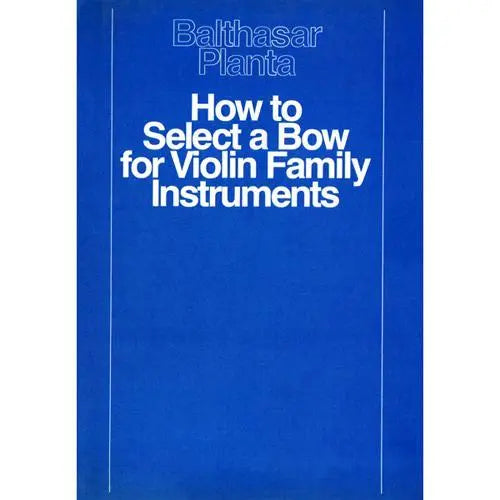
Violins are often grouped by playing level. These labels are useful, but they are not perfectly standardized. One shop’s “intermediate” violin may be another shop’s advanced student model.
Beginner violins
A beginner violin should be stable, comfortable, and easy to tune. It should have a good bridge, properly fitted pegs, usable strings, and a neck that is not twisted.
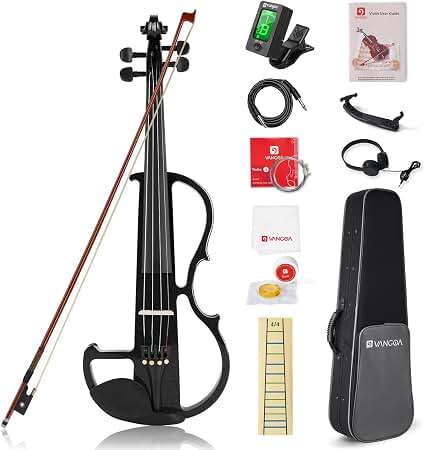
Many low-cost beginner violins are sold in complete outfits. These sets may include a bow, case, rosin, and shoulder rest. An outfit can be convenient, but the accessories may be basic. Check the violin itself before focusing on the extras.
Intermediate violins
Intermediate instruments often provide more control, richer tone, and better projection. They may use more carefully selected woods and higher-quality fittings.
These violins suit students who practice often, perform in ensembles, or need more sound range. The difference may not be obvious to a brand-new player, so a teacher’s opinion is valuable.
Advanced and professional violins
Advanced violins can have refined tone, strong projection, and fast response. Their sound may change greatly with bow speed, pressure, and contact point.
These instruments require careful testing. A violin that sounds impressive under the ear may not project well across a concert hall. Experienced players should test the instrument from several distances or ask another player to perform while they listen.
Set a Realistic Budget
Budget is central to how to select a violin. Price does not guarantee quality, but extremely cheap instruments often need repairs or setup work that raise the final cost.
Your budget should include more than the violin:
• Bow
• Case
• Rosin
• Shoulder rest
• Extra strings
• Tuner
• Professional setup
• Future repairs
• Lessons
For many beginners, a rental program can be a smart choice. Rental instruments often include maintenance, size exchanges, and insurance options. This is helpful for children who may outgrow a violin within months.
Buying can make sense when the player is committed or when a shop offers a trade-in program. A trade-in plan may let you apply much of the purchase price toward a better instrument later.
Be cautious with very cheap online listings. Some instruments arrive with bridges lying flat, strings placed incorrectly, rough fingerboards, or pegs that do not hold. The lowest price is not always the lowest total cost.

Inspect the Violin’s Construction
A careful inspection can reveal whether a violin is ready to play or likely to need costly work. If you are new to string instruments, take a teacher or repair professional with you.
Check the violin from several angles. The body should look symmetrical, and the neck should appear straight when viewed from the tailpiece toward the scroll.
Look for these signs:
• Open seams along the edges
• Cracks near the f-holes, bridge, or end button
• A bridge that leans or has warped feet
• A fingerboard that is rough or uneven
• Pegs that slip or feel extremely tight
• A tailpiece that sits too close to the bridge
• Loose purfling around the top and back
• A neck that appears to lean sideways
• A sound post that has fallen or is badly placed
Small marks do not always harm a violin. Older instruments can have honest wear and still play beautifully. Structural cracks, poor repairs, and neck problems matter more than normal scratches.
Never remove the top of a violin during a casual inspection. Internal repairs should be assessed by a qualified luthier.
Check the Setup Before Judging the Sound
A good setup can transform a violin. A poor setup can make a quality instrument feel impossible to play.
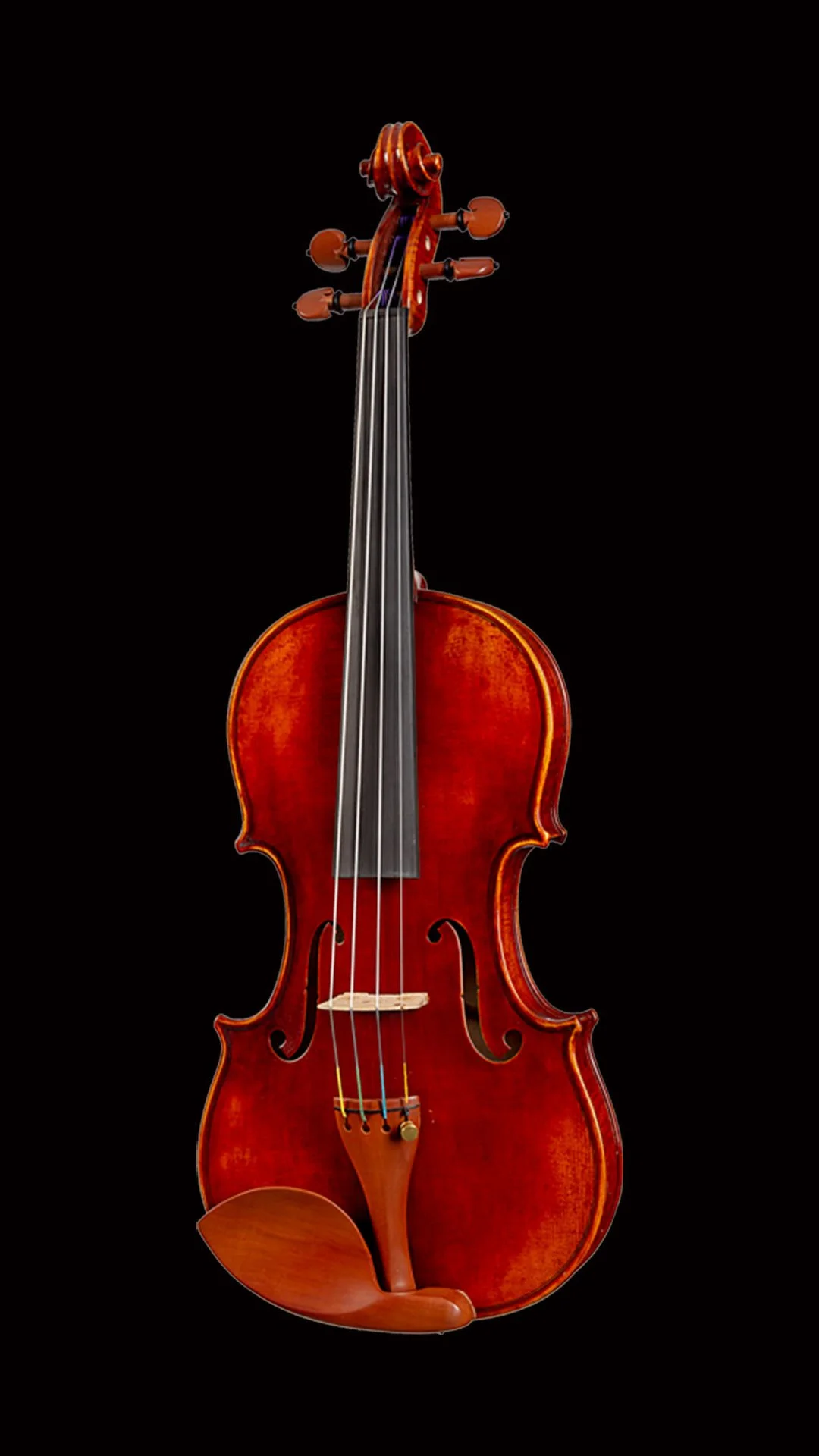
Setup refers to the adjustment of the violin’s parts for comfort, tuning, response, and tone. It may include shaping the bridge, fitting the sound post, adjusting the pegs, dressing the fingerboard, and selecting suitable strings.
A properly set-up violin should have:
• A bridge with clean, even feet
• Strings at a comfortable height
• Pegs that turn smoothly and hold firmly
• A fingerboard with the correct curve
• A tailpiece that sits securely
• A chin rest that does not cause pain
• A sound post placed by a trained professional
• No buzzing from loose parts
The bridge should stand upright rather than leaning toward the fingerboard or tailpiece. Its feet should fit the top of the violin closely.
Many first-time buyers judge a violin before it receives a proper setup. That is like judging a bicycle with flat tires. Ask the seller whether the instrument has been adjusted by a qualified violin technician.
Test the Violin’s Sound
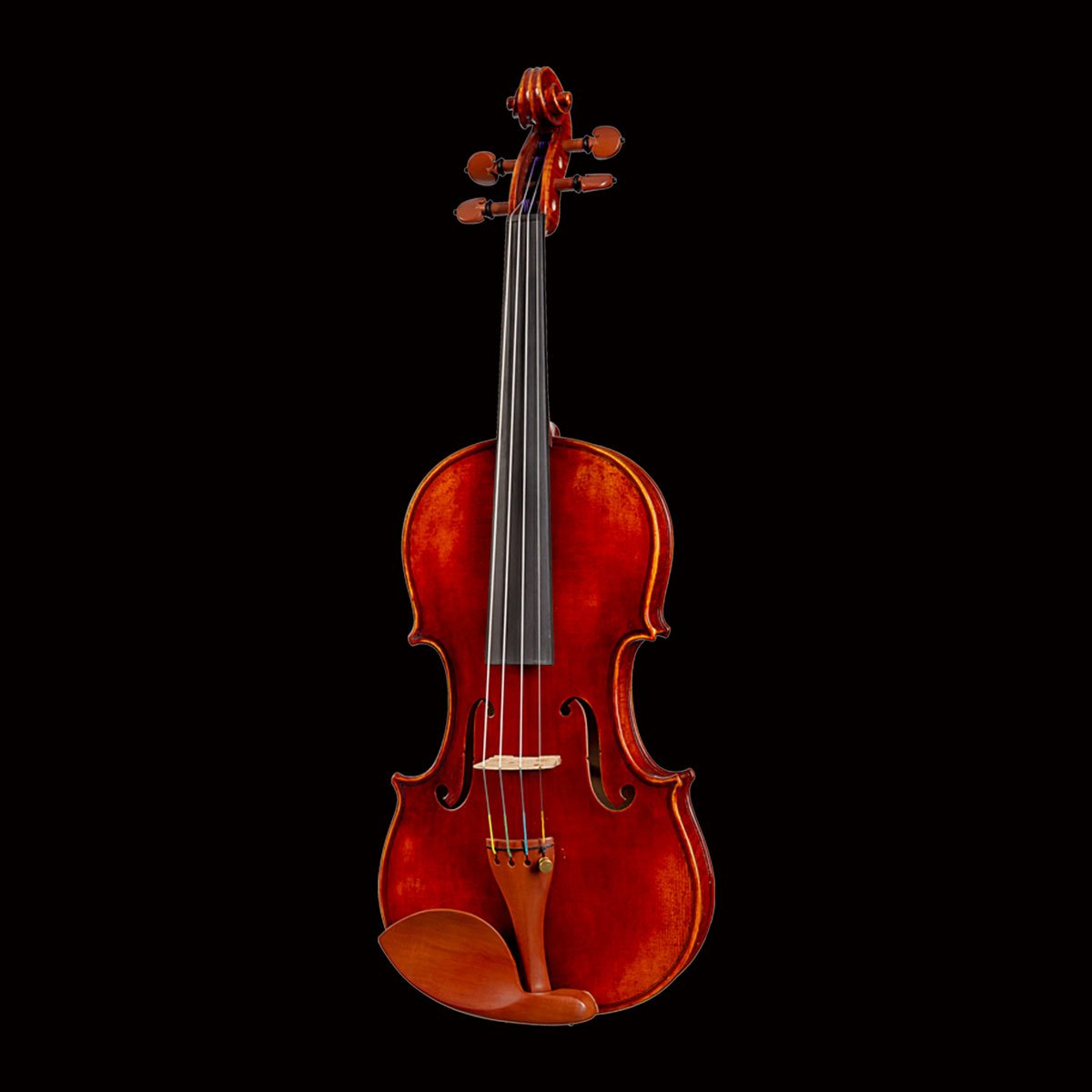
Sound is personal, but several qualities can guide your decision. A good violin should respond without excessive force and produce a clear tone across all four strings.
Listen for:
• Clarity: Notes should speak without a weak or fuzzy edge
• Balance: The four strings should work well together
• Warmth: The sound should have depth without becoming dull
• Brightness: The tone should carry energy without sounding harsh
• Projection: The sound should travel beyond the player
• Response: Notes should begin without delay
• Range: The violin should offer more than one basic color
Do not test only open strings. Play scales, simple songs, long bows, and short notes. Try the low G string, which can reveal a lack of depth, and the high E string, which can expose harshness or a weak response.
If you are a beginner, ask a teacher or experienced player to test the violin. Beginners often hear bow noise and finger mistakes more strongly than the instrument’s true character.
It also helps to listen from across the room. A violin may sound loud under the ear but small at a distance. Another may seem quiet to the player yet project beautifully.
Test More Than One Violin
Learning how to select a violin becomes easier when you compare several instruments under similar conditions. Testing only one violin can make ordinary features seem special.
Try to compare three to five instruments in the same price range. Use the same bow, similar strings when possible, and the same short musical passages.
Use a simple scoring sheet:
• Comfort
• Ease of tuning
• Response
• Tone on each string
• Projection
• Build quality
• Price
• Repair needs
• Emotional connection
Play each violin for a few minutes, then pause. Long testing can cause ear fatigue. When every violin begins to sound alike, take a break and return later.
An experienced player may notice small differences in response and color. Those differences matter because the best violin is not always the loudest or most expensive. It is the one that supports your technique and inspires regular practice.

Select the Right Bow
A violin bow is not just an accessory. It strongly affects tone, control, articulation, and comfort.
A beginner bow should feel balanced and should not be excessively heavy. The hair should be clean, evenly spread, and properly tensioned. The stick should not appear badly warped.
Inspect the bow for:
• A straight stick when viewed from the frog toward the tip
• A frog that fits securely
• A screw that turns smoothly
• Even bow hair
• No major cracks near the frog or tip
• Comfortable weight and balance
Carbon fiber bows can offer good durability and stable performance. Wooden bows can provide excellent feel and tone, but quality varies widely.
When testing a bow, play slow bows and simple changes in direction. Notice whether it grips the string without forcing. A bow that feels easy to control can make a basic violin sound much better.
Choose Strings and Accessories Carefully
Strings influence the violin’s tone and playing feel. A very bright violin may benefit from warmer strings, while a dark violin may need strings with more focus and response.
Do not change strings at random. Ask a teacher or luthier for advice, especially if the violin is new to you. String tension and design can affect the bridge and setup.
Useful accessories include:
• A sturdy case with good padding
• A shoulder rest that fits the player
• Quality rosin
• A clip-on tuner
• A cleaning cloth
• A music stand
• A spare set of strings
• A small humidifier for dry climates
The shoulder rest is a comfort choice, not a rule. Some players use one, while others prefer a different setup. The key is to keep the shoulders relaxed and avoid squeezing the violin with the neck.
Wipe rosin dust from the strings and top after playing. Heavy dust can harm the finish over time and may make the sound feel rough.
Decide Between New, Used, and Vintage Violins
New violins offer predictable condition and may include a warranty or return period. They are often easier for beginners because the shop can provide setup support.
Used violins can offer excellent value. Some have mature, attractive tone and may already be well adjusted. However, condition matters more than age.
Vintage does not automatically mean better. An old violin may have serious repairs, replaced parts, or a history that is difficult to verify. A reputable luthier should inspect any costly older instrument.
Consider these benefits and limitations:
• New: Easier returns and known condition, but tone may need time to develop
• Used: Potentially better value, but may require expert inspection
• Vintage: Possible character and history, but higher repair and authenticity risks
• Rental: Low initial cost and flexible sizing, but no long-term ownership
Ask for a written condition report when buying an expensive violin. Keep receipts, repair records, and any information about the instrument’s origin.
Buy from a Reputable Seller
A trustworthy seller should welcome questions and allow a reasonable trial period. They should explain the instrument’s condition, setup, return terms, and included accessories.
Good places to explore include:
• Established violin shops
• Luthiers with strong local reputations
• Teacher-recommended dealers
• School or orchestra rental programs
• Reliable specialist marketplaces
Be careful with sellers who pressure you to buy immediately. Claims such as “this is a rare investment” or “someone else is coming to buy it today” should not replace a proper inspection.
Ask these questions:
- Has the violin been professionally set up?
- Are there any repaired cracks or open seams?
- What strings are installed?
- Is the bridge original and properly fitted?
- Can I return or exchange the violin?
- Is there a trade-in policy?
- Does the price include a bow and case?
- Can my teacher or luthier inspect it?
A clear answer builds trust. Avoid a seller who cannot explain basic details about the instrument.
Avoid Common Violin-Buying Mistakes
Even careful buyers can make poor choices when emotion takes over. A beautiful finish or famous label can distract from comfort, sound, and condition.
Avoid these common mistakes:
• Buying the largest size for a child
• Choosing the lowest price without checking setup
• Assuming an old violin is automatically valuable
• Testing only open strings
• Buying without hearing the violin from a distance
• Ignoring a teacher’s or luthier’s advice
• Spending the entire budget on the violin and forgetting the bow
• Confusing loudness with quality
• Buying from a seller with no return policy
• Failing to compare several instruments
One common lesson in violin selection is that labels can mislead. A printed name inside the violin does not prove that the named maker built it. Many older violins contain copies of famous labels.
The instrument should earn your trust through its condition, playability, sound, and documented history.
Use a Practical Buying Process
A clear process takes pressure out of the decision. Follow these steps when learning how to select a violin:
- Set a total budget for the violin, bow, case, and setup.
- Confirm the correct violin size with a teacher or shop expert.
- Decide whether renting, buying new, or buying used fits your needs.
- Visit a reputable shop or arrange a trial period.
- Inspect the violin for cracks, open seams, and setup problems.
- Test several instruments with the same short pieces.
- Ask an experienced player to listen from across the room.
- Compare comfort, response, tone, projection, and condition.
- Have a luthier inspect an expensive or vintage instrument.
- Review the return, repair, and trade-in policies before paying.
This process works because it balances facts with personal response. A violin must meet practical standards, but it should also make you want to play.
Frequently Asked Questions About How to Select a Violin
What size violin should an adult use?
Most adults use a 4/4 full-size violin. Adults with smaller hands or shorter arms may feel more comfortable with a 7/8 violin, but a teacher or shop professional should confirm the fit.
How much should a beginner spend on a violin?
The right budget depends on local prices, rental options, and whether accessories are included. Focus on a reliable setup and total value rather than choosing the cheapest instrument available.
Is it better to rent or buy a violin?
Renting is often practical for children, beginners, and players who are unsure about long-term study. Buying may be better for committed players, especially when the shop offers maintenance or a trade-in plan.
How can I tell if a violin sounds good?
Play across all four strings and listen for clear response, balanced tone, and useful projection. Have another player perform while you listen from several feet away, because a violin can sound different under the ear and across a room.
Are expensive violins always better?
No. Price can reflect craftsmanship, materials, history, and condition, but it does not guarantee that an instrument suits you. A less expensive violin with excellent setup may be easier and more enjoyable to play.
Should I buy a violin online?
Online buying can work when the seller offers a clear return period, accurate photos, condition details, and setup support. Avoid expensive purchases from sellers who cannot provide reliable information or allow an inspection.
How often should violin strings be replaced?
String life depends on playing time, sweat, string type, and sound changes. Many regular players replace strings every few months, while occasional players may replace them less often when the strings remain stable and clear.
Conclusion
The best way to select a violin is to consider size, comfort, construction, setup, sound, bow quality, and total cost together. Test several instruments, listen from a distance, and ask a teacher or luthier for help when possible.
Do not rush toward the loudest, oldest, or most expensive violin. Choose the instrument that feels comfortable, responds easily, and encourages you to practice. Visit a reputable violin shop, compare your options, and take time to find the violin that feels like a trusted musical partner.

Senior Music Reviewer
Alex Carter is a seasoned music reviewer with over a decade of experience in the world of sound and instruments. Passionate about helping musicians and enthusiasts make informed choices, he brings sharp insights and in-depth knowledge to every review. From classical instruments to modern gear, Alex combines technical expertise with a love for music to deliver content that resonates with readers.
As a Senior Music Reviewer and expert author on Tuneluma.com, Alex is dedicated to sharing honest evaluations, practical advice, and thoughtful commentary to guide readers in their musical journey.