Is Electric Violin Easier To Play: Beginner Guide
An electric violin can feel easier to practice, but it does not make bowing, tuning, or finger placement effortless.
If you are asking, “is electric violin easier to play,” the honest answer depends on your goals, setup, and experience. Electric violins offer quiet practice, useful effects, and easy amplification. However, they still require the same core skills as an acoustic violin. This guide explains the real differences, common benefits, limits, and practical ways to choose the right instrument.

Is electric violin easier to play than acoustic violin?
An electric violin is not automatically easier to play. It has the same four strings, fingerboard, bow, and basic playing method as an acoustic violin. You still need to learn posture, bow control, rhythm, intonation, and music reading.
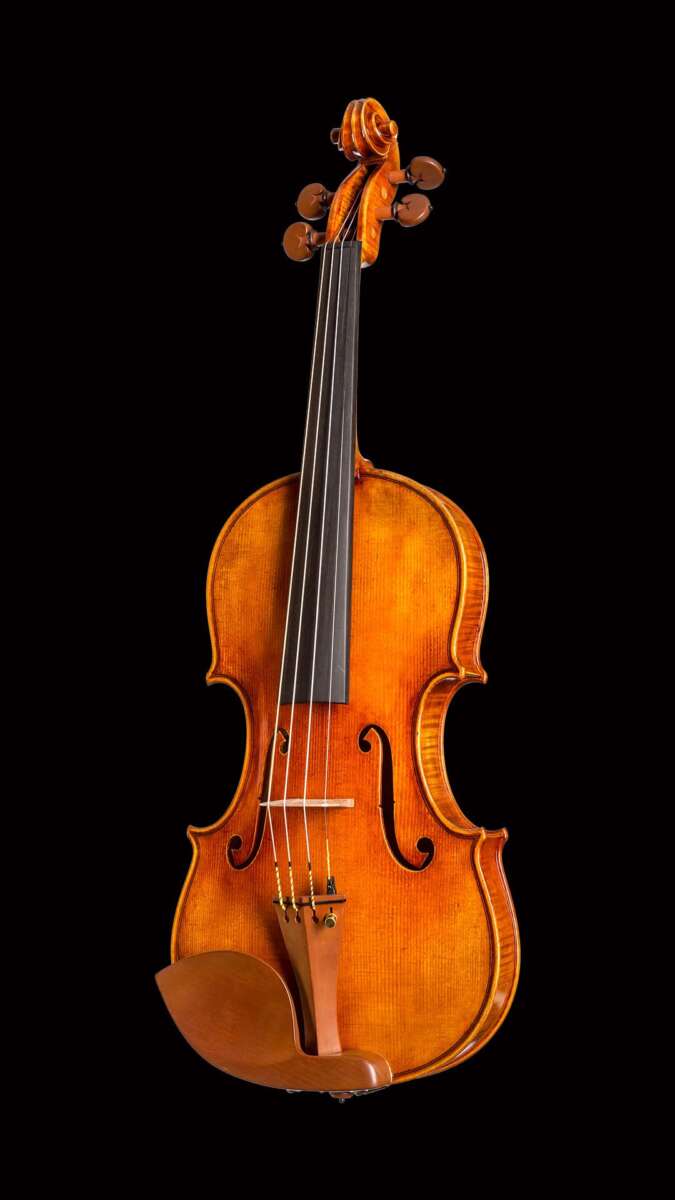
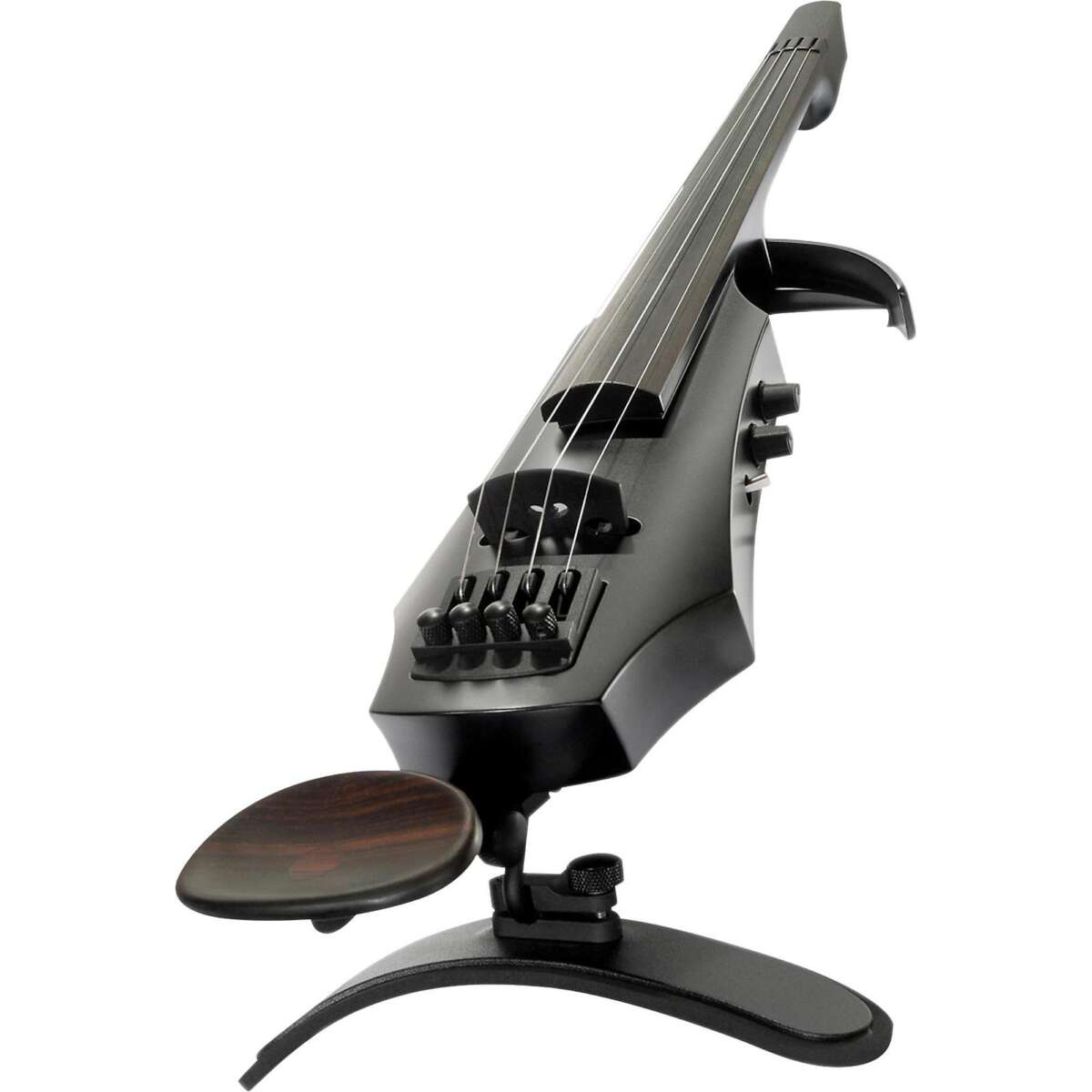
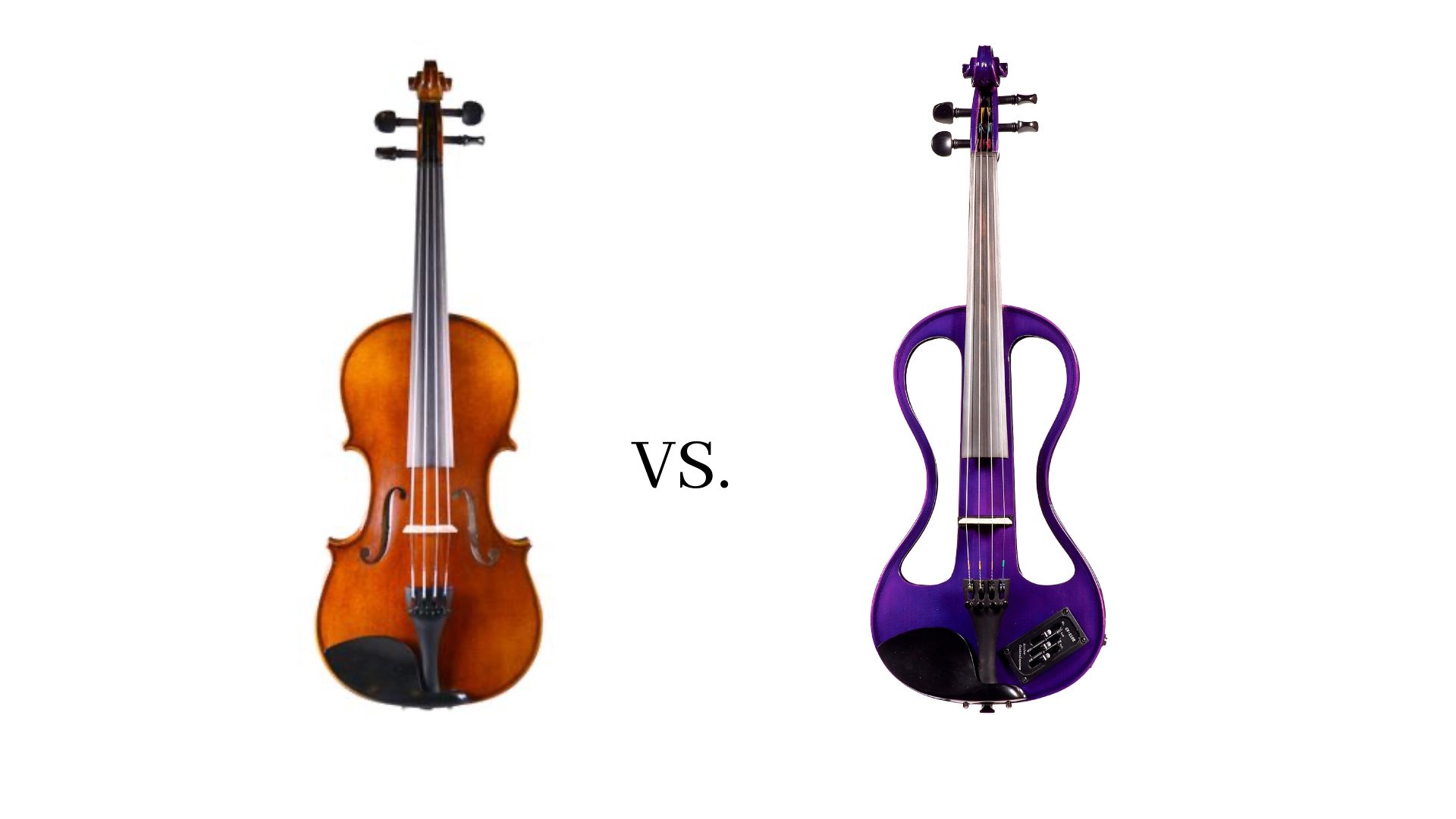
The main difference is how the violin creates and sends sound. An acoustic violin uses a hollow wooden body to project sound. An electric violin uses a pickup and an amplifier or headphones.
This difference can make some parts of learning easier:
• You can practice with headphones.
• You can control your volume.
• You can connect effects and recording gear.
• You may feel less nervous when practicing around others.
Yet some parts may feel harder. Many electric violins have a different body shape, a less natural unplugged sound, or more weight from electronics. The bow may also produce a sound that feels less forgiving through an amplifier.
So, is electric violin easier to play? It can be easier to practice and manage, but it is not a shortcut to violin technique.
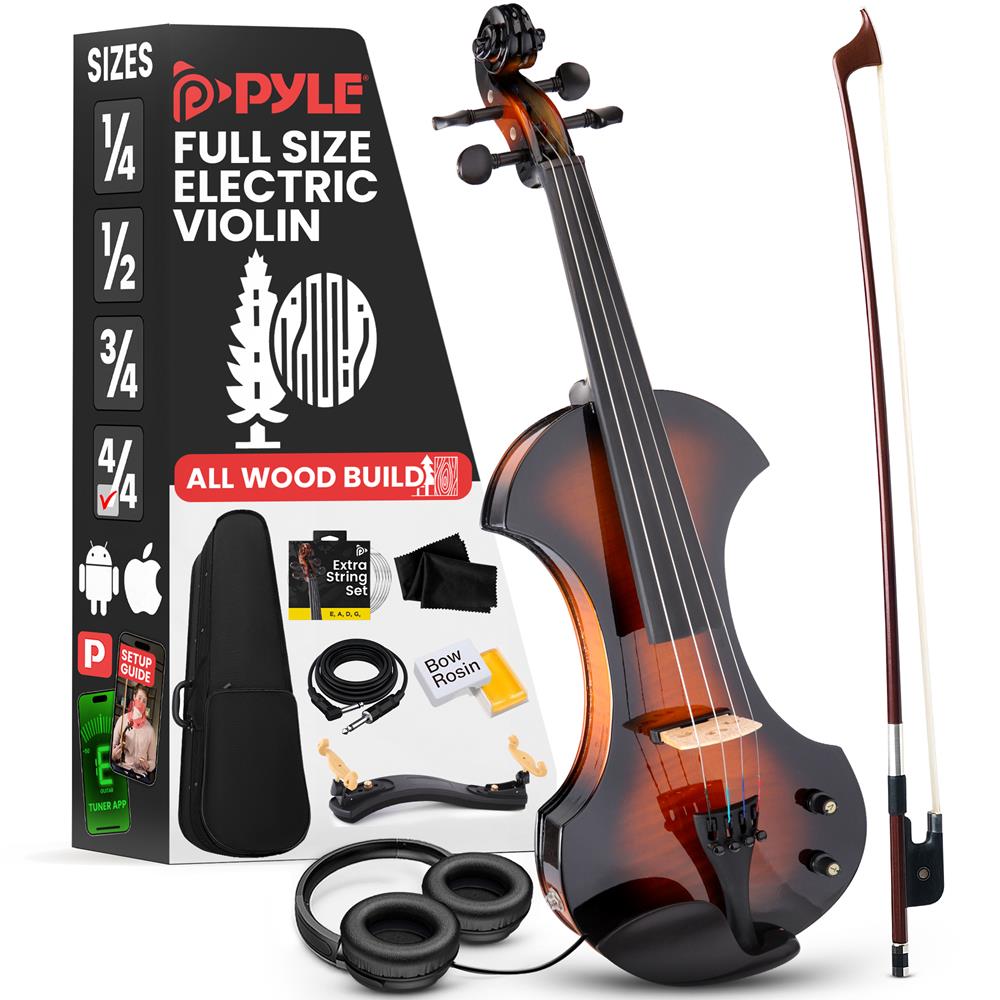
What makes an electric violin easier for some players?
The greatest advantage of an electric violin is control. You control the volume, sound, and practice setting. This can remove barriers that stop beginners from playing often.
Quiet practice
Quiet practice is a major reason people choose an electric violin. With headphones, you can play in an apartment, dorm, bedroom, or shared home without disturbing others.
This benefit can change your practice habits. A student who avoids practice at night may suddenly play for 20 minutes each evening. Regular practice often matters more than the type of violin.
However, “silent” does not mean completely silent. The strings and bow still create a soft acoustic sound. You may also hear finger movement and bow contact.
Less fear of making mistakes
Beginners often worry about squeaks, weak notes, and poor intonation. An electric violin with headphones can make practice feel private.
That privacy may help you focus. You can repeat a difficult scale without worrying that someone in the next room is listening.
Still, avoid using effects to hide mistakes. Reverb and distortion can make poor bow control sound less obvious. Practice cleanly first, then add effects for fun.
Easy connection to devices
Many electric violins connect to an amplifier, audio interface, effects pedal, or computer. This makes them useful for recording and modern music.
You can also play with backing tracks. This helps you work on rhythm, timing, and musical confidence.
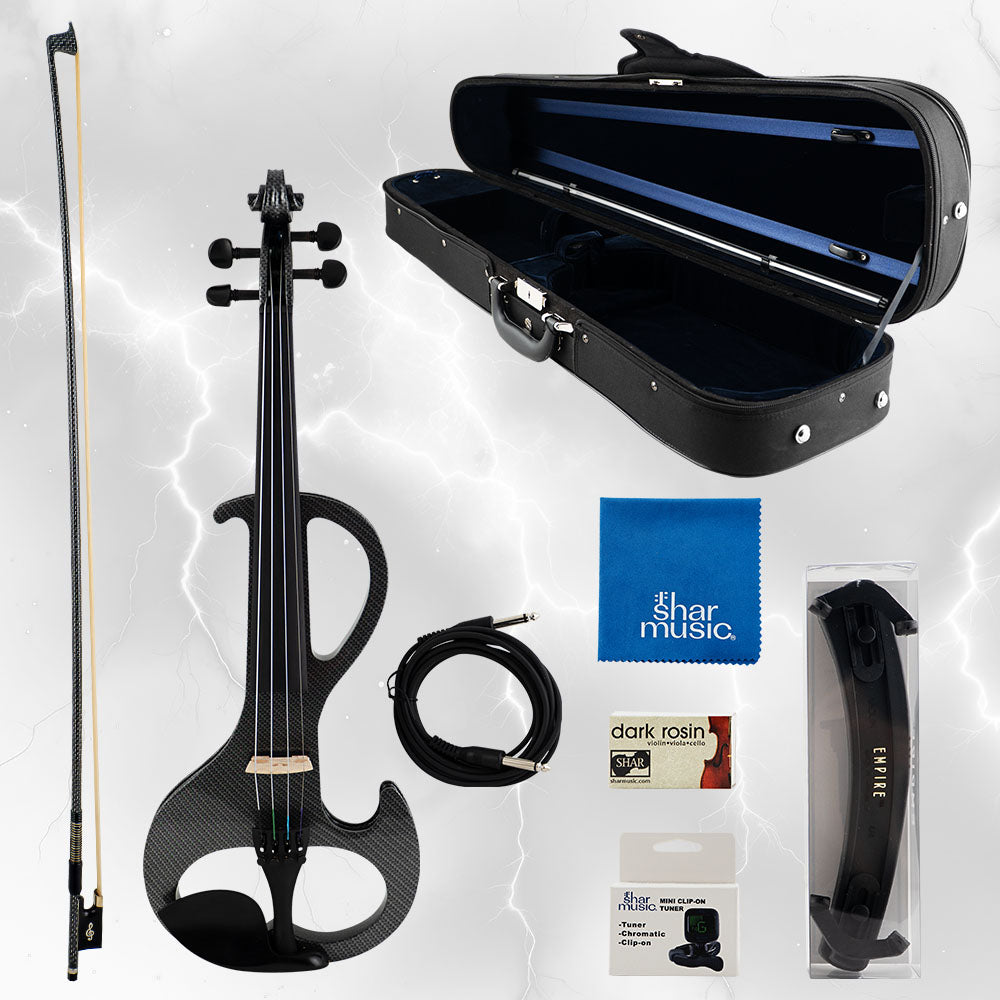
A basic setup may include:
• Electric violin
• Bow and rosin
• Headphones or amplifier
• Tuner
• Optional audio interface or effects pedal
A comfortable sound level
An acoustic violin can sound sharp and loud in a small room. Some players find that tiring. An electric violin lets you lower the output level.
This can make long practice sessions more comfortable. It may also reduce the chance of annoying family members or neighbors.
Remember that headphones can still be too loud. Keep the volume at a safe level and take breaks during long sessions.
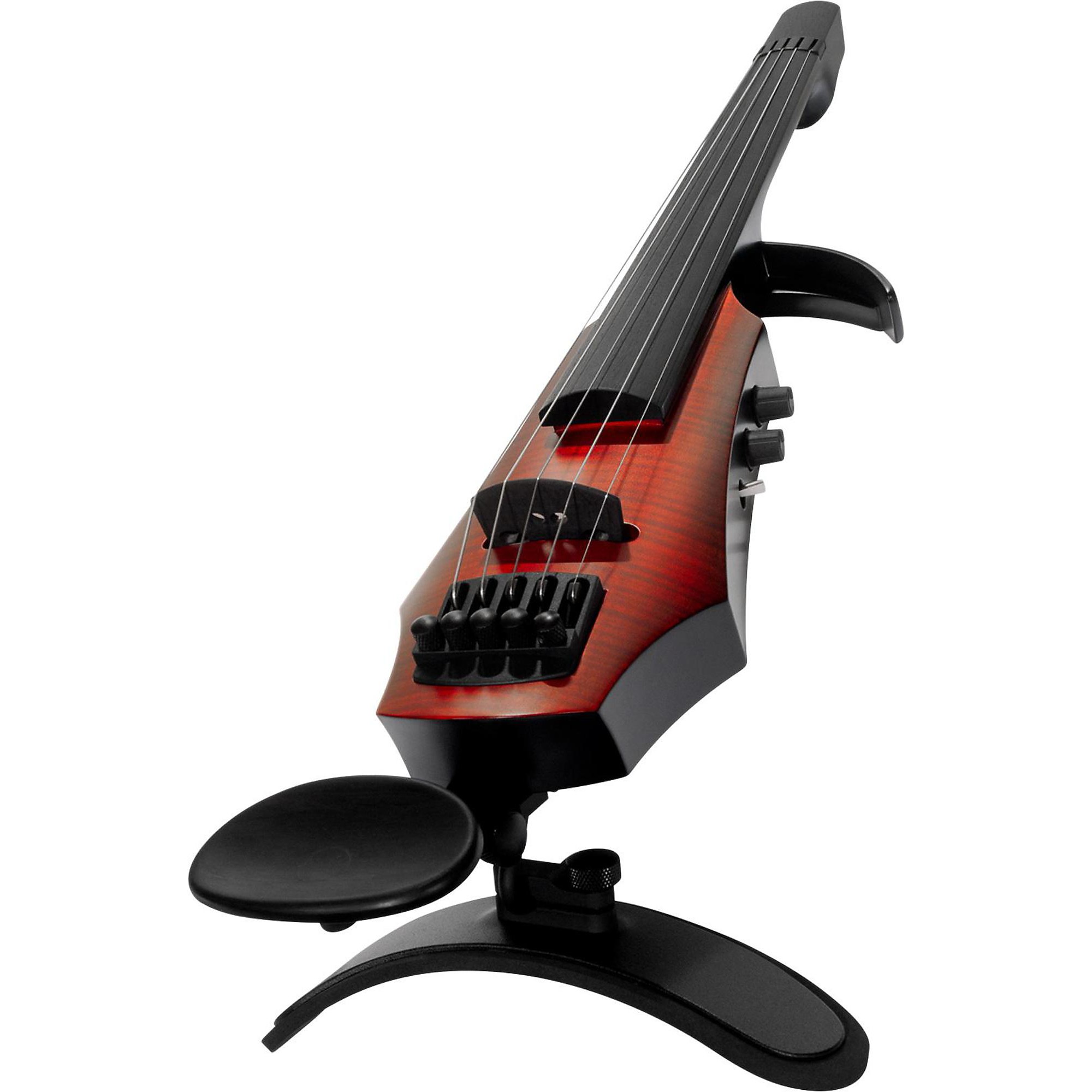
What can make an electric violin harder to play?
An electric violin can solve some problems while creating others. Understanding these limits will help you make a better choice.
The unplugged sound may be weak
Many electric violins sound quiet and thin without an amplifier. This is normal. Their bodies are not designed to project sound like a traditional violin.
That can make self-evaluation harder. You may not hear every detail of your tone without headphones or an amplifier.
A good solution is to use a clean sound setting. Start with little or no reverb. This gives you a clearer picture of your bowing and intonation.
The weight and balance may feel different
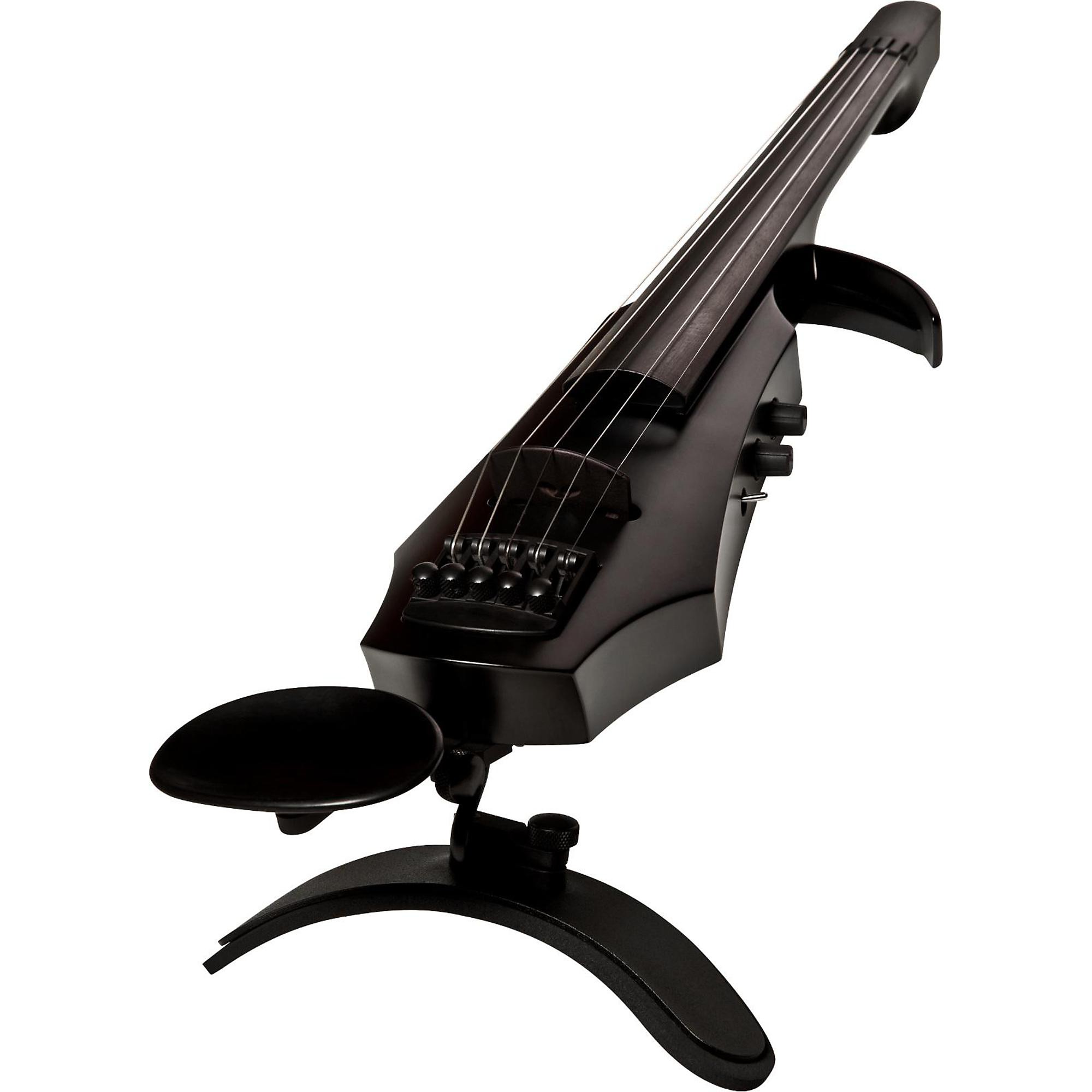
An acoustic violin is shaped around the player’s body. An electric violin may have a solid body, a frame, or extra electronics. These changes can affect balance.
A violin that feels neck-heavy may cause tension in your left hand. A heavy shoulder area may make your posture uncomfortable.
Before buying, check:
• Total instrument weight
• Neck shape
• Chin rest position
• Shoulder rest fit
• Balance while standing and sitting
Small comfort problems can become large practice problems over time.
The tone can expose bow problems
Some electric violins produce a direct, bright tone. This can make scratchy bowing more noticeable.
That is not always a disadvantage. A clear electric tone can show where your bow pressure or speed needs work. Think of it as a mirror. It may not flatter you, but it can help you improve.
Electronics add more points of failure
With an acoustic violin, you mainly worry about strings, the bridge, the bow, and the instrument body. An electric violin also has a pickup, output jack, battery, preamp, or cable.
Possible problems include:
• Crackling from a loose cable
• Weak sound from a low battery
• Hum from poor electrical grounding
• Distortion from excessive amplifier gain
• A faulty pickup or output jack
These problems are manageable, but they add a learning curve.
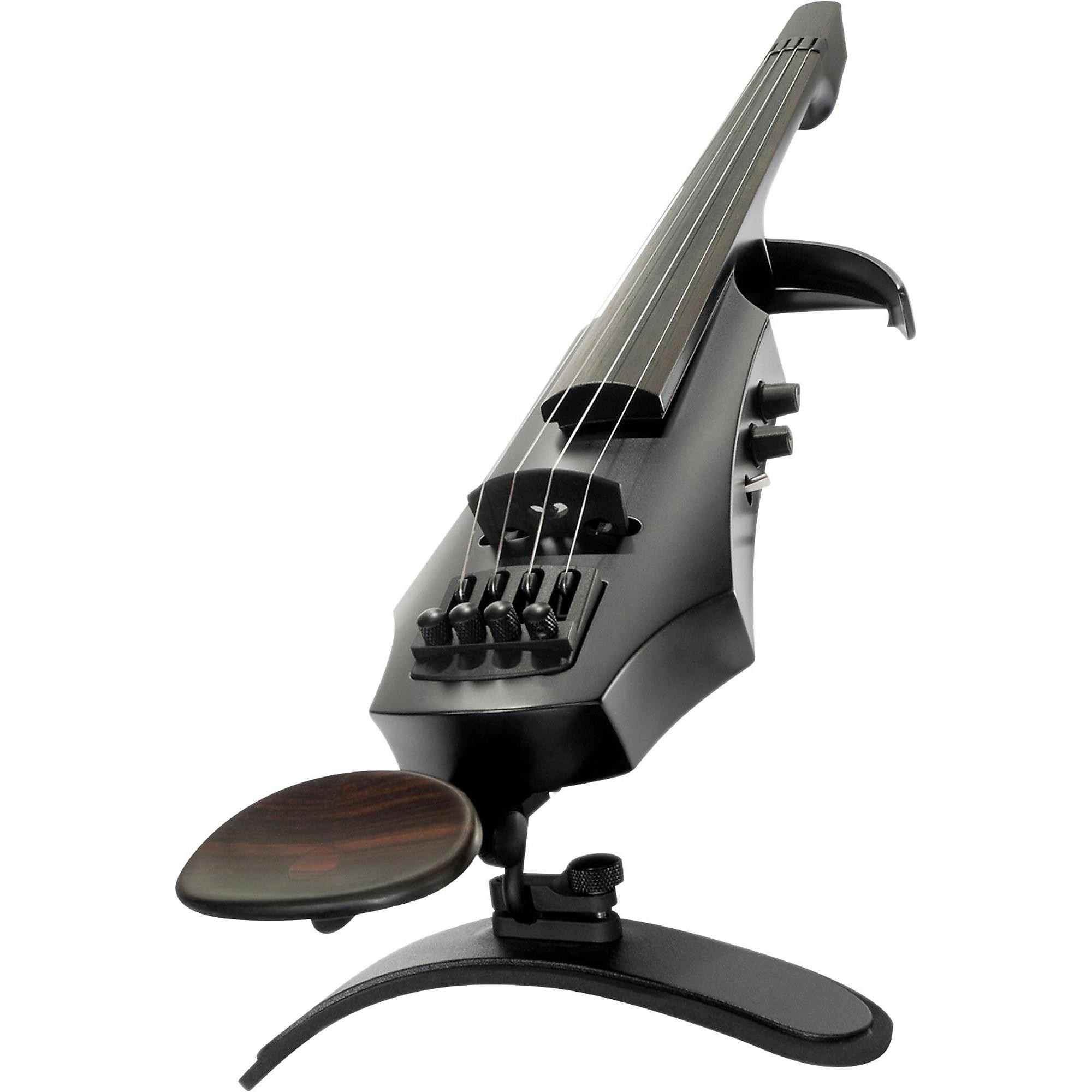
Does an electric violin help beginners learn faster?
An electric violin may help a beginner practice more often. It does not automatically help a beginner learn faster.
Learning speed depends on several factors:
• Quality of instruction
• Practice frequency
• Correct posture
• Listening skills
• Instrument setup
• Motivation
A beginner who practices 20 focused minutes each day may progress faster than someone who owns an excellent acoustic violin but rarely plays.
The danger is assuming that technology replaces technique. An electric violin cannot correct a bent wrist, poor bow hold, or sharp finger placement. It only gives you more control over sound and practice conditions.
A teacher can also help you avoid problems. Online lessons may work well, but early feedback is valuable. A teacher can spot tension and posture issues before they become habits.
If you start with an electric violin, practice these skills from the beginning:
-
Keep your shoulders relaxed.
-
Hold the bow with a soft hand.
-
Place your fingers close to the correct notes.
-
Use a tuner during slow practice.
-
Practice long, even bow strokes.
-
Record yourself with a clean tone.
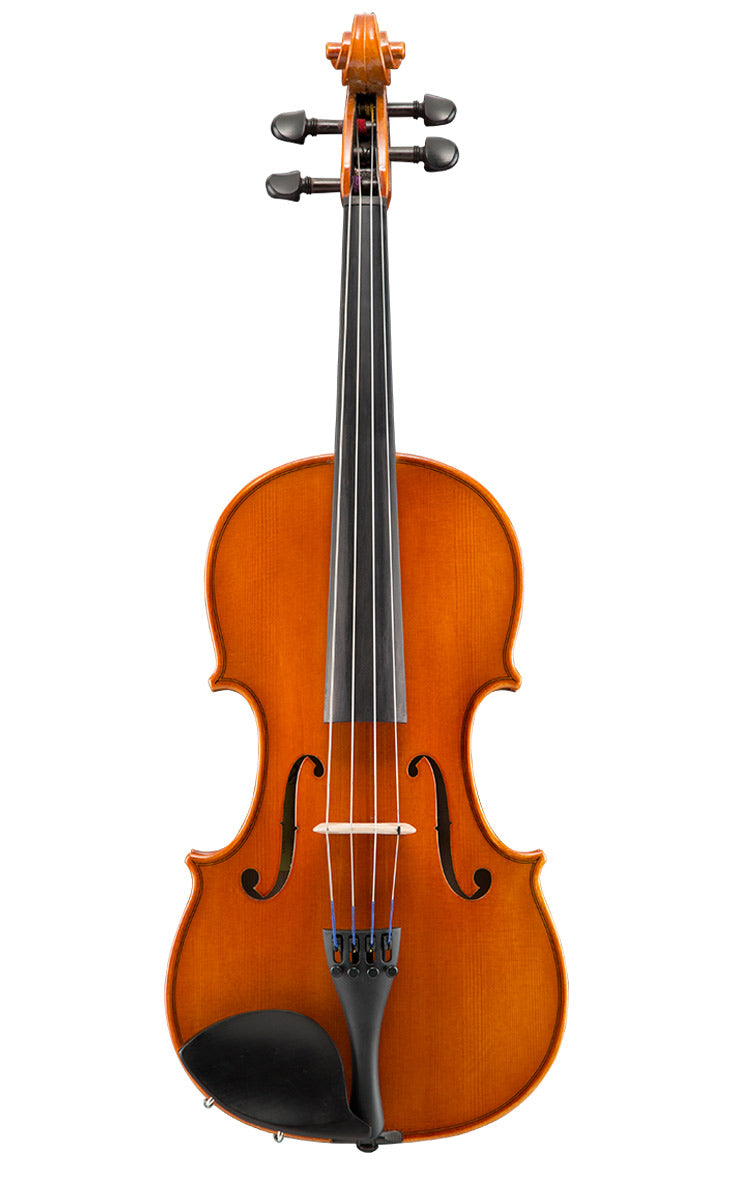
Electric violin versus acoustic violin: key differences
The best choice depends on what you want to do. Neither instrument wins in every situation.
| Feature | Electric violin | Acoustic violin |
|---|---|---|
| Practice volume | Easy to reduce with headphones | Naturally loud |
| Amplification | Built in through a pickup | Needs a microphone or pickup |
| Natural tone | Depends on electronics and amp | Comes from the instrument body |
| Effects | Easy to use | Requires extra equipment |
| Weight | May be heavier or unusual | Often feels more traditional |
| Maintenance | Includes electronics | Mostly acoustic parts |
| Beginner feedback | Can be clear but processed | Natural and immediate |
| Live performance | Convenient for amplified music | Common in classical settings |
An acoustic violin is often the better choice for classical training. It gives you direct feedback from the instrument and matches the setup used in most traditional lessons and orchestras.
An electric violin may be better for rock, pop, worship music, folk groups, recording, and quiet home practice. Some players use both. They practice technique on an acoustic violin and use an electric violin for performance or late-night sessions.
Is electric violin easier to play for adults?
For many adults, an electric violin can make starting less stressful. Adults often have busy schedules and shared living spaces. Quiet practice removes one common barrier.
Adults may also enjoy the creative side of electric violin. Effects, looping, and recording can make practice feel rewarding from the first week.
However, adult beginners should not ignore basic setup. A poor chin rest or shoulder rest can create neck and shoulder tension. Ask a teacher or experienced violin shop to check your position.
Adults should also set realistic goals. Your first goal might be playing open strings with a steady bow. Later goals may include simple songs, scales, vibrato, and improvisation.
The instrument should support your routine. It should not become another complicated device that stays in its case.
Is electric violin easier to play for children?
An electric violin can work well for a child, but size and fit matter more than electronics. Children need an instrument that matches their body size and allows relaxed movement.
A full-size electric violin may be too large or heavy for a young player. Smaller electric models exist, but quality and tone can vary.
Parents should consider:
• The child’s age and arm length
• Instrument weight
• Neck comfort
• Teacher recommendations
• Availability of replacement parts
• Safe headphone volume
For many children, an acoustic violin is a better starting point because it teaches natural sound production. An electric violin can be added later for performances, recording, or quiet practice.
The most important feature is motivation. If a child enjoys the instrument and practices willingly, progress is more likely.
Can you learn violin on an electric violin?
Yes, you can learn violin on an electric violin. The main skills transfer well, including bow hold, finger placement, scales, rhythm, and music reading.
The setup should be close to a normal violin. Use standard tuning unless your teacher gives you another plan. Avoid heavy effects during lessons and technical practice.
One concern is that some electric violins have unusual designs. A headless model, different bridge shape, or altered body can feel unfamiliar when you later switch to an acoustic violin.
To keep your skills transferable:
• Practice with a clean tone.
• Use a normal violin-style bow.
• Keep the instrument in standard tuning.
• Play scales and simple melodies.
• Practice both seated and standing.
• Try an acoustic violin from time to time.
This approach gives you the quiet and creative benefits of electric violin while preserving useful acoustic technique.
How to make an electric violin easier to play
A good setup can make a major difference. Beginners often blame themselves when the real problem is poor adjustment.
Choose a comfortable instrument
Do not choose only by appearance or price. Hold the violin for several minutes. Check whether your left hand feels relaxed and whether your shoulder stays level.
A very cheap instrument may have poor tuning stability, sharp edges, or weak electronics. A higher price does not guarantee quality, but extremely low prices often come with compromises.
Use fresh strings
Old strings can sound dull and feel stiff. Fresh strings respond more easily and make intonation clearer.
Change strings based on use. A frequent player may replace them every few months. A casual player may go longer, but damaged or dead strings should not stay on the instrument.
Check the bridge and action
The action is the height of the strings above the fingerboard. If it is too high, pressing notes becomes tiring. If it is too low, the strings may buzz.
A qualified violin repair professional should adjust the bridge and action. Do not file the bridge yourself unless you have proper training.
Set the amplifier correctly
Start with a clean channel and moderate volume. Add only a small amount of reverb after your basic tone sounds clear.
Too much gain can create noise. Too much reverb can blur rhythm and intonation. A simple sound is often the best learning sound.
Use a tuner and metronome
A tuner helps you understand pitch. A metronome helps you build steady timing. These tools do not replace your ears, but they give useful feedback.
Play slowly. Speed hides errors, while slow practice reveals them.
Common mistakes when buying an electric violin
Many buyers focus on color, shape, or special effects. Those features matter less than playability and reliability.
Avoid these mistakes:
• Buying without checking the instrument’s weight
• Choosing a model with no return policy
• Assuming every electric violin works with headphones directly
• Forgetting to buy a suitable cable or adapter
• Using a guitar amplifier without checking compatibility
• Ignoring shoulder rest and chin rest comfort
• Buying the cheapest model for serious study
Some electric violins need a headphone amplifier or audio interface. Others have built-in headphone output. Read the specifications before buying.
Also check whether the violin uses an active battery-powered system or a passive pickup. Active systems may offer more output but need batteries. Passive systems can be simpler but may require a suitable preamp.
A reputable music store can help you test the violin with your intended equipment.
Who should choose an electric violin?
An electric violin may suit you if you:
• Need quiet practice at home
• Want to play amplified music
• Enjoy rock, pop, jazz, or electronic sounds
• Plan to record music
• Want to use effects pedals
• Feel motivated by modern equipment
An acoustic violin may suit you better if you:
• Want classical orchestra training
• Prefer a natural violin tone
• Need the lightest traditional setup
• Study with a teacher who uses acoustic instruments
• Plan to audition for traditional ensembles
You do not have to choose only one. Many serious violinists keep both. Each instrument can serve a different purpose.
The best violin is the one that helps you practice well and play with less tension.
Is electric violin easier to play? Frequently asked questions
Is electric violin easier to play than acoustic violin for beginners?
It can be easier to practice because you can lower the volume and use headphones. However, the core skills are the same, so beginners still need regular lessons and focused practice.
Can an electric violin sound like an acoustic violin?
Some electric violins can produce a convincing acoustic-style sound through a good amplifier or digital setup. The result depends on the pickup, instrument, preamp, amplifier, and effects settings.
Do electric violins need an amplifier?
Most electric violins need an amplifier, headphones, audio interface, or another powered device to produce a strong sound. Some models include headphone features, but you should check the product specifications before buying.
Is an electric violin good for classical music?
An electric violin can play classical music, but an acoustic violin is usually preferred for traditional lessons, orchestras, and auditions. Electric models may not provide the same natural tone or response expected in classical settings.
Can you use regular violin strings on an electric violin?
Many electric violins use standard violin strings, but not every model does. Check the manufacturer’s instructions or ask a qualified violin technician before changing string types.
Is an electric violin quieter than an acoustic violin?
An electric violin is usually much quieter when unplugged, and you can practice through headphones. It still creates some physical sound from the strings and bow, so it is not completely silent.
Is an electric violin worth buying?
It can be worth buying if quiet practice, amplified performance, recording, or effects are important to you. It may not be the best choice if your main goal is traditional classical training and natural acoustic tone.
Conclusion
So, is electric violin easier to play? It is easier in some practical ways, especially for quiet practice, amplification, recording, and creative sound design. It does not remove the need to learn bow control, accurate finger placement, good posture, and steady rhythm.
Choose an electric violin if its features match your daily needs. Test its weight, comfort, sound, and equipment before buying. Keep your tone clean during practice, and use a teacher or experienced player to guide your technique.
With the right setup and steady practice, an electric violin can become a useful and inspiring part of your musical life. Compare a few models, try one in person if possible, and start building a practice routine that you can enjoy and maintain.

Senior Music Reviewer
Alex Carter is a seasoned music reviewer with over a decade of experience in the world of sound and instruments. Passionate about helping musicians and enthusiasts make informed choices, he brings sharp insights and in-depth knowledge to every review. From classical instruments to modern gear, Alex combines technical expertise with a love for music to deliver content that resonates with readers.
As a Senior Music Reviewer and expert author on Tuneluma.com, Alex is dedicated to sharing honest evaluations, practical advice, and thoughtful commentary to guide readers in their musical journey.