Is Violin Hard To Learn As An Adult: What To Expect
Learning violin as an adult is challenging, but steady practice makes real progress both possible and rewarding.
If you are wondering, “is violin hard to learn as an adult,” the honest answer is yes, but not for the reasons many people expect. The violin has no frets, its posture feels new, and a clean tone takes time. Still, adult learners often bring patience, focus, and clear goals that help them learn well. This guide explains the real challenges, likely progress, costs, practice methods, and ways to enjoy the process without feeling overwhelmed.

Is violin hard to learn as an adult?
Yes, learning violin as an adult can be difficult at first. The early stage often includes squeaky notes, sore muscles, slow reading, and trouble keeping the bow straight. These problems are normal, not signs that you lack talent.
The violin is a precise instrument. Your left hand must find notes without fret markers. Your right hand must guide the bow with steady speed and pressure. At the same time, your eyes read music and your ears check pitch.
That sounds like a lot because it is. However, the brain can learn new physical skills at any age. Research on adult learning and neuroplasticity supports the idea that adults can build new motor skills through repeated, focused practice.
The key is to set a fair timeline. A child who practices daily may learn through play for several hours. An adult may have work, family, and other duties. Fifteen to thirty minutes of focused practice can still create strong progress when done often.
Why the violin feels difficult at first
Many beginners ask, “is violin hard to learn as an adult” after their first few lessons. The instrument can feel awkward because several new skills arrive at once.
You must create a good sound
A violin bow does not simply move across the strings. The sound depends on several factors:
• Bow speed
• Bow pressure
• Contact point between the bridge and fingerboard
• Bow angle
• Relaxation in the hand and arm
Small changes can make a large difference. Too much pressure may produce a harsh sound. Too little pressure may create a weak or scratchy tone.
The violin has no frets
A guitar gives you visible fret positions. A violin does not. You must learn where each note sits by using muscle memory and careful listening.
At first, beginners often play slightly sharp or flat. This is expected. With regular scales, simple songs, and feedback from a teacher, your fingers learn to return to the right places.
Your posture affects your sound
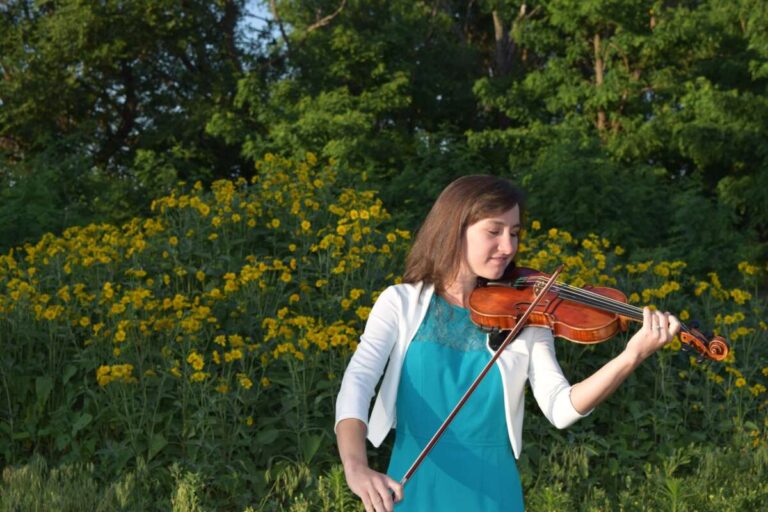
The violin rests between your chin and shoulder. Your left hand supports the neck, while your right arm controls the bow. Poor posture can cause tension in the neck, shoulder, wrist, or back.
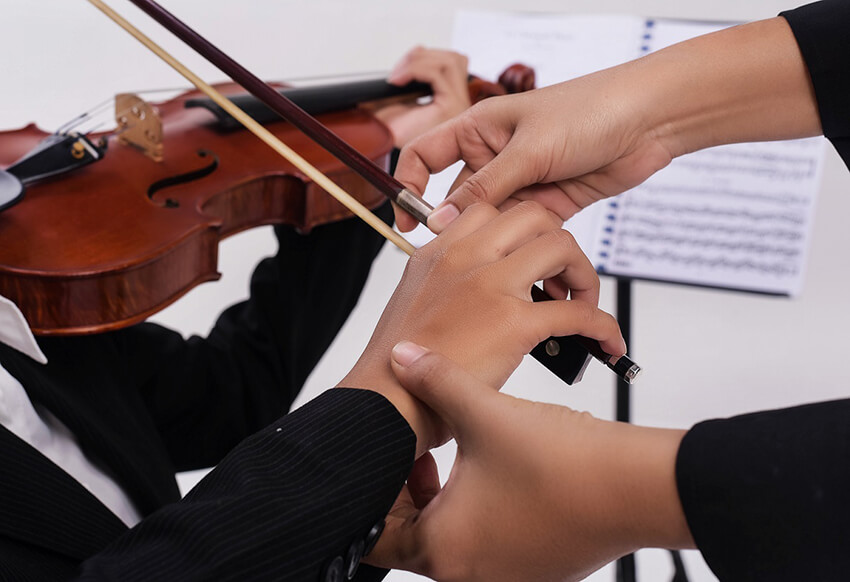
A relaxed setup matters more than force. The violin should feel balanced, not clamped. A teacher can adjust your shoulder rest, chin rest, elbow position, and instrument angle.
You must coordinate both hands
The left hand changes the pitch. The right hand creates the sound. These tasks must work together, much like two dancers learning the same routine.
This coordination is one reason is violin hard to learn as an adult can feel like a serious question. The good news is that coordination improves through small drills. You do not need to master the whole skill in one session.
What makes adult learners different?
Adult students often worry that they started too late. In most cases, age is not the main barrier. Time, practice habits, physical comfort, and access to good instruction matter more.
Adults have several strengths:
• They can understand technical explanations
• They can set clear goals
• They often listen to music with strong attention
• They can practice with purpose
• They may have better patience than young beginners
Adults also face real limits. You may feel tired after work. You may have less free time. You may compare yourself with children who seem to learn faster.
Try not to compare different learning situations. A child may have more hours to practice, while an adult may bring better focus and self-awareness. Progress is not a race. It is closer to planting a garden. Small care, repeated often, produces growth.
In my experience observing adult music students, the most successful learners are not always the most gifted. They are the ones who keep sessions short, accept imperfect sounds, and return to the instrument the next day.

How long does it take to learn violin as an adult?
There is no single timeline because “learn violin” can mean different things. Playing a simple melody is very different from performing a concerto or joining a professional orchestra.
With regular practice, many adult beginners can expect a general pattern:
• First month: Learn basic posture, bow use, open strings, and simple rhythms
• Three months: Play easy melodies and begin reading beginner music
• Six months: Use more notes, simple scales, and basic bow patterns
• One year: Play several beginner pieces with better tone and control
• Two to three years: Play intermediate music with regular training
These estimates assume consistent practice and useful feedback. They are not promises. Some students move faster, while others need more time because of work, health, hearing, or limited practice space.
If you practice for 20 minutes, five days a week, you create about 85 hours of practice each year. That is much more useful than practicing for two hours once every few weeks.
The answer to is violin hard to learn as an adult becomes clearer when you define your goal. You may want to play folk songs, classical pieces, worship music, movie themes, or music with friends. Each goal requires a different level of training.

How much should an adult practice?
A good practice plan is short, focused, and repeatable. You do not need to exhaust yourself to improve.
Try this 25-minute routine:
- Spend three minutes setting your posture and relaxing your shoulders.
- Play open strings for five minutes with slow, even bows.
- Practice scales or finger patterns for seven minutes.
- Work on one small section of a song for eight minutes.
- End with two minutes of easy playing or review.
Practice slowly enough that you can notice mistakes. Fast practice often teaches mistakes faster.
Use a timer if you tend to lose focus. Put your phone away. Keep a notebook near your music and write down one goal for the next session.
A teacher may ask you to repeat one measure many times. This can feel boring, but it builds control. Repetition is like walking the same path through grass. The route becomes easier to follow each time.
What to do when you miss a day
Missing one day does not ruin your progress. Missing a week may make the instrument feel less familiar, but you can return with a short session.
Avoid trying to “make up” for lost time with a long, tense practice. Start with open strings, easy scales, and a simple song. Confidence returns faster when the first session feels manageable.
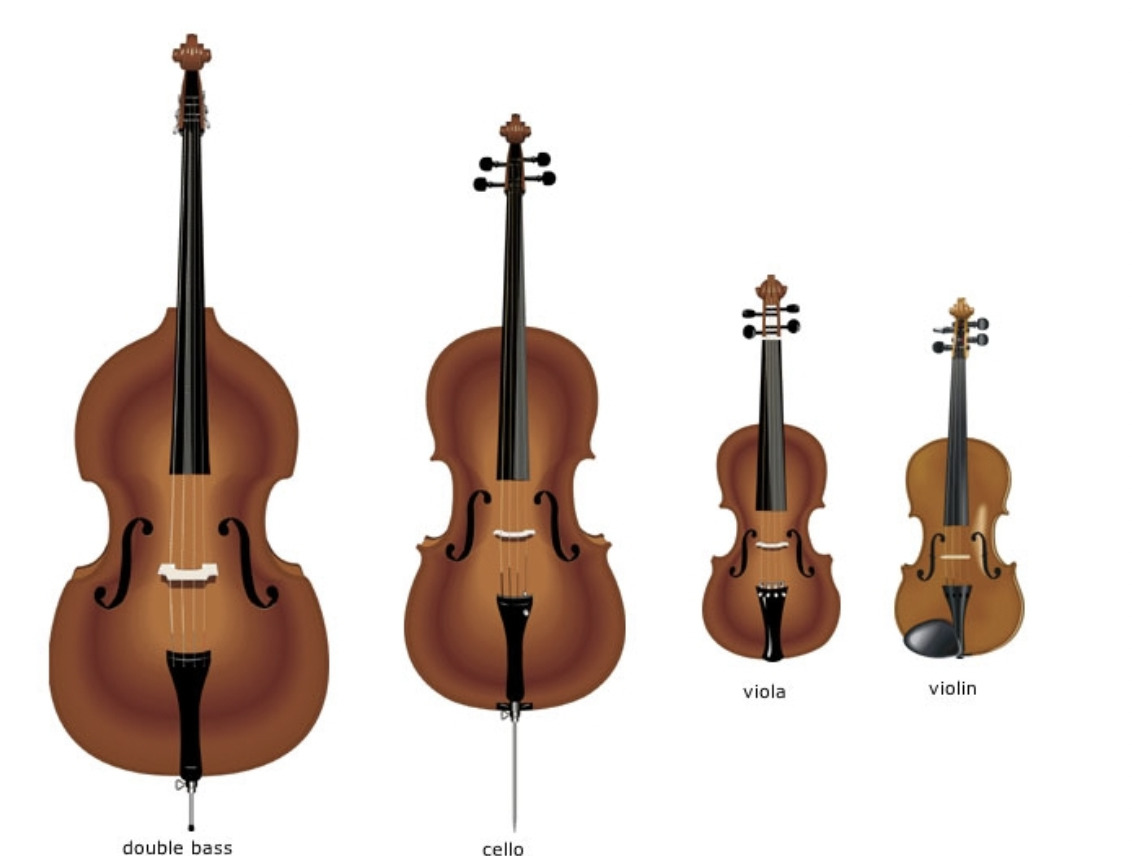
Should adults take violin lessons?
Most adults benefit from lessons, especially during the first months. A qualified teacher can identify problems before they become habits.
A teacher can help with:
• Instrument setup
• Posture and relaxation
• Bow hold
• Finger placement
• Rhythm and music reading
• Practice planning
• Choosing suitable pieces
Online lessons can work well for some learners, especially when travel is difficult. In-person lessons may make it easier for a teacher to see posture, tension, and small movements.
Look for a teacher who has experience with adult beginners. Good teaching should feel clear and supportive. You should leave lessons with specific tasks, not vague advice such as “just practice more.”
Ask about lesson length, cancellation rules, teaching style, and expected practice time before you begin. A trial lesson can help you decide whether the teacher fits your needs.
If lessons are not possible, use a reliable beginner method book and record yourself. Video can reveal issues that you do not notice while playing.

Common mistakes adult violin beginners make
Many difficulties come from poor habits rather than a lack of ability. Avoiding these mistakes can make learning smoother.
Buying a poor-quality instrument
A cheap violin may have a weak bridge, rough pegs, poor strings, or difficult tuning. Such problems can make learning far harder than it needs to be.
You do not need the most expensive violin. Rent from a reputable shop or buy from a trusted violin maker or music store. Ask a teacher to check the instrument if possible.
Practicing only songs
Songs are enjoyable, but exercises build the skills that make songs easier. Include open-string work, scales, rhythm practice, and bow drills.
Ignoring pain
Mild tiredness can occur when you use new muscles. Sharp pain, numbness, or lasting soreness is different. Stop and seek advice from a teacher or health professional if discomfort continues.
Playing too fast
Speed can hide uneven rhythm and poor pitch. Slow practice gives your hands and ears time to learn the correct movement.
Comparing yourself with others
Social media often shows polished performances, not the years behind them. Compare your current playing with your playing from one month ago.
These points explain why is violin hard to learn as an adult for some people but manageable for others. The right instrument, good habits, and steady guidance remove many avoidable problems.

The cost of learning violin as an adult
The cost depends on where you live and how you learn. A basic budget may include:
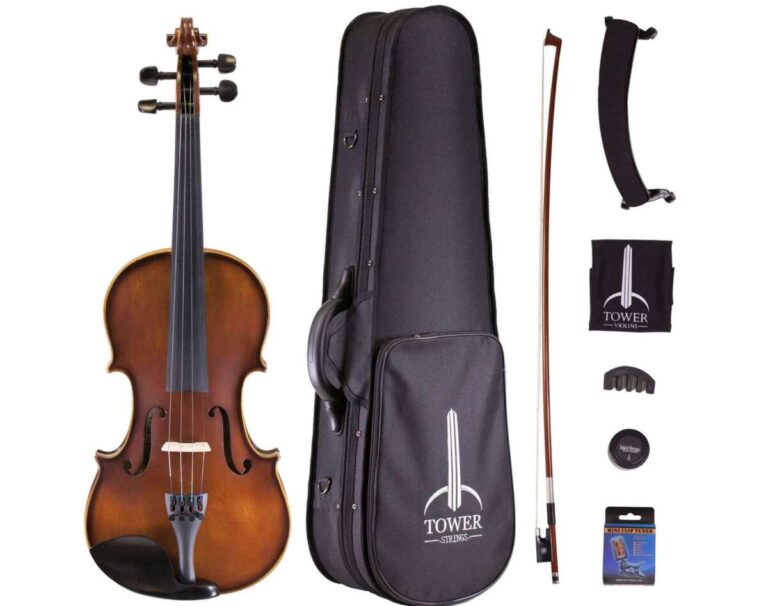
• Instrument rental or purchase
• Bow and case
• Rosin
• Shoulder rest
• Replacement strings
• Private lessons
• Music books or digital courses
• Occasional repairs and tuning
Renting is often a smart choice for beginners. It lets you test the instrument before making a larger investment. Some rental programs also allow part of the rental fee to apply toward a future purchase.
Do not judge an instrument only by its price. Setup quality matters. A well-adjusted student violin may be easier to play than a more expensive instrument with poor setup.
Plan for routine care. Strings wear out, bows need rehairing, and bridges may need adjustment. A local violin shop can provide advice on maintenance.
Physical challenges and ways to stay comfortable
Adult bodies may need more care when learning a new instrument. Long hours at a desk, old injuries, or tight shoulders can affect posture.
Start each session with gentle movement. Roll your shoulders, relax your hands, and check that your jaw is not gripping the chin rest. Take a short break every 10 to 15 minutes during long practice.
Keep the music stand at a comfortable height. Avoid bending your neck for long periods. Your feet should rest firmly on the floor, and your upper body should feel free.
If you have arthritis, a shoulder injury, or another medical condition, talk with a qualified health professional. A violin teacher can also suggest adjustments, but should not diagnose pain.
Comfort is not a luxury. It helps you practice longer and play with better control.
How to stay motivated as an adult beginner
Motivation often changes after the excitement of the first lesson fades. A simple system can help you continue.
Set three types of goals:
• A daily goal, such as practicing for 15 minutes
• A monthly goal, such as learning one short song
• A long-term goal, such as playing for family or joining a community group
Record yourself once a month. You may not notice small changes from day to day, but recordings make progress easier to hear.
Choose music you enjoy. Beginner arrangements of familiar songs can keep practice meaningful. You can also play along with a slow backing track after learning the notes.
Find positive support. Adult violin groups, community orchestras, and online practice communities can make the process less lonely. Playing with others may also improve rhythm and listening skills.
One lesson I have repeatedly seen in adult music learning is this: enjoyment is not a reward that comes after mastery. It is part of the method. Enjoyment helps you return to the instrument, and returning is what builds skill.
Is violin harder than guitar or piano?
Every instrument has a different learning curve. Guitar may feel easier at first because frets show where notes belong. Piano makes pitch clear because each key produces a fixed note.
The violin can feel harder during the beginning because pitch depends on finger placement and tone depends on bow control. Yet the violin becomes more comfortable as your ears and hands learn the instrument.
Difficulty also depends on your goals. Playing simple piano chords may come quickly, while playing expressive violin melodies may take longer. On the other hand, a violin can be easy to carry and practice quietly with a mute.
Rather than asking which instrument is easiest, ask which sound and practice style you enjoy most. Interest is a strong source of long-term effort.
Frequently Asked Questions About Is Violin Hard to Learn as an Adult
Is it too late to learn violin at 30, 40, or 50?
No. Adults can learn violin at any age when they practice regularly and protect their comfort. Your progress may differ from a child’s, but age alone does not prevent meaningful improvement.
How many minutes should an adult practice violin each day?
Start with 15 to 30 focused minutes on most days. Short practice done often is usually more useful than one long session each week.
Can I learn violin without a teacher?
You can learn some basics with books and online lessons, but a teacher can prevent posture, bow, and finger mistakes. Even occasional professional feedback can improve your progress.
Why does my violin sound scratchy?
Scratchy tone often comes from too much bow pressure, poor bow angle, or an uneven contact point. Try slower bows with lighter pressure, and ask a teacher to check your technique and instrument setup.
Is violin hard to learn as an adult with no music experience?
It can feel demanding, but previous music training is not required. You can learn rhythm, note reading, and ear training step by step.
How long before I can play a song on violin?
Many beginners can play a simple song within a few months with regular practice. The exact time depends on the song, your practice schedule, and the quality of your instruction.
Should I rent or buy a violin as a beginner?
Renting is often the safer choice because it lets you test the instrument and avoid buying a poor setup. If you buy, have a teacher or skilled violin shop check the instrument first.
Conclusion
So, is violin hard to learn as an adult? It is challenging, especially during the first months, but it is not out of reach. The hardest parts are learning accurate finger placement, controlling the bow, coordinating both hands, and building steady practice habits.
Choose a well-set-up instrument, take lessons when possible, practice in short sessions, and expect imperfect sounds at the start. Progress may be slow, but each focused session builds control and confidence.
Set one small goal for this week, such as learning the open strings or practicing for 15 minutes on five days. Then explore beginner lessons, local music groups, and trusted learning resources to begin your violin journey.

Senior Music Reviewer
Alex Carter is a seasoned music reviewer with over a decade of experience in the world of sound and instruments. Passionate about helping musicians and enthusiasts make informed choices, he brings sharp insights and in-depth knowledge to every review. From classical instruments to modern gear, Alex combines technical expertise with a love for music to deliver content that resonates with readers.
As a Senior Music Reviewer and expert author on Tuneluma.com, Alex is dedicated to sharing honest evaluations, practical advice, and thoughtful commentary to guide readers in their musical journey.