How To Choose A Violin For A Beginner: Beginner Guide
Choose a correctly sized violin, test its tone and comfort, and buy quality rather than the cheapest option.
Learning how to choose a violin for a beginner can feel confusing. Violins come in many sizes, materials, brands, and price ranges. This guide explains the key details that teachers, repairers, and experienced players use when choosing a reliable first instrument.

Start With the Correct Violin Size
The first step in how to choose a violin for a beginner is finding the right size. A violin that is too large can cause pain, poor posture, and slow progress. A violin that is too small may feel cramped and limit natural movement.
Most adults use a full-size 4/4 violin. Children need smaller sizes based on arm length, not only age.
| Player | Common violin size |
|---|---|
| Adults and teens with full arm length | 4/4 |
| Children around 9 to 11 years old | 3/4 or 4/4 |
| Children around 7 to 9 years old | 1/2 or 3/4 |
| Children around 5 to 7 years old | 1/4 or 1/2 |
| Young children around 4 to 5 years old | 1/8 or 1/4 |
| Very young children | 1/16 or 1/10 |
These age ranges are only rough guides. Two children of the same age can need different violin sizes.
A teacher or violin shop should measure the player’s arm from the neck to the middle of the palm. The player should be able to hold the scroll comfortably while keeping the elbow relaxed. The fingers should reach around the pegbox without stretching.
Signs the violin is too large
• The player cannot reach the scroll with a relaxed arm.
• The left shoulder rises to support the instrument.
• The player bends the wrist sharply.
• The violin feels heavy after only a few minutes.
Signs the violin is too small
• The left hand feels crowded.
• The elbow stays too close to the body.
• The player cannot move the fingers freely.
• The instrument looks unusually short across the shoulder.
Do not choose a larger violin simply because the child may grow into it. A properly fitted smaller violin supports good technique today. Many teachers prefer renting because children often need several sizes before reaching a full-size instrument.
Decide Whether to Rent or Buy
When learning how to choose a violin for a beginner, consider renting before making a long-term purchase. Renting reduces financial risk and makes it easier to exchange the instrument when a child needs a larger size.
A good rental plan may include:
• Instrument exchanges for the next size
• Basic repairs and maintenance
• Insurance against accidental damage
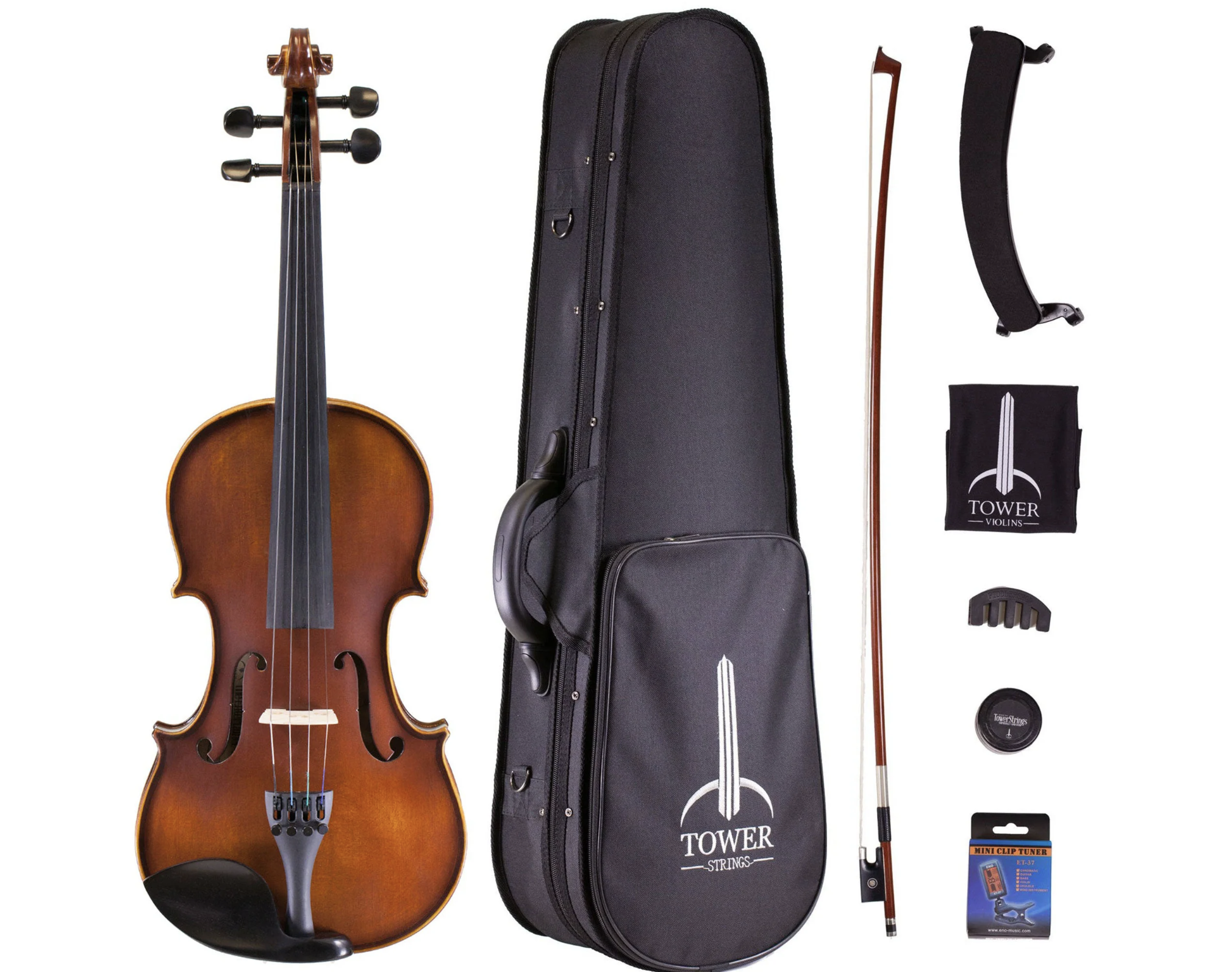
• A case, bow, and sometimes rosin
• Part of the rental cost applied toward a future purchase
Buying can make sense when the player is committed, has reached a full-size instrument, or has access to a trusted violin shop. A good violin may also hold some resale value, while a very cheap instrument often does not.
The lowest price is not always the best value. A poorly made violin can make every note harder to play. It may also need repairs that cost more than the original instrument.
In beginner setups I have examined, rental instruments from specialist shops often perform better than low-cost starter packages sold online. The reason is simple: a shop usually checks the bridge, pegs, fingerboard, strings, and soundpost before delivery.
Questions to ask a rental shop
- Can I exchange the violin for another size?
- Are repairs included?
- Does the rental include a properly fitted bow?
- Is the instrument insured?
- Can I apply rental payments toward a purchase?
- Who sets up the violin before I receive it?
A clear rental agreement matters. Read the terms for damage, theft, late fees, and return conditions.
Set a Realistic Beginner Violin Budget
Budget is a major part of how to choose a violin for a beginner. A useful beginner violin must be playable, stable, and safe for the player’s body. It does not need to be expensive, but it should not be poorly built.
In the United States, beginner options often fall into these general ranges:
• Under $150: Often inconsistent. Some may work for very short-term use, but quality control can be weak.
• $150 to $400: A possible entry range for a basic outfit, especially from a reputable shop.
• $400 to $1,000: More reliable construction, better setup, and stronger support.
• Over $1,000: Often suitable for serious students, though price alone does not guarantee quality.
These prices can change based on the brand, region, materials, setup, and included accessories. A teacher may help you find a good instrument in any range.
The total cost includes more than the violin. Plan for:
• A bow
• A hard or protective case
• Rosin
• A shoulder rest
• Replacement strings
• A tuner or metronome
• Lessons and occasional repairs
A common mistake is spending nearly the entire budget on the violin and buying a poor bow or unsafe case. The bow is part of the sound system. A weak bow can make a decent violin feel difficult to control.

Choose a Well-Made Violin
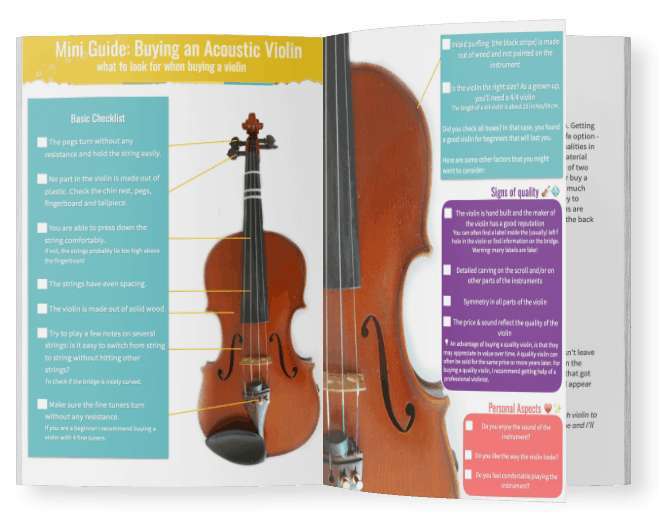
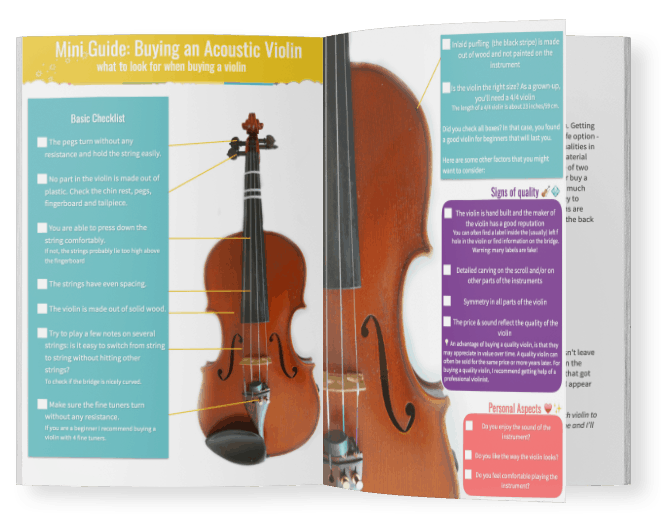
Construction quality is central to how to choose a violin for a beginner. A violin should have a strong body, clean joints, a smooth fingerboard, and properly fitted parts.
Look closely at these features:
The body
The top and back should fit neatly into the ribs. Seams should look clean, with no large gaps. Small marks are not always serious, but open seams, cracks, or loose parts need professional attention.
The fingerboard
The fingerboard should be made from ebony or another suitable hardwood. It should be smooth and correctly shaped. A poor fingerboard can make notes hard to place and may cause buzzing.
The bridge
The bridge should stand upright and fit the top of the violin. It should not lean sharply toward the fingerboard or tailpiece. The feet should sit flat, and the strings should rest in clean, shallow grooves.
The pegs
The tuning pegs should turn smoothly and hold their position. If they slip or feel stuck, the player may struggle to tune the violin. Peg problems are common on cheap instruments with poor fitting.
The tailpiece and chin rest
These parts should be secure and comfortable. The chin rest should not press painfully into the jaw or neck.
The soundpost
The small wooden post inside the violin helps support the top and shape the tone. Do not adjust it yourself. A trained repairer should inspect it if it is loose or badly placed.
Look for clean workmanship rather than flashy decoration. Painted lines, fake flames, and ornate fittings do not prove that a violin sounds good.
Check the Violin Setup
A professional setup can matter as much as the instrument itself. This is one of the most important lessons in how to choose a violin for a beginner.
A setup includes adjusting the bridge, strings, pegs, fingerboard, tailpiece, and soundpost. It helps the instrument respond well and makes tuning easier.
A properly set up beginner violin should have:
• Strings with comfortable height
• A bridge that fits the top
• Pegs that turn and hold
• A smooth fingerboard
• A secure endpin and tailpiece
• No serious buzzing
• A soundpost that is correctly positioned
The strings should not sit so high that pressing them requires force. They should also not sit so low that the violin buzzes during normal playing.
Ask the seller who completed the setup. A vague answer such as “It was checked at the factory” may not mean the violin received a full setup. Factory inspection and local professional adjustment are not the same thing.
I have seen beginners blame themselves for a harsh sound when the real problem was a badly fitted bridge or old strings. Before rejecting an instrument, have a qualified teacher or violin technician inspect it.

Test the Sound and Playability
Testing the instrument is essential when deciding how to choose a violin for a beginner. New players may not yet know how to produce a beautiful tone, so bring a teacher or experienced player if possible.
Ask the tester to play:
• Open strings
• A simple scale
• Slow notes near the fingerboard
• Notes near the bridge
• The same passage on another violin
Listen for a sound that is clear, balanced, and comfortable. A beginner violin does not need to sound rich like a professional concert instrument. It should respond without excessive force.
Pay attention to these qualities:
Response
Does the string speak quickly when the bow touches it? A slow response can frustrate a new player.
Balance
Do all four strings sound reasonably even? One string may naturally sound brighter, but a sharp mismatch can signal a setup issue.
Comfort
Can the player hold the instrument without pain? Comfort affects practice time and motivation.
Dynamic range
Can the player make both soft and strong sounds? A violin with some control across different volumes gives the student room to grow.
Tuning stability
Does the violin remain close to pitch after tuning? New strings may stretch for several days, but constant slipping can point to peg or setup problems.
The brightest violin is not always the best violin. A harsh, loud sound may seem impressive in a store but become tiring at home. Many beginners do better with a warm, clear tone that responds easily.
Select the Right Bow
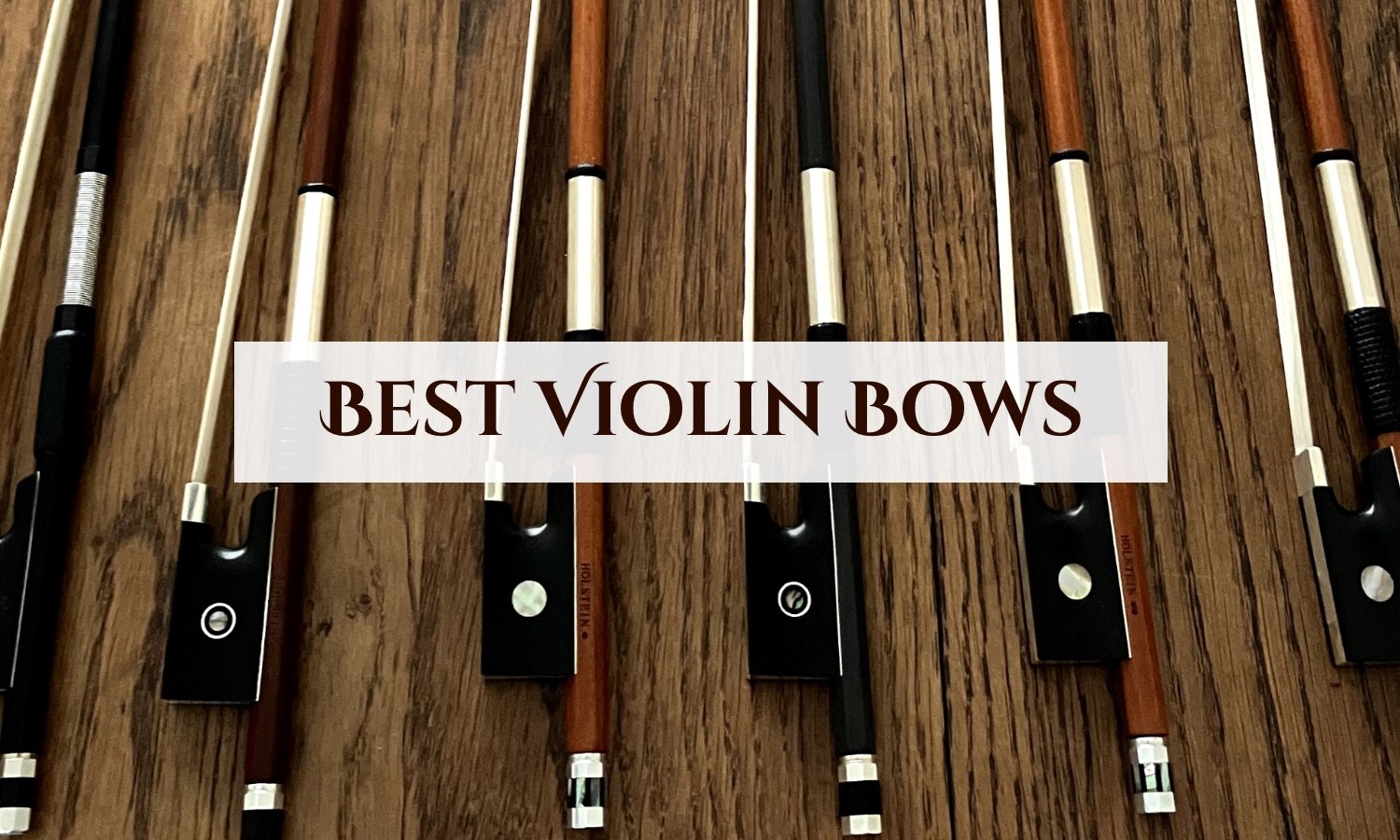
The bow deserves careful attention in any guide about how to choose a violin for a beginner. A violin and bow work together, much like a bicycle and its wheels. If one part is poor, the whole experience suffers.
A beginner bow should be straight when viewed from the frog toward the tip. The hair should be even, clean, and firmly attached. The frog should move smoothly, and the screw should not wobble.
Check for these signs:
• The stick is not badly warped.
• The hair is not extremely loose or broken.
• The screw turns without grinding.
• The frog fits securely.
• The bow feels balanced in the hand.
Beginner outfits often include a bow, but included bows vary greatly. If possible, have a teacher test it. A bow that cannot grip the string well can lead to weak tone and poor bow control.
Do not tighten the bow hair too much. The stick should keep a gentle inward curve when the bow is tightened for playing. Always loosen the hair after practice to protect the bow.

Pick the Right Strings and Accessories
Learning how to choose a violin for a beginner also means choosing useful accessories. You do not need every product in a music store, but a few items make practice safer and easier.
Essential accessories
• A sturdy case with secure latches
• A suitable shoulder rest
• Rosin
• A clip-on tuner or tuning app
• A soft cleaning cloth
• Extra strings
• A music stand
The case should protect the violin from bumps, heat, and sudden temperature changes. Avoid leaving the instrument in a hot car or near a heater. Wood responds to changes in temperature and humidity.
A shoulder rest is a personal choice. Some players feel comfortable without one, while others need support to avoid tension. A teacher can help adjust its height and position.
Strings affect the sound and feel. Synthetic-core strings are common for student instruments because they offer a stable, friendly tone. Steel-core strings can feel direct and bright. Ask a teacher or violin technician before changing strings.
Never wipe rosin dust with a rough cloth. Use a soft, dry cloth on the strings and varnished body after playing. Excess rosin can build up and harm the finish over time.
Avoid Common Beginner Violin Mistakes
Many buying mistakes happen because a violin looks attractive or has a low price. Here are the problems I would avoid when helping someone decide how to choose a violin for a beginner.
Buying from an unknown seller
Online marketplaces can offer good instruments, but they can also hide defects. Photos may not show warped bridges, open seams, or poor peg fitting.
Choosing by appearance alone
A glossy finish and decorative fittings do not guarantee good sound. Playability and setup matter more than decoration.
Buying the wrong size
A child should not use a full-size violin just to avoid upgrading later. Poor fit can create tension and make lessons unpleasant.
Ignoring the bow
A violin may be acceptable while the included bow is nearly unusable. Test both parts together.
Skipping professional advice
A teacher can spot problems that a first-time buyer may miss. One short inspection can prevent an expensive mistake.
Choosing the cheapest package
A very cheap outfit may need new strings, a new bridge, peg work, and other repairs. The final cost can exceed the price of a reliable starter instrument.
Expecting instant beautiful sound
Even a good violin sounds rough when played by a new student. Judge the instrument’s response and comfort, not only the player’s first notes.
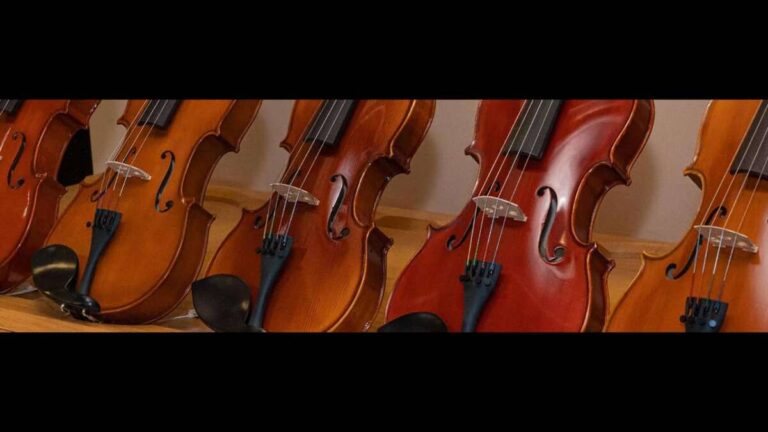
A simple comparison test helps. Place two or three similar violins on a table, have the same player use the same bow, and compare comfort, tuning, response, and tone.
Use a Teacher or Violin Specialist
A teacher’s advice is one of the safest tools for how to choose a violin for a beginner. Teachers understand the student’s size, goals, posture, and current skill level.
Ask the teacher to help with:
• Instrument size
• Bow quality
• Shoulder rest fit
• Sound and response
• Setup problems
• Rental versus purchase
A violin specialist can inspect structural details and make adjustments. A general music store may sell violins, but not every employee has training in violin repair.
The best choice may be different for each student. A child who wants to play casually may need a practical rental. A teen preparing for auditions may need a better instrument with more tonal control. An adult beginner may value comfort, warm tone, and long-term durability.
Be honest about your goals and budget. A good teacher will not pressure you to buy the most expensive violin.
Follow a Simple Buying Checklist
Use this checklist before paying for a beginner violin.
- Confirm the correct size.
- Decide whether renting makes more sense.
- Set a complete budget for the violin, bow, case, and accessories.
- Inspect the body for cracks, open seams, and loose parts.
- Check that the bridge is upright and properly fitted.
- Turn the pegs to confirm that they hold.
- Inspect the fingerboard for smoothness.
- Test the bow for straightness and balance.
- Play each open string.
- Compare the violin with at least one other instrument.
- Ask who completed the setup.
- Check the return, exchange, and repair policy.
- Have a teacher or technician approve the instrument.
If you buy online, choose a seller with a clear return period. Record the unboxing if the seller requires evidence of shipping damage. Tune the violin carefully and have it checked before making a final decision.
This process may seem slow, but it saves money and prevents frustration. Choosing a violin is not a race. The right instrument should make practice feel possible.
Frequently Asked Questions About How to Choose a Violin for a Beginner
What is the best violin size for an adult beginner?
Most adults use a full-size 4/4 violin. However, adults with shorter arms or limited mobility may feel more comfortable with a smaller instrument, so a teacher should check the fit.
Should a beginner rent or buy a violin?
Renting is often wise for children because they may need larger sizes as they grow. Buying can work well for adults or committed students when a teacher or violin specialist has approved the instrument.
How much should a beginner violin cost?
A dependable beginner violin outfit often costs several hundred dollars in the United States. Price varies, but setup quality and seller support matter more than a low price alone.
Is a cheap violin good for learning?
Some inexpensive violins can work, but very cheap instruments often have poor setup and weak quality control. A well-adjusted rental or entry-level violin from a reputable shop is usually a safer choice.
What should a beginner violin sound like?
It should produce a clear, even tone across all four strings and respond without excessive bow pressure. It does not need a professional sound, but it should not buzz, rattle, or feel difficult to control.
Does a beginner need a shoulder rest?
Not always. Some players use one for comfort and support, while others do not. A teacher can help choose and fit a shoulder rest without creating tension.
How often should a beginner replace violin strings?
String life depends on playing time, sweat, and string type. Many students replace strings every six to twelve months, or sooner if the strings sound dull, feel rough, or fail to stay in tune.
Conclusion
The best way to choose a violin for a beginner is to focus on fit, setup, comfort, sound, and reliable support. Choose the correct size, test both the violin and bow, and avoid instruments with obvious construction or tuning problems.
A reputable rental shop, teacher, or violin technician can make the process much easier. Start with an instrument that feels comfortable and responds well, then spend time building skill through regular practice. Use this guide when comparing options, and ask a qualified teacher to review your final choice before you buy.

Senior Music Reviewer
Alex Carter is a seasoned music reviewer with over a decade of experience in the world of sound and instruments. Passionate about helping musicians and enthusiasts make informed choices, he brings sharp insights and in-depth knowledge to every review. From classical instruments to modern gear, Alex combines technical expertise with a love for music to deliver content that resonates with readers.
As a Senior Music Reviewer and expert author on Tuneluma.com, Alex is dedicated to sharing honest evaluations, practical advice, and thoughtful commentary to guide readers in their musical journey.