Is Violin A Good First Instrument: Beginner Guide
Yes, the violin can be a rewarding first instrument for patient learners who enjoy steady practice and musical detail.
Is violin a good first instrument for you or your child? The answer depends on goals, age, patience, budget, and learning style. The violin has a gentle, expressive voice, but it also asks beginners to build several skills at once: posture, bow control, finger placement, rhythm, and careful listening. This guide explains the benefits, challenges, costs, and best ways to begin so you can make a confident choice.
Is Violin a Good First Instrument?
Yes, the violin is a good first instrument for many beginners. It teaches strong listening skills, fine motor control, rhythm, musical expression, and discipline. However, it is not usually an easy instrument during the first few weeks.
A violin has no frets or keys to show exactly where each note belongs. Beginners must train their ears and fingers to find the right pitch. The bow also needs steady control, much like a paintbrush that must glide at the right speed and pressure.
That early challenge does not mean the violin is a poor choice. It means students need proper guidance and realistic expectations. With a good teacher, a well-fitted instrument, and short daily practice, many beginners make steady progress.
The violin may be especially suitable if you:
• Enjoy classical, folk, bluegrass, Celtic, or film music
• Like learning through sound and repetition
• Have patience for gradual progress
• Want to play melodies rather than chords
• Enjoy performing alone or in a group
• Can practice for a short time most days
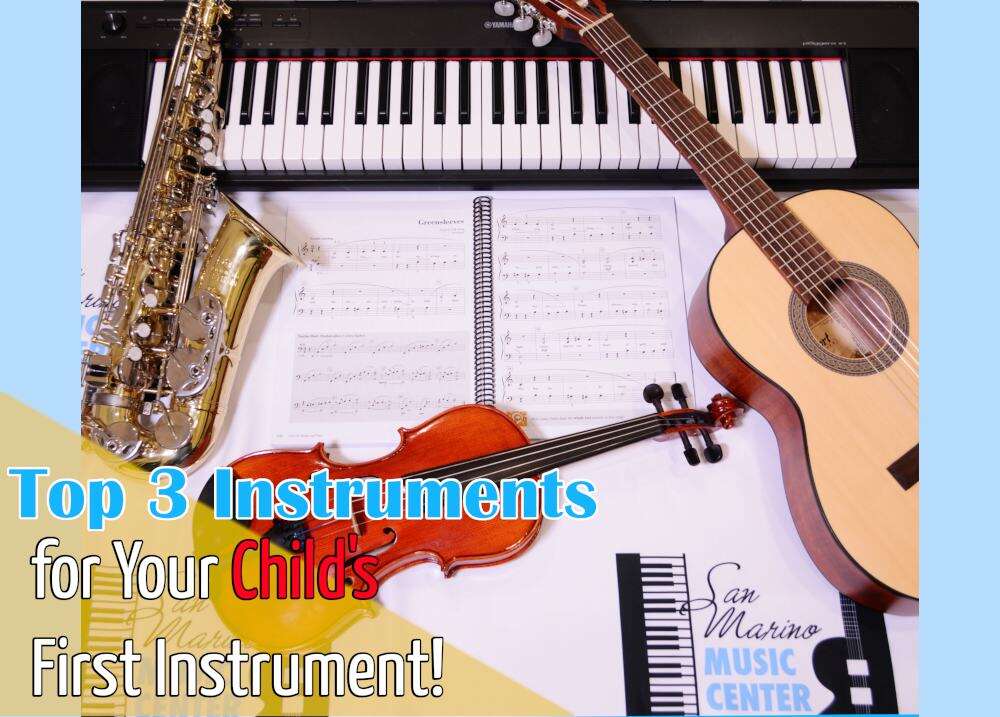
The violin may be less suitable if you want to play full songs quickly without much practice. Instruments such as piano, ukulele, and guitar often give beginners a satisfying song experience sooner.
What Makes the Violin a Good First Instrument?
The violin offers several benefits that can support long-term musical growth. These benefits apply to children, teens, and adults, although the learning experience varies by age and personality.
It develops a strong musical ear
Because the violin does not have frets, players must listen closely to pitch. This teaches students to notice whether a note sounds sharp, flat, or in tune.
That skill can help with singing, sight-reading, improvisation, and playing other instruments later. The ear becomes a guide for the hand.
It builds focus and patience
A beginner may spend several lessons learning how to hold the bow or place the fingers correctly. These small steps teach patience and attention to detail.
Progress often comes in small jumps. One week, a student may struggle with a simple scale. The next week, the same scale may sound much cleaner. This process can build confidence and resilience.
It supports ensemble playing
Violinists can play in school orchestras, youth ensembles, chamber groups, fiddle bands, and community orchestras. Group playing teaches timing, listening, teamwork, and musical awareness.
A student does not need to become a solo performer to enjoy the violin. Many players find their greatest joy in making music with others.
It offers many musical styles
The violin is not limited to classical music. Beginners can explore:
• Classical music
• Bluegrass and country
• Folk and Celtic music
• Jazz
• Pop arrangements
• Film and game music
• Worship music
• Traditional music from many cultures
This range can help students stay interested. A child who dislikes formal classical pieces may still enjoy learning a favorite movie theme or fiddle tune.
It grows with the player
The violin has a long learning path. A beginner can start with simple melodies and later study scales, shifting, vibrato, double stops, improvisation, and advanced repertoire.
This depth makes the instrument useful for both casual players and serious musicians. You will rarely run out of new skills to explore.

What Are the Challenges of Learning Violin First?
Is violin a good first instrument if you want fast results? It can be, but the first stage often requires more patience than beginners expect.
It takes time to produce a clean sound
A new player may produce squeaks, scratches, or uneven tones. This is normal. The bow must move at the right angle, speed, and pressure.
A poor sound does not mean the student lacks talent. It usually means the hand is still learning a new movement. A teacher can correct small problems before they become habits.
Finger placement can feel difficult
The violin fingerboard has no frets. Students must learn exact finger locations through muscle memory and listening.
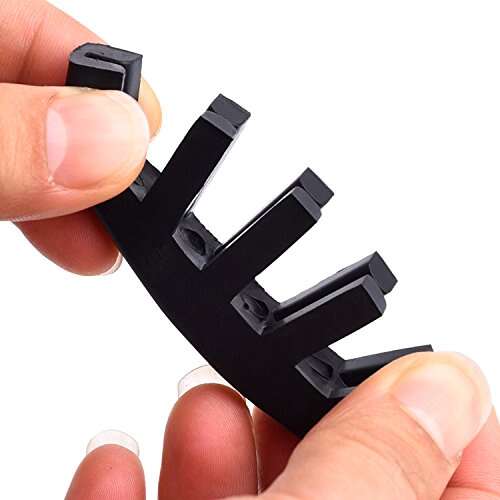
Many teachers use removable tapes or markers during the early stage. These guides can help, but students should slowly learn to rely on their ears rather than the tape alone.
Posture matters
The violin rests between the chin and shoulder. Poor posture can cause tension in the neck, shoulder, wrist, or back.
A student should never force the instrument into position. A teacher can help select a shoulder rest, chin rest, and violin size that fit the player’s body.
Progress may feel slow
A beginner may practice for weeks before playing a tune smoothly. This can feel frustrating, especially when online videos make advanced playing look effortless.
A useful goal is not perfection. Instead, track small wins:
• Holding the bow with less tension
• Playing an open string with a steady tone
• Changing strings without hitting the wrong one
• Keeping a steady beat
• Playing a short melody from start to finish
Equipment can affect the experience
A very cheap violin may be difficult to tune or play. Poor bridge placement, weak strings, and a stiff bow can make learning harder.
This does not mean families must buy an expensive instrument. A reliable rental from a reputable violin shop is often a smart starting point.

Violin Compared With Other First Instruments
Choosing a first instrument depends on what kind of early progress feels motivating. Every instrument has strengths and challenges.
Violin vs. piano
Piano beginners can press a key and produce a clear, correctly tuned note right away. This makes the first lessons feel rewarding.
The piano also shows pitch in a visual layout. However, it can be less portable and may cost more to purchase or maintain.
The violin is smaller and easier to carry. It also offers more control over tone and expression, but it usually takes longer to produce a polished sound.
Violin vs. guitar
Guitar students can learn simple chords and accompany songs fairly quickly. The instrument works well for singing and popular music.
The violin usually plays one main line at a time. It does not offer the same simple chord shapes, but it can produce expressive melodies and fit naturally into orchestras and string groups.
Violin vs. ukulele
The ukulele is light, affordable, and often easy to use for basic songs. It can be a friendly choice for young children and casual players.
The violin demands more control of pitch and bow movement. It may be harder at first, but it provides a deeper challenge for learners who enjoy detail.
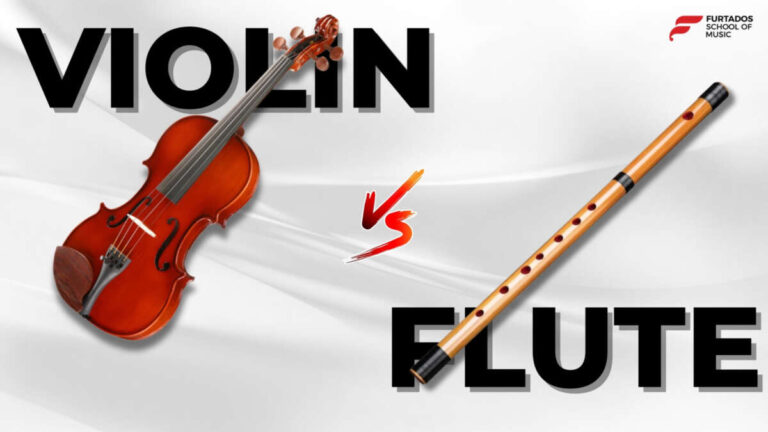
Violin vs. flute
The flute can produce a clear note sooner than the violin for some students. It also teaches breath control and reading music.
The flute may require more breath support and can be less comfortable for younger children. The best choice depends on physical comfort, musical interest, and access to a good teacher.

Is Violin a Good First Instrument for Children?
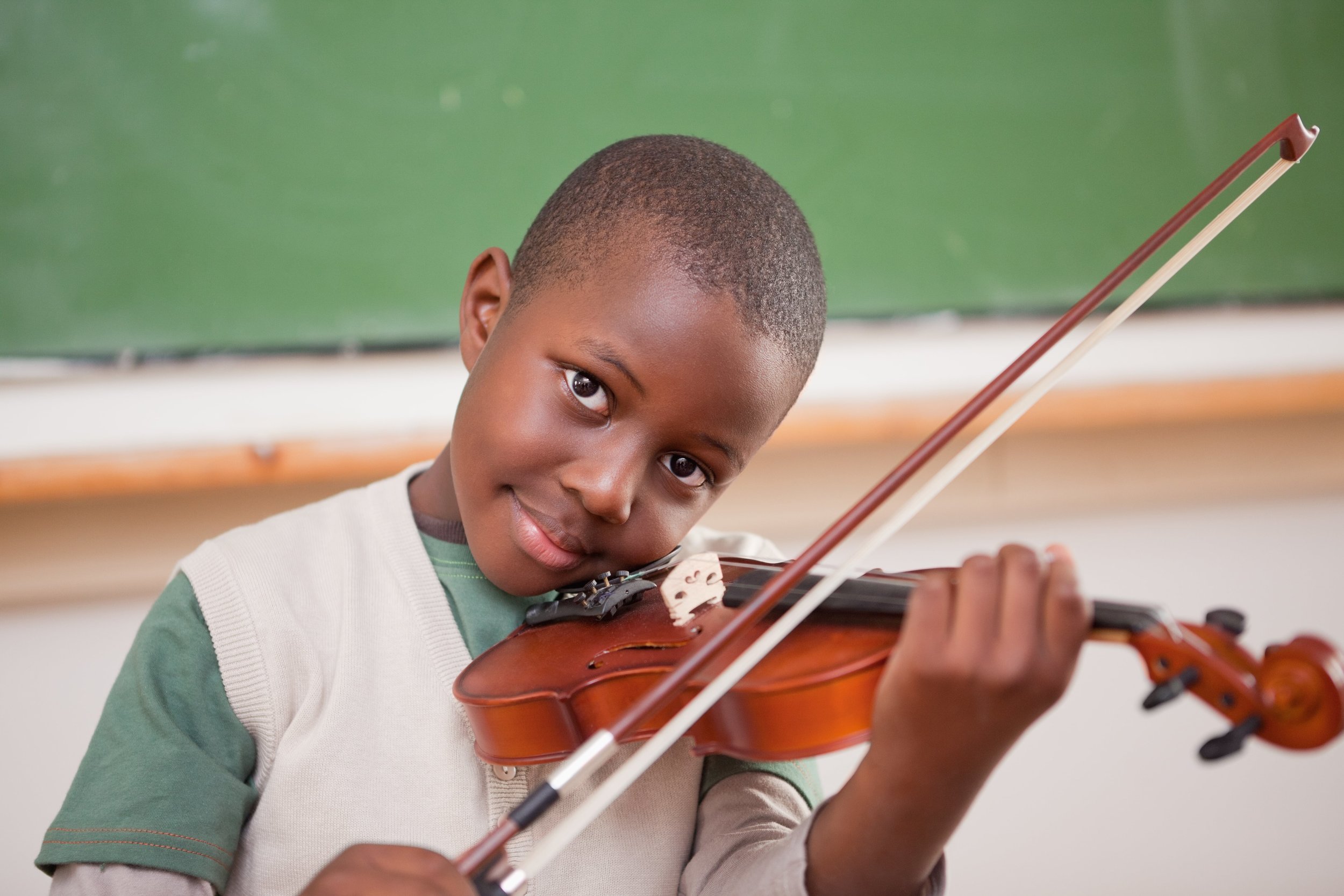
The violin can be a good first instrument for children, but readiness matters more than a specific age. Many children begin between ages four and eight, while others benefit from waiting until they have better focus and coordination.
A young child may be ready when they can:
• Follow simple instructions
• Hold still for short periods
• Practice for five to ten minutes
• Show interest in music
• Accept gentle correction
• Care for an instrument with adult help
Small violins come in different sizes, such as one-sixteenth, one-tenth, one-eighth, one-quarter, one-half, three-quarter, and full size. A qualified teacher or violin shop should measure the child. The wrong size can make playing uncomfortable and limit good technique.
Parents should also understand that young children often need help with practice. The adult may set up the music stand, tune the violin, track assignments, and keep practice calm.
A child does not need to practice for an hour. Short, regular sessions usually work better:
• Five to ten minutes for a very young beginner
• Ten to fifteen minutes for an early student
• Twenty to thirty minutes for a more focused student
The exact time depends on age, level, and teacher guidance. Quality matters more than a long session filled with tension.
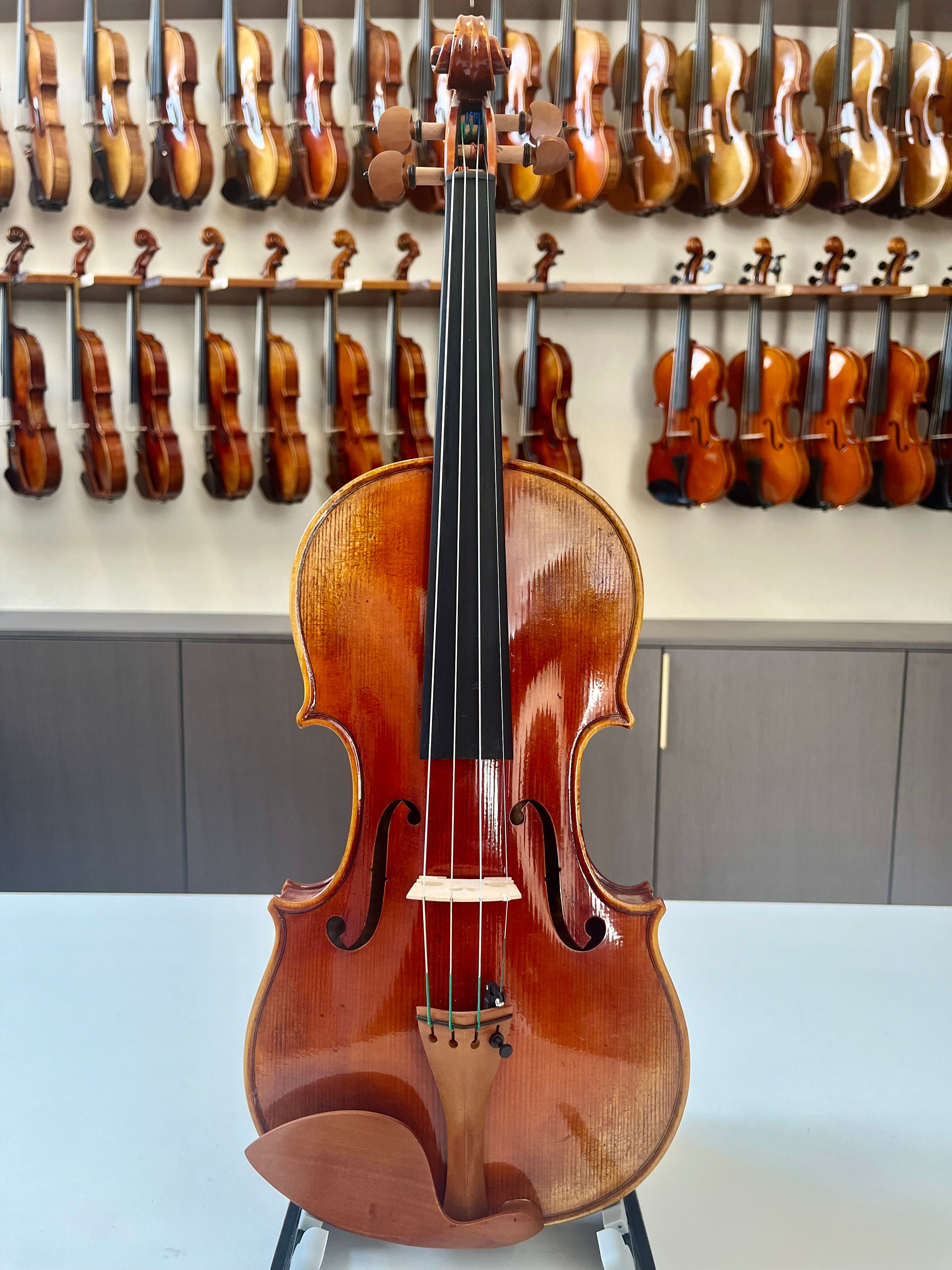
Is Violin a Good First Instrument for Adults?
Adults can absolutely start with violin. Adult learners often bring patience, clear goals, and strong listening skills. They may also understand how small habits affect long-term progress.
Adult beginners sometimes make one common mistake: expecting fast results because they can understand instructions quickly. The mind may understand how to hold the bow, but the muscles still need time to learn the movement.
A realistic adult practice plan may include:
-
Two minutes of posture and setup
-
Five minutes of open-string bowing
-
Five minutes of scales or finger exercises
-
Ten minutes of a simple song
-
Two minutes of relaxed review
Even 15 minutes a day can help when practice is regular and focused. Longer sessions can work too, but breaks are important. Stop if the neck, wrist, or shoulder becomes painful.
Adults should also choose music they enjoy. A beginner arrangement of a favorite song can provide more motivation than an exercise that feels disconnected from personal goals.

How Much Does It Cost to Start Violin?
The cost of learning violin varies by location, teacher, instrument quality, and lesson format. A beginner should budget for more than the violin alone.
Common costs include:
• Instrument rental or purchase
• Private lessons or group classes
• Bow and rosin
• Shoulder rest
• Case
• Music books
• Replacement strings
• Tuning or repair
Renting is often a wise choice for children because they may need larger instruments as they grow. Many violin shops offer rental plans that allow size exchanges or purchase credits.
A low-cost instrument from an unknown seller may look attractive online, but it may arrive with poor setup. A trained technician may need to correct the bridge, pegs, fingerboard, or strings.
Before buying, ask:
• Can the instrument be returned?
• Was it set up by a professional?
• Is the violin the correct size?
• Does the rental include a working bow and case?
• Are repairs or size changes included?
The best beginner violin is not always the cheapest one. It is the one that works well, fits the player, and receives proper support.
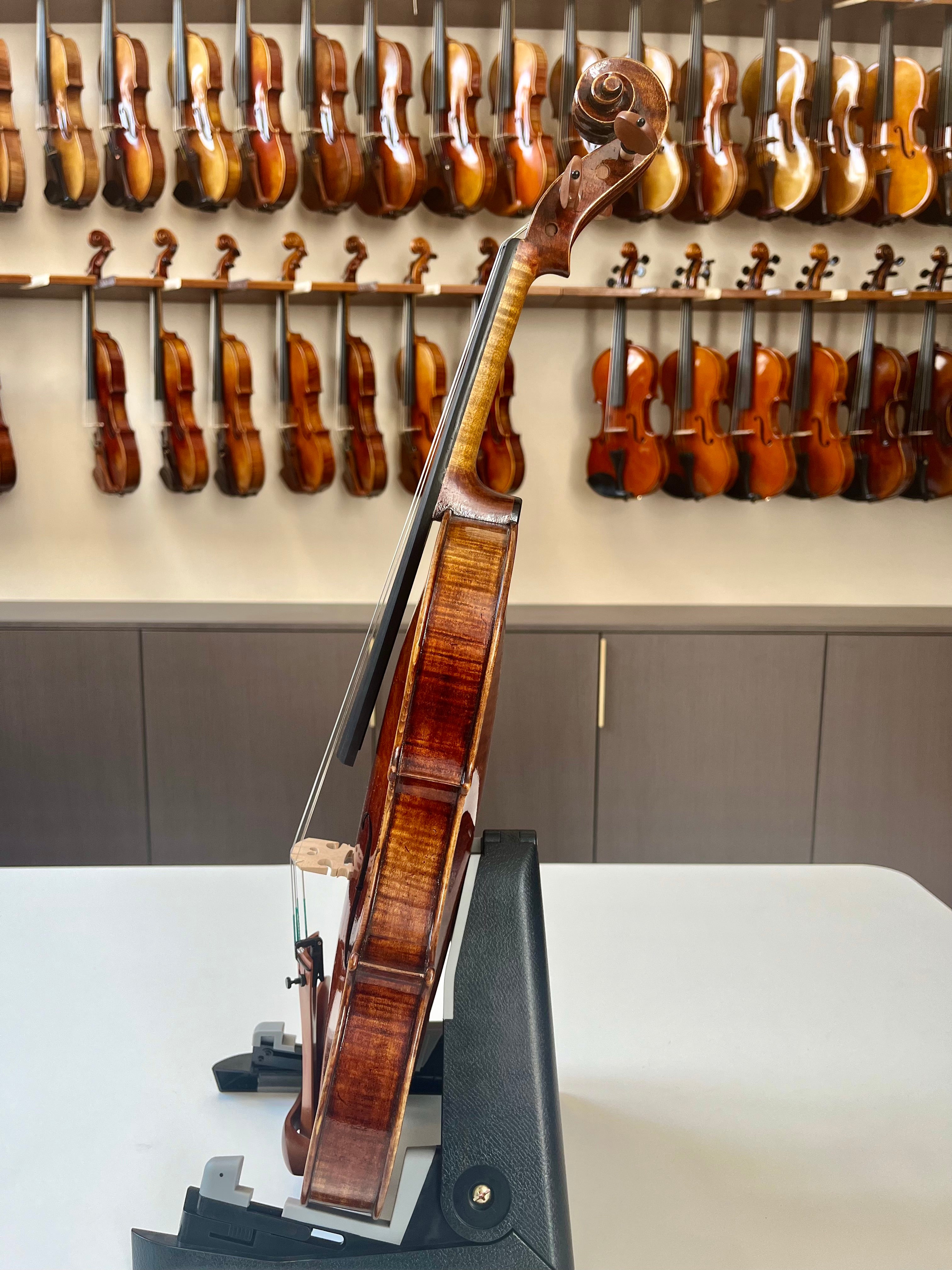
How to Start Learning Violin the Right Way
A strong beginning can prevent months of frustration. These steps help new players build safe and useful habits.
Find a qualified teacher
A teacher can spot posture problems that are hard to notice in a mirror. They can also adjust the instrument, explain bow technique, and choose music that fits the student’s level.
Online lessons can help, but complete beginners often benefit from in-person guidance during the first stage. A hybrid approach can work well after basic technique is established.
Learn setup before playing
Before each session, check:
• The bridge is upright
• The bow has a small amount of rosin
• The shoulder rest is secure
• The strings are reasonably in tune
• The player feels balanced and relaxed
Never force tuning pegs. They can break or damage the violin if turned too hard.
Practice slowly
Slow practice helps the brain and muscles learn accurate movements. Speed should come later.
If a passage is difficult, divide it into two or three notes. Repeat those notes carefully, then add the next small part. This method often works better than playing the full passage incorrectly again and again.
Use a tuner wisely
A tuner can help check notes, but it should not replace listening. Use it to confirm pitch, then practice hearing the note yourself.
Teachers may also use drones, piano notes, or recorded accompaniments to develop pitch awareness.
Keep a practice record
A simple notebook can track:
• Practice time
• Exercises completed
• Difficult sections
• Questions for the teacher
• Improvements from the previous week
This turns practice into a clear process instead of a vague task.
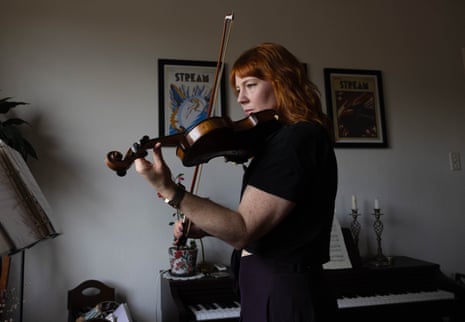
Common Beginner Mistakes to Avoid
Many early problems come from rushed habits rather than a lack of ability.
Practicing with a tense body
Tension can spread from the fingers to the wrist, arm, shoulder, and neck. Take short breaks and check whether the shoulders are raised.
Pressing too hard with the bow
More pressure does not always create a better sound. Beginners often need a balanced bow, steady speed, and relaxed arm movement.
Skipping tuning
An out-of-tune violin makes correct playing feel wrong. Tune before practice, with help if needed.
Playing too fast
Fast playing can hide uneven rhythm and poor finger placement. Slow repetition builds a cleaner foundation.
Ignoring pain
Mild tiredness can be normal, but sharp pain, numbness, or ongoing soreness is not. Stop and ask a qualified teacher or health professional for guidance.
Comparing progress with others
Students develop at different speeds. A child with more practice time may progress faster than a child with a busy schedule. Compare today’s playing with your own playing from last month.
From a practical teaching perspective, the best progress usually comes from small, calm sessions. Beginners who practice carefully for 15 minutes often move ahead of students who practice for an hour only once a week.
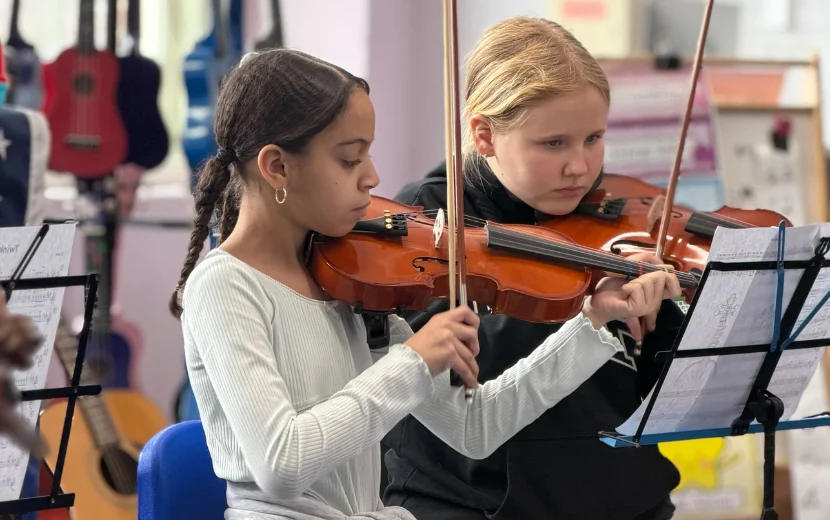
A Simple First-Year Violin Road Map
Every student follows a different path, but this general outline can help set expectations.
First one to three months
Students often learn:
• Instrument care and setup
• Basic posture
• Open-string bowing
• Simple rhythms
• Finger placement
• Short melodies
The sound may still be uneven. That is a normal part of the process.
Months four to six
Many students begin working on:
• Longer songs
• Basic scales
• String crossings
• Slurs
• Simple dynamics
• Reading more notes
Progress depends on lesson quality and regular practice.
Months seven to twelve
A committed beginner may explore:
• More complete pieces
• Broader bow use
• Better intonation
• Simple shifting preparation
• Performance opportunities
Some students progress faster, while others need more time. There is no single correct schedule.
Frequently Asked Questions About Is Violin a Good First Instrument
Is violin a good first instrument for a complete beginner?
Yes, the violin can be a strong first instrument for someone who enjoys melody and patient practice. Beginners should expect a learning period before their sound becomes smooth.
Is violin too hard for a child?
The violin is challenging, but it is not too hard for a child who is ready and supported. A correct instrument size, a kind teacher, and short practice sessions make a major difference.
How long does it take to learn violin?
Many beginners can play simple songs within a few months with regular practice. Developing a smooth tone, accurate pitch, and confident technique usually takes much longer.
Should I rent or buy a beginner violin?
Renting is often best at first, especially for children who may need a larger size later. Choose a reputable shop that provides a properly adjusted instrument and repair support.
Can I teach myself violin?
You can learn basic information from books and videos, but complete beginners often benefit from a teacher. Early posture and bow mistakes can become difficult to correct without feedback.
How often should a beginner practice violin?
Short daily practice is usually more useful than one long session each week. Many beginners can start with 10 to 20 focused minutes per day and increase gradually.
Is violin harder than piano?
The violin often feels harder at the start because players must create pitch and tone themselves. Piano provides clear notes immediately, but both instruments become more complex with advanced study.
Conclusion
Is violin a good first instrument? For many learners, yes. It builds listening, focus, coordination, musical expression, and confidence while opening the door to classical, folk, popular, and ensemble music.
The main challenge is the slow beginning. A good teacher, a properly fitted violin, patient practice, and realistic goals can make that stage much easier. If you enjoy the sound of the violin and are willing to learn one small skill at a time, it can become a deeply rewarding lifelong instrument.
Try a lesson, visit a reputable violin shop, and test a properly sized instrument before making your decision. Share your goals with a teacher, then choose the learning path that feels both practical and inspiring.

Senior Music Reviewer
Alex Carter is a seasoned music reviewer with over a decade of experience in the world of sound and instruments. Passionate about helping musicians and enthusiasts make informed choices, he brings sharp insights and in-depth knowledge to every review. From classical instruments to modern gear, Alex combines technical expertise with a love for music to deliver content that resonates with readers.
As a Senior Music Reviewer and expert author on Tuneluma.com, Alex is dedicated to sharing honest evaluations, practical advice, and thoughtful commentary to guide readers in their musical journey.