
Is It Too Late To Learn Violin: Start At Any Age
No, it is not too late to learn violin; adults can make steady progress.
If you wonder, “is it too late to learn violin,” the honest answer is no. Age may affect how quickly you learn, but it does not remove your ability to build skill, musicality, and confidence. With a good teacher, a suitable practice plan, and patience, beginners can learn violin at almost any age. This guide explains what to expect, how long progress may take, common challenges, and how to start in a smart way.
Is It Too Late to Learn Violin?
It is not too late to learn violin if you are an adult, a teenager, or an older beginner. The violin does not have a strict age limit. Your progress depends more on practice quality, physical comfort, instruction, and consistency than on your birth year.
Children often learn quickly because they have flexible schedules and developing motor skills. Adults bring other strengths, such as focus, life experience, patience, and a clear reason for learning. These strengths can make adult violin lessons more efficient.
Learning violin is like building a path through a forest. Your first steps may feel slow, but each practice session clears the way. Over time, movements that once felt strange become natural.
Many adult learners worry that they missed the ideal starting age. That fear is understandable, but it often comes from comparing a beginner with a trained professional. A better comparison is you today versus you one month from now.
You can learn to:
• Play simple songs
• Read basic sheet music
• Understand rhythm and pitch
• Perform for family or friends
• Join a beginner orchestra or community ensemble
• Play folk music, classical music, worship music, or popular songs
• Continue toward advanced violin study
The answer to “is it too late to learn violin” is especially encouraging when your goal is personal growth rather than a professional concert career. You do not need to become a virtuoso to enjoy the instrument.
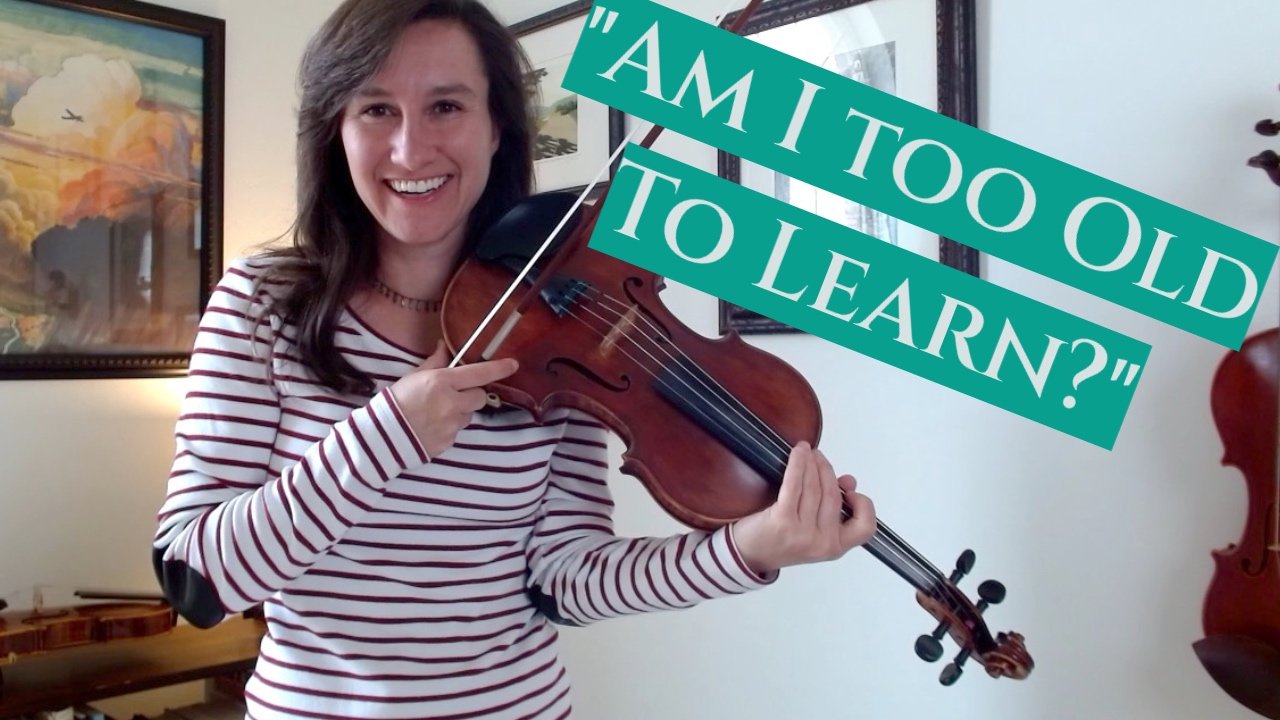
Why Adults Can Learn Violin Successfully
Adults often start violin with realistic goals. They may want to play a favorite song, reconnect with music, support a child, or enjoy a creative hobby. A clear reason can keep you practicing when progress feels slow.
Adult learners also understand the value of small improvements. You may notice that your bow sounds cleaner, your fingers land more accurately, or your rhythm stays steady for a few extra measures. These small wins build real skill.
Research on music learning shows that the adult brain can continue forming new connections. This ability, known as neuroplasticity, does not stop after childhood. Adults may need more repetition, but repetition is a normal part of learning violin at any age.
Adults also have some advantages:
• Better attention during lessons
• Stronger problem-solving skills
• More control over their practice schedule
• A deeper emotional connection to music
• Greater ability to understand written instructions
• More patience with long-term goals
In my experience of studying how beginners approach music, the most successful learners are not always the youngest. They are the people who practice often, ask clear questions, and accept that early sounds may be rough.
One common mistake is expecting motivation to appear every day. Skilled learners use routines instead. Even ten focused minutes can help maintain progress when life becomes busy.

What Makes Learning Violin Difficult?
The violin has a steep beginning because it has no frets. On a guitar, frets help guide finger placement. On a violin, your fingers must learn the correct locations through listening, touch, and repeated movement.
The bow also requires careful control. You must manage speed, pressure, and contact point. A small change can affect tone. At first, the sound may be scratchy or uneven. This is normal for nearly every beginner.
Common challenges include:
• Holding the violin and bow comfortably
• Keeping the left wrist relaxed
• Finding accurate finger placement
• Producing a clear tone
• Reading notes while playing
• Staying in time
• Coordinating both hands
• Managing shoulder, neck, or wrist tension
These challenges do not mean you lack talent. They show that your brain and muscles are learning a new skill. Think of the process as learning a new accent. Your mouth may feel awkward at first, but steady use makes the sounds more natural.
Adults should also watch for tension. Pain is not a sign of good practice. Mild tiredness can be normal, but sharp pain, numbness, or lasting soreness deserves attention. A qualified teacher can adjust your posture and technique.
If you ask, “is it too late to learn violin,” do not confuse a difficult first stage with a hopeless one. The beginning is demanding for children and adults alike.

How Long Does It Take to Learn Violin?
The time needed to learn violin varies by person. Practice time, lesson quality, musical background, physical comfort, and goals all affect progress.
A realistic general guide looks like this:
• After one month: You may learn basic posture, bow control, and simple rhythms.
• After three months: You may play short beginner songs with a steady pulse.
• After six months: You may read easy music and use several basic finger patterns.
• After one year: You may play simple melodies with better tone and control.
• After two or more years: You may join a beginner ensemble and study more complex music.
These time frames are not promises. Some learners progress faster, while others need more time. Neither path is wrong.
Practice quality matters more than long sessions. A focused 20-minute session can be more useful than an unfocused hour. Stop before your posture falls apart or your attention fades.
A simple weekly plan may include:
- Practice for 15 to 30 minutes, five days per week.
- Begin with slow open-string bowing.
- Review one technical skill, such as finger placement.
- Play a short song or exercise.
- End with one easy passage that feels successful.
If you only have ten minutes, use them well. Regular contact with the instrument helps your muscles remember what they learned.

Can Older Adults Learn Violin?
Older adults can learn violin, but they may need a thoughtful approach. Hand strength, joint movement, hearing, eyesight, and posture can affect comfort. These factors do not automatically prevent learning.
A teacher can help you select a smaller instrument, adjust your setup, or change exercises. Some adults benefit from shorter sessions with more breaks. Others need larger print music or a slower lesson pace.
Before starting, consider:
• Whether your shoulders and neck feel comfortable
• Whether your hands can move without sharp pain
• Whether you can see sheet music clearly
• Whether you can hear pitch differences
• Whether you need a medical or physical therapy opinion
If you have arthritis, an old injury, hearing loss, or balance concerns, speak with a health professional when needed. A music teacher can support technique, but a teacher cannot diagnose a medical condition.
Older beginners often bring strong patience and emotional depth. These qualities can help them play with expression, even when their technique is still developing. Music is not only a race toward speed. It is also a way to communicate.
So, is it too late to learn violin later in life? No. You may need more care with posture and practice length, but meaningful progress remains possible.

How to Start Learning Violin as an Adult
A strong beginning can save you months of frustration. Start by finding a teacher who regularly works with adult beginners. Adult learning has different needs from children’s instruction, so experience matters.
Ask potential teachers:
• Do you teach complete beginners?
• Do you offer in-person or online lessons?
• How do you prevent tension and strain?
• What practice time do you recommend?
• Can you teach different music styles?
• How do you measure progress?
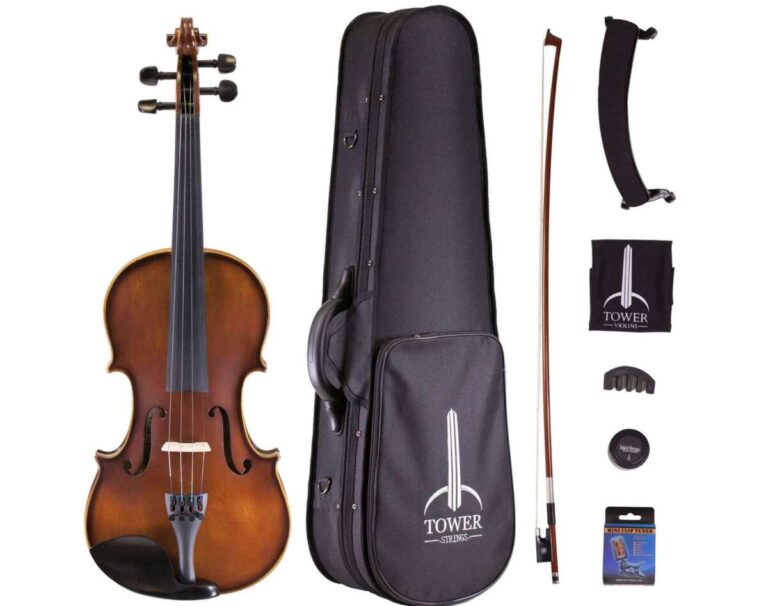
Try to rent a violin before buying one. A rental lets you test the instrument without making a large commitment. Poor setup can make a beginner’s experience much harder. A teacher or violin shop should check the bridge, strings, pegs, chin rest, and sound quality.
You will usually need:
• A properly fitted violin and bow
• Rosin
• A shoulder rest, if comfortable
• An electronic tuner or tuning app
• A music stand
• Beginner sheet music
• A practice journal
• A metronome
Avoid buying the cheapest instrument online without advice. Some low-quality violins are difficult to tune and unpleasant to play. That can make you think you lack ability when the real problem is the instrument.
Your first goal should not be playing fast. Focus on a relaxed setup, clean tone, steady rhythm, and accurate notes.

A Practical Violin Practice Routine
A clear routine makes it easier to practice when motivation is low. It also helps you notice which skills need attention.
Try this beginner routine:
- Spend two minutes checking posture and relaxing your shoulders.
- Play open strings slowly for three to five minutes.
- Practice a short scale or finger pattern.
- Work on one difficult measure from your song.
- Play the full song slowly.
- Write down one success and one goal for next time.
Use slow practice as a learning tool, not a punishment. When you slow down, your brain has more time to guide each movement. Speed should come after control.
Record yourself once a week. You may hear problems that are hard to notice while playing. You will also hear improvements that feel too small in the moment.
A practice journal can include:
• Date and practice length
• Exercises completed
• Difficult sections
• Physical comfort
• Questions for your teacher
• One improvement you noticed
One lesson I would emphasize to every new learner is this: do not repeat mistakes at full speed. Stop, reduce the speed, solve the problem, and then build up again. This simple habit can change your progress.

Common Mistakes Adult Beginners Should Avoid
Many beginners make the same errors. The good news is that most are easy to prevent.
Practicing only when you feel inspired
Motivation changes from day to day. A small routine is more reliable than waiting for inspiration. Put practice on your calendar like any other important appointment.
Holding the violin too tightly
A tight jaw, raised shoulder, or stiff wrist can limit movement. Check your body often. Relax your hands between exercises.
Skipping the basics
It is tempting to rush toward songs. However, posture, bow control, rhythm, and finger placement support every song you will play later.
Comparing yourself with others
Online videos often show polished performances. They rarely show the years of slow practice behind them. Compare your current playing with your earlier recordings instead.
Ignoring poor instrument setup
An instrument with high string action, weak tuning pegs, or a damaged bow can create needless difficulty. Have a teacher inspect your violin.
Playing through pain
Pain can signal a posture or technique problem. Stop and seek guidance if discomfort continues.
Expecting perfect pitch
Most beginners do not play perfectly in tune. Intonation improves through careful listening, slow practice, and feedback. It is a skill, not a fixed gift.
If you are still asking, “is it too late to learn violin,” these mistakes may be the real barrier—not your age.

The Benefits of Learning Violin as an Adult
Learning violin can enrich your life beyond the music itself. It gives your mind a focused task and your day a creative break.
Potential benefits include:
• Improved concentration
• Better coordination between the hands
• A stronger sense of rhythm
• Stress relief through focused activity
• A sense of achievement
• New social connections
• Greater appreciation of music
• A meaningful long-term hobby
Playing with other people can be especially rewarding. Community orchestras, beginner groups, and informal music circles offer support and motivation. You do not need to be advanced to participate in every group. Many ensembles have sections for developing players.
Music can also connect generations. An adult learner may play a simple tune with a child, join a family performance, or learn a song connected to a cultural tradition. These moments often matter more than technical perfection.
The violin can become part of your identity without becoming your entire life. You can learn slowly, enjoy the process, and define success in your own way.

Choosing Realistic Goals
A good goal is specific and meaningful. “Become good at violin” is too broad. “Play three folk songs for my family in six months” gives you a clear direction.
Useful goals include:
• Learn one new song each month
• Practice five days each week
• Improve bow tone on open strings
• Play a scale without stopping
• Perform for one supportive listener
• Attend a beginner ensemble rehearsal
• Record one progress video each month
Use short-term and long-term goals together. A short-term goal may be playing a four-line melody. A long-term goal may be performing in a community concert.
Your goal may also change. You might begin with classical music and later discover bluegrass, Irish fiddle, jazz, or film music. That change is part of learning, not a failure to stay focused.
The question “is it too late to learn violin” often becomes less important once you have a personal reason to play. A meaningful goal gives your practice direction.
Is Violin Better Than Other Instruments for Adults?
No instrument is automatically best for every adult. The right choice depends on your musical taste, physical comfort, budget, and learning goals.
The violin offers expressive sound and a wide range of music. It is also portable and useful in many ensembles. However, it has a difficult early stage because intonation and bow control require careful work.
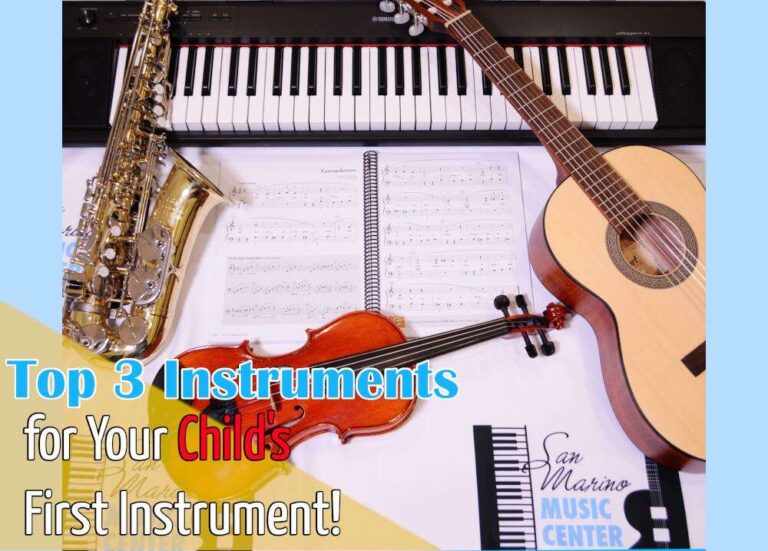
A keyboard may offer easier first notes because the pitches are already arranged. Guitar can provide quick access to chords and songs. The violin may take longer to sound pleasant, but many learners find its expressive range deeply rewarding.
Choose violin if:
• You love its sound
• You enjoy melodic music
• You are willing to practice slowly
• You want to play in an ensemble
• You enjoy detailed physical learning
Passion matters. A learner who loves the instrument will often continue through the awkward beginning.
Frequently Asked Questions About Is It Too Late to Learn Violin
Is 30 too old to learn violin?
No, 30 is not too old to learn violin. Many adults begin in their 30s and make steady progress with regular practice and good instruction. Your goals and practice habits matter more than your age.
Is 40 too old to start playing violin?
No, starting at 40 is completely realistic. You may need to schedule practice carefully, but adult focus and life experience can support strong learning habits.
Can I learn violin at 50 or 60?
Yes, people can learn violin at 50, 60, and beyond. Choose a comfortable instrument setup, use short practice sessions, and seek help if you have joint, hearing, or vision concerns.
How many years does it take to learn violin?
You can play simple songs within a few months with consistent practice. Developing confident tone, accurate intonation, and advanced technique may take several years.
Can I learn violin without a teacher?
You can learn basic skills through books and videos, but a teacher can correct posture, bow grip, tension, and intonation problems early. Even occasional lessons can help prevent habits that are difficult to change.
How often should an adult beginner practice violin?
Aim for 15 to 30 minutes on most days. Regular practice usually works better than one long session each week.
Is violin harder to learn than piano?
The violin often feels harder at first because you must create the pitch and tone yourself. Piano gives you fixed notes, while violin requires more control of the ear, fingers, and bow.
Conclusion
It is not too late to learn violin. Adults and older beginners can develop technique, play meaningful songs, and enjoy music through steady, patient practice. Progress may feel slow at first, but every focused session builds coordination, listening skill, and confidence.
Start with a well-set-up violin, a supportive teacher, and a simple practice routine. Set a small goal for the next month, then celebrate each improvement. Explore beginner lessons, try a rental instrument, and leave a comment about the song you hope to play first.

Senior Music Reviewer
Alex Carter is a seasoned music reviewer with over a decade of experience in the world of sound and instruments. Passionate about helping musicians and enthusiasts make informed choices, he brings sharp insights and in-depth knowledge to every review. From classical instruments to modern gear, Alex combines technical expertise with a love for music to deliver content that resonates with readers.
As a Senior Music Reviewer and expert author on Tuneluma.com, Alex is dedicated to sharing honest evaluations, practical advice, and thoughtful commentary to guide readers in their musical journey.