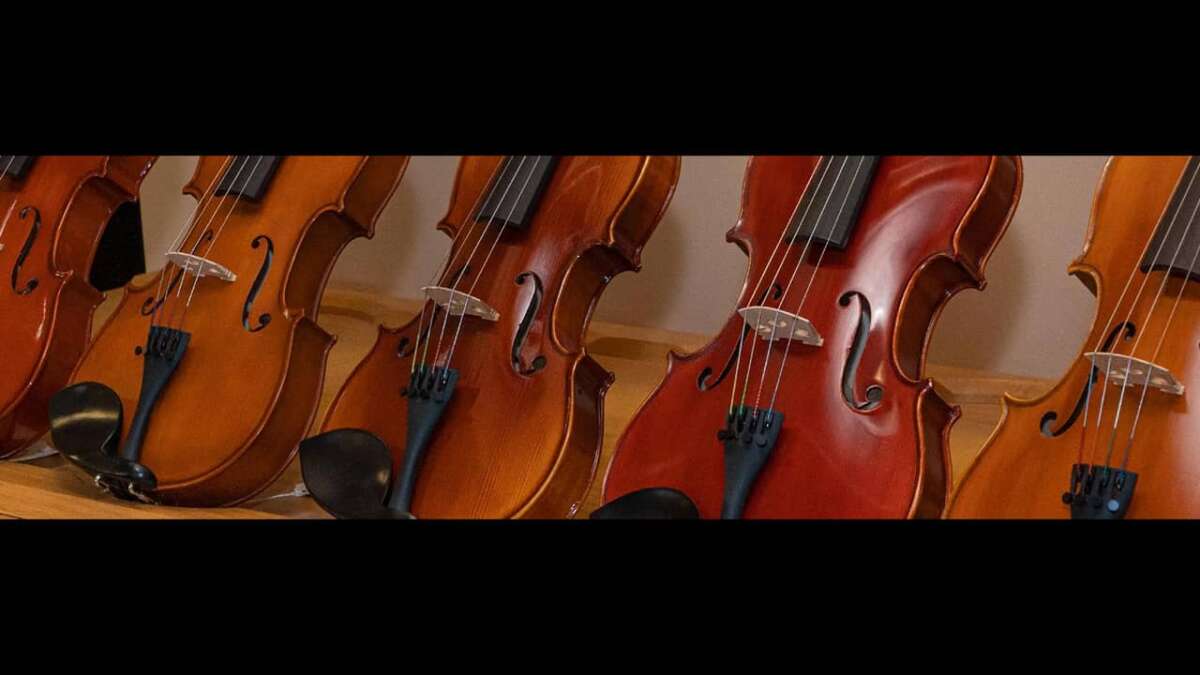
How To Pick A Violin: Best Buying Guide
Choose a violin by matching its size, playability, sound, setup, condition, and budget to your needs.
Learning how to pick a violin can feel confusing at first. Many instruments look similar, yet small differences in wood, setup, tone, and comfort can greatly change your playing experience. This guide explains how to pick a violin with the same practical care used by teachers, repairers, and experienced players, so you can avoid costly mistakes and choose an instrument that helps you grow.

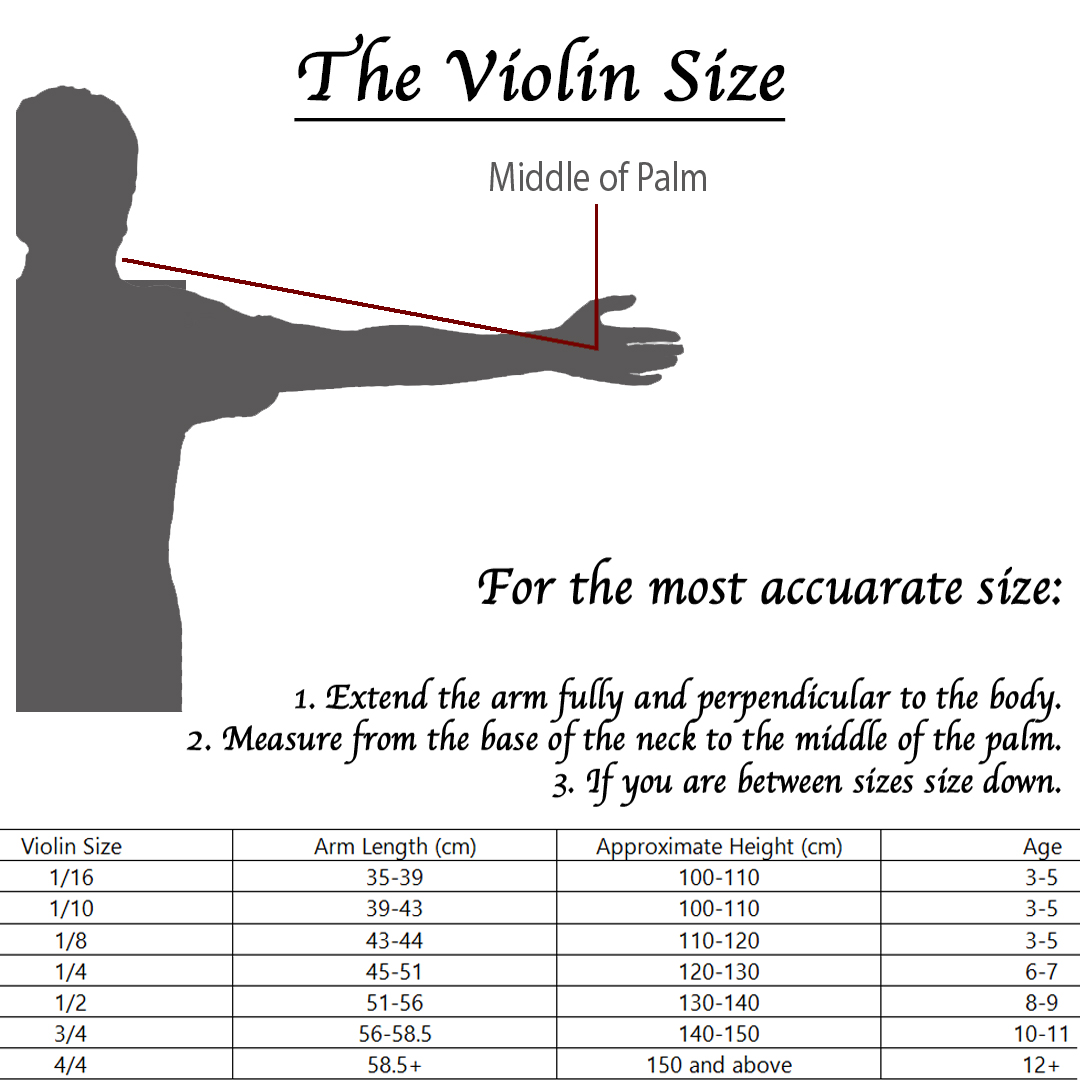
Start With the Right Violin Size
The first step in learning how to pick a violin is choosing the correct size. A violin that is too large can cause pain and poor technique. One that is too small may feel cramped and limit your progress.
Most adults use a full-size 4/4 violin. Children often need a smaller size, such as 1/16, 1/10, 1/8, 1/4, 1/2, or 3/4. Age can offer a rough guide, but arm length is more useful.
A teacher or violin shop should measure the player. The player holds the violin under the chin and reaches around the instrument toward the scroll. The arm should extend comfortably, without locking the elbow or stretching the shoulder.
Common violin size guide
| Violin size | Typical player |
|---|---|
| 1/16 to 1/8 | Very young children |
| 1/4 to 1/2 | Young children |
| 3/4 | Older children or smaller teens |
| 4/4 | Most teens and adults |
These ranges are only estimates. Two children of the same age may need different sizes. A qualified teacher can often identify the best fit in less than a minute.
A useful rule is simple: comfort matters more than age. The correct violin should let the player hold the instrument without lifting the shoulder or twisting the wrist.
Set a Realistic Budget
Budget is a major part of how to pick a violin. A low price does not always mean poor quality, and a high price does not always mean a good match. The goal is to find the best value within your budget.
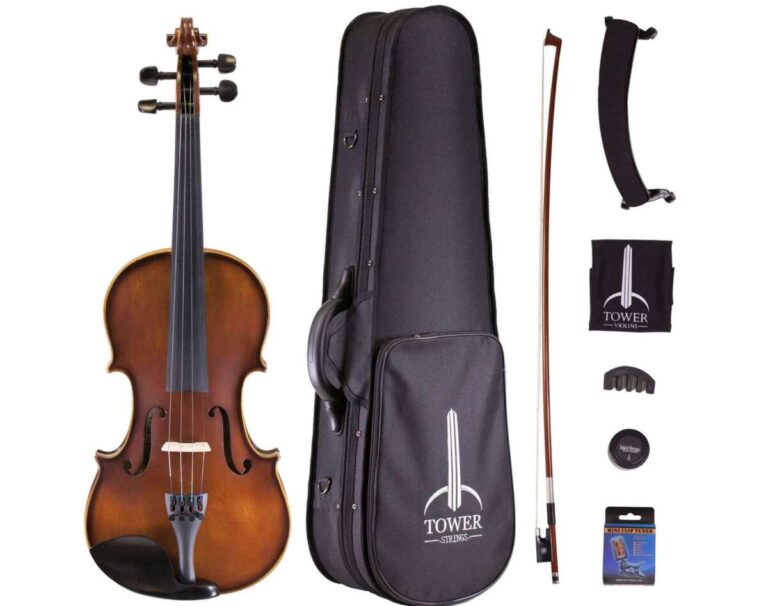
For a beginner, the full cost may include more than the violin itself:
• Violin
• Bow
• Case
• Shoulder rest
• Rosin
• Extra strings
• Tuner
• Initial setup or repair
Very cheap violin outfits often need major work before they play well. A bridge may be too thick, the soundpost may be misplaced, the pegs may slip, or the fingerboard may not be level. These problems can make a beginner think they lack talent when the real problem is the instrument.
A practical beginner budget is often better spent on a well-set-up student violin than on the cheapest new outfit. Rental programs can also be smart, especially for growing children. Many shops offer rent-to-own plans that allow part of the rental cost to apply toward a future purchase.
General price ranges
Prices vary by region, maker, age, and condition, but these broad categories can help:
• Entry-level student violins: suitable for early lessons when properly set up
• Intermediate violins: more refined tone, response, and materials
• Advanced and professional violins: made for demanding players and specific musical needs
Do not spend your entire budget on the violin and forget the bow. A poor bow can limit tone and control, even when the violin is excellent.
Understand the Parts of a Violin
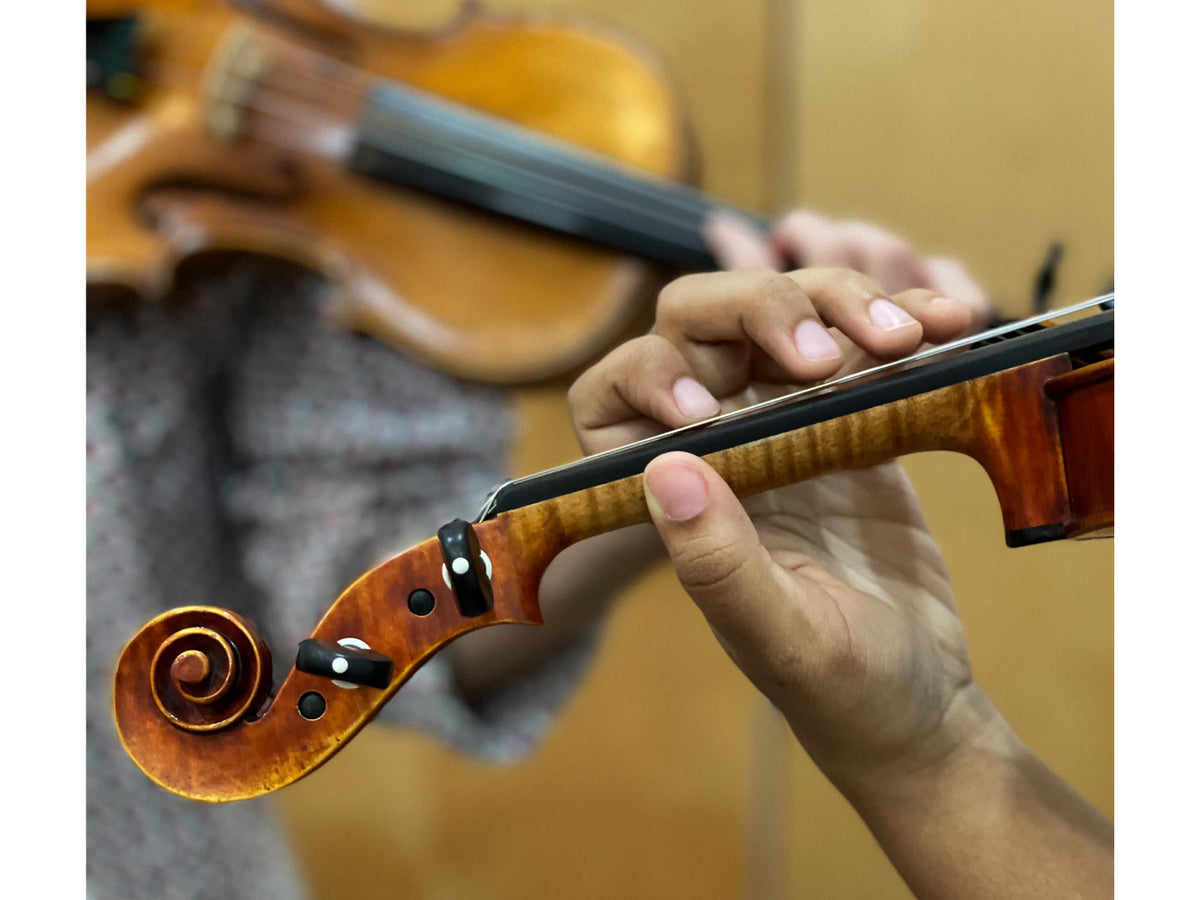
Knowing the basic parts makes how to pick a violin much easier. You do not need to become a luthier, but you should know what to inspect.
The main parts include:
• Body: The hollow wooden box that creates and projects sound
• Top plate: Usually made from spruce
• Back, ribs, and neck: Often made from maple
• Fingerboard: The black surface where the fingers press the strings
• Bridge: The small maple piece that transfers string vibration to the body
• Soundpost: A small wooden dowel inside the violin
• Bass bar: An internal support under the bass side of the top plate
• Tailpiece: Holds the strings at the lower end
• Pegs: Used to tune the strings
• Fine tuners: Small adjusters that make tuning easier
The wood should not be judged by color alone. Bright varnish, dark varnish, and antique-looking finishes can all appear on useful instruments. Appearance is not a reliable measure of sound.
Look for clean construction. The seams should be closed, the bridge should stand straight, and the fingerboard should be smooth. Small marks are normal on used violins, but open cracks and loose parts require expert attention.

Check the Violin’s Setup
Setup is one of the most important parts of how to pick a violin. Setup means adjusting the instrument so it plays correctly and responds well.
A good setup usually includes:
• Properly shaped bridge
• Correct bridge position
• Level, smooth fingerboard
• Pegs that turn smoothly and hold their pitch
• Correctly fitted soundpost
• Comfortable string height
• Suitable strings
• Clean fingerboard and fittings
A violin with poor setup may feel hard to play. The strings may sit too high, which makes the left hand tire quickly. The bridge may be too thick, which can weaken the sound. The pegs may slip each time you tune.
When testing a violin, press each string down at different points. The notes should speak without excessive buzzing. Also check that the strings are not so high that normal fingering feels painful.
This is where a reputable violin shop has a clear advantage. A shop can often improve a modest violin through setup, while no adjustment can fully fix badly made construction.

Inspect the Violin’s Condition
Condition matters most when you buy a used violin. Older instruments can be wonderful, but age alone does not guarantee quality.
Inspect the violin under good light. Look for:
• Open seams along the edges
• Cracks in the top or back
• Repaired areas near the soundpost or bridge
• A warped or detached fingerboard
• Loose purfling around the top and back
• Pegs that slip or stick
• A neck that appears tilted or loose
• Evidence of woodworm or insect damage
Not every repair is a deal breaker. Professional restorers repair many valuable violins. The key questions are whether the repair was done well, whether it affects the sound, and how much future work may be needed.
Avoid buying a cracked violin online without a return policy. Photos often hide important details. A repair that looks tiny on a screen may be expensive in person.
A violin shop should explain repairs in clear language. Ask for a written condition report when possible. This creates a record and helps you compare instruments fairly.

Evaluate the Sound
Sound is central to how to pick a violin, but sound is also personal. One player may love a bright, focused tone, while another prefers a warm, dark sound.
Listen for several qualities:
• Clarity: Can you hear each note easily?
• Warmth: Does the sound feel rich rather than sharp?
• Projection: Can the violin fill a room without forcing?
• Balance: Are the four strings similar in strength?
• Response: Does the instrument speak quickly when you play?
• Color: Can the sound change with bow speed and pressure?
Ask someone else to play the violin while you listen from several feet away. A violin can sound attractive under the ear but weak across a room. The reverse can also happen.
Test the instrument on every string. Play soft notes, loud notes, low notes, and high notes. Use both long bows and short strokes. If possible, play a simple scale, a slow melody, and a passage that uses different strings.
Do not judge a violin after one rushed test. The room, strings, bow, and player can all affect what you hear. Give your ears time to adjust.

Test the Bow as Part of the Instrument
Many beginners focus only on the violin. However, the bow has a major effect on tone, rhythm, and control. Learning how to pick a violin also means learning how to choose a usable bow.
A good beginner bow should:
• Have a straight stick when viewed from the frog toward the tip
• Tighten and loosen smoothly
• Hold a firm but flexible shape
• Have clean, secure hair
• Feel balanced in the hand
• Produce sound without excessive bouncing
The bow should not be tightened so much that the hair touches the stick during normal playing. It should also not feel weak or unstable.
Carbon fiber bows can offer strong value for students. Wooden bows can be excellent too, but their quality varies widely. A teacher can help compare both types.
Avoid judging a bow only by its color or label. Playability matters more than decoration.

Choose the Right Strings
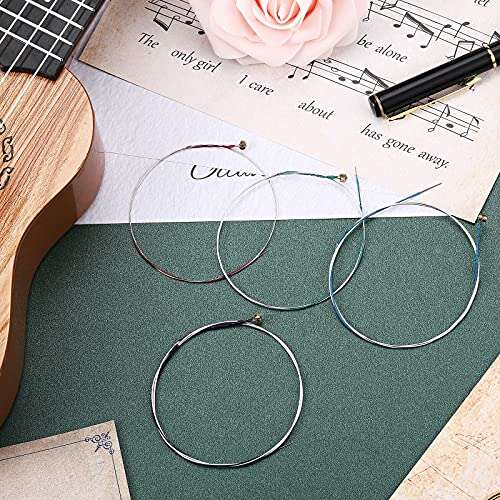
Strings can change a violin’s sound more than many beginners expect. Different strings may make an instrument brighter, warmer, louder, or easier to play.
Common string materials include:
• Steel core: Durable and often clear or bright
• Synthetic core: Flexible and balanced, with many sound options
• Gut core: Rich and complex, but more sensitive to temperature and tuning changes
Beginners often do well with reliable synthetic or steel strings. The best choice depends on the violin, the player, and the desired sound.
Do not assume that expensive strings will transform a poor violin. Strings can improve a suitable instrument, but they cannot repair bad construction or poor setup.
Ask the shop which strings are installed. Write down the brand and model if you like the sound. This small detail can help you replace them later.
Compare New, Used, and Student Violins
A new violin offers a clean history and may include a warranty. It can also be easier to return or exchange. However, a new violin is not automatically better than a used one.
A used violin may offer better materials and a more developed sound for the price. It may also have hidden repairs or wear. This is why inspection and a return period matter.
Factory-made student violins can be a sensible choice for early study. They are often consistent and affordable. Handcrafted instruments may provide more character, but they require more careful evaluation.
When comparing instruments, keep the conditions similar:
• Use the same bow when possible
• Play the same short passage
• Tune each violin carefully
• Test in the same room
• Compare at both soft and loud volume
• Take notes after each test
The best instrument is not always the loudest one. A violin that feels easy, stable, and expressive may support progress better than one that sounds powerful but fights the player.
Try the Violin Before Buying
Trying a violin is the most reliable part of how to pick a violin. If you are a beginner, bring your teacher or an experienced player.
Ask the seller whether you may:
• Play the instrument for several minutes
• Compare it with another violin
• Test it with your own bow
• Take it home on approval
• Have a teacher inspect it
• Return or exchange it within a clear period
A home trial is especially useful. Shop rooms can be busy or acoustically unusual. At home, you can notice how the violin feels during a normal practice session.
During the trial, watch for physical comfort. The neck should not feel unusually thick. The left hand should move without strain, and the right hand should be able to control the bow with ease.
New players often choose the violin that sounds loudest for the first few minutes. This is a common mistake. A loud violin may be exciting, but a balanced and responsive instrument is often easier to enjoy and learn.
Bring a Teacher or Skilled Player
A teacher can identify problems that a beginner may not hear or see. This is one of the strongest tips for how to pick a violin.
An experienced player can check:
• Tuning stability
• String height
• Bow response
• Tone across all four strings
• Intonation challenges
• Construction and repairs
• Whether the violin suits the player’s body
A teacher may also know local shops and trusted makers. Their advice can save you from paying for repairs later.
If you cannot bring a teacher, record a short video of the violin from several angles. Include close views of the bridge, scroll, seams, and any damaged areas. Then ask a respected player or repairer for an opinion.
Do not let a seller pressure you because another customer is “waiting.” A sound purchase deserves time.
Avoid Common Buying Mistakes
The most useful lessons about how to pick a violin often come from mistakes. Here are problems worth avoiding:
• Choosing by appearance alone: Attractive varnish does not guarantee good sound.
• Buying the cheapest outfit: Low-cost instruments may need expensive setup work.
• Ignoring the bow: A weak bow can make a good violin feel difficult.
• Skipping the return policy: Every player needs time to confirm a choice.
• Trusting an unsupported label: A famous name inside a violin may not prove its origin.
• Buying online without inspection: Photos cannot show every crack or setup problem.
• Choosing a size that is too large: Stretching can create tension and poor habits.
• Comparing only volume: Projection, balance, and response matter just as much.
• Forgetting insurance: Valuable instruments need protection from theft, damage, and loss.
One practical lesson stands out: do not confuse “old” with “valuable.” Some old violins are ordinary, while some newer instruments are carefully made and highly useful.
Consider the Violin’s Label and Origin
Labels can provide clues, but they are not proof. A label may name a maker, city, workshop, or copy model. In many instruments, the label describes the model rather than the person who made the violin.
A trustworthy seller should explain what is known and what is uncertain. Be careful with claims such as “rare,” “museum quality,” or “made by a famous master” unless qualified experts support them.
For a valuable antique violin, seek an independent appraisal. An appraisal should address authenticity, condition, market value, and insurance value. These are not always the same number.
For most beginners, sound and playability matter more than historical claims. A well-made modern violin can be a better learning tool than a fragile antique with an uncertain history.
Know When Professional Setup or Repair Is Needed
Sometimes the best way to pick a violin is to choose a promising instrument and have it adjusted by a skilled luthier. A luthier is a specialist who builds, repairs, and sets up string instruments.
Seek professional help if:
• The bridge leans or has warped
• The strings feel unusually high
• The pegs slip constantly
• The soundpost falls or moves
• The violin has open cracks
• The seams are separating
• The fingerboard feels uneven
• The instrument makes unexplained buzzing sounds
Do not try to glue cracks or move the soundpost yourself. Household glue and improvised tools can cause permanent damage.
Setup costs vary, so ask for an estimate before authorizing work. A repair may be worthwhile, but the total cost should still make sense compared with the violin’s value and purpose.
Match the Violin to Your Musical Goals
The right violin depends on what you want to play. A student preparing for orchestra may need a balanced sound and strong projection. A folk musician may prefer a direct, bright tone. A soloist may seek more power and color.
Think about your goals:
• Private lessons
• School orchestra
• Chamber music
• Classical solo playing
• Folk or traditional music
• Worship or community ensembles
• Recording and performance
You do not need a professional instrument to begin. You need one that stays in tune, feels comfortable, and responds clearly enough to support good technique.
As your skills grow, your preferences may change. That is normal. Your first violin is a partner for learning, not a lifelong commitment.
A Simple Step-by-Step Buying Process
Use this process when you are ready to shop:
- Set a complete budget that includes accessories and setup.
- Confirm the correct violin size with a teacher or shop professional.
- Choose a reputable shop with a clear return or trial policy.
- Inspect the violin for cracks, open seams, and setup problems.
- Test the violin with a suitable bow on all four strings.
- Compare at least three instruments at a similar price.
- Ask a teacher or experienced player to test the finalists.
- Take the best options home if a trial period is available.
- Review the warranty, repair terms, and insurance needs.
- Choose the violin that feels comfortable, sounds balanced, and supports your goals.
Take notes during the process. After testing several violins, details can blend together. A short score from one to five for comfort, tone, response, and condition can make the decision clearer.
Frequently Asked Questions About How to Pick a Violin
What is the best violin for a beginner?
The best beginner violin is correctly sized, well set up, easy to tune, and comfortable to play. A reliable student violin from a reputable shop is often a better choice than the cheapest new instrument.
How much should I spend on my first violin?
Spend enough to get a stable instrument, usable bow, protective case, and proper setup. The right amount depends on your region and goals, but renting can be a smart option for children or uncertain beginners.
Should I buy a new or used violin?
Both can work well. A new violin may offer easier returns and a warranty, while a used violin may offer better materials for the price; have any used instrument inspected before buying.
How do I know if a violin is the right size?
The player should hold the violin comfortably and reach toward the scroll without locking the elbow or lifting the shoulder. A teacher or violin shop can measure the arm and confirm the fit.
Is an expensive violin always better?
No. Price can reflect craftsmanship, age, reputation, and condition, but it does not guarantee a better match for every player. Comfort, response, balance, and setup are more useful measures.
Can I buy a violin online?
You can, but online buying carries more risk because photos cannot reveal every setup or repair issue. Choose a seller with a clear return policy and have the instrument checked by a teacher or luthier.
Does the bow really matter when choosing a violin?
Yes. The bow affects tone, rhythm, control, and comfort. A good violin with a poor bow may feel difficult, so test the bow as part of the complete outfit.
Conclusion
Knowing how to pick a violin means looking beyond color, age, and price. Check the size, setup, condition, bow, strings, tone, comfort, and return policy. Most importantly, choose an instrument that makes practice feel possible and progress feel rewarding.
Take your time, compare several violins, and bring a teacher or skilled player when you can. Visit a reputable shop, ask clear questions, and test the instrument in a calm setting. If this guide helped, explore more violin resources, share your experience, or leave a comment about the instrument you choose.

Senior Music Reviewer
Alex Carter is a seasoned music reviewer with over a decade of experience in the world of sound and instruments. Passionate about helping musicians and enthusiasts make informed choices, he brings sharp insights and in-depth knowledge to every review. From classical instruments to modern gear, Alex combines technical expertise with a love for music to deliver content that resonates with readers.
As a Senior Music Reviewer and expert author on Tuneluma.com, Alex is dedicated to sharing honest evaluations, practical advice, and thoughtful commentary to guide readers in their musical journey.