How Much For A Drum Set: Complete Price Guide
A drum set typically costs $300 to $5,000 or more, depending on its type, quality, brand, and included hardware.
If you are asking how much for a drum set, the honest answer is that your budget, playing level, and music goals matter more than one fixed price. A beginner kit for home practice is very different from a professional touring setup. This guide breaks down real US price ranges, hidden costs, used-kit savings, and the features that make one drum set worth more than another.
How much for a drum set by price range
The cost of a drum set can vary widely. A basic kit may cost less than a single high-end cymbal, while a professional setup can cost as much as a used car.
Here is a practical overview of typical US prices:
• Toy or starter drum set: $100 to $250
• Entry-level acoustic drum set: $300 to $800
• Better beginner or intermediate drum set: $800 to $1,500
• Advanced acoustic drum set: $1,500 to $3,500
• Professional acoustic drum set: $3,000 to $10,000 or more
• Entry-level electronic drum set: $300 to $700
• Midrange electronic drum set: $700 to $1,500
• Professional electronic drum set: $1,500 to $5,000 or more
These prices often refer to the shells, basic hardware, and sometimes cymbals. Always check the product description. Some kits look affordable because they exclude cymbals, a throne, or even pedals.
When people ask how much for a drum set, they often compare the shell price alone. That can lead to an unpleasant surprise at checkout. A complete setup usually costs more than the advertised kit price.

What comes with a drum set?
A standard acoustic drum set usually includes several drums and a set of stands. The exact package depends on the brand and price level.
Most complete acoustic kits include:
• Bass drum
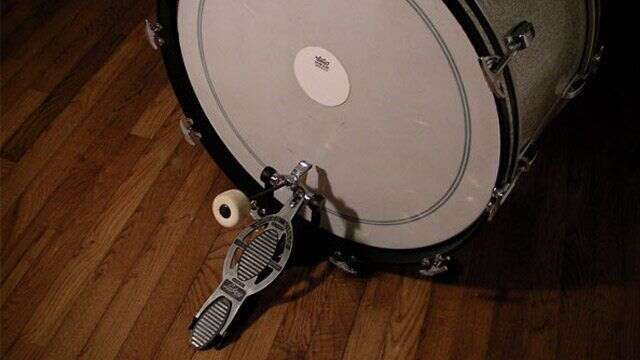
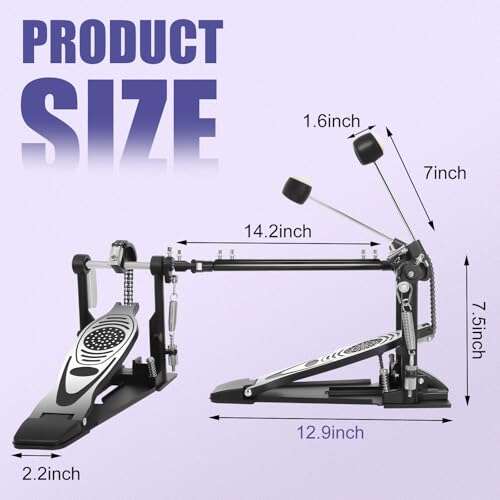
• Bass drum pedal
• Rack toms
• Floor tom
• Snare drum
• Hi-hat stand
• Cymbal stands
• Hi-hat cymbals
• One or more crash or ride cymbals
• Drum throne
A shell pack is different. It usually includes the bass drum, toms, and sometimes the snare, but not the cymbals, stands, pedals, or throne. Shell packs can look like a great deal, but they may require several extra purchases.
A beginner should look for a complete kit. It is easier to set up, easier to price, and less likely to leave you missing a key part. Experienced players often prefer shell packs because they already own their favorite hardware and cymbals.
If you are calculating how much for a drum set, make a checklist before you buy. Think of the kit like a bicycle. The frame matters, but you still need wheels, brakes, and a seat to ride it.
Acoustic drum set prices
Acoustic drums are the classic choice. They produce sound through vibrating drumheads and shells, so they feel natural and responsive under the sticks.
Beginner acoustic drum sets
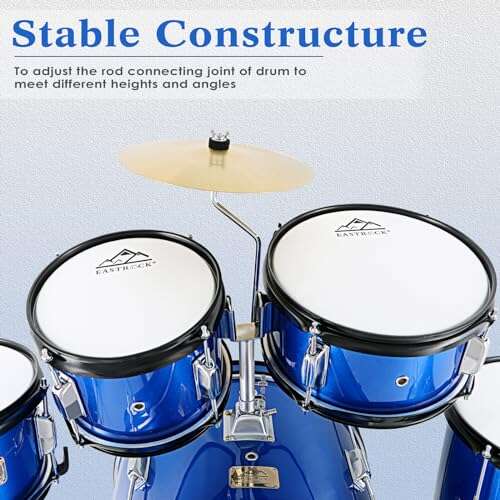
A reliable beginner acoustic kit usually costs $300 to $800. At this level, you can find five-piece kits with basic hardware and cymbals.
A five-piece kit often includes:
• Bass drum
• Snare drum
• Two rack toms
• One floor tom
A low-priced kit may use thin shells, weak stands, and basic cymbals. That does not make it useless. It means you may replace parts sooner as your skills improve.
For many new players, a $500 to $700 kit offers a good balance. It can support lessons, home practice, school performances, and small gigs without creating a large financial risk.
Intermediate acoustic drum sets
Intermediate kits often cost $800 to $1,500. They usually offer better shell materials, stronger hardware, improved bearing edges, and more consistent tuning.
At this level, the sound becomes more flexible. You can tune the drums for rock, pop, jazz, worship, country, or funk. The hardware also tends to stay in place better during longer playing sessions.
Players who practice several times each week often benefit from this range. The extra cost is not only about tone. It can also improve durability and make the kit more enjoyable to play.
Professional acoustic drum sets
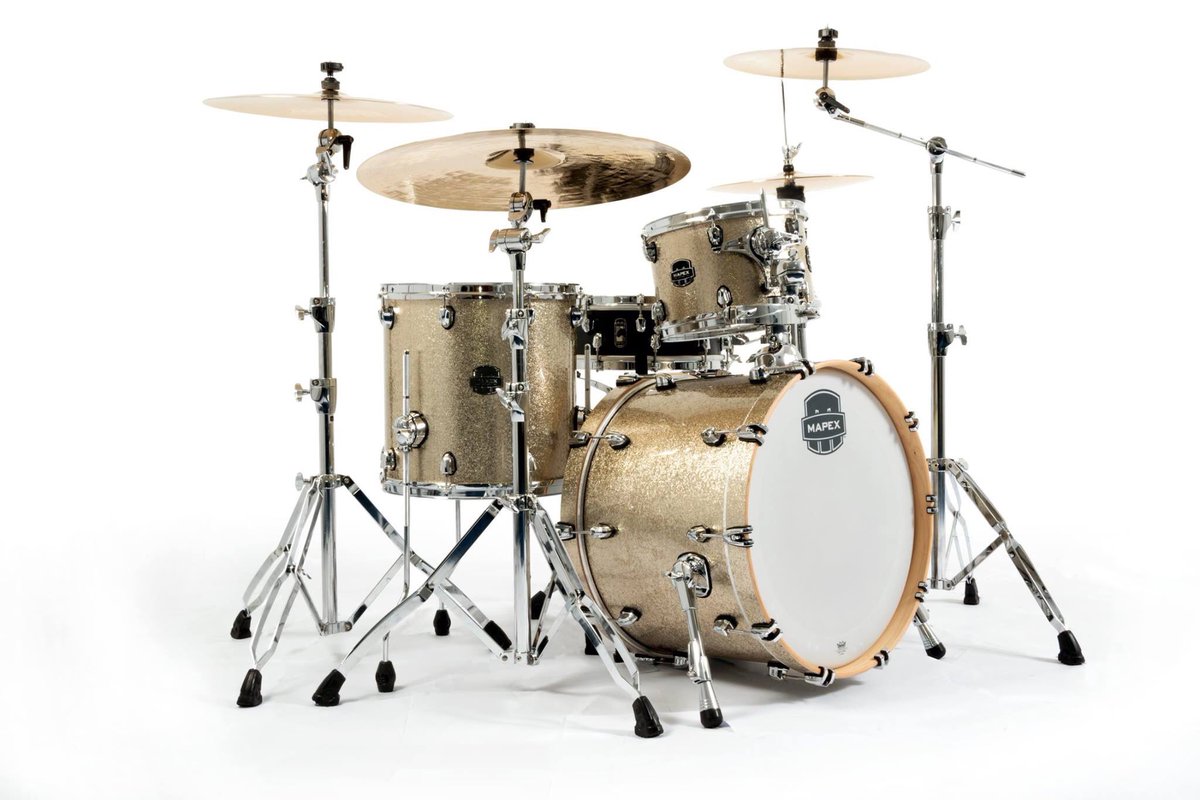
Professional drum sets often cost $2,000 to $10,000 or more. Many use premium maple, birch, oak, walnut, or specialty shell designs.
High-end kits may include:
• Hand-selected shells
• Detailed finishing work
• Precise bearing edges
• Stronger lugs and mounts
• Improved tuning stability
• More shell size and finish options
A professional kit can sound excellent, but it is not automatically the best choice for a beginner. A new player may gain more from lessons, good heads, and quality cymbals than from a very expensive shell pack.

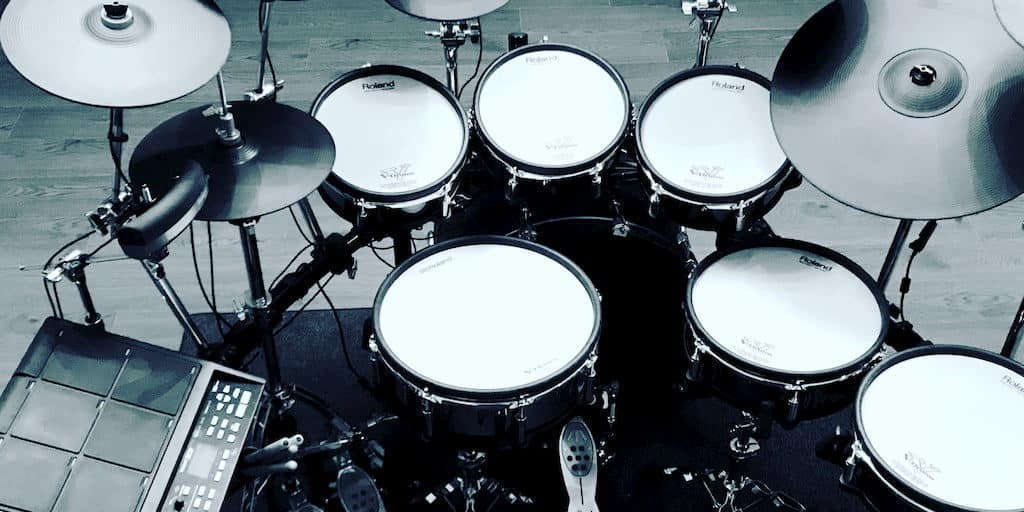
Electronic drum set prices
Electronic drums are popular for apartments, late-night practice, recording, and quiet home use. They use mesh or rubber pads, triggers, and a sound module instead of traditional acoustic shells.
When considering how much for a drum set, electronic models deserve their own price guide.
• Basic electronic kit: $300 to $700
• Midrange electronic kit: $700 to $1,500
• Advanced electronic kit: $1,500 to $3,000
• Professional electronic kit: $3,000 to $5,000 or more
Electronic drum sets can include useful features such as:
• Headphone output
• Built-in practice songs
• Metronome functions
• USB or MIDI recording
• Bluetooth audio
• Multiple drum sounds
• Adjustable pad sensitivity
The main limitation is feel. Cheap rubber pads may not respond like acoustic drumheads. Better mesh-head kits usually provide a more natural rebound and quieter playing surface.
You may also need headphones, a drum throne, a monitor speaker, a rug, and a device for recording. Those extras can add $100 to $500 to the total cost.
An electronic kit is often the better choice when noise is the main concern. It is not completely silent, though. The kick pedal can still transfer impact through a floor, especially in an apartment.

New versus used drum sets
Buying used drums can lower the cost by 30% to 60%. Many respected drum sets remain useful for decades if they were stored well and maintained.
A used kit may be a strong option for beginners because drum shells are often durable. Cymbals and hardware need closer inspection, since they receive more physical stress.
Check these parts before buying:
• Drum shells for cracks or swelling
• Bearing edges for dents or uneven areas
• Cymbals for cracks near the edge or bell
• Stands for loose joints
• Bass drum hoops for warping
• Snare wires for damage
• Pedals for smooth movement
• Tension rods for rust or bent threads
• Drumheads for deep dents or tears
A little dust is normal. Structural damage is not. Ask the seller to let you tune and play each drum if possible.
One common mistake is buying a cheap used kit with poor cymbals and damaged hardware. The drums may seem inexpensive, but replacing every weak part can cost more than buying a clean, complete beginner kit.
If you are comparing how much for a drum set, look at the total condition, not only the brand name. A well-maintained midrange kit can be a better deal than a neglected professional kit.

Extra costs people often forget
The advertised price is not always the final price. A complete drum setup may need several accessories.
Common extra costs include:
• Drum throne: $70 to $300
• Drumsticks: $10 to $25 per pair
• Practice pad: $25 to $100
• Drum rug: $40 to $150
• Replacement drumheads: $50 to $250 for a full set
• Cymbal upgrade: $150 to $1,500 or more
• Better bass drum pedal: $100 to $500
• Ear protection: $15 to $150
• Electronic drum headphones: $30 to $200
• Drum bags or cases: $100 to $600
• Tuning tools and accessories: $15 to $100
Cymbals are often the biggest hidden expense. A basic cymbal pack may cost $150 to $400, while a professional set can cost well over $1,000.
A throne is also important. An unstable seat can affect balance, posture, and comfort. I have seen new players spend heavily on drums, then use a cheap folding chair that makes proper technique much harder.
For a realistic answer to how much for a drum set, add at least $100 to $300 for essential accessories. Add more if the kit does not include cymbals or a pedal.
What affects the price of a drum set?
Several factors determine how much a drum set costs. Understanding them helps you avoid paying for features you do not need.
Shell material
Common shell materials include maple, birch, poplar, mahogany, and basswood.
• Maple often produces a warm, full sound.
• Birch tends to offer strong attack and clear projection.
• Poplar and basswood are common in affordable kits.
• Mahogany can provide a deep and warm tone.
Shell material is only one part of the sound. Drum size, shell thickness, bearing edges, heads, tuning, and room acoustics also matter.
Hardware quality
Strong hardware costs more. Look for sturdy legs, smooth adjustments, double-braced stands, and reliable memory locks.
Weak hardware can slide, shake, or collapse during play. Good hardware protects your investment and makes setup faster.
Cymbal quality
Cymbals are made from different alloys and manufacturing methods. Cast cymbals generally cost more than basic sheet cymbals, though price alone does not guarantee the right sound.
A beginner may be better served by three good cymbals than by six poor ones. Start with a hi-hat, crash, and ride, then add colors as your music develops.
Brand and reputation
Established manufacturers often charge more because of quality control, warranty support, resale value, and consistent parts.
That does not mean every budget brand is poor. It means you should compare specifications, reviews, warranty terms, and replacement-part access.
Finish and customization
Special finishes, custom colors, unusual shell sizes, and limited editions can raise the price. These features may be meaningful to collectors or working musicians, but they do not always improve the sound.

How to choose a drum set for your budget
Start with your use case. The right drum set for a child taking weekly lessons may not suit a drummer who plays loud rock shows.
For children
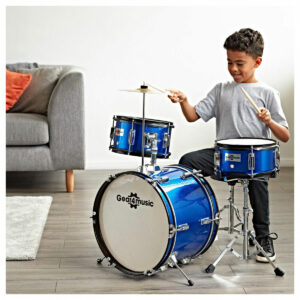
A compact kit in the $250 to $600 range can work well. Make sure the child can comfortably reach the pedals, snare, and cymbals.
Avoid buying a toy kit if the child is serious about learning. Toy drums may have poor tuning and weak hardware, which can make practice frustrating.
For adult beginners
A complete acoustic kit between $400 and $800 is a sensible starting point. A basic electronic kit in the $500 to $900 range can work better for quiet practice.
Choose a kit with dependable hardware and standard drum sizes. Standard parts are easier to replace later.
For apartment practice
Electronic drums are usually the most practical option. Budget at least $500 for a model with mesh heads, a usable module, headphones, and a stable rack.
Also consider a vibration-reducing platform or thick mat. This can help limit noise that travels through the floor.
For recording
A good acoustic kit may cost $1,000 to $3,000, but microphones, stands, cables, and an audio interface can add much more.
Electronic drums can simplify home recording. They can send MIDI data to music software, which allows you to change sounds after recording.
For live performance
Choose sturdy hardware, dependable tuning, and cymbals that project well. A midrange or professional kit is often a better long-term choice for regular shows.
Do not forget transport. Drum cases, a cart, and replacement heads can be just as important as the drums themselves.
Ways to save money on a drum set
You do not need to spend thousands of dollars to begin playing. Smart buying can protect your budget without sacrificing quality.
-
Buy a complete package when starting out. Bundles often cost less than buying each part separately.
-
Compare the included cymbals. A low price may hide thin cymbals that you will replace soon.
-
Consider a clean used kit from a trusted seller.
-
Buy quality essentials first, such as a throne, pedal, and hi-hat stand.
-
Upgrade slowly instead of replacing everything at once.
-
Ask a teacher or experienced drummer to inspect a used kit.
-
Watch for seasonal sales and floor models.
-
Check warranty coverage and return policies.
-
Avoid paying extra for features you will not use.
-
Set aside money for replacement heads and basic maintenance.
One lesson I have seen many new drummers learn is that setup and tuning can transform an inexpensive kit. Fresh heads, careful tuning, and correctly placed cymbals can make a basic set feel far better.
Common mistakes to avoid
The first mistake is focusing only on the number of drums. More drums do not always mean better value. A well-built four-piece kit can sound better than a poorly made seven-piece kit.
The second mistake is ignoring cymbals. Cymbals are a major part of your sound, and cheap ones can be harsh or difficult to control.
The third mistake is buying a kit that does not fit your space. Measure the room before you buy. Include space for the throne, cymbal movement, and safe walking paths.
The fourth mistake is forgetting noise. Acoustic drums are loud. Electronic drums are quieter but still create pedal and stick noise.
The fifth mistake is buying based only on appearance. A beautiful finish cannot fix unstable stands, damaged shells, or poor tuning.
Before purchasing, ask yourself:
• Where will I play?
• How often will I practice?
• Do I need acoustic or electronic drums?
• Is the kit complete?
• What will I need to buy next?
• Can I find replacement parts?
• Does the seller offer a return policy?
These questions give you a more useful answer to how much for a drum set than price alone.
Is an expensive drum set worth it?
An expensive drum set can be worth the money for a serious player, working musician, or recording professional. High-end kits often deliver better materials, stronger hardware, refined tone, and higher resale value.
However, price does not replace practice. A skilled drummer can make a modest kit sound excellent, while an inexperienced player may struggle with a premium kit.
For most beginners, spending $500 to $1,000 on a complete setup is enough to learn proper technique and decide what sound they prefer. After that, upgrades become more personal and more useful.
A good rule is to buy the best complete kit you can afford without creating financial stress. Your drum set should invite you to practice, not make you worry about every scratch.
Frequently Asked Questions About How Much for a Drum Set
How much does a good beginner drum set cost?
A good beginner acoustic drum set usually costs $400 to $800. A beginner electronic drum set often costs $500 to $900 when you include a throne, headphones, and other essential accessories.
Is $200 enough for a drum set?
You may find a basic or used drum set for $200, but quality and completeness can vary. At this price, inspect the hardware, cymbals, shells, and pedals carefully before buying.
How much does a professional drum set cost?
Professional acoustic drum sets commonly cost $3,000 to $10,000 or more. Professional electronic kits often range from $1,500 to over $5,000, depending on the module, pads, rack, and included features.
Are electronic drum sets cheaper than acoustic drums?
Entry-level electronic and acoustic kits can have similar prices. Electronic drums may cost more at first, but they can save money on noise control and recording equipment in some home setups.
What is included in a complete drum set?
A complete drum set usually includes drums, stands, a bass drum pedal, and some cymbals. Always confirm the list, because many shell packs exclude cymbals, pedals, stands, and drum thrones.
Is it better to buy a used drum set?
A clean used drum set can offer excellent value and may cost 30% to 60% less than a new model. Avoid kits with cracked shells, damaged cymbals, bent hardware, or serious rust.
How much should I spend on my first drum set?
Most beginners should plan to spend $400 to $1,000 for a reliable complete setup. Spend enough for stable hardware and usable cymbals, but keep money available for lessons, sticks, heads, and maintenance.
Conclusion
So, how much for a drum set? Expect to pay about $300 to $800 for a solid beginner acoustic kit, $500 to $1,500 for a useful electronic setup, and $1,500 or more for advanced equipment. Used drums can reduce the cost, while cymbals, hardware, headphones, cases, and replacement heads can raise the final budget.
Choose a complete kit that matches your space, noise needs, playing level, and long-term goals. Compare the full package instead of chasing the lowest sticker price, then start learning with confidence and upgrade as your skills grow. Explore local music stores, compare reliable used listings, and share your drum-buying experience with other players.

Senior Music Reviewer
Alex Carter is a seasoned music reviewer with over a decade of experience in the world of sound and instruments. Passionate about helping musicians and enthusiasts make informed choices, he brings sharp insights and in-depth knowledge to every review. From classical instruments to modern gear, Alex combines technical expertise with a love for music to deliver content that resonates with readers.
As a Senior Music Reviewer and expert author on Tuneluma.com, Alex is dedicated to sharing honest evaluations, practical advice, and thoughtful commentary to guide readers in their musical journey.