Best Cajon Drum For Beginner: Top Picks For New Players
The best cajon drum for beginner is easy to play, comfortable, portable, and able to produce clear bass and snare tones.
Many new players want to learn drums but lack space, money, or time for a full drum kit. A cajon solves that problem with one compact box that you can carry, store, and play almost anywhere. I tested the key features that matter most, such as tone, size, comfort, snare response, build, and value. This guide compares popular beginner cajons so you can choose with confidence.
Meinl HCAJ1NT Cajon for Beginners

The Meinl HCAJ1NT is a strong first choice for a new cajon player. It uses a classic sit-on box design with separate bass and snare areas. The front plate gives a crisp slap, while the center gives a deeper low sound. That clear contrast helps beginners learn basic hand placement.
Meinl makes this cajon in Europe, which adds confidence for buyers who care about consistent construction. The size feels natural for most adults, and the smooth top makes longer practice sessions more pleasant. It also has the simple layout that makes the best cajon drum for beginner shoppers easy to understand. I would choose it for lessons, small acoustic sets, and home practice.
Pros:
- Clear difference between bass and snare tones
- Comfortable full-size sit-on design
- Simple layout for first-time players
- Useful for acoustic jams and small performances
- European construction adds buyer confidence
- Classic look fits many music settings
Cons:
- May cost more than basic entry-level cajons
- Does not include every accessory a new player may want
- Full-size design takes more room than a compact cajon
My Recommendation
I recommend this Meinl cajon for adults and older children who want a dependable first instrument. Its balanced bass and snare tones make rhythm lessons more rewarding because the player can hear each hand technique clearly. It is also a good fit for singers and guitar players who need a steady beat without carrying a drum kit. For many buyers, this is the best cajon drum for beginner use when tone and long-term value matter most.
AKLOT Full-Size Cajon with Gig Bag

The AKLOT cajon is built for buyers who want a full-size box drum with useful extras. Its betula wood body gives the instrument a firm, lively feel during play. The internal adjustable snares let you shape the buzz from soft to sharp. That control is helpful when a beginner wants to explore more than one sound.
The included gig bag makes this model practical for lessons, travel, and jam nights. I like that the package gives a new drummer a clear path from unboxing to playing. The full-size shape offers enough surface area for bass notes and edge taps. It can be the best cajon drum for beginner musicians who want flexibility without buying extra gear right away.
Pros:
- Includes a gig bag for easier transport
- Adjustable internal snares support sound control
- Full-size body suits most adult players
- Betula wood construction gives a lively response
- Works for practice, lessons, and casual performances
- Offers more tone options than a fixed-snare model
Cons:
- Snare adjustment may take time to learn
- Full-size body can feel large for small children
- Bag quality may not match a premium hard case
My Recommendation
I suggest the AKLOT to beginners who want an adjustable sound and a ready-to-carry package. It is especially useful for players who enjoy experimenting with snare tension. Guitarists, classroom learners, and hobby drummers can all get good use from it. If you want the best cajon drum for beginner practice with a gig bag included, this model offers very good value.
Meinl HCAJ2NT Cajon for Easy Learning

This Meinl cajon uses the familiar design that makes box drumming easy to start. A player sits on the top and strikes the front plate with the hands. The center produces a low pulse, while the upper edge produces a brighter snare-like sound. Beginners can learn a basic groove without reading complex music.
The European-made construction is a key reason to consider this model. It feels like an instrument designed for regular use rather than a short-term toy. Its natural finish also gives it a clean, traditional appearance. I find it suitable for learners who want an uncomplicated best cajon drum for beginner sessions at home or with friends.
Pros:
- Beginner-friendly playing method
- Produces useful bass and snare-style sounds
- Made in Europe for consistent build quality
- Comfortable format for seated practice
- Suitable for folk, pop, acoustic, and world music
- Traditional appearance looks good on stage
Cons:
- May not include a carrying bag
- Fixed design offers less sound adjustment
- Large body is less convenient for very young players
My Recommendation
This Meinl model suits a learner who values ease and reliable tone over many controls. It is a smart choice for school music programs, home players, and acoustic performers. I would also recommend it to a parent buying a first serious percussion instrument for an older child. It gives beginners a strong foundation and remains useful after the first lessons.
VEVOR 17-Inch Birch Cajon with Strings

This VEVOR cajon measures about 12 by 12 by 17 inches and uses a birch wood body. Its internal guitar strings help create a snare-like buzz when you strike the upper playing area. The larger size gives beginners a stable seat and a broad front face. Silicone feet help keep the box steady on smooth floors.
The lightweight design makes this cajon easier to move than many full drum kits. It can serve a beginner at home, a performer at an outdoor gathering, or a player who needs a simple travel instrument. The strings add a more textured response than a plain box. For shoppers watching their budget, it is a practical best cajon drum for beginner use.
Pros:
- Full 17-inch height supports comfortable seating
- Birch wood body gives a bright, lively tone
- Internal strings create a snare-style response
- Silicone feet help reduce sliding
- Light enough for lessons and casual travel
- Works for beginners and more experienced players
Cons:
- String buzz may sound strong to some players
- May need care to keep the wood finish clean
- Large size is less compact than a travel cajon
My Recommendation
I recommend this VEVOR model for adults who want a roomy cajon at a practical price. It is also a good match for a player who likes a noticeable snare effect. The feet and lightweight body help during casual sessions in different rooms. If comfort and a full playing surface rank high on your list, this can be the best cajon drum for beginner buyers on a budget.
VEVOR Compact 15-Inch Cajon with Snares

This compact VEVOR cajon measures about 10 by 10 by 15 inches. Its smaller frame is easier to place in an apartment, bedroom, classroom, or travel bag. Internal snare wires add a crisp layer to the basic bass tone. That combination gives a beginner enough range to play simple rock, pop, and folk patterns.
The reduced size may appeal to children, teens, and adults who do not need a large seat. I always tell new players to check the listed dimensions before ordering, since comfort depends on body size and posture. Silicone feet help the cajon stay in place during practice. This model is a useful best cajon drum for beginner buyers who value compact storage.
Pros:
- Compact size fits smaller rooms
- Internal wires provide a clear snare effect
- Easy to carry between home and lessons
- Silicone feet help improve floor grip
- Simple surface supports quick learning
- Useful for children, teens, and smaller adults
Cons:
- Smaller seat may not suit every adult
- Low-end tone may have less depth than a full-size cajon
- Compact body gives less space for wide hand techniques
My Recommendation
This cajon is best for small homes, young learners, and players who carry their instrument often. It makes a sensible starter for anyone who wants a basic beat without using much floor space. I would not pick it first for a very tall adult who wants a deep concert tone. For portability, though, it is a strong best cajon drum for beginner option.
Meinl HCAJ3NT Cajon with Snare Tone

This Meinl cajon offers the core sounds that most beginners need. The front plate responds to both soft finger taps and stronger palm hits. Players can build a steady low beat in the center and add accents near the top edge. That makes the first few lessons feel more like music and less like random tapping.
The made-in-Europe construction is a notable feature for a beginner instrument. A solid build can help a new player stay motivated because the cajon feels stable under repeated use. The sit-on form also keeps both hands free and encourages a natural playing position. I see this model as a dependable best cajon drum for beginner practice and informal performances.
Pros:
- Easy bass and snare zone layout
- Made in Europe
- Supports soft taps and firm accents
- Comfortable for seated playing
- Good fit for lessons and acoustic music
- Durable design for regular practice
Cons:
- May lack included travel accessories
- Not as adjustable as a tension-control cajon
- May be more instrument than a very young child needs
My Recommendation
I would choose this Meinl for a new drummer who wants a quality instrument with a familiar feel. It works well for students, adult hobbyists, and musicians who play guitar or ukulele. The clear two-tone response helps the player understand rhythm accents quickly. It is a strong best cajon drum for beginner use when dependable construction matters more than extra features.
Meinl Compact Sit-On Cajon

This compact Meinl cajon gives beginners a direct way to learn hand percussion. It has the familiar box shape, so no complicated setup stands between the player and the first rhythm. The snare-style sound adds energy to backbeats, while the center supports a warm bass pulse. Players can start with simple patterns and grow into fills over time.
A smaller cajon is useful when storage space is limited. It can sit under a desk, travel in a vehicle, or stay ready in a living room for short practice sessions. The made-in-Europe label also adds reassurance for buyers who want a known percussion brand. I would consider it a good best cajon drum for beginner shoppers who need a compact instrument from an established maker.
Pros:
- Compact and easier to store
- Fast setup with no stand or hardware
- Clear bass and snare-style contrast
- Made in Europe
- Good for home practice and small acoustic groups
- Recognized brand with percussion experience
Cons:
- Compact body may feel small for tall players
- May produce less bass depth than a larger cajon
- Accessory bundle may be limited
My Recommendation
This model is best suited to apartment players, students, and anyone who wants an instrument that stores easily. It also suits a beginner who may practice in short bursts and needs the cajon close at hand. I would check the measurements carefully before buying if you are tall. For simple learning and easy storage, it offers strong overall value.
VEVOR 17-Inch Cajon with Travel Bag
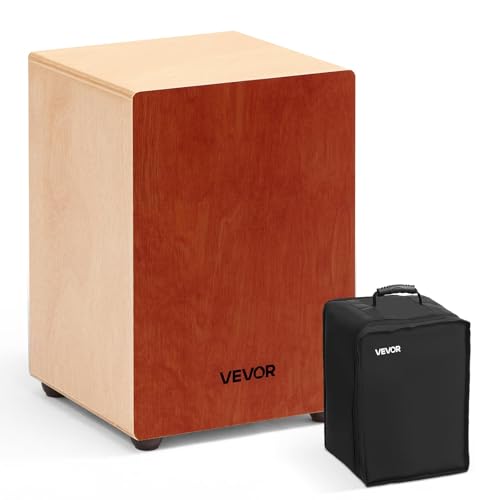
This VEVOR cajon combines a full 17-inch frame with an internal guitar-string system. The larger box gives the player room to find a deep center tone and bright edge tones. Its 12 by 12 inch footprint feels stable for many adult players. Silicone feet help protect the floor while reducing unwanted movement.
The included travel bag makes this version more convenient than a bare cajon. A beginner can carry it to a music lesson, rehearsal, church group, or outdoor jam with less fuss. The string system gives the front plate a lively response that can cut through acoustic instruments. It is a sensible best cajon drum for beginner choice for players who want size and portability together.
Pros:
- Includes a travel bag
- Full 17-inch height offers a roomy playing position
- Internal guitar strings add snare texture
- Birch wood body supports a bright response
- Silicone feet improve stability
- Useful for home and live acoustic playing
Cons:
- String tone may need a short adjustment period
- Full-size shape needs more storage space
- Soft travel bag gives less protection than a hard case
My Recommendation
I recommend this version to beginners who expect to move the cajon often. It is a good match for adults who want a full-size seat and for singers who need a portable rhythm tool. The included bag improves its day-to-day value. If you want the best cajon drum for beginner use with travel in mind, this package deserves close attention.
EASTROCK Portable Beat Box Cajon

The EASTROCK portable cajon is aimed at players who want a simple hand drum for casual use. Its box design lets a beginner create beats with palms, fingers, and fingertips. The compact format is less intimidating than a full drum kit and needs no complicated setup. It is a practical way to explore rhythm at home.
This cajon can also work well for small gatherings, songwriting, and light accompaniment. Beginners should remember that a portable box may not deliver the same low power as a larger professional cajon. Still, its easy format can help a new player practice often. In that sense, it may be the best cajon drum for beginner buyers who place convenience first.
Pros:
- Simple design for first-time players
- Portable format suits casual sessions
- Needs no drum stand or pedal
- Easy to store in a small room
- Useful for songwriting and acoustic jams
- Approachable option for new percussion students
Cons:
- May have less bass volume than full-size models
- Portable design may not suit large live groups
- Beginners may need to check the exact size before ordering
My Recommendation
I would point this model toward beginners who want a low-pressure entry into hand percussion. It is a good fit for home use, children with supervision, and musicians who need a small beat box for ideas. It is less suited to players who want a powerful stage sound. For casual learning and easy storage, it provides useful starter value.
Kmise Portable Acacia and Birch Cajon

The Kmise cajon measures about 11.8 by 12.2 by 14.5 inches. It combines solid acacia and birch wood and includes an adjustable snare system. This gives the player a way to change the feel of the upper tone as skills grow. The size balances portability with enough room for basic bass and slap techniques.
The included carry bag adds value for students and home musicians who visit friends to play. The instrument can serve adults, kids, and beginners who want a gift that feels like a real musical tool. Its adjustable design also gives learners a chance to hear how snare tension changes tone. I see it as a flexible best cajon drum for beginner option for practice and small performances.
Pros:
- Adjustable snare supports sound experimentation
- Acacia and birch wood construction
- Includes a carry bag
- Portable size works for lessons and travel
- Suitable for adults and children
- Useful for practice, gifts, and home performances
Cons:
- Small body may not suit every adult posture
- Snare adjustment takes some trial and care
- May not produce the deepest bass in a large room
My Recommendation
I recommend the Kmise to families and learners who want portability with more control than a fixed cajon offers. It makes a thoughtful gift because the player can keep learning as technique improves. The bag is helpful for school, lessons, and jam sessions. If you need the best cajon drum for beginner practice in a medium-size body, this is a well-rounded choice.
How I Choose a Beginner Cajon
A cajon looks simple, but small design choices can change the playing experience. I first check the height and footprint. A player should sit naturally, keep the back relaxed, and reach the upper playing area without strain. A cajon that feels awkward can turn practice into a chore.
I also listen for two core sounds: bass and snare. The bass should feel full when I strike near the center. The snare area should respond with a clear snap or buzz near the top edge. Beginners do not need dozens of sounds, but they do need enough contrast to learn basic rhythm patterns.
Build quality matters as well. The front plate must stay secure, and the body should not wobble when the player sits on it. Wood type can affect tone, but the design and assembly matter just as much. I look for stable feet, clean edges, and a top that feels comfortable during long sessions.
What Makes the Best Cajon Drum for Beginner Players?
The best cajon drum for beginner players should make the first lesson feel easy. A good model has a clear bass zone and a bright upper zone. It should also stay stable while the player taps, slaps, and changes patterns. These basics help build timing without adding technical barriers.
Size also plays a major role. Full-size cajons often give adults a better seat and a deeper low tone. Compact cajons save space and may suit children or smaller players. I always advise checking the product dimensions rather than judging size from a photo.
Snare control is useful but not required. A fixed snare keeps things simple, while an adjustable snare lets the player change buzz and response. New players who enjoy experimenting may prefer the AKLOT or Kmise. Players who want a direct, no-fuss start may prefer a Meinl model.
Beginner Cajon Buying Guide
Choose the right size
Most adult players feel comfortable on a cajon around 17 to 19 inches tall, but body shape and posture still matter. A smaller cajon can work well for children and travel. Sit upright and keep both feet flat when testing a cajon. Your hands should reach the top edge without lifting your shoulders.
Look for two useful tone zones
A beginner needs to hear the difference between a low bass note and a high snare note. The center of the front plate usually gives the bass sound. The upper edge gives the sharper sound. This simple contrast forms the base of many cajon rhythms.
Consider snare style
Cajons may use guitar strings, snare wires, or another internal snare setup. Strings often give a lively buzz, while wires can provide a sharper snare response. Adjustable systems offer more control but need more setup time. If you are new to music gear, simple may be better at first.
Check comfort
The top of the cajon acts as your seat. A smooth, stable top matters more than many beginners expect. A hard or narrow seat can make a long practice session tiring. Good posture protects your back and helps your hands move freely.
Think about travel
A cajon is already more portable than a drum kit, but a bag makes daily use easier. Bags protect the finish from light scratches and make carrying less awkward. If you play outside, keep the cajon away from rain and damp ground. Wood instruments last longer when stored in a dry room.
Set a realistic budget
A cheap cajon can help someone try percussion, but very low prices may bring rough edges, weak hardware, or uneven tone. A mid-level cajon often gives better value because it can stay useful after the first month. I prefer buying one solid starter instrument rather than replacing a poor one soon after.
How to Play a Cajon for the First Time
Sit near the front edge of the cajon and keep your shoulders loose. Place your hands over the front plate. Start by striking the center with the palm for the bass sound. Then tap near the upper corners with your fingers for a higher sound.
Begin with a slow count of four. Play the bass on beats one and three. Add a light tap on beats two and four. This basic pattern teaches steady time and gives the hands a clear job.
Do not hit as hard as possible. A cajon responds to control, not force alone. Use relaxed wrists and let the fingers rebound from the surface. Short daily practice often works better than one long session each week.
Care Tips for a New Cajon
Keep the cajon indoors in a dry place. Strong heat, cold, and moisture can affect wood and may change the tone. Wipe dust from the body with a soft, dry cloth. Avoid soaking the finish or using harsh household cleaners.
Do not drag the cajon across rough floors. Lift it by the body and use the feet as intended. Check the front plate and any visible screws from time to time. If the snare sounds loose or too tight, make only small adjustments.
Protect your hands as well as the instrument. Sharp, hard slaps can cause sore fingers when technique is new. Warm up with soft taps and stop if pain continues. A relaxed touch is safer and often sounds better.
Best For Comparison
| Best for | Why |
|---|---|
| Best overall beginner tone | The Meinl European-made cajons offer clear bass and snare-style sounds with a simple learning layout. |
| Best value with accessories | AKLOT, Kmise, and selected VEVOR models include a bag, which helps with lessons, storage, and travel. |
| Best compact option | The compact VEVOR, EASTROCK, and compact Meinl models fit smaller rooms and are easier to carry. |
FAQs Of best cajon drum for beginner
Is a cajon easy for a complete beginner?
Yes. A cajon has a simple playing method and needs no pedals or drum stands. Beginners can start with bass and snare-style hand sounds and build from there.
What size cajon should a beginner buy?
Adults often prefer a full-size cajon around 17 inches tall. Children and travelers may find a compact model easier to handle. Always compare the listed dimensions with your height.
Do beginners need an adjustable snare?
No. A fixed snare keeps learning simple. An adjustable snare helps players shape the buzz, but it adds one more setting to understand.
Can a cajon replace a full drum kit?
A cajon can provide bass and snare-style rhythm in a small package. It cannot fully replace the range, volume, and foot control of a full drum kit.
How loud is a beginner cajon?
A cajon can be loud enough for acoustic guitar, singing, and small groups. Its volume depends on the size, wood, front plate, and how hard you play.
Final Verdict: Which Should You Buy?
For most adults, the Meinl European-made cajon is the best cajon drum for beginner players because it offers clear tone, comfort, and dependable construction. Choose AKLOT or Kmise for adjustable snares and a bag. Choose compact VEVOR or EASTROCK when space and easy travel matter most.
The right cajon should invite you to play often. Pick a stable size, practice relaxed hand technique, and protect the wood from moisture. These beginner cajon drums make it easy to start a steady beat in 2026.

Senior Music Reviewer
Alex Carter is a seasoned music reviewer with over a decade of experience in the world of sound and instruments. Passionate about helping musicians and enthusiasts make informed choices, he brings sharp insights and in-depth knowledge to every review. From classical instruments to modern gear, Alex combines technical expertise with a love for music to deliver content that resonates with readers.
Similar Posts
Best Rubber Material For Drum Pad To Absorb Vibrations: Top
Find the best rubber material for drum pad to absorb vibrations and cut noise, compare silicone, neoprene and foam to choose the quietest, most responsive pad.
Best Drum Kit For Metal: Top Picks For Heavy Drummers
Find the best drum kit for metal with pro reviews, sound tests and budget picks to crush heavy riffs. Expert picks to upgrade your tone now.
How To Read Quad Drum Music: Easy Step-By-Step Guide
Learn how to read quad drum music with clear counting tips, notation basics, and practice strategies to play confidently and accurately.
How To Build A Cajon Drum: Easy DIY Guide
Learn how to build a cajon drum with simple steps, affordable materials, and expert tips for creating rich, professional-quality sound at home.
How To Tune A Bass Drum: Easy Pro Tips For Punchy Sound
Learn how to tune a bass drum quickly with pro techniques for deeper tone, more punch, and easy setup. Step-by-step tips for drummers of all levels.