How Much Does A Snare Drum Cost: Price Guide
A snare drum usually costs $100 to $1,500, while professional models can exceed $3,000.
The answer depends on the shell material, brand, size, hardware, and whether the drum is new or used. After comparing common student, intermediate, vintage, and professional drums, this guide explains how much a snare drum costs and what you should expect at each price level.
Average Snare Drum Prices
For most buyers, a snare drum costs between $150 and $800. This range covers reliable student drums, strong intermediate models, and some entry-level professional snares.
Here is a simple price guide:
| Snare drum type | Typical US price | Best for |
|---|---|---|
| Beginner snare drum | $80 to $200 | New players and school bands |
| Student drum set snare | $100 to $300 | Practice and basic performance |
| Intermediate snare drum | $250 to $700 | Serious students and gigging players |
| Professional snare drum | $700 to $1,500 | Recording, touring, and stage work |
| Boutique snare drum | $1,200 to $3,000 or more | Collectors and specialist players |
| Used snare drum | $50 to $1,500 or more | Budget buyers and vintage fans |
These are typical street prices in the United States. Sales, limited editions, imported models, and used-market demand can change the final cost.
A cheap snare drum is not always a bad choice. A well-made $150 drum can be more useful than an expensive model that does not suit your playing style.

What Makes a Snare Drum More Expensive?
The shell is one of the biggest factors behind the price. A shell is the main body of the drum, and its material affects tone, volume, weight, and appearance.
Common shell materials include:
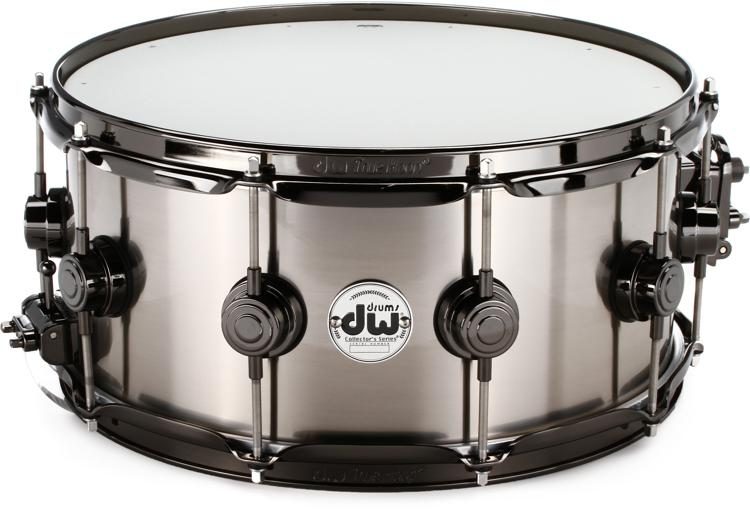
Steel shells
Steel snares often cost $100 to $500. They produce a bright, sharp sound with strong projection, which works well for rock, pop, marching, and live playing.
Steel is also durable. It can handle frequent use and is often a smart choice for beginners.
Aluminum shells
Aluminum snares commonly cost $300 to $900. They offer a dry, focused tone with less ring than many steel drums.
This sound is popular in studio work and modern rock. Aluminum is also light, which makes it easier to carry.
Brass shells
Brass snare drums often cost $400 to $1,200. They have a warm, powerful sound with bright overtones.
Many brass drums respond well at both soft and loud volumes. That makes them useful for players who need one drum for several styles.
Maple shells
Maple snare drums usually cost $300 to $1,500. Maple gives a warm, full tone and strong rimshot sound.
These drums are common in pop, worship, jazz, rock, and studio settings. They can sound controlled without losing body.
Birch shells
Birch snares often fall between $300 and $1,000. Birch has a quick attack and a focused tone.
It can cut through a busy band mix without sounding too wide or boomy. This makes birch useful for recording and live work.
Exotic wood and boutique shells
Rare woods, custom shells, and hand-built drums may cost $1,200 to $3,000 or more. The extra price may reflect skilled labor, unusual materials, small production runs, or custom finishes.
However, a higher price does not guarantee a better sound for every drummer. Tone is personal, much like choosing between different guitar pickups or microphones.
How Much Does a Beginner Snare Drum Cost?
A beginner snare drum costs about $80 to $200 when purchased alone. If it comes with a drum set, the drum may account for only part of the total kit price.
For a first drum, look for:
• A 14-by-5-inch or 14-by-5.5-inch size
• Smooth tension rods that turn easily
• A working snare strainer
• Straight hoops
• A shell with no cracks or deep dents
• Replacement heads that are easy to find
A basic steel snare is often the best starting point. It can produce a clear sound, tolerate mistakes, and remain useful after the player improves.
Avoid choosing only by color or brand name. I have seen many new players spend more on a flashy finish and less on the hardware that controls tuning. A plain drum with strong lugs and a dependable strainer is usually the better buy.
If your budget is tight, reserve money for sticks, a stand, and a replacement batter head. The drum itself is only part of the playing setup.
How Much Does an Intermediate Snare Drum Cost?
An intermediate snare drum costs about $250 to $700. This is often the best value range for players who practice often, play shows, or record at home.
At this level, you may get:
• Better shell construction
• More accurate bearing edges
• Stronger lugs and hoops
• More reliable tuning
• Better snare-wire adjustment
• More useful tonal range
A 14-by-5.5-inch snare is a flexible choice. It can create a sharp backbeat, a strong rimshot, and a controlled sound for quieter music.
Deeper drums, such as 14-by-6.5-inch models, usually offer more body and volume. Shallow drums may respond faster and produce a crisp, cutting attack.
Before buying, listen to recordings of the exact model when possible. Two snare drums made from the same wood can still sound different because of shell thickness, hoops, heads, wires, and tuning.

How Much Does a Professional Snare Drum Cost?
A professional snare drum usually costs $700 to $1,500. Some custom and limited-edition models cost $2,000 to $3,000 or more.
Professional drums often include:
• Premium shell materials
• Detailed finishing work
• High-quality hoops
• Precise bearing edges
• Stronger hardware
• Wider tuning range
• More consistent response
The main advantage is control. A professional snare may respond clearly when played softly and still project when struck hard.
That does not mean every professional drum sounds better in every room. A dark maple snare may disappear in a loud rock band, while a bright steel snare may sound too sharp in a small studio.
Professional players often own several snares because each drum fills a different role. A musician may use one drum for a dry studio track, another for a live rock set, and a third for jazz.

How Much Does a Used Snare Drum Cost?
A used snare drum can cost anywhere from $50 to $1,500 or more. Used prices depend on condition, age, brand, model, and demand.
A used drum can provide excellent value. Many drums last for decades when stored in a dry place and maintained well.
Check these parts before buying:
- Examine the shell for cracks, deep dents, and bulges.
- Turn every tension rod to confirm that it moves smoothly.
- Check whether the hoops are round and free from major bends.
- Test the throw-off to make sure it engages and releases the wires.
- Look for missing screws, stripped threads, and loose lugs.
- Inspect the bearing edges for chips or uneven areas.
- Ask whether the drum has been exposed to water or extreme heat.
Small scratches are usually cosmetic. A damaged bearing edge or broken strainer can cost much more to repair.
A common buying mistake is forgetting repair costs. A $75 snare that needs a $100 strainer, new wires, and two heads may not be a bargain. Always calculate the drum’s total ready-to-play cost.

Extra Costs to Include in Your Budget
The answer to how much does a snare drum cost should include the accessories needed to use it properly.
Typical extra costs include:
• Snare stand: $40 to $180
• Batter head: $15 to $35
• Resonant head: $15 to $30
• Snare wires: $10 to $40
• Drum key: $5 to $15
• Practice pad: $20 to $100
• Carrying bag: $30 to $150
• Hard case: $100 to $300
• Professional setup: $50 to $150
A new player may spend another $75 to $200 beyond the drum price. A touring player may spend much more on cases and replacement parts.
Heads have a major effect on sound. A tired head can make a good snare sound flat, weak, or difficult to tune. Replacing the head is often the first improvement worth making.
The same applies to snare wires. Wires that are bent or poorly adjusted can cause buzzing, weak response, and uneven sound.
Snare Drum Costs by Playing Style
Your music style can help determine how much a snare drum costs and which features matter most.
Rock and pop
Rock players often prefer a loud, bright snare with strong projection. Steel, brass, and maple models in the $250 to $1,000 range are common choices.
A deeper shell and powerful rimshot can help the drum remain clear beside electric guitars.
Jazz
Jazz players often want a sensitive snare with a broad tuning range. Maple, brass, and smaller or shallower drums may work well.
The best choice may cost $400 to $1,500, but the player’s touch and tuning technique matter as much as the shell.
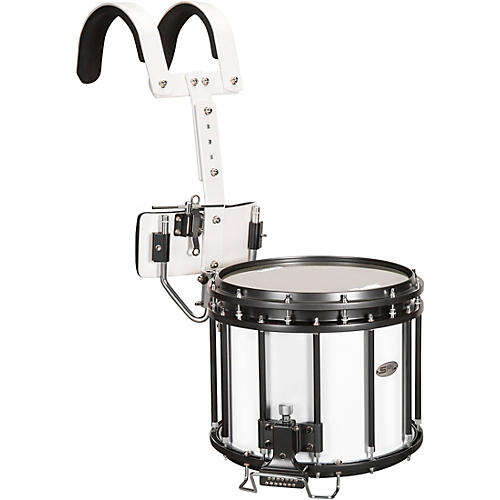
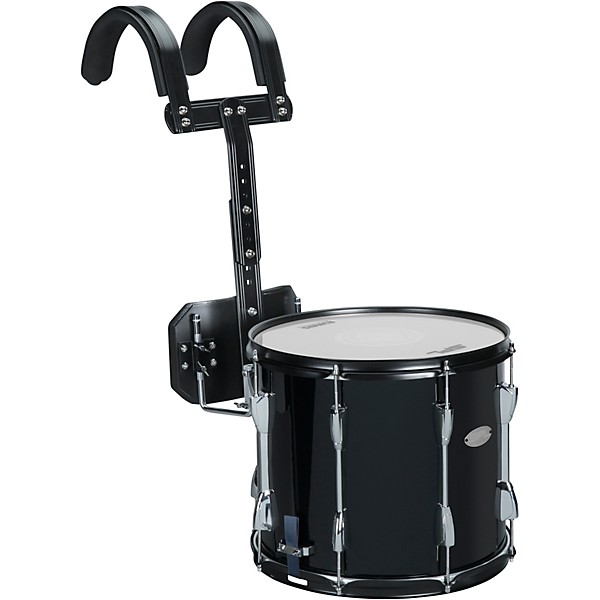
Marching
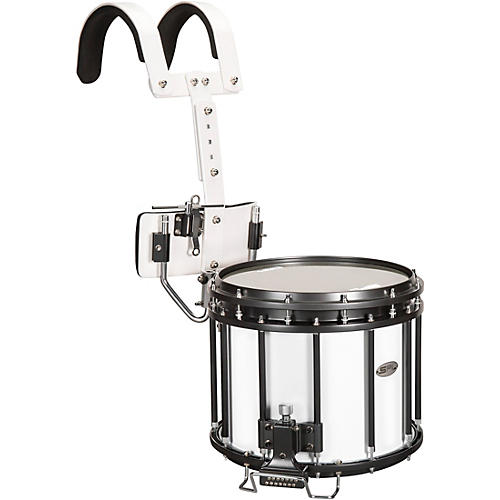
Marching snares are built differently from standard drum set snares. They often have deeper shells and high-tension systems.
Prices commonly range from $200 to $1,000 or more. Do not assume a marching snare can replace a regular drum set snare.
Worship and live performance
A versatile snare is useful in live settings. Many players choose a drum with moderate ring, strong projection, and dependable tuning.
A good intermediate snare around $300 to $700 can meet these needs without the cost of a boutique model.
Home recording
Recording rewards control more than raw volume. Aluminum, brass, maple, and birch snares can all work well when paired with the right head and tuning.
A $300 drum with a fresh head and careful tuning can record better than a $1,500 drum that is poorly set up.
How to Choose the Right Snare Drum
Start with your budget, then decide what sound you need. Do not begin with a famous brand and try to force it into your price range.
Use this process:
- Set an all-in budget that includes heads, wires, and a stand.
- Choose a general size, such as 14 by 5.5 inches.
- Select a shell material that fits your music.
- Test the drum at soft, medium, and loud volumes.
- Check tuning stability and hardware movement.
- Compare new and used prices for the same model.
- Buy from a seller with a clear return policy when possible.
If you cannot test the drum, watch several demonstrations. One close microphone recording can make a drum sound very different from how it feels in a room.
I also recommend taking your own sticks when testing a snare. Different sticks can change attack and volume, and using familiar sticks gives you a more honest comparison.
Do not overlook comfort. A drum that sounds good but feels awkward under your hands may not inspire regular practice.
Ways to Save Money on a Snare Drum
You do not need to spend thousands of dollars to get a useful snare drum.
Try these money-saving ideas:
• Buy a used drum from a trusted seller
• Shop during holiday and end-of-season sales
• Compare the price of shell packs and individual drums
• Replace worn heads instead of replacing the whole drum
• Consider less expensive steel or aluminum models
• Avoid paying extra for limited-edition finishes
• Learn basic tuning and maintenance
• Ask a drum teacher or experienced player to inspect a used drum
A good used drum may cost half the price of a new one. The risk is higher, so inspect it carefully and ask for detailed photos.
Another smart option is renting. Rental programs can help students test a size and sound before making a large purchase. The total rental cost may be higher over time, but it reduces the risk of buying the wrong instrument.
For many players, the strongest value is a $200 to $500 snare with a new batter head and properly adjusted wires.
Common Snare Drum Buying Mistakes
The most common mistake is assuming price equals quality. Price can reflect brand prestige, labor, hardware, rarity, or finish rather than a sound that fits your needs.
Other mistakes include:
• Buying without checking the throw-off
• Ignoring bent hoops
• Choosing a drum only by appearance
• Forgetting the cost of a stand and heads
• Using poor tuning to judge the drum
• Buying a specialty snare for general use
• Failing to check the return policy
• Expecting one snare to suit every music style
A second mistake is tuning the drum too tightly during a test. Extremely high tension can make a snare seem thin and harsh. Try low, medium, and high tunings to learn how flexible the drum really is.
There is also a limit to online demonstrations. Microphones, room acoustics, compression, and player technique can change the sound. Treat online clips as useful clues, not perfect proof.
Frequently Asked Questions About How Much Does a Snare Drum Cost
How much does a good snare drum cost?
A good snare drum usually costs $250 to $700. This range includes reliable intermediate models with solid hardware, good tuning control, and useful tone.
Is a $100 snare drum worth buying?
Yes, a $100 snare drum can be worth buying for practice, school bands, or beginners. Check the strainer, shell, hoops, and tension rods before purchasing.
Why are some snare drums so expensive?
Expensive snare drums may use premium materials, custom construction, high-quality hardware, or limited production. They can offer more control, but they are not automatically the best choice for every player.
Is it better to buy a new or used snare drum?
A used snare drum often offers better value, while a new drum provides a warranty and lower risk. Buy used only after checking the shell, bearing edges, hoops, lugs, and snare mechanism.
What size snare drum should a beginner buy?
A 14-by-5.5-inch snare is a flexible choice for most beginners. It works across many styles and is easy to find replacement heads and wires for.
Do expensive snare drums sound better?
An expensive snare drum may offer better response, tuning range, and hardware. However, heads, tuning, room acoustics, and playing technique can have just as much effect on the final sound.
Conclusion
So, how much does a snare drum cost? Most players can find a dependable option for $150 to $700, while professional and boutique models may cost $1,500 to $3,000 or more. Used drums can lower the price, but condition and repair costs deserve close attention.
Focus on shell material, size, hardware, sound, and total setup cost rather than the price tag alone. Start with a well-built drum that fits your music, replace worn heads, and learn to tune it carefully. Explore local drum shops, compare trusted used listings, and share your favorite snare drum choice in the comments.

Senior Music Reviewer
Alex Carter is a seasoned music reviewer with over a decade of experience in the world of sound and instruments. Passionate about helping musicians and enthusiasts make informed choices, he brings sharp insights and in-depth knowledge to every review. From classical instruments to modern gear, Alex combines technical expertise with a love for music to deliver content that resonates with readers.
As a Senior Music Reviewer and expert author on Tuneluma.com, Alex is dedicated to sharing honest evaluations, practical advice, and thoughtful commentary to guide readers in their musical journey.