Could Mr Rogers Play Guitar: The Surprising Truth
No, Fred Rogers was not known as a guitar player; piano was his main documented instrument.
The question “could Mr. Rogers play guitar?” often comes from his calm musical style and warm singing voice. A close look at his life, television work, interviews, and musical training shows a clearer picture: Fred Rogers was an accomplished pianist, composer, organist, and songwriter, but there is no strong public evidence that guitar was one of his regular instruments.
Could Mr. Rogers Play Guitar?
The most accurate answer is that Mr. Rogers may have been able to play a few basic guitar chords, but guitar was not his known or featured instrument. Public records and footage consistently connect him with the piano, not the guitar.
Fred Rogers studied music from a young age. He trained as a pianist and later earned formal education in music composition. His skill at the piano became a central part of his work on Mister Rogers’ Neighborhood.
This distinction matters. Many singers can strum a guitar without being known as guitarists. In Mr. Rogers’ case, however, the evidence points to piano as his true musical foundation.

What Instrument Did Mr. Rogers Play?
Fred Rogers played piano and was also skilled with the organ. His musical talent shaped nearly every part of Mister Rogers’ Neighborhood, from the opening theme to the short songs that helped children understand complex feelings.
He wrote or co-wrote many songs used on the program. These songs were simple on the surface, but they often carried deep ideas about kindness, fear, patience, loss, and self-worth.
His main musical strengths included:
• Piano performance
• Singing
• Arranging songs for television
• Playing organ
• Using music to support emotional learning
The piano was more than a prop on the show. It was part of Mr. Rogers’ language. When he sat at the piano, the moment often felt personal and calm, as if he were speaking directly to one child.
His musical education also helped him understand how sound affects mood. A gentle melody can make a difficult idea easier to hear. That skill helped him explain serious topics without frightening young viewers.

Why Do People Think Mr. Rogers Played Guitar?
The confusion is understandable. Guitar is strongly linked with folk music, children’s music, and informal singing. Since Mr. Rogers often sang in a warm and relaxed way, some viewers naturally picture him holding a guitar.
Several factors may explain the belief:
His Simple Musical Style
Mr. Rogers used short melodies and clear lyrics. His songs sounded easy to sing, much like songs commonly played on an acoustic guitar.
Yet a simple song does not reveal the instrument behind it. A piano can create the same gentle mood as a guitar, especially when played softly.
Guitar Players Appeared Around Him
The Neighborhood included many musicians and performers. Guests, actors, and characters sometimes brought different instruments into the show’s world.
Viewers may remember those scenes and connect the guitar with Mr. Rogers himself. Television memories can blend together over time, especially when a program was watched during childhood.
His Friendly, Informal Image
Mr. Rogers did not present himself as a distant concert musician. He wore cardigans, changed into sneakers, and spoke in a quiet, everyday voice.
That style can create the image of a person who might casually pick up a guitar. Still, his public musical identity was built around the piano.

Evidence About Mr. Rogers and Guitar
When asking “could Mr. Rogers play guitar?” it helps to separate documented fact from reasonable guesswork.
Documented information shows that Fred Rogers:
• Studied piano seriously
• Composed music
• Played piano on television
• Used piano to write and test songs
• Worked with professional musicians and arrangers
• Built his career around music and children’s education
By contrast, reliable biographies and widely available recordings do not establish him as a trained or regular guitar player. There is no well-known body of footage showing him performing guitar on Mister Rogers’ Neighborhood.
That does not prove he never touched a guitar. A person with strong musical training may learn basic chords on another instrument. It simply means the claim should be stated carefully.
A responsible answer is:
• Mr. Rogers was an accomplished pianist.
• Guitar was not his signature instrument.
• He may have been able to play simple guitar parts, but strong public proof is limited.
• Claims that he was a skilled or professional guitarist are not well supported.
This approach avoids turning uncertainty into false certainty. Historical questions often need that kind of care, especially when online posts repeat claims without showing evidence.

How Music Shaped Mr. Rogers’ Work
Music was one of Mr. Rogers’ most powerful teaching tools. He used songs to give children words for feelings that were hard to explain.
For example, a child may understand “You can never go down the drain” as a catchy line before fully understanding its message. The melody helps the idea stay in memory. It acts like a small emotional handrail.
His songs covered themes such as:
• Managing anger
• Feeling afraid
• Accepting change
• Understanding differences
• Coping with sadness
• Showing care for others
• Building self-confidence
Mr. Rogers also knew that children do not always need fast entertainment. A slow song can create room for thought. A quiet piano can make a child feel safe enough to listen.
This is where his musical training stood out. He did not use music only to fill silence. He used it with purpose. The melody, words, pace, and setting worked together to support a child’s emotional growth.
In researching questions like “could Mr. Rogers play guitar?” one lesson becomes clear: the instrument matters less than the way music is used. Mr. Rogers’ real gift was turning music into comfort and understanding.
Mr. Rogers’ Musical Training and Career
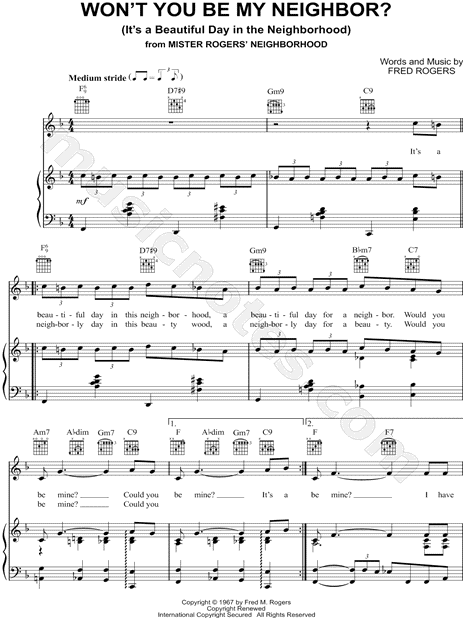
Fred Rogers attended Rollins College, where he studied music composition. His formal training gave him a strong foundation in harmony, melody, and arrangement.
He later worked in television and developed programs that combined music, puppetry, storytelling, and education. His musical knowledge allowed him to write songs that were easy for children to follow but meaningful for adults as well.
His career also included work with musicians who helped bring his compositions to life. The program’s music was carefully planned, even when it sounded natural and relaxed.
That relaxed sound was part of the craft. Simple music can be difficult to write well. A song must be easy enough for a child to remember, yet rich enough to avoid sounding empty.
Mr. Rogers succeeded because he trusted children with real emotions. He did not hide behind loud production or complicated lyrics. His piano, voice, and words often did the work with very little decoration.
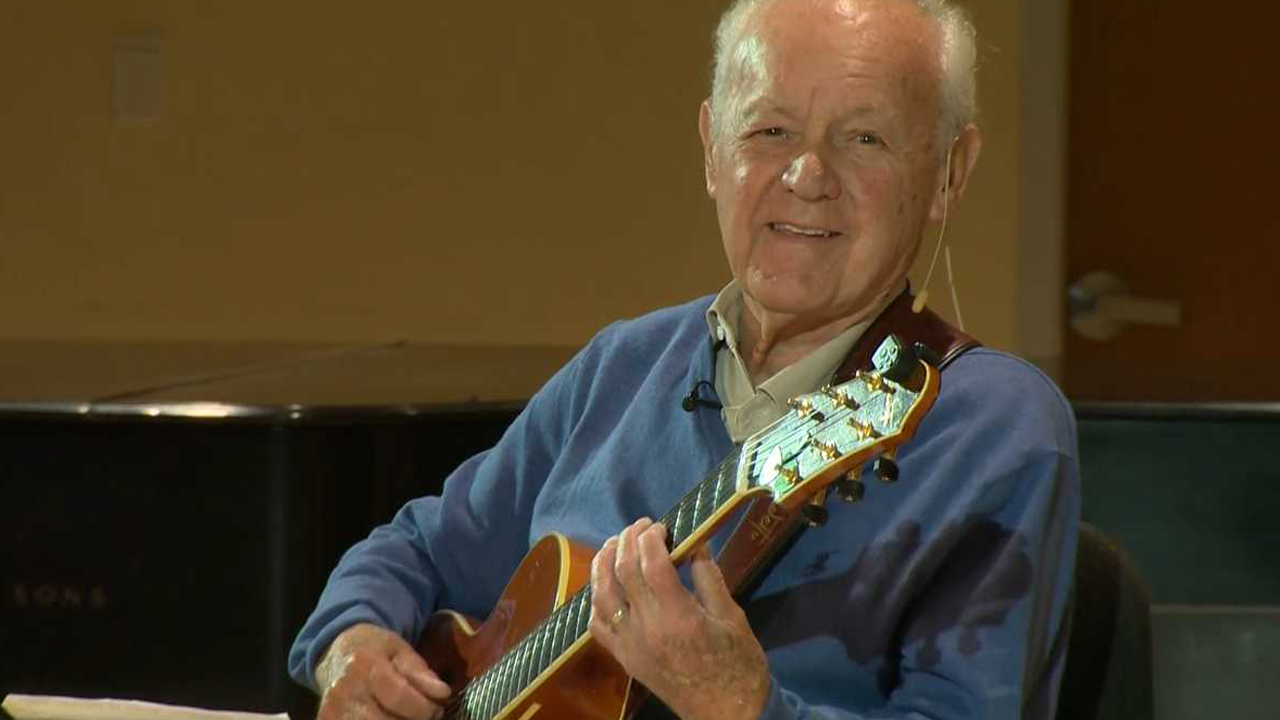
Piano Versus Guitar in Mr. Rogers’ Music
Piano and guitar can both support singing, but they offer different musical qualities.
Piano
A piano can play melody, chords, bass notes, and rhythm at the same time. It also gives a composer a wide range of sounds and pitches.
That made it useful for Mr. Rogers’ songwriting. He could test a melody, adjust the harmony, and shape the emotional tone while sitting at the keyboard.
Guitar
A guitar is portable and often creates a close, personal sound. It is common in folk music, camp songs, and informal group singing.
Guitar also encourages a different performance style. The player may sit among the audience or sing while strumming simple patterns.
Mr. Rogers’ television setting favored the piano. His living-room set included a piano, and the instrument became part of the familiar visual language of the program.
So, could Mr. Rogers play guitar? Perhaps at a basic level, but his musical work does not depend on guitar technique. His identity as a musician rests on piano performance and composition.
What We Can Learn From the Question
The question “could Mr. Rogers play guitar?” offers a useful lesson about researching public figures.
First, do not confuse familiarity with evidence. A guitar may fit someone’s image, but that does not show the person played it.
Second, look for repeated documentation. If biographies, interviews, programs, and recordings all identify piano as the main instrument, that pattern is meaningful.
Third, be careful with absolute statements. Saying “he definitely never touched a guitar” goes further than the evidence allows. Saying “he was not publicly known as a guitarist” is more accurate.
When I review questions about artists and entertainers, this is the mistake I see most often: a small possibility becomes a large claim. The better method is to identify what is certain, what is likely, and what remains unknown.
For Mr. Rogers, the result is straightforward:
-
His piano skill is well documented.
-
His work as a composer is well documented.
-
His use of music in child education is clear.
-
His guitar ability is not well documented.
-
He should not be described as a professional guitarist.
Frequently Asked Questions About Could Mr. Rogers Play Guitar
Did Mr. Rogers play the guitar on his television show?
There is no strong evidence that Fred Rogers regularly played guitar on Mister Rogers’ Neighborhood. He was most closely associated with the piano, which appeared often in the program.
What instrument was Mr. Rogers best known for playing?
Mr. Rogers was best known as a pianist and composer. He also had experience with the organ and used his musical training to write songs for children.
Was Mr. Rogers a professional musician?
Yes. He received formal music training and worked as a composer, songwriter, singer, and television performer. His music was an important part of his professional career.
Did Mr. Rogers write his own songs?
He wrote or co-wrote many songs used in his programs. These songs addressed emotions, relationships, learning, and everyday experiences in language children could understand.
Why do some people believe Mr. Rogers played guitar?
His gentle singing style and the folk-like sound of some children’s songs may lead people to associate him with guitar. Other musicians and instruments also appeared around the Neighborhood, which may add to the confusion.
Could Mr. Rogers have played basic guitar chords?
It is possible, but reliable public evidence is limited. His musical background would have made basic guitar playing plausible, yet there is no clear basis for calling him a skilled or regular guitarist.
Did music help Mr. Rogers teach children?
Yes. He used songs to help children name and manage emotions. Music made difficult subjects feel more understandable, memorable, and safe.
Conclusion
The best answer to “could Mr. Rogers play guitar?” is cautious but clear: guitar was not his known instrument, while piano was central to his life and work. Fred Rogers was a trained pianist, composer, singer, and organist who used music to help children understand themselves and the world around them.
There is nothing wrong with leaving a small part of the story uncertain. Good research respects the evidence. If you enjoy Mr. Rogers’ music, listen closely to the piano, study the lyrics, and explore how his songs still support children today. Share your favorite Neighborhood song or musical memory in the comments.

Senior Music Reviewer
Alex Carter is a seasoned music reviewer with over a decade of experience in the world of sound and instruments. Passionate about helping musicians and enthusiasts make informed choices, he brings sharp insights and in-depth knowledge to every review. From classical instruments to modern gear, Alex combines technical expertise with a love for music to deliver content that resonates with readers.
As a Senior Music Reviewer and expert author on Tuneluma.com, Alex is dedicated to sharing honest evaluations, practical advice, and thoughtful commentary to guide readers in their musical journey.