Introduction
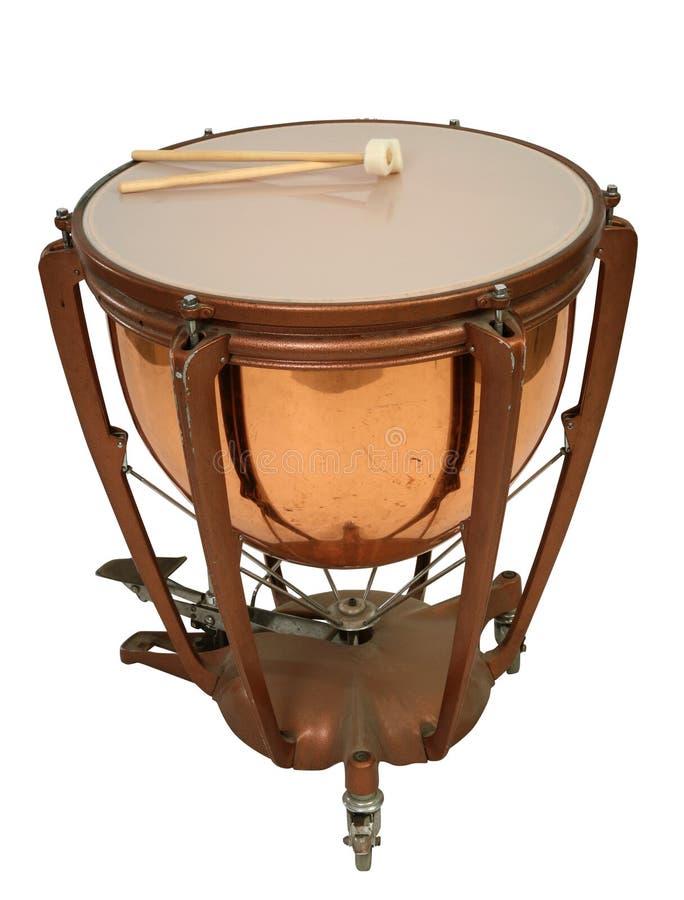
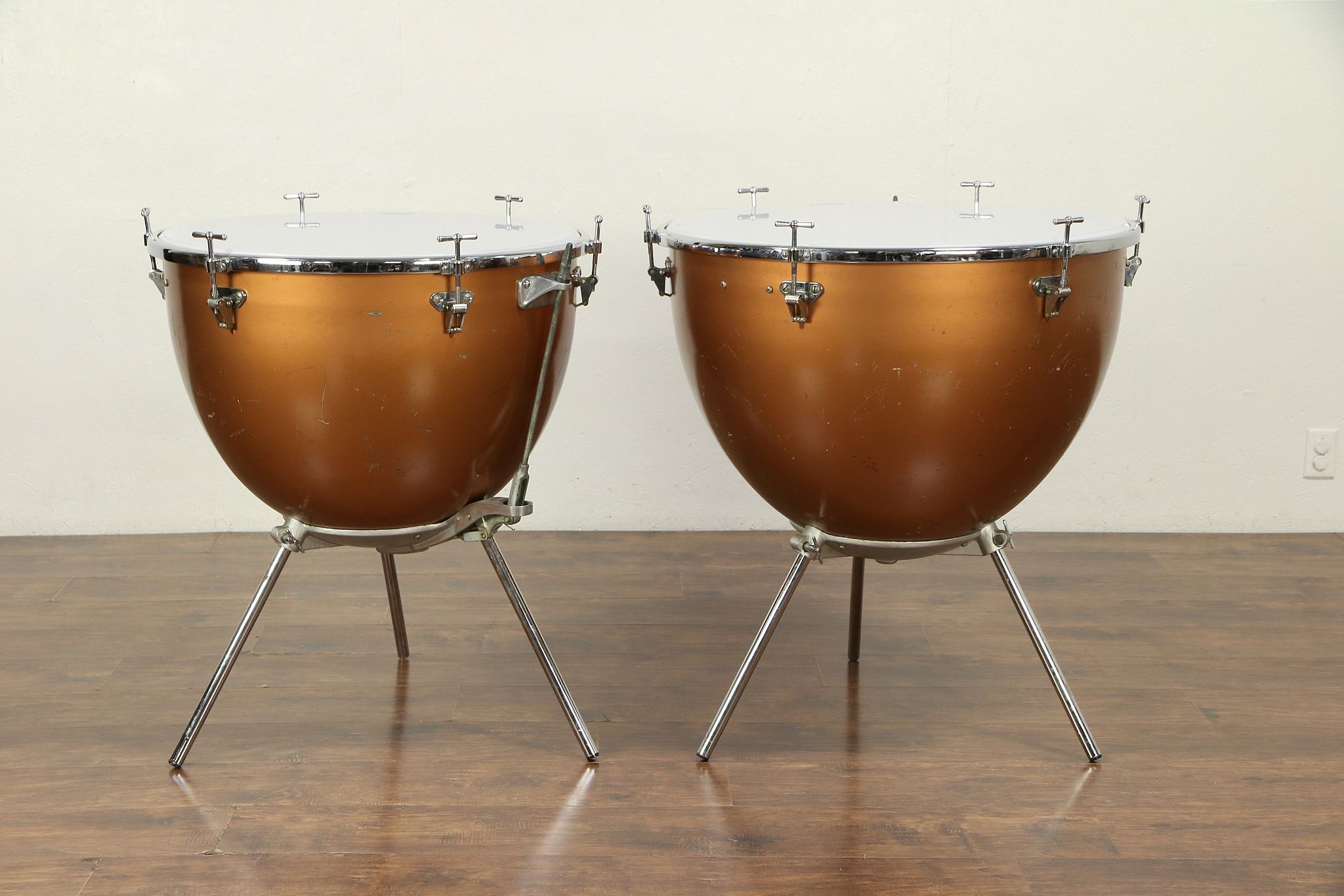
A kettle drum is a percussion instrument with a stretched drumhead set over a bowl-shaped shell. The player strikes the head with padded mallets to create a deep, clear tone. In the United States, the term usually refers to the timpani used in school bands, orchestras, marching programs, and concert ensembles.
Unlike a basic drum, a kettle drum can produce a specific musical pitch. Many modern timpani use a foot pedal to change the tension of the drumhead while the player performs.
What Is a Kettle Drum?
A kettle drum is a drum with three main parts:


- A round membrane, called the drumhead
- A bowl-shaped body, called the kettle
- A frame or stand that supports the instrument
The drumhead stretches across the open top of the kettle. When a player strikes it, the head vibrates. The kettle helps shape and strengthen the sound.
The most common orchestral kettle drum is the timpano. The plural form is timpani. In everyday American English, people often use “timpani” for both the instrument group and a single drum.
A kettle drum differs from many other drums because it can be tuned to a definite note. The player adjusts the tension of the head. More tension usually raises the pitch, while less tension lowers it.
The word “kettle” describes the drum’s rounded shell. Traditional shells were often made from copper. Modern instruments may use copper, fiberglass, or other materials.
How Does a Kettle Drum Work?
A kettle drum works by turning the vibration of a drumhead into a focused musical tone.
When the mallet hits the head, the head moves up and down. That movement transfers energy to the air inside the bowl. The bowl then helps reflect and shape the sound. The result is a deep tone with both a clear pitch and a rich low resonance.
Several parts affect the sound:
| Part | Main function |
|---|---|
| Drumhead | Vibrates when struck |
| Kettle | Shapes the tone and supports resonance |
| Tension rods or pedal | Adjust head tension |
| Counterhoop | Holds the head in place |
| Mallet | Starts the vibration |
| Frame | Supports the drum and may hold the pedal |
The player can change more than pitch. Striking near the center produces a fuller and deeper sound. Striking closer to the edge creates a brighter, sharper tone.
The type of mallet also matters. Soft felt mallets create a round, smooth sound. Harder mallets produce a clearer attack and more bite. Wooden or specialty mallets may be used for strong effects, but they can damage a standard head if used carelessly.

What Does a Kettle Drum Sound Like?
A kettle drum produces a low, resonant sound that can feel both musical and dramatic. Its tone may suggest thunder, tension, power, motion, or ceremony.


The sound has two important parts:
- Attack — the first sound heard when the mallet hits the head
- Resonance — the deep tone that continues after the strike
A player controls these parts through mallet choice, striking location, force, and muting. To mute a kettle drum, the player may touch the head lightly with a hand or use a special technique to reduce the ring.
Kettle drums can play soft notes, loud accents, rolling sounds, and slow changes in pitch. A roll involves rapid repeated strokes. On timpani, a good roll can sound like a steady wave rather than a series of separate hits.
The instrument does not sound exactly the same in every room. A large concert hall may let the low tone spread and bloom. A small practice room may make the sound seem louder and more direct.
What Is the Difference Between a Kettle Drum and Timpani?
“Kettle drum” is the general descriptive name. Timpani is the standard name for the tuned kettle drums used in Western concert music.
The terms often overlap, but they are not always identical in use:
- Kettle drum: A broad term for a drum with a bowl-shaped shell
- Timpano: The singular name for one orchestral kettle drum
- Timpani: The plural name for two or more orchestral kettle drums
- Tympanum: An older or alternate term found in some musical writing
In a United States orchestra, a musician would normally say “timpani” rather than “kettle drums.” The phrase “kettle drum” is still useful when explaining the instrument to a general audience or when discussing related instruments from different musical traditions.
How Are Kettle Drums Tuned?
Kettle drums are tuned by changing the tension of the drumhead. Modern timpani may use a foot pedal connected to several tension points around the drum.
A pedal system lets the player change pitch quickly. The player may also use a tuning indicator to see the approximate note range. Some instruments use hand-operated tuning screws instead of pedals.
A basic tuning process may include these steps:
- Check that the drumhead is seated evenly.
- Set the pedal or tension system to a known position.
- Play the drum softly near the center.
- Compare the note with a reference pitch.
- Adjust the tension in small, even amounts.
- Check the pitch again at several points around the head.
- Confirm that the pedal moves smoothly through the intended range.
The exact process depends on the drum model, head type, room, and performance needs. Players should follow the maker’s care instructions rather than force a pedal or tension screw.
A kettle drum does not hold pitch perfectly under all conditions. Temperature, humidity, head age, playing force, and room acoustics can affect tuning. Professional players often make small checks before and during a performance.

How Many Kettle Drums Are in a Set?
A modern concert timpani set often contains four drums. A common setup includes drums with diameters near:
- 32 inches
- 29 inches
- 26 inches
- 23 inches
These sizes are examples, not a universal rule. Some orchestras use three drums. Others use five or more for works that need a wider range of notes.


Larger drums usually produce lower notes. Smaller drums usually produce higher notes. The drum’s usable range depends on its size, head, design, and tuning system.
A four-drum setup gives the player access to a broad range while keeping the instruments practical to place and move. Marching groups, schools, churches, and small ensembles may use fewer drums or choose compact models.
Where Are Kettle Drums Used?
Kettle drums are used in many American musical settings:
- Symphony orchestras
- Concert bands
- Marching bands
- School music programs
- Opera and ballet orchestras
- Film and television scoring
- Church and community ensembles
- Contemporary percussion groups
- Solo percussion performances
In orchestral music, timpani often support the harmony and rhythm at the same time. A player may reinforce a bass note, mark a transition, or add weight to a musical climax.
Composers also use timpani for color. A low roll can build suspense. Short, strong notes can add force to a brass passage. A carefully tuned pair of notes can help define a change in harmony.
In marching settings, the instrument may appear as part of a larger percussion section. Marching timpani are designed for movement and may differ from large concert instruments in size, frame, and hardware.
How Are Kettle Drums Played?
Players normally sit behind the instrument and strike the head with matched mallets. The basic playing technique depends on the musical goal.
Single notes
A single stroke can mark a beat, support a chord, or create a dramatic accent. The player chooses the mallet and striking location based on the desired tone.
Rolls
A timpani roll uses alternating strokes between the hands. The player aims for an even sound rather than a clear string of separate notes.
Pedal changes
On pedal timpani, the player can move the foot pedal to change pitch. This technique requires control because an overly fast or uneven movement may create an unwanted slide.
Muting
The player may touch the head with the fingers or hand to shorten the sound. The score may call for muting, or the player may use it to improve clarity.
Cross-sticking and special effects
Some music calls for unusual techniques, such as striking the rim or using a specific mallet surface. These instructions vary by composition and instrument.
Beginners should learn from a qualified percussion teacher. Correct posture, controlled strokes, and careful tuning protect both the player and the instrument.

Kettle Drum vs. Other Drums
Kettle drums share features with many percussion instruments, but their shape and pitch make them distinct.


| Instrument | Typical shell | Definite pitch? | Main sound |
|---|---|---|---|
| Kettle drum or timpani | Bowl-shaped | Yes | Deep and resonant |
| Bass drum | Large cylindrical shell | Usually no | Broad, low impact |
| Snare drum | Cylindrical shell with wires | No | Bright and sharp |
| Tom-tom | Cylindrical shell | Usually no | Open, rounded tone |
| Frame drum | Shallow circular frame | Usually no | Dry to ringing |
| Steelpan | Metal bowl-like surface | Yes | Clear, ringing notes |
A bass drum can sound lower than a timpano, but it usually does not play a precise musical note. A snare drum produces a sharp buzz because of wires stretched across its bottom head. A kettle drum creates a more focused tone with a recognizable pitch.
The shape of the shell is a key difference. A kettle drum’s bowl helps support the tuned, resonant sound that defines the instrument.
What Are Kettle Drums Made Of?
Traditional orchestral timpani often use copper kettles. Copper provides a strong, resonant shell and has been used in professional instruments for many years.
Other materials include:
- Fiberglass
- Aluminum
- Steel
- Synthetic composites
The drumhead may be made from calfskin or a synthetic film. Calfskin heads can offer a warm and complex tone, but they may respond more to changes in humidity and temperature. Synthetic heads tend to provide more stable behavior and are common in schools and performance programs.
No material is best for every player. A professional orchestra may value a specific tone and response. A school program may value durability, easy care, and stable tuning.
How Much Does a Kettle Drum Weigh?
The weight depends on the drum’s size, shell material, frame, pedal system, and accessories. A large orchestral timpano can be heavy enough to require careful handling by two people.
Never lift a large kettle drum by its pedal, tuning mechanism, or loose hardware. Use the frame or manufacturer-approved lifting points. Lock casters before playing, and check that the instrument is stable.
For schools and community groups, storage and transport can matter as much as sound. Measure doorways, storage rooms, elevators, and vehicle space before moving a full set.

How Do You Care for a Kettle Drum?
Good care helps a kettle drum hold its sound and remain safe to play.
- Keep the instrument covered when not in use.
- Store it in a clean, dry space.
- Avoid sudden temperature changes.
- Remove dust with a soft, dry cloth.
- Keep liquids away from the head and pedal system.
- Do not place objects on the drumhead.
- Check the head for dents, cracks, or loose areas.
- Inspect the pedal and casters before moving the drum.
- Use only approved cleaners on the shell and hardware.
- Ask a qualified technician to repair serious mechanical problems.
Do not overtighten tension screws. Excess force can damage the head, hoop, or shell. If the pedal feels stuck, stop and inspect the instrument instead of forcing it.
Drumheads wear over time. A damaged or badly stretched head can cause poor tone, unstable pitch, and uneven response. Replacement work should follow the manufacturer’s instructions or be handled by a trained repair technician.
Common Kettle Drum Mistakes
Several mistakes can make a kettle drum sound poor or cause avoidable damage.
Treating it like a bass drum
A kettle drum should not be struck with extreme force. Its sound comes from controlled vibration and tuning, not only from volume.


Ignoring the pitch
Timpani notes need to match the music. A player should tune before playing and listen for changes during the piece.
Striking in the wrong place
The center of the head gives a deep tone, while the edge gives more attack. A player should use the location that fits the musical passage.
Using the wrong mallets
Hard mallets can create a harsh tone or damage a head when used improperly. Choose mallets for the score, the head, and the desired sound.
Moving the drum carelessly
A pedal, caster, or tuning part can be damaged if the instrument is dragged, lifted by the wrong part, or pushed over an uneven surface.
Practicing too loudly
Kettle drums can produce strong sound energy. Players should follow the rehearsal space rules and use hearing protection when needed, especially during long or loud sessions.
Key Takeaways
- A kettle drum is a bowl-shaped drum with a stretched head.
- In American concert music, the instrument is usually called a timpano, with timpani as the plural.
- Unlike most drums, a kettle drum can play a definite musical pitch.
- Players change pitch by adjusting drumhead tension.
- Modern timpani often use foot pedals for fast tuning changes.
- Copper, fiberglass, and other materials may be used for the shell.
- Mallet type, striking location, muting, and room acoustics all affect the sound.
- Safe handling and proper maintenance help protect the drum and the player.
Frequently Asked Questions
Is a kettle drum the same as a timpani?
Usually, yes in everyday use. “Kettle drum” describes the instrument’s bowl-like shape, while “timpani” is the standard name for tuned orchestral kettle drums.
Why can a kettle drum play a note?
The drumhead stretches over a resonant bowl. When the head’s tension is adjusted, its vibration changes. This lets the player tune the drum to a recognizable pitch.
Can a kettle drum play different notes?
Yes. A pedal or tuning system changes the tension of the head. Some modern timpani can move through several notes, although the exact range depends on the drum.
Are kettle drums hard to learn?
The basic stroke is easy to understand, but good timpani playing takes practice. Players must learn rhythm, tuning, mallet control, pedal movement, muting, and listening skills.
Do kettle drums need special mallets?
Yes. Timpani mallets usually have padded heads made with felt or another covering. Different mallets create different levels of attack, warmth, and volume.
Are kettle drums used outside classical music?
Yes. They appear in concert bands, marching programs, film scores, opera, ballet, religious music, and modern percussion performances.
Conclusion
A kettle drum is a tuned percussion instrument built from a stretched head and a bowl-shaped shell. Its ability to produce deep, definite notes sets it apart from most other drums. In the United States, you will most often hear it called a timpano or part of a timpani section.
The instrument’s sound depends on its size, head, shell, tuning, mallets, and playing technique. Whether used in a symphony orchestra, school band, marching ensemble, or film score, the kettle drum adds pitch, rhythm, weight, and drama to music.
For reliable technical details, consult resources from the Percussive Arts Society, the Library of Congress, established instrument makers, and a qualified percussion instructor.



Senior Music Reviewer
Alex Carter is a seasoned music reviewer with over a decade of experience in the world of sound and instruments. Passionate about helping musicians and enthusiasts make informed choices, he brings sharp insights and in-depth knowledge to every review. From classical instruments to modern gear, Alex combines technical expertise with a love for music to deliver content that resonates with readers.
As a Senior Music Reviewer and expert author on Tuneluma.com, Alex is dedicated to sharing honest evaluations, practical advice, and thoughtful commentary to guide readers in their musical journey.