What Is A Cajon Drum: Beginner’s Guide To Rhythm
A cajon drum is a wooden box percussion instrument played by hand to create bass and snare sounds.
I’ve played and taught percussion for years, and I’ll walk you through what is a cajon drum, where it comes from, how it works, and how to make it sound great. This guide is practical and clear. Expect definitions, simple techniques, buying tips, and real-world advice you can use today.
What is a cajon drum?
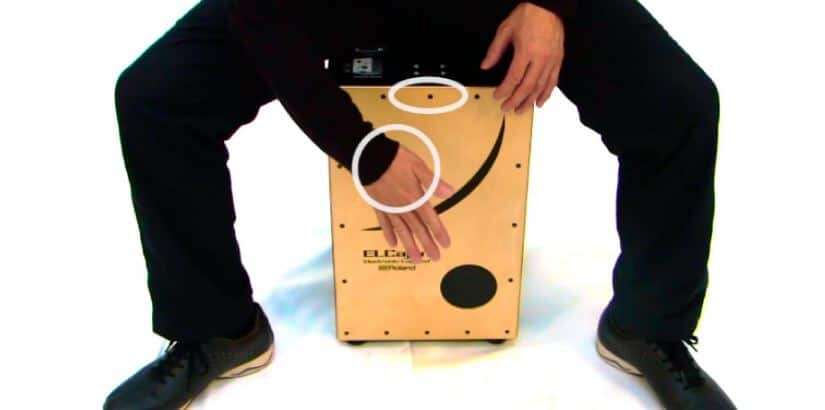
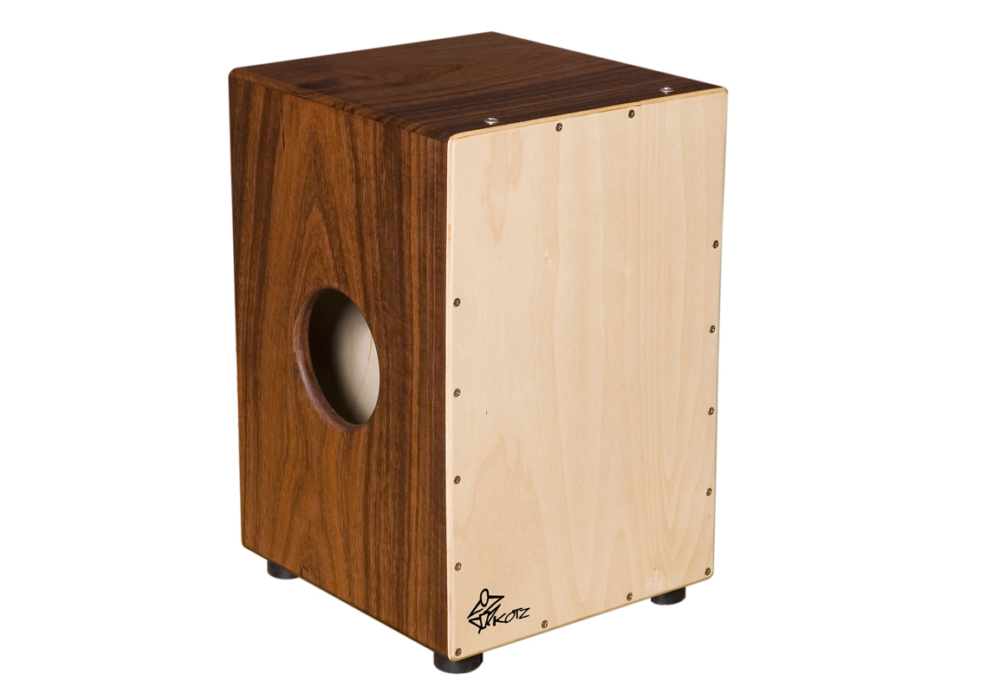
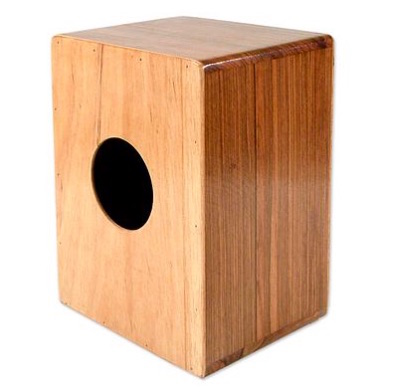
A cajon drum is a box-shaped percussion instrument. Players sit on it and strike the front plate to make sounds. The face produces bass, slap, and snare-like tones. The simple design masks a lot of musical nuance.
What is a cajon drum used for? It fills the role of a drum kit in acoustic sets. It adds rhythm in flamenco, pop, folk, and world music. Many players love it for its portability and expressive range.
Key characteristics of what is a cajon drum:
- Construction: Usually made from plywood with a thin front plate.
- Playing method: Played by hand while seated on the box.
- Tone variety: Produces deep bass and crisp slaps.
- Portability: Lightweight and compact, easy to carry.

History and cultural origins
The story of what is a cajon drum links Spain and West Africa. It likely evolved from simple wooden boxes used by workers and enslaved people. Musicians in Peru and Spain shaped the modern cajon. Flamenco artists adopted it in the 1970s and it spread globally.
Knowing the history helps you play with respect. The cajon’s rhythm patterns echo Afro-Peruvian and Spanish grooves. That cultural mix gives the instrument its rich voice and role in many styles.
Anatomy and types of cajon
Understanding what is a cajon drum means knowing its parts. Each part affects sound and feel.
Main parts:
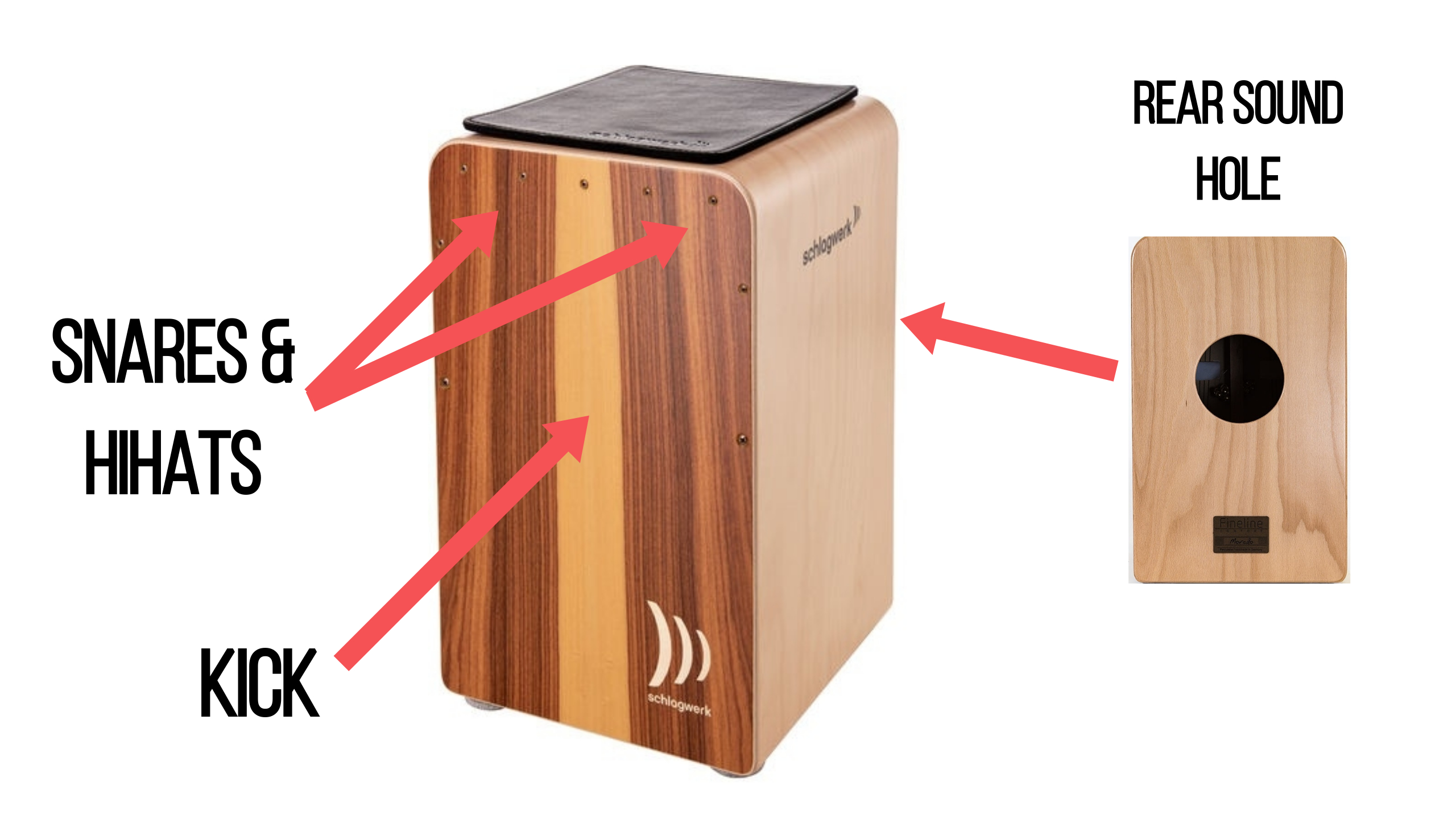
- Body: The box shell that gives the instrument its resonance.
- Tapa: The thin front plate you strike for sound.
- Snare system: Wires, strings, or brushes inside that add a buzzing snare effect.
- Sound hole: Cut in the rear to project bass tones.
- Feet: Often rubber pads to prevent slipping.
Common types of cajon:
- Traditional Peruvian cajon: Heavier and thicker, big tone.
- Flamenco cajon: Snare-equipped for crisp slaps.
- Modern cajon: Tunable snares and adjustable hardware.
- Travel cajon: Lighter, sometimes folding or half-size.

How to play a cajon — basics and techniques
If you want to know what is a cajon drum in practice, start with basic strokes. You can learn core sounds quickly with short daily practice.
Basic strokes:
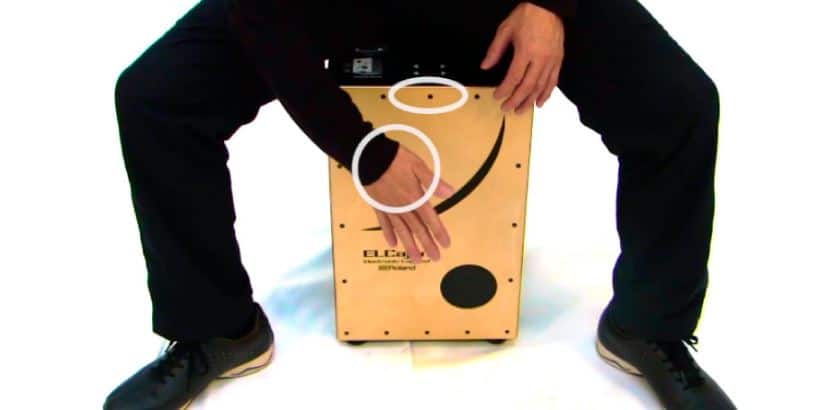
- Bass: Hit the center of the tapa with the palm for a low tone.
- Tone: Strike near the edge with fingers for a clear mid-high sound.
- Slap: Use fingertips and a quick wrist snap near the corner for a sharp pop.
Practice tips:
- Sit upright and balanced on the cajon.
- Use relaxed wrists to avoid tension.
- Practice slow patterns first, then speed up with a metronome.
- Record yourself to hear dynamics and timing.
Personal tip from my experience:
- I learned that small changes in hand angle change the sound a lot. Light finger rolls add color. Try different hand shapes and listen closely.
PAA-style quick questions:
- How long to learn basic cajon beats? A few weeks of focused practice will give you usable patterns. Short daily sessions help more than rare long ones.
- Does hand size matter on a cajon? Not much. Technique adapts to hand size. Use smaller finger motions if your hands are small.
- Can you use sticks on a cajon? You can, but it changes the tone and risks damaging the tapa. Use brushes or soft mallets for different textures.

Sound, tuning, and recording tips
To fully grasp what is a cajon drum you need to hear and shape its sound. Tuning and placement affect tone and recording quality.
Tuning tips:
- Tighten or loosen the tapa screws to bring out more slap or more bass.
- Adjust internal snares or remove them for a dryer tone.
- Place the cajon on a rug to reduce vibrations through the floor.
Recording tips:
- Use a dynamic mic near the sound hole for bass focus.
- Place a condenser mic near the top edge for slaps and detail.
- Blend both mics and use light compression for consistency.
Common sound issues and fixes:
- Muddy bass: Move the mic away from the hole or reduce low EQ.
- Weak slaps: Tighten the tapa slightly and mic the edge area.
- Rattle: Check internal snare tension and loose screws.
Uses, genres, and practical examples
When people ask what is a cajon drum good for, the list is long. It fits many musical settings and players.
Common uses:
- Acoustic gigs: Replaces a full drum kit in small venues.
- Street performance: Portable, robust, and loud enough outdoors.
- Studio sessions: Provides organic, close-up rhythms.
- Education: Great for teaching rhythm basics in schools.
Genre examples:
- Flamenco: Quick, percussive rasgueados and accents.
- Folk and singer-songwriter: Gentle brushes and steady grooves.
- Pop and indie: Tight backbeat to support vocals.
- World music: Blends with hand percussion like congas and djembe.
Real-life example from my kit:
- I once used a flamenco-style cajon in a small cafe set. The snare wires gave enough bite to cut through guitars without a full drum kit. The audience connected instantly to the groove.
Buying, maintenance, and setup tips
If you want to buy or maintain a cajon, know the basics of selection and care. Knowing what is a cajon drum helps you choose the right one.
Buying tips:
- Try before you buy to feel ergonomics and tone.
- Check tapa thickness and screw access for tuning.
- Consider built-in snares if you want snare sounds without extra gear.
- For travel, choose a lighter plywood or a compact model.
Maintenance tips:
- Keep it dry and avoid extreme humidity.
- Tighten screws gently; overtightening can crack the tapa.
- Replace worn rubber feet to avoid slipping.
- Use a soft cloth to clean the surface; avoid harsh solvents.
Setup tips:
- Sit with knees slightly apart and the cajon between them.
- Angle slightly forward to access the edge for slaps.
- Use pickup or miking when amplifying in a band.

Frequently Asked Questions of what is a cajon drum
What is a cajon drum best used for?
A cajon drum is best for acoustic or small-venue rhythm where portability matters. It covers bass and snare roles without a full drum kit.
How loud is a cajon compared to a drum kit?
A cajon is quieter than a full drum kit but can be quite loud acoustically. It balances well with guitars and vocals in small spaces.
Can beginners learn the cajon quickly?
Yes. Beginners can learn basic beats in days and useful patterns in weeks with short daily practice. Consistent practice builds speed and control.
Do all cajons have snares inside?
No. Some cajons include snare wires or strings, while others are snare-less for a more woody sound. Many models let you adjust or remove snares.
How should I mic a cajon for live shows?
Use one mic near the sound hole for bass and another near the top edge for slaps. Blend both mics and use light EQ to shape tone.
Is the cajon durable for traveling musicians?
Yes. Most cajons are sturdy and travel well. Choose models with reinforced corners if you fly often or handle gear roughly.
Can you play cajon standing up?
You can, but playing while seated is standard because it gives control and access to both the center and edge. Standing changes ergonomics and technique.
Conclusion
Understanding what is a cajon drum opens up a simple path to expressive rhythm. It is a compact instrument with deep cultural roots and wide musical use. You can start with basic strokes, refine technique, and expand into many musical roles.
Try one for a month. Practice short, focused sessions. Experiment with snares, mics, and hand positions. Share your progress or questions below, subscribe for more tutorials, or leave a comment about your cajon experiences.

Senior Music Reviewer
Alex Carter is a seasoned music reviewer with over a decade of experience in the world of sound and instruments. Passionate about helping musicians and enthusiasts make informed choices, he brings sharp insights and in-depth knowledge to every review. From classical instruments to modern gear, Alex combines technical expertise with a love for music to deliver content that resonates with readers.
As a Senior Music Reviewer and expert author on Tuneluma.com, Alex is dedicated to sharing honest evaluations, practical advice, and thoughtful commentary to guide readers in their musical journey.