How Do Electric Violins Work: A Simple Guide
Electric violins use pickups to turn string vibration into an electrical signal for an amplifier.
If you have ever wondered how do electric violins work, the answer begins with the same basic action as an acoustic violin: a bow makes the strings vibrate. The key difference is what happens next. Instead of relying mainly on a hollow wooden body, an electric violin uses a pickup, wiring, and audio equipment to shape and project the sound. This guide explains the process, the main pickup types, the gear you need, and the common mistakes players should avoid.
How do electric violins work?
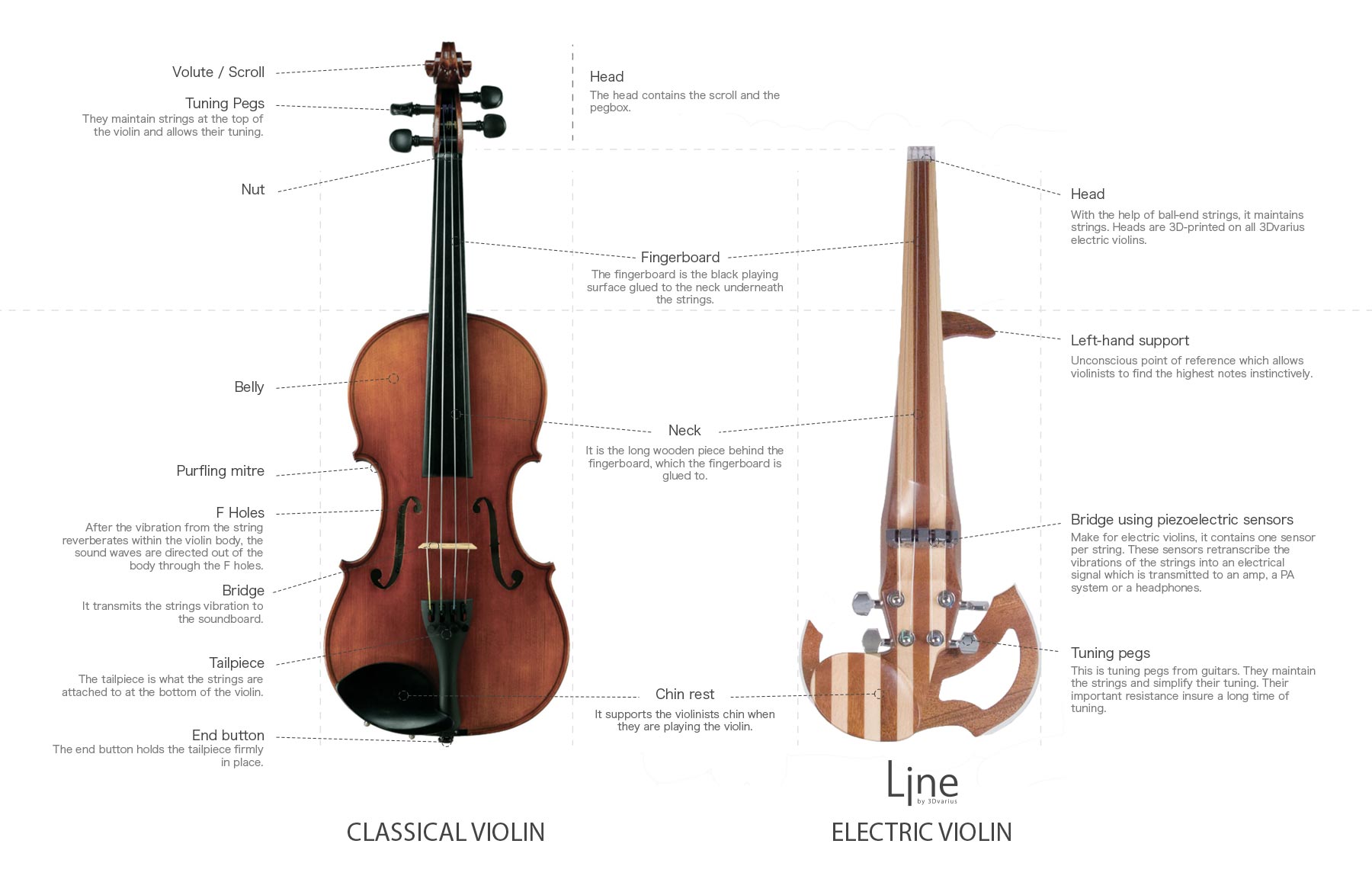
An electric violin works by detecting the movement of its strings and changing that movement into an electrical signal. The signal then travels through a cable or wireless system to an amplifier, effects pedal, mixer, or recording interface.
The basic signal path looks like this:
- The bow makes one or more strings vibrate.
- A pickup senses the vibration.
- The pickup creates a small electrical signal.
- A preamp may boost and shape that signal.
- A cable sends the signal to other audio gear.
- An amplifier turns the signal into sound through a speaker.
This process is similar to how an electric guitar works, but the pickup design is different. Many electric violins use piezoelectric pickups placed under the bridge. These pickups respond to pressure changes caused by the bridge and strings.
Some instruments use magnetic pickups. These work through changes in a magnetic field, much like a guitar pickup. However, magnetic systems need suitable strings, often with a steel core or another magnetic material.
The violin still produces a small acoustic sound from the strings and bridge. Yet the amplified sound mainly comes from the pickup signal. This lets the player control volume, tone, effects, and feedback more easily than with a traditional violin.
The main parts of an electric violin
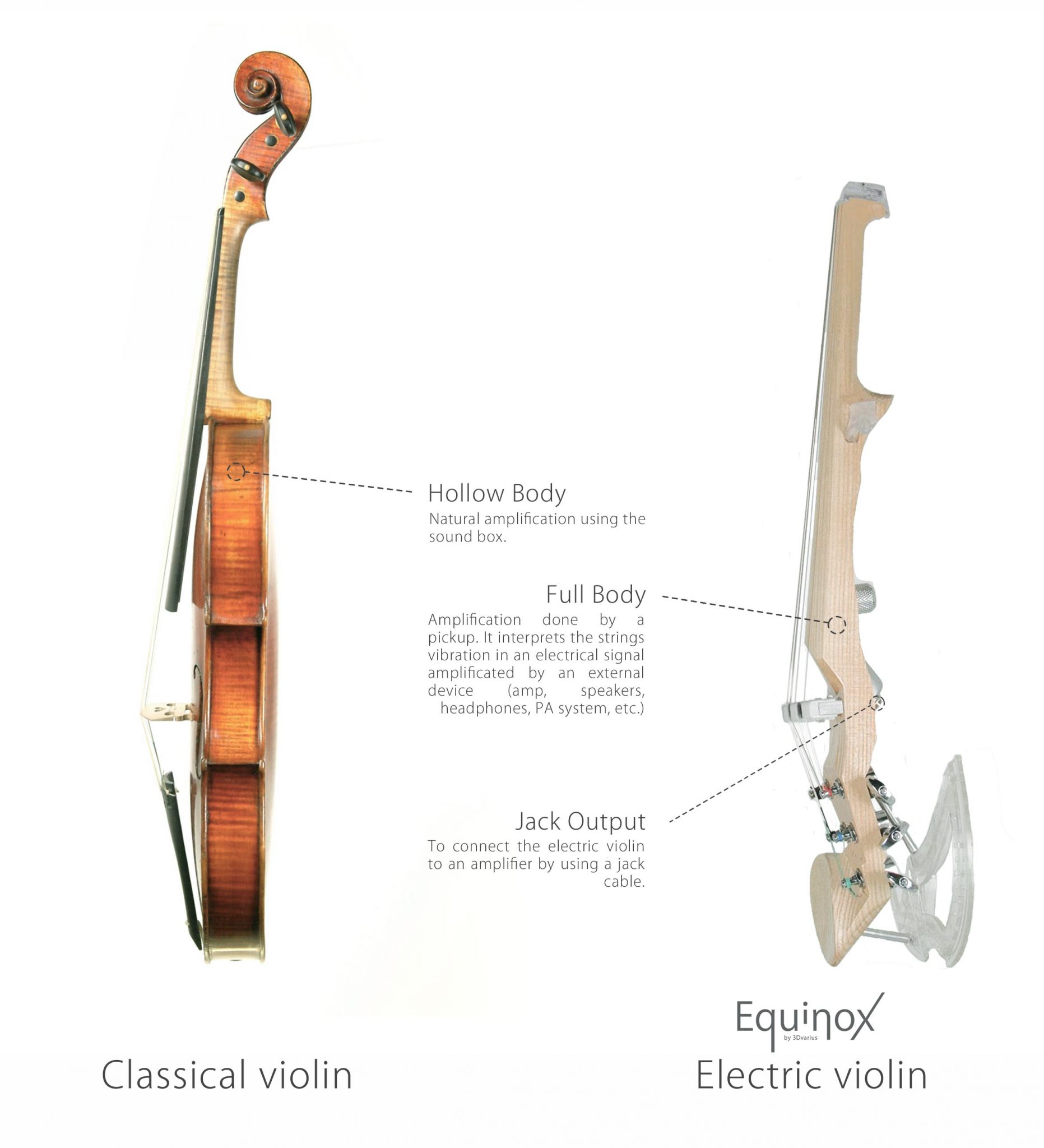
To understand how do electric violins work, it helps to look at each part as a link in the sound chain. If one link is weak, the whole system may sound noisy, thin, or unclear.
Strings
The strings create the original vibration. Most electric violins can use standard violin strings, but the best choice depends on the pickup system and the player’s goal.
Piezo pickups usually work with many string types. Magnetic pickups may work best with strings that contain magnetic metal. Always check the maker’s guidance before changing string materials.
Bridge
The bridge transfers string vibration to the body and pickup. In many electric violins, a piezo element sits inside or under the bridge.
Bridge fit matters a great deal. A bridge that leans, sits too low, or does not match the instrument can reduce volume and create an uneven tone. A trained violin repairer should adjust the bridge when needed.
Pickup
The pickup is the heart of the electric violin. It senses vibration and converts it into a signal.
Common pickup types include:
• Piezoelectric pickups: These sense pressure and vibration through the bridge. They are common in electric violins.
• Magnetic pickups: These sense changes in a magnetic field. They can produce a smooth sound but may limit string choices.
• microphone systems: These capture air movement or body resonance. They can sound natural but may be more likely to pick up feedback.
Preamp
Some electric violins include a built-in preamp. This circuit raises the weak pickup signal and may offer controls for volume, bass, treble, or tone.
An active violin needs a power source, often a 9-volt battery or a smaller battery pack. A passive violin does not use an onboard powered circuit, but it may need an external preamp for the best result.
Output jack
The output jack connects the violin to a cable. Most instruments use a standard quarter-inch audio connection.
A loose jack can cause crackling, signal loss, or sudden silence. It is worth checking the jack nut from time to time, but do not overtighten it. Too much force can damage the internal wiring.
Body and fingerboard
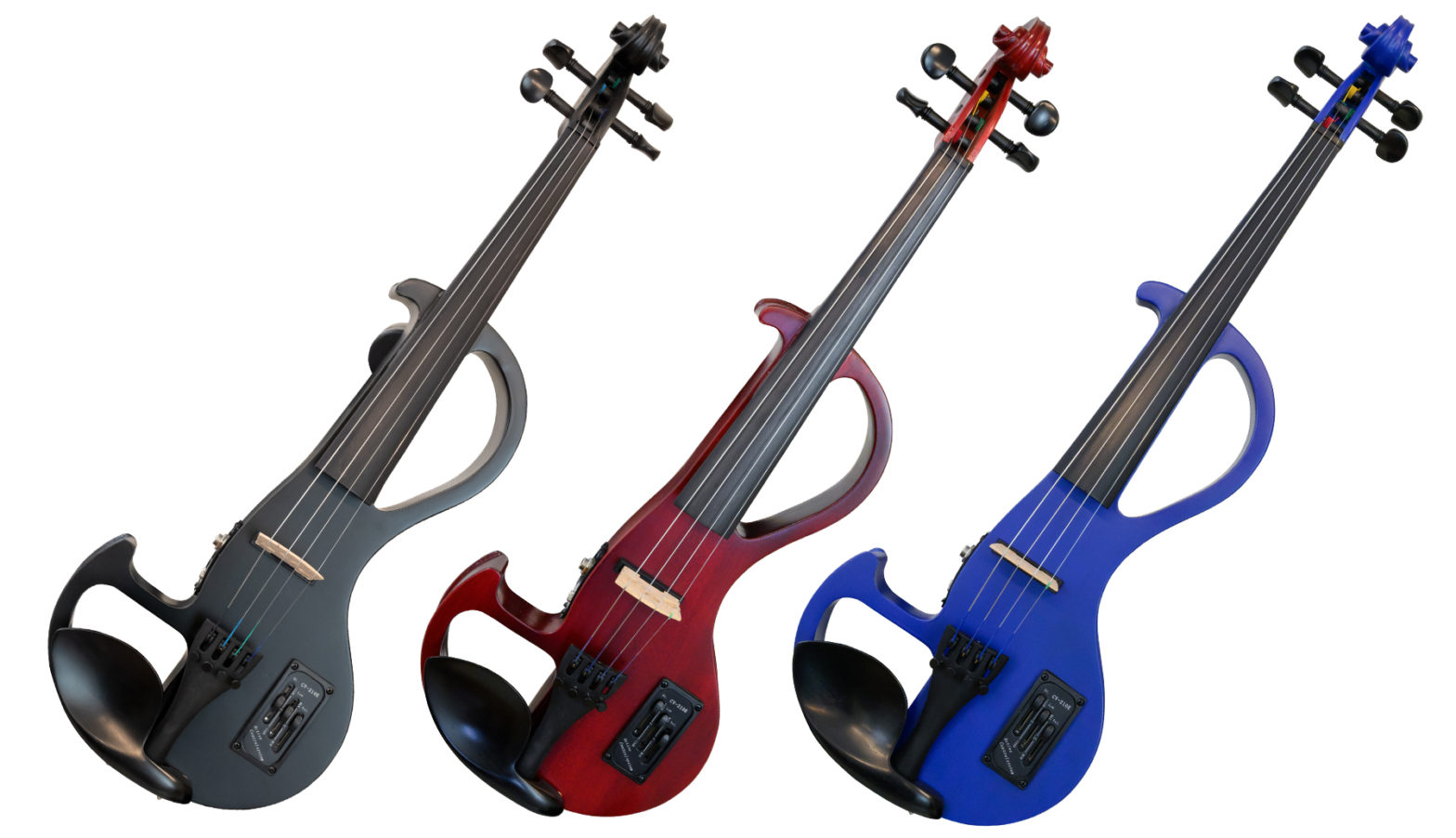
An electric violin may have a solid body, a hollow body, or a sculpted frame. The body shape affects comfort, weight, balance, and resonance.
The fingerboard, pegs, tailpiece, chin rest, and bridge still perform familiar violin tasks. Electric technology changes the signal path, but it does not remove the need for proper violin setup.
How a violin pickup converts vibration into sound
The science behind how do electric violins work is easier to understand with a simple comparison. Think of a pickup as a translator. It translates physical movement into a language that audio equipment can understand.
Piezoelectric pickup systems
Piezoelectric materials produce a small voltage when they experience pressure or movement. In an electric violin, the piezo element usually sits near the bridge.
When the string vibrates, it moves the bridge. The bridge presses and releases the piezo element in a changing pattern. That pattern becomes an electrical signal that follows the rhythm and pitch of the string.
Piezo systems are popular because they:
• Work with many string types
• Resist some forms of stage feedback
• Fit neatly into a bridge
• Offer clear attack and strong response
Their raw sound can be bright, nasal, or slightly “quacky.” This is not always a flaw in the violin. It often means the signal needs an acoustic preamp, equalizer, impulse response, or other tone-shaping tool.
Magnetic pickup systems
Magnetic pickups use magnets and coils. When a magnetic string moves near the pickup, it changes the magnetic field. The coil responds by producing an electrical signal.
This design can give a warm and stable sound. It may also work well with distortion and other guitar-style effects. The main limit is that the strings must interact properly with the magnetic field.
Microphone-based systems
A microphone captures sound in the air or vibration from the instrument’s body. This can create a more natural acoustic tone because it hears some of the violin’s resonance.
The trade-off is feedback. If the microphone hears the speaker too strongly, the system can produce a loud ringing tone. Players often manage this with careful speaker placement, lower stage volume, equalization, and feedback control.
What equipment do you need with an electric violin?
Knowing how do electric violins work is only part of the setup. You also need compatible equipment to make the signal useful and reliable.
A basic setup may include:
• Electric violin
• Instrument cable
• Amplifier or powered speaker
• Fresh battery, if the violin has an active preamp
• Tuner
• Suitable bow and rosin
A larger performance setup may add:
• Effects pedals
• Acoustic preamp or direct box
• Mixer
• Audio interface
• Monitor speaker
• Wireless transmitter
• Digital effects processor
Choosing an amplifier
A standard guitar amplifier can work with some electric violins, especially when the player wants overdrive or rock effects. However, guitar amps often color the sound strongly.
An acoustic amplifier or full-range speaker usually gives a cleaner and more natural result. It can preserve more of the violin’s upper harmonics and reduce unwanted coloration.
For a quiet practice space, a small acoustic amp may be enough. For a band, the right choice depends on stage size, drummer volume, venue acoustics, and whether the sound goes through a PA system.
Why a preamp can help
Piezo pickups often have high output impedance. In simple terms, they can sound thin when connected to the wrong input. A preamp helps match the violin to the amplifier or mixer.
A good preamp may offer:
• Impedance matching
• Volume control
• Bass and treble adjustment
• Notch filters for feedback
• A balanced output
• Ground lift
A common mistake is to blame the violin when the real issue is poor signal matching. Trying a suitable preamp can make a dramatic difference.

How electric violins create different tones
An electric violin does not have one fixed sound. The final tone comes from the pickup, strings, bow, preamp, amplifier, room, and player.
The bow remains especially important. Bow pressure, speed, and contact point change the signal before it reaches any electronic device. A light bow near the fingerboard can sound soft and airy, while a faster bow near the bridge can sound bright and forceful.
Players can shape the tone with:
• Violin strings
• Bow technique
• Pickup blend controls
• Equalization
• Reverb
• Delay
• Chorus
• Distortion
• Octave effects
• Loopers
• Speaker choice
Electric violin tone is like a recipe. The pickup is one ingredient, not the whole meal. A bright pickup through a harsh amplifier may sound unpleasant, while the same pickup through a warm preamp and full-range speaker may sound rich.
Why electric violin tone can sound unusual
A traditional violin produces sound through a complex acoustic body. The body adds resonance, air movement, and natural filtering.
A pickup may hear only part of that process. This is why a direct electric violin signal can sound less woody than an acoustic violin. Digital modeling and acoustic impulse responses can restore some of the missing character, but they do not perfectly recreate every instrument in every room.
That limitation is important. Electric violins are excellent tools, but they are not always designed to sound exactly like an unamplified concert violin.
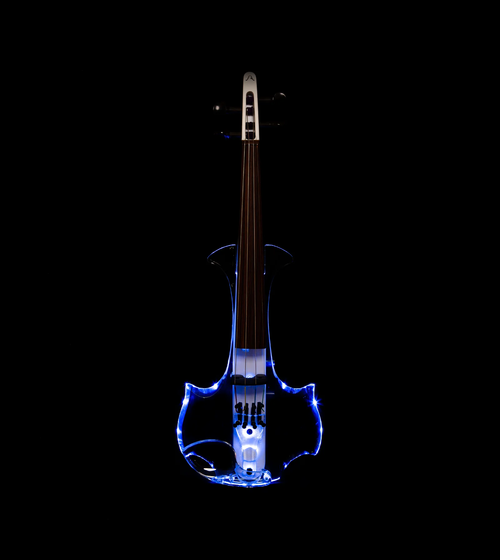
Electric violin versus acoustic violin
Both instruments use strings, a bridge, a fingerboard, and a bow. The major difference is how they create useful volume.
An acoustic violin uses its hollow body to amplify string vibration. An electric violin uses a pickup and external audio equipment to amplify the signal.
Here is a simple comparison:
| Feature | Acoustic violin | Electric violin |
|---|---|---|
| Main sound source | Resonating wooden body | Pickup and amplifier |
| Unplugged volume | Moderate to loud | Usually quiet |
| Effects | Limited without extra equipment | Easy to add |
| Feedback control | More difficult at high volume | Often better with solid-body designs |
| Silent practice | Not ideal | Often possible with headphones |
| Stage setup | Fewer electronic parts | More cables and equipment |
| Natural acoustic tone | Usually stronger | Depends on the pickup and processing |
An electric violin can be a good choice for amplified bands, theater work, live looping, recording, and quiet practice. An acoustic violin may be better for classical auditions, chamber music, or players who want a fully natural response without electronic processing.
Some musicians keep both. That approach makes sense because each instrument solves a different problem.

Benefits of playing an electric violin
The advantages of how do electric violins work become clear when you consider real playing situations. Electronic control can open creative and practical options that an acoustic violin cannot provide on its own.
Quiet practice
Many electric violins can connect to headphones through a practice amplifier or audio interface. The instrument may still produce a small unplugged sound, but it can be much quieter than an acoustic violin.
This is useful in apartments, dorm rooms, and homes with sleeping family members. It does not make the instrument silent, but it can reduce the sound enough for many practice sessions.
Effects and looping
Electric violins can use effects made for guitars, keyboards, or vocals. A player may add reverb for space, delay for repeated phrases, or distortion for a bold rock sound.
Loop pedals can also record short phrases and play them back. The player can then add harmony, rhythm, or a second melody. This turns one musician into a small layered ensemble.
Stage volume
A solid-body electric violin can produce strong amplified volume with less feedback than a microphone-based acoustic setup. This helps in loud bands and larger venues.
Still, no electric violin is completely immune to feedback. Speaker placement and gain settings remain important.
Consistent recording
A pickup can send a direct signal to a recording interface. This can make recording simpler and reduce the sound of room reflections.
The direct signal may need tone shaping. A microphone placed in a good room can still capture a more natural acoustic violin sound.
Limitations and common problems
A clear explanation of how do electric violins work should also cover what can go wrong. Electronic instruments offer flexibility, but they add new points of failure.
Thin or harsh tone
This often comes from a piezo pickup connected directly to an unsuitable input. A preamp with proper impedance matching may improve the sound.
Equalization can help, but extreme EQ cuts usually create new problems. Make small changes and listen after each one.
Feedback
Feedback occurs when the amplified sound returns to the pickup or microphone and is repeatedly amplified. It may sound like a howl, ring, or deep boom.
Try these steps:
- Move the speaker farther from the violin.
- Point the speaker away from the instrument.
- Lower the gain before raising the master volume.
- Use a notch filter to remove the problem frequency.
- Avoid standing directly in front of the speaker.
- Check whether the room is adding strong reflections.
Hum and buzz
Hum may come from power supplies, poor cables, lighting systems, or grounding problems. Test one part of the system at a time.
Battery-powered equipment can help identify the source. If the hum remains, try another cable and another outlet. Never remove the ground pin from a power plug as a quick fix.
Battery failure
An active electric violin may stop working when its battery becomes weak. Keep a spare battery in the case and unplug the cable when the instrument is stored.
Some active circuits use power whenever a cable remains in the output jack. Unplugging the instrument after playing can extend battery life.
Uncomfortable balance
Some electric violins feel heavier or balance differently from acoustic violins. A strange body shape may look exciting but feel tiring during a long rehearsal.
Test the instrument while standing and sitting. Check the shoulder rest, chin rest, neck shape, and strap system before buying.
How to set up an electric violin
A careful setup improves both tone and reliability. You do not need a complex studio to begin.
- Install the strings and tune the instrument.
- Check that the bridge sits straight and matches the instrument.
- Insert a fresh battery if the violin has an active circuit.
- Connect the violin to a preamp or amplifier with the volume low.
- Raise the violin volume slowly.
- Set the amplifier gain without causing clipping.
- Add a small amount of equalization.
- Test every string at soft and loud bow pressure.
- Listen for buzz, crackle, uneven volume, or feedback.
- Mark useful settings on the amplifier or pedalboard.
Start with a clean tone. Add reverb or other effects only after the basic signal sounds clear.
One practical lesson is to change only one setting at a time. If you adjust volume, bass, treble, reverb, and pickup controls together, it becomes hard to know what helped.
A simple starting point is:
• Low to moderate gain
• Flat equalization
• Low reverb
• No distortion
• Speaker placed to the side or in front of the player
This approach gives you a stable baseline. From there, you can build a personal sound.
Maintenance and safety tips
Electric violins need normal violin care plus basic electronic care. Store the instrument in a dry case and avoid sudden changes in temperature.
Wipe rosin dust from the strings and body after playing. Too much rosin can make the sound rough and may collect around the bridge and pickup.
Useful care habits include:
• Replace old strings before they become unreliable.
• Keep cables coiled loosely, not sharply bent.
• Remove the battery during long storage.
• Protect the output jack from impact.
• Check bridge alignment after string changes.
• Keep liquids away from the instrument and amplifier.
• Use hearing protection at high stage volume.
The Occupational Safety and Health Administration and the National Institute for Occupational Safety and Health both warn that repeated exposure to loud sound can harm hearing. A violinist should treat amplified practice with the same care as a guitarist or drummer.
If an electric violin develops a wiring fault, take it to a qualified repairer. Do not open the instrument while it is connected to an amplifier.
Buying tips for a first electric violin
When comparing instruments, focus on function rather than appearance. Some dramatic designs look impressive but may have poor balance or limited repair support.
Consider these points:
• Pickup type: Learn whether the instrument uses piezo, magnetic, microphone, or blended technology.
• Active or passive circuit: An active system may offer more controls but needs a battery.
• Number of strings: Four-string models feel familiar, while five-string and six-string models add range but may need adjustment time.
• Neck and body comfort: Hold the violin in playing position for several minutes.
• Output connection: Check whether it uses a standard cable or a special connector.
• Headphone support: Some models need an external device for silent practice.
• Repair access: Make sure replacement bridges, strings, jacks, and electronics are available.
• Intended use: A stage player may need feedback control, while a recording player may prefer a natural tone.
Try the instrument with the type of amplifier you plan to use. A violin that sounds good through headphones may sound very different through a bright guitar amp.
Also ask about setup. A low-cost instrument with a careful setup may outperform a more expensive instrument that arrives poorly adjusted.
How do electric violins work in recording and live performance?
In recording, an electric violin can connect directly to an audio interface. The signal then enters recording software, where you can add equalization, compression, reverb, and other effects.
A microphone can be added to capture room sound or acoustic resonance. Blending a pickup with a microphone often creates a fuller result, but it requires careful phase and feedback control.
For live performance, the signal may follow this path:
- Violin pickup
- Preamp
- Effects pedals
- Direct box or mixer
- Front-of-house sound system
- Stage monitor or in-ear monitor
A direct box can convert an unbalanced instrument signal into a balanced signal for longer cable runs. This may reduce noise and make the signal easier for a professional sound system to manage.
Tell the sound engineer what signal you are sending. Mention whether the output is active, whether effects are already included, and whether you need a monitor. Clear communication prevents many stage problems.
Practical lessons for better electric violin sound
The most useful lesson for anyone learning how do electric violins work is to treat the full system as one instrument. The violin, cable, preamp, amplifier, room, and player all affect the final result.
A few habits save time:
• Tune before connecting effects.
• Use a clean tone when diagnosing problems.
• Keep a spare cable and battery.
• Record short tests before changing equipment.
• Avoid excessive gain.
• Learn the basic controls on every pedal.
• Test the full setup before a performance.
• Save a backup sound for emergencies.
Many players spend money on new pickups before checking their bridge, cable, or amplifier settings. A proper setup often gives a larger improvement than an expensive accessory.
The best sound is not always the loudest sound. A clear, controlled signal usually sits better in a band and feels easier to play.
Frequently Asked Questions About How Do Electric Violins Work
Do electric violins make sound without an amplifier?
Yes, but the unplugged sound is usually quiet and thin compared with an acoustic violin. The pickup signal normally needs an amplifier, headphones, audio interface, or another powered device for full volume.
Can you use regular violin strings on an electric violin?
Many electric violins work well with regular violin strings, especially those with piezo pickups. Magnetic pickup systems may require strings with magnetic materials, so check the instrument’s specifications first.
Do electric violins need batteries?
Only electric violins with active electronics need batteries. Passive models can work without onboard power, although an external preamp may still improve the signal.
Can an electric violin use guitar pedals?
Yes, most electric violins can use many guitar effects, including delay, reverb, chorus, distortion, and looping pedals. A preamp may help match the violin’s signal to the pedal and improve tone.
Are electric violins silent?
No electric violin is completely silent. The strings and body still make some unplugged sound, but headphones can make practice much quieter for people nearby.
Why does my electric violin sound harsh?
A harsh sound may come from the pickup, strings, preamp, amplifier, or equalizer settings. Start with a clean signal, reduce treble slightly, and try a suitable acoustic preamp before replacing the instrument.
Are electric violins good for beginners?
They can be good for beginners, especially those who need quiet practice or want to explore modern music. However, a beginner should still learn proper posture, bow control, tuning, and basic violin technique.
Conclusion
Electric violins work by converting string vibration into an electrical signal through a pickup. That signal travels through cables, preamps, effects, and amplifiers before reaching a speaker or recording system.
The pickup type, bridge fit, strings, bow technique, and audio equipment all shape the final sound. Piezo systems are common and versatile, magnetic systems can offer a distinct character, and microphone systems may deliver a natural tone with more feedback risk.
Choose an instrument based on comfort, pickup design, intended use, and repair support. Start with a clean setup, learn the signal path, and make small changes as you build your sound. Explore trusted demonstrations and test several electric violins before buying, then share your experience or questions with other players.

Senior Music Reviewer
Alex Carter is a seasoned music reviewer with over a decade of experience in the world of sound and instruments. Passionate about helping musicians and enthusiasts make informed choices, he brings sharp insights and in-depth knowledge to every review. From classical instruments to modern gear, Alex combines technical expertise with a love for music to deliver content that resonates with readers.
As a Senior Music Reviewer and expert author on Tuneluma.com, Alex is dedicated to sharing honest evaluations, practical advice, and thoughtful commentary to guide readers in their musical journey.