How Much Is A Good Beginner Violin: Price Guide
A good beginner violin usually costs about $150 to $600 in the US.
Knowing how much is a good beginner violin helps you avoid two common mistakes: buying a toy that cannot hold its tune or paying for features a new player does not need. After comparing student instruments, setups, rental plans, and repair costs, this guide will show you what your money should buy and how to choose with confidence.
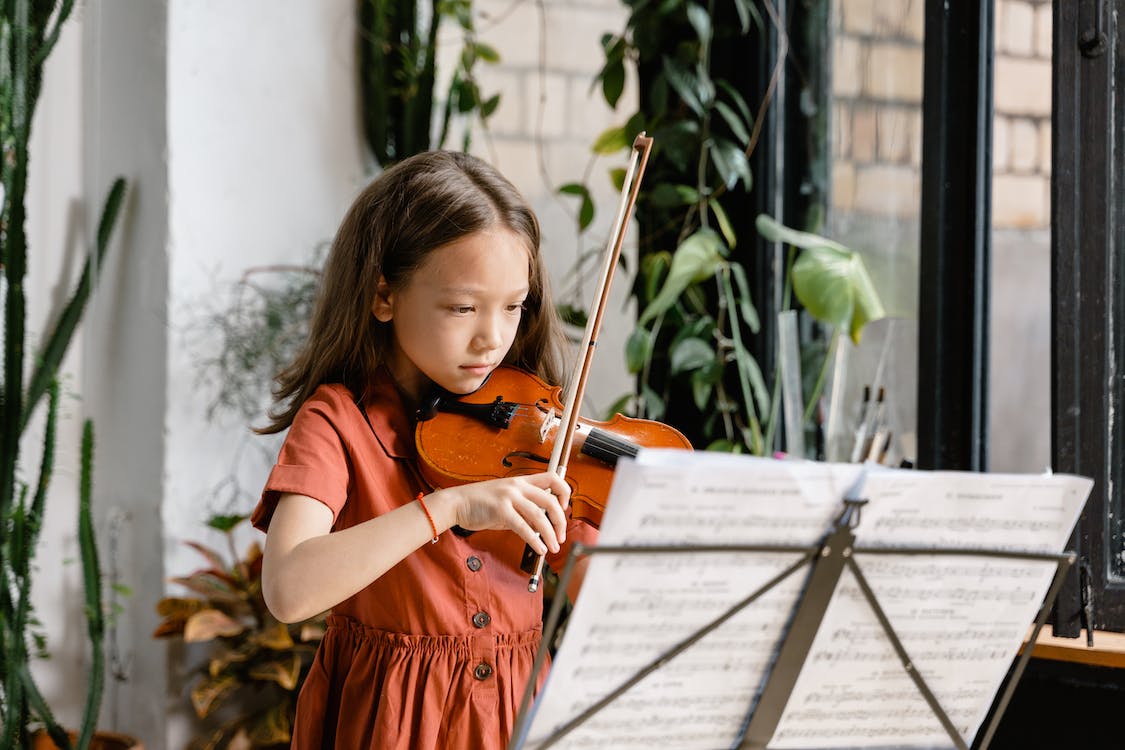
How Much Is a Good Beginner Violin?
For most new players, how much is a good beginner violin comes down to quality, setup, size, and long-term use. In the United States, a reliable new beginner violin usually costs between $150 and $600.
Here is a practical price guide:
• $50 to $120: Basic outfits. These may work for very young children or short-term use, but quality can vary widely.
• $150 to $300: A sensible starting range. You can find playable student violins with decent bows and cases.
• $300 to $600: Better student instruments. These often have improved wood, smoother fittings, stronger bows, and more careful setup.
• $600 to $1,000 or more: Advanced student violins. These may suit serious learners who plan to study for several years.
The price is not the only factor. A $200 violin with a professional setup can feel much better than a $400 violin that arrived poorly adjusted. Think of the setup as the instrument’s foundation. Even a beautiful violin may be difficult to play if its bridge, strings, pegs, or soundpost need attention.
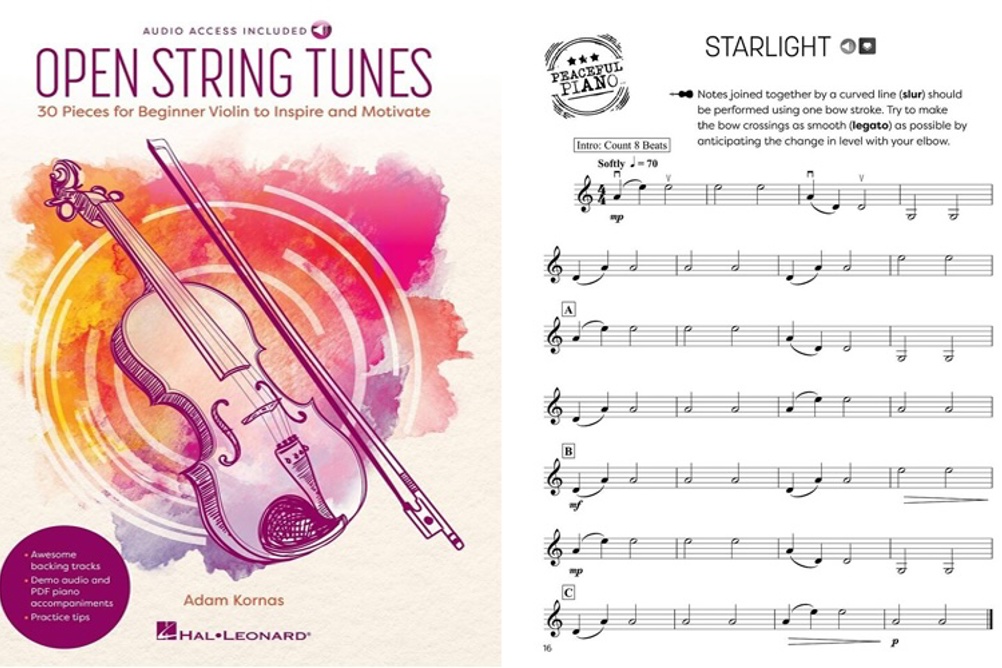
Beginner Violin Price Ranges Explained
Understanding how much is a good beginner violin becomes easier when you know what each price level normally includes. Many violins are sold as outfits, meaning the package includes the violin, bow, case, and sometimes rosin.
Under $150
Low-cost violins are tempting, especially when a child may stop playing after a few weeks. However, the cheapest instruments often have rough fingerboards, weak bows, stiff pegs, and poor bridges.
Some are sold as “full-size violins,” but that does not mean they are ready to play. A violin may need new strings and a proper bridge before it produces a clear sound.
A low-cost violin can be acceptable if:
• It comes from a seller with a return policy
• A violin shop checks and adjusts it
• The player needs a temporary instrument
• You understand that repairs may add to the final cost
$150 to $300
This is often the best value range for a first violin. At this level, you can find instruments made for students rather than decorative instruments made mainly to look attractive.
Expect a basic case and bow. The included bow may be usable, but some players soon upgrade to a better bow for improved control.
When people ask how much is a good beginner violin, this range is often the most practical answer. It offers a fair balance between cost, playability, and durability.
$300 to $600
A violin in this range may offer better tone, more stable tuning, and stronger fittings. It may also receive more careful factory or shop setup.
The difference can be important for a beginner. A responsive violin makes it easier to produce a clean note, which can improve confidence and encourage regular practice.
Still, a higher price does not guarantee a better match. Always consider the instrument’s setup, return policy, and support from the seller.
More than $600
A violin above $600 may be useful for a committed student, but it is not automatically necessary for a beginner. Some players benefit from an instrument that will remain useful as their skills grow.
At this level, buying from a violin shop becomes more valuable. You may be able to try several instruments and compare their sound, comfort, and response.

What Makes a Beginner Violin Good?
The answer to how much is a good beginner violin depends on what “good” means. A good beginner violin should be comfortable, stable, playable, and suitable for the player’s size.
Look for these features:
• A straight, smooth fingerboard
• Pegs that turn without slipping or sticking
• A bridge that stands upright and fits correctly
• Fine tuners that work smoothly
• Even string height above the fingerboard
• A bow with straight wood or a straight carbon-fiber shaft
• A case that protects the instrument during travel
• Strings that produce a clear sound without excessive buzzing
A beginner does not need an expensive violin with rare wood or a famous maker. The goal is simple: the instrument should make learning easier, not harder.
A poor violin can feel like trying to learn to write with a broken pencil. The student may blame their own ability when the real problem is the tool.
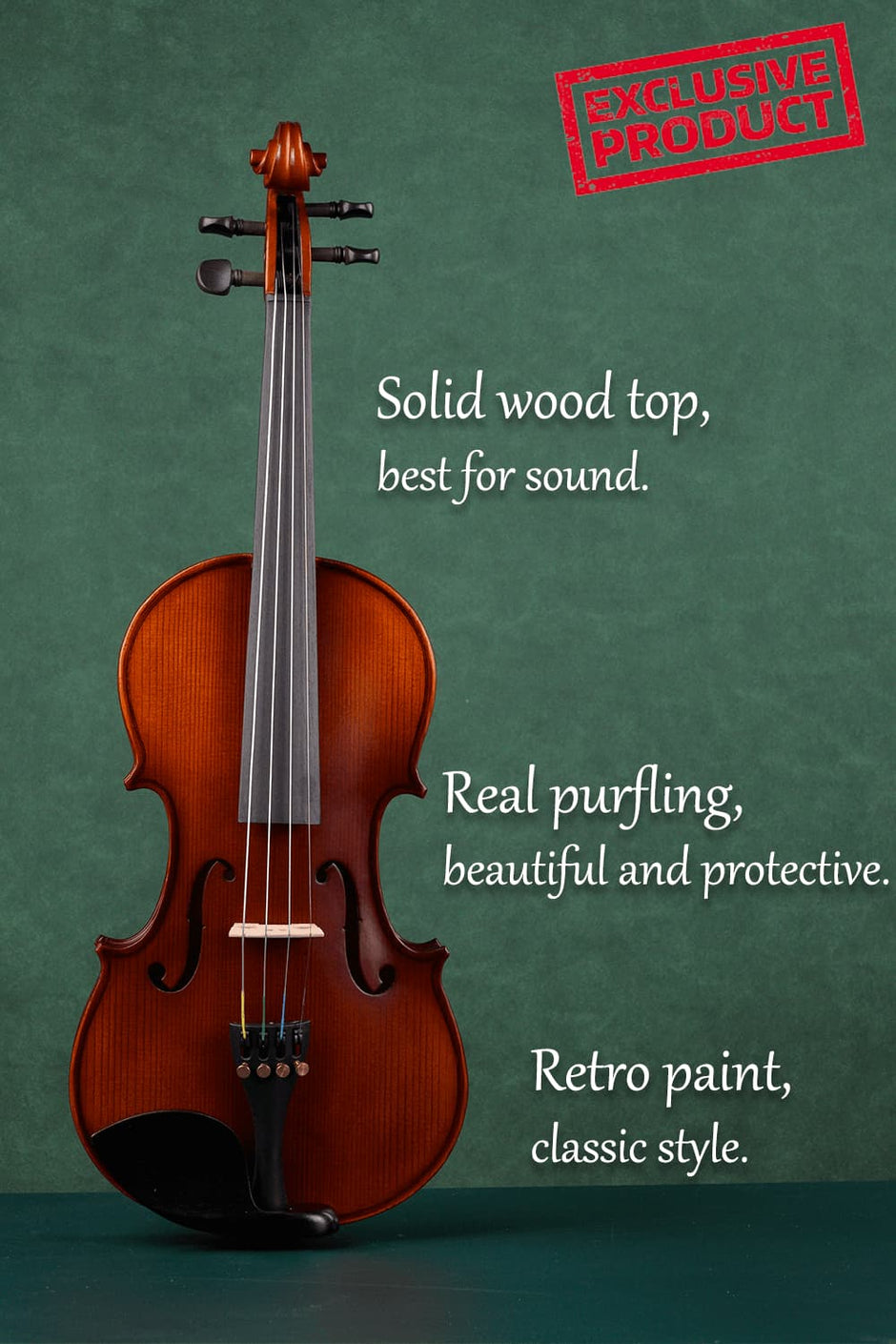
Why Setup Matters More Than Many Buyers Expect
A proper setup can change the entire playing experience. It includes adjusting the bridge, fitting the soundpost, shaping the nut, checking the fingerboard, tuning the pegs, and installing suitable strings.
This is why two violins with similar prices can feel completely different. One may be ready for a student, while the other may need $100 to $250 in work before it plays well.
A setup may improve:
• Tuning stability
• Finger comfort
• Bow response
• Note clarity
• String spacing
• Ease of pressing the strings
When considering how much is a good beginner violin, include setup costs in your budget. Ask the seller whether the violin has been adjusted by a trained luthier or violin technician.
One common buying mistake is focusing on a glossy finish while ignoring the bridge and fingerboard. Experienced players usually check the practical details first. A shiny violin cannot compensate for poor playability.
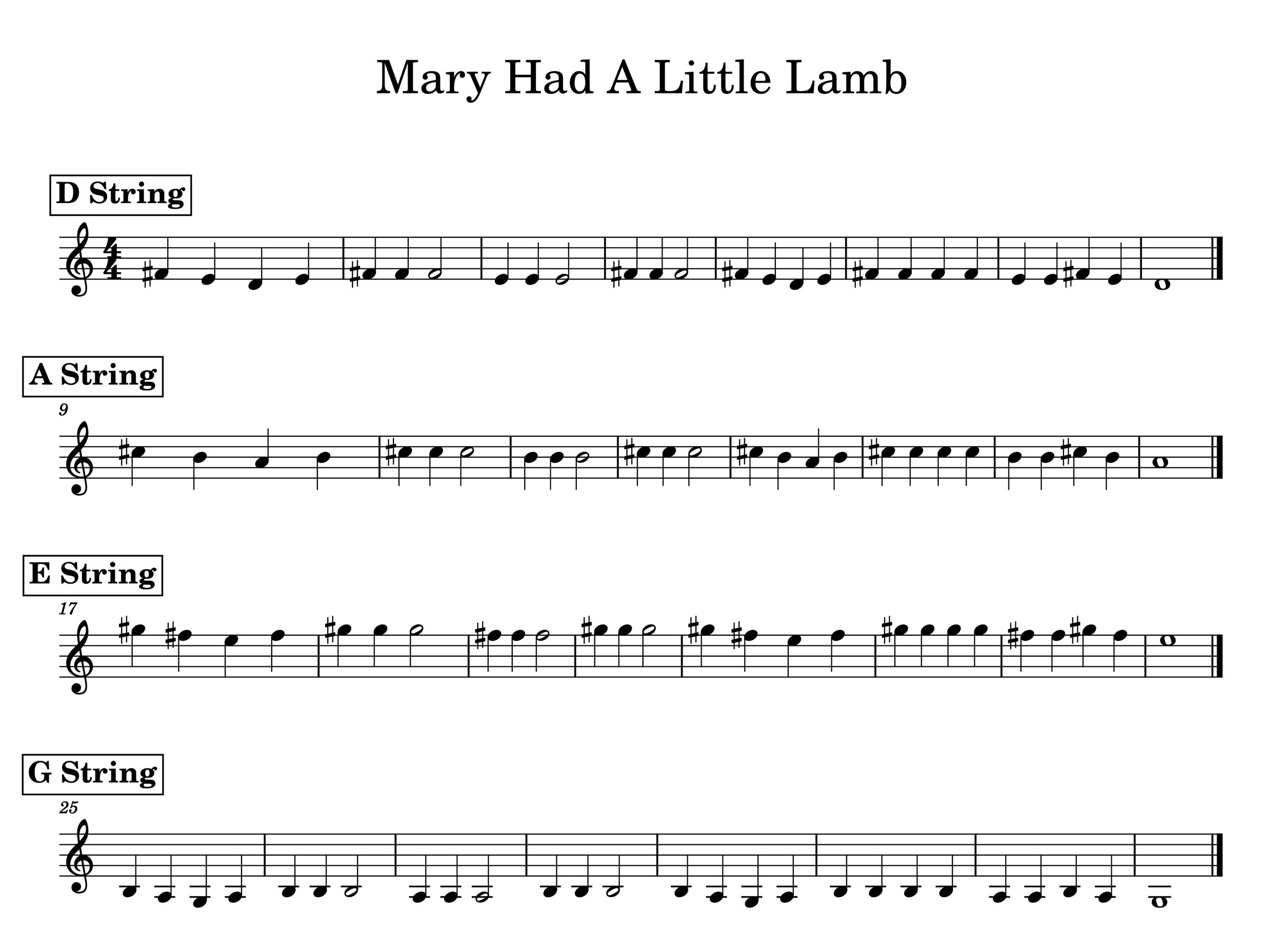
New, Used, or Rental: Which Option Is Best?
How much is a good beginner violin can change based on whether you rent, buy new, or buy used. Each option has clear benefits and limits.
Renting a Violin
Renting is often the safest choice for young children. Children grow quickly, and violin sizes range from 1/32 to full size.
Rental plans may include:
• Instrument exchanges as the player grows
• Repairs and maintenance
• Insurance against some damage
• Access to better-quality instruments
• Lower upfront cost
A rental may cost about $15 to $50 per month, depending on the instrument and service. Over time, buying may cost less, but rental programs reduce risk during the early months.
Buying a New Violin
A new violin offers predictable condition and a clear return policy. It may also include a warranty and basic customer support.
Choose a new violin when:
• You know the correct size
• The seller offers returns
• The instrument has a professional setup
• You want a clean, ready-to-use outfit
Buying a Used Violin
A used violin can offer excellent value. Older student violins may sound better than new, low-cost models if they have been cared for properly.
Before buying used, check for:
• Open seams
• Cracks near the bridge or soundpost
• Loose purfling
• Warped necks
• Missing or damaged parts
• Serious wear on the fingerboard
• A case that does not protect the violin
If you cannot inspect the violin yourself, ask a teacher or repair shop to evaluate it. A cheap used violin with major damage can quickly become an expensive purchase.

Hidden Costs to Include in Your Budget
The sticker price does not tell the whole story. When calculating how much is a good beginner violin, include the accessories and services needed for safe use.
A realistic beginner budget may include:
• Violin outfit: $150 to $600
• Professional setup: $50 to $200, if needed
• Replacement strings: $30 to $100
• Shoulder rest: $15 to $50
• Rosin: $5 to $25
• Music stand: $20 to $60
• Tuner or tuning app: Free to $30
• Extra bow: $50 to $200
A teacher may also recommend a different shoulder rest or strings after seeing the player’s posture and technique.
Do not buy every accessory at once. Start with the essentials, then upgrade based on real needs. This approach keeps the first investment reasonable and avoids clutter.
How to Choose the Correct Violin Size
A violin must fit the player. The wrong size can cause tension, poor posture, and discomfort.
Common sizes include:
• 1/32 and 1/16 for very young children
• 1/10 and 1/8 for small children
• 1/4 and 1/2 for growing players
• 3/4 for older children and smaller teens
• 4/4, or full size, for most adults and larger teens
Size should be checked by a teacher or trained shop worker. Arm length matters, but comfort and control matter too.
A player should not stretch painfully to reach the scroll. The left hand should move freely, and the player should be able to hold the violin without lifting the shoulder.
The best answer to how much is a good beginner violin is not useful if the instrument is the wrong size. Fit comes before finish, brand, and decoration.
Features Beginners Do Not Need
Marketing can make a basic violin sound like a professional instrument. In reality, beginners rarely need luxury features.
You usually do not need:
• Rare or highly aged wood
• Decorative carvings
• An expensive antique label
• Premium case materials
• A costly hand-made bow
• Complex electronic accessories
• A famous maker’s name
A beginner benefits more from stable tuning and comfortable strings than from an expensive appearance. Spend money on setup and instruction before paying for decoration.
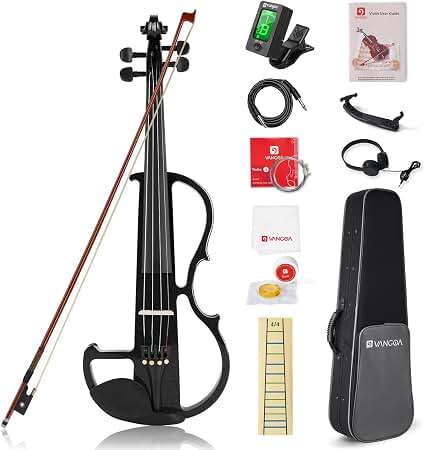
Electric violins are also not always ideal for a first instrument. They can be useful for amplified music, but they may not teach the same acoustic response as a standard violin. For most students, an acoustic violin is the simpler starting point.

Common Mistakes When Buying a Beginner Violin
Many first-time buyers make the same errors. Knowing them can save money and frustration.
Buying the Cheapest Instrument Online
Low prices can hide poor materials, weak fittings, and bad setup. A violin that cannot stay in tune may discourage a new player within days.
Choosing by Appearance
A dark finish or unusual design does not prove quality. Focus on sound, comfort, construction, and support.
Ignoring the Bow
The bow is half of the instrument. A weak or warped bow can make it hard to create a smooth tone, even when the violin itself is acceptable.
Skipping the Return Policy
Beginners often need time to test an instrument with a teacher. A clear return period protects you if the violin is uncomfortable or defective.
Buying the Wrong Size
A full-size violin is not always best for a child. The correct size supports good posture and reduces strain.
Assuming a High Price Guarantees Quality
Price is a clue, not proof. A well-set-up $250 violin may suit a beginner better than a poorly adjusted $700 model.
A Simple Buying Process
Use this process when deciding how much is a good beginner violin for your situation.
-
Ask a teacher or violin shop to confirm the correct size.
-
Set a total budget, including strings, rosin, and a shoulder rest.
-
Compare rental and purchase options.
-
Choose a seller with a return policy and repair support.
-
Ask whether the violin has received a professional setup.
-
Check the bridge, pegs, strings, fingerboard, and bow.
-
Play open strings and simple notes if possible.
-
Have a teacher test the violin before keeping it.
-
Keep the receipt, warranty, and setup information.
If you buy online, look for clear photographs, detailed specifications, customer support, and honest return terms. Avoid listings that promise a “professional concert violin” for an unusually low price.
How Much Should You Spend Based on Your Goals?
Your playing goals should guide your budget.
Casual Learning
For casual practice, a $150 to $300 outfit may be enough. Renting can be even more practical if you are unsure whether you will continue.
School Orchestra
A student in a school orchestra may need a dependable violin that can survive regular transport. A budget of $200 to $500 is often reasonable.
Private Lessons
Students taking weekly lessons may benefit from a better setup and more responsive instrument. Spending $300 to $600 can make sense if the student is committed.
Serious Long-Term Study
A dedicated student may eventually need a violin above $600. However, upgrades should happen after the player develops basic technique and learns what sound they prefer.
There is no prize for spending the most. The right violin is the one that supports steady practice and growth.
What Teachers and Repair Experts Usually Recommend
Teachers often prioritize playability over appearance. They want students to use instruments that stay in tune, respond easily, and do not create unnecessary tension.
Repair experts also warn buyers to inspect structural problems. Cracks, open seams, and poor neck alignment can cost more to fix than the instrument is worth.
A useful professional view is to treat the purchase as a system:
• The violin must be structurally sound.
• The setup must match the player.
• The bow must work well.
• The size must be correct.
• The seller must offer support.
This broader view explains why how much is a good beginner violin cannot be answered by one number alone. Price matters, but value depends on the complete playing experience.
Frequently Asked Questions About How Much Is a Good Beginner Violin
How much is a good beginner violin for an adult?
A good beginner violin for an adult usually costs $150 to $600 in the US. A well-set-up instrument around $250 to $400 is often a practical starting point.
Is a $100 violin good for a beginner?
Some $100 violins are playable, but quality varies greatly. Buy only if the seller offers returns and the instrument has been checked or set up by a qualified technician.
Is it better to rent or buy a beginner violin?
Renting is often best for children who may need a larger size soon. Buying can offer better long-term value for adults or students who plan to practice for several years.
What should I look for in a beginner violin?
Look for stable tuning, a straight bridge, smooth pegs, a comfortable fingerboard, a usable bow, and a protective case. A professional setup is one of the most important features.
Do beginners need an expensive violin?
Most beginners do not need an expensive violin. A reliable, well-adjusted student instrument is usually more useful than a costly violin with features the player cannot yet use.
How long can a beginner violin last?
A good student violin can last for many years when stored safely and maintained properly. Replace strings as needed and repair small problems before they become serious.
Can a cheap violin sound good?
A low-cost violin can sound acceptable if it has good construction and a proper setup. However, extremely cheap instruments often have limits that make learning harder.
Conclusion
A good beginner violin usually costs $150 to $600, with the $200 to $400 range offering strong value for many new players. The best choice depends on size, setup, bow quality, seller support, and your plans for learning.
Before buying, compare the total cost rather than the sticker price. Try the violin with a teacher when possible, confirm the return policy, and choose an instrument that makes practice feel easier.
Now that you know how much is a good beginner violin, you can shop with a clear budget and realistic expectations. Explore local violin shops, ask a teacher to help, and choose the instrument that encourages you to keep playing.

Senior Music Reviewer
Alex Carter is a seasoned music reviewer with over a decade of experience in the world of sound and instruments. Passionate about helping musicians and enthusiasts make informed choices, he brings sharp insights and in-depth knowledge to every review. From classical instruments to modern gear, Alex combines technical expertise with a love for music to deliver content that resonates with readers.
As a Senior Music Reviewer and expert author on Tuneluma.com, Alex is dedicated to sharing honest evaluations, practical advice, and thoughtful commentary to guide readers in their musical journey.