Is There Such Thing As An Electric Violin: What To Know
Yes, an electric violin is a real string instrument that uses a pickup and amplifier instead of relying only on its acoustic body.
If you have ever wondered, “is there such thing as an electric violin,” the answer is clear: yes. Electric violins are used by classical players, rock bands, jazz musicians, worship groups, studio artists, and beginners who want more control over their sound. This guide explains how they work, how they differ from acoustic violins, what they cost, and how to choose one with confidence.
What Is an Electric Violin?
An electric violin is a violin fitted with an electronic pickup. The pickup changes the vibration of the strings into an electrical signal. That signal travels through a cable to an amplifier, effects pedal, audio interface, or sound system.
An acoustic violin creates sound through its hollow wooden body. An electric violin still has strings, a bridge, a fingerboard, and a bow, but it does not need a large resonating body to produce an amplified sound.
So, is there such thing as an electric violin? Yes. It is not a toy or a fake violin. It is a real bowed string instrument designed for electronic sound control.
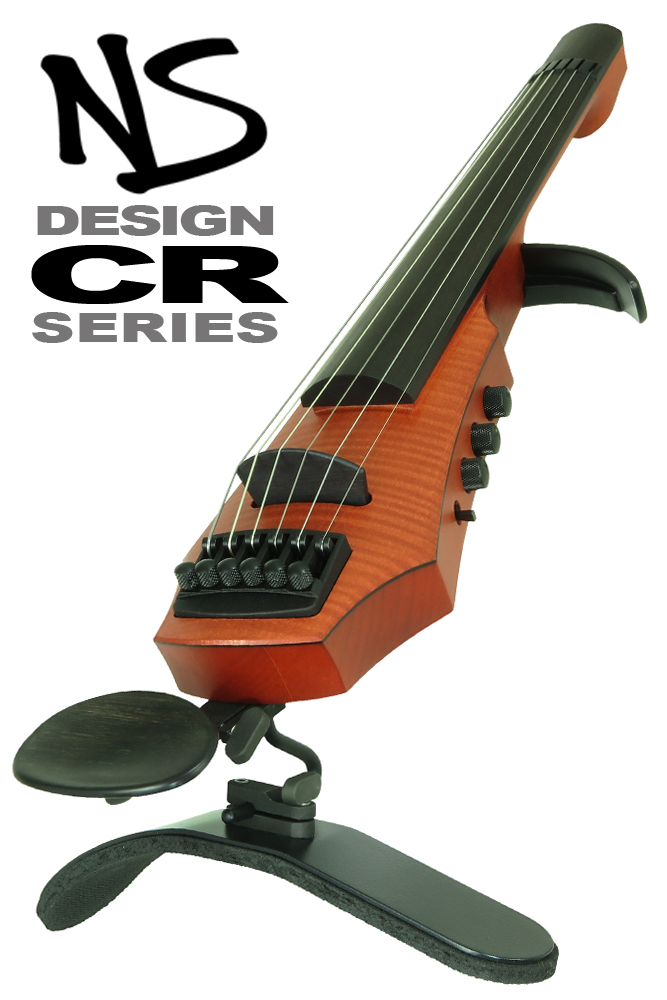
Most electric violins have four strings, like a standard violin. Some models have five, six, or even seven strings. Extra strings can extend the range, but they may feel different for players trained on a traditional four-string violin.

How Does an Electric Violin Work?
An electric violin works through a pickup system. The pickup detects string movement and sends that information to another device.
Common parts include:
• Strings that create the vibration
• A bridge that transfers string movement
• A piezoelectric pickup or magnetic pickup
• A jack for connecting an instrument cable
• A volume control on many models
• A preamp or battery system on some instruments
• An amplifier, mixer, audio interface, or effects pedal
Piezoelectric pickups are very common. They often sit under the bridge or inside the bridge. When the strings vibrate, pressure changes in the pickup create an electrical signal.
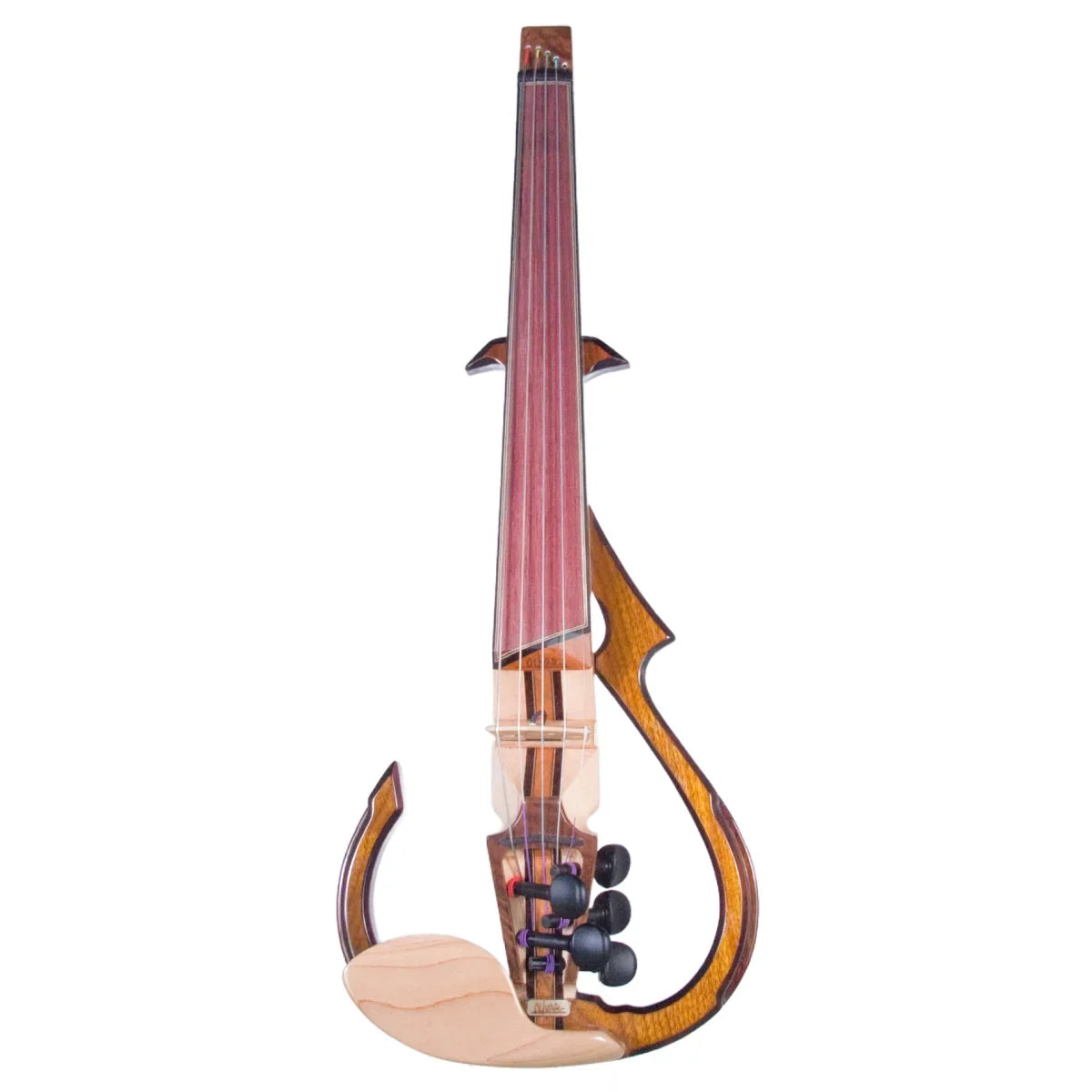
Some electric violins have solid bodies. Others have a partly hollow or shaped body. The body style affects weight, comfort, appearance, and the small amount of natural sound you hear before amplification.
The basic signal path is simple:
- Bow or pluck the string.
- The string vibrates.
- The pickup detects the vibration.
- The signal travels through a cable.
- An amplifier or speaker makes the sound louder.
This is similar to how an electric guitar works, although violin pickups and violin amplifiers have different needs.
Electric Violin vs. Acoustic Violin
An acoustic violin is built to project sound through its wooden body. An electric violin sends a signal to equipment that creates the final amplified sound.
Here are the main differences:
| Feature | Acoustic violin | Electric violin |
|---|---|---|
| Sound source | Hollow wooden body | Pickup and amplifier |
| Unplugged volume | Loud | Often quiet |
| Effects | Usually external and limited | Easy to use with pedals and processors |
| Feedback control | Can be difficult at high volume | Usually better with a solid body |
| Setup | Traditional violin setup | May require electronics and battery care |
| Best use | Classical and acoustic settings | Live, amplified, studio, and experimental settings |
A silent electric violin can be useful for practice in an apartment. However, “silent” does not mean completely noiseless. The bow still touches the strings, and the instrument may create a soft tapping or scratching sound.
If you are asking, is there such thing as an electric violin that sounds exactly like an acoustic violin, the answer is more complex. Some models can sound very natural with a good preamp, amplifier, microphone, or digital impulse response. Still, the physical response of an acoustic violin and an electric violin is not identical.

Why Do Musicians Use Electric Violins?
Electric violins solve several problems that acoustic violins face in modern music.
Higher volume
A violin can struggle to compete with drums, electric guitars, and loud stage monitors. An electric violin can connect directly to a powerful sound system.
Lower feedback risk
A solid-body electric violin is less likely to create the loud feedback that can happen when an acoustic instrument faces a speaker. Feedback is still possible, but careful placement and proper equipment help reduce it.
Sound effects
Players can use effects such as:
• Reverb
• Delay
• Chorus
• Distortion
• Looping
• Octave effects
• Wah effects
• Pitch shifting
These sounds can add a new color to the violin. A clean reverb can make a solo feel wide and warm. Distortion can create a strong rock sound. A looper can let one player build a full arrangement.
Quiet practice
Many electric violins can connect to headphones through a practice amplifier or audio device. This makes them useful for late-night practice or shared homes.
Easier recording
An electric violin can connect to an audio interface. This lets players record into software without placing a microphone in the room.
Modern stage design
Some musicians choose electric violins because they look striking under stage lights. The shape may be unusual, but appearance should never matter more than comfort and playability.
Does an Electric Violin Sound Like a Regular Violin?
An electric violin can sound like a regular violin, but the result depends on the instrument, pickup, strings, amplifier, and settings.
A cheap pickup into a poor amplifier may sound thin, harsh, or nasal. A well-set-up instrument through a quality preamp can sound rich and expressive. The player’s bow control also matters. Electronics cannot fix weak intonation, poor bow pressure, or an unsuitable setup.
Many players use a signal chain like this:
- Electric violin
- Preamp or direct box
- Effects pedal or audio processor
- Amplifier or mixing console
- Speaker or headphones
A violin amplifier designed for acoustic instruments often gives a more natural sound than a guitar amplifier. Guitar amps can work, but they may add strong color or distortion.
One practical lesson is to test the whole system, not just the violin. An instrument that sounds good through headphones may sound very different through a stage monitor. Try several volume levels and play both soft and strong passages.

Are Electric Violins Good for Beginners?
An electric violin can be good for a beginner, but it is not always the best first violin.
A traditional acoustic violin may be better if your main goal is classical training. It gives clear feedback about bow speed, pressure, posture, and tone. This feedback helps students develop a strong foundation.
An electric violin may suit a beginner who wants to:
• Practice quietly
• Play rock, pop, or electronic music
• Perform with amplified instruments
• Experiment with effects
• Join a modern band
• Record music at home
Beginners should not assume that an electric violin is easier to play. The left-hand technique is similar, and accurate intonation still takes time. Some electric models have unusual body shapes that can make shoulder and chin positioning less familiar.
A teacher can help you choose the right setup. It is also wise to learn on an instrument with a standard neck, normal string spacing, and a comfortable bridge.
Can You Play an Electric Violin Without an Amplifier?
Yes, but the sound is usually quiet. You can still hear the strings and some vibration from the instrument, but you will not hear the full amplified tone.
An electric violin needs an amplifier, headphones, or another audio device for normal performance. Some models include a headphone output, while others require a small practice amp or audio interface.
This point matters when shopping. If quiet practice is your main reason for buying one, check these features:
• Headphone output
• Volume control
• Built-in preamp
• Battery life
• Compatible cable connection
• Low background noise
Do not assume every electric violin supports headphones directly. Some instruments need an external headphone amplifier.
Electric Violin Pickup Types
The pickup is one of the most important parts of an electric violin. It shapes the signal before the amplifier or effects system changes it.
Piezoelectric pickups
Piezo pickups sense pressure or vibration near the bridge. They are common because they work well with solid-body instruments and resist feedback.
Their sound can be bright or direct. A preamp often helps make the tone smoother and more natural.
Magnetic pickups
Magnetic pickups detect changes in a magnetic field. They require suitable strings, often with a metal component that the pickup can sense.
They may produce a strong and focused signal. However, they can sound less like a traditional acoustic violin.
Microphone systems
Some electric violins use a small microphone or combine a microphone with another pickup. Microphones can capture more natural air and body sound, but they may be more sensitive to feedback.
Hybrid systems
A hybrid system combines two or more pickup methods. This gives the player more control over tone, but it can also increase cost and setup time.
How Much Does an Electric Violin Cost?
Electric violin prices vary widely. A low-cost model may be suitable for basic practice, while a professional instrument may offer better electronics, materials, setup, and reliability.
Typical price ranges in the United States include:
• Entry level: about $150 to $400
• Intermediate: about $400 to $1,000
• Professional: $1,000 and above
These are broad ranges, not fixed rules. A low-priced violin can work well for a beginner, but some inexpensive instruments have poor bridges, weak tuning machines, noisy electronics, or uncomfortable necks.
Remember to budget for extra equipment:
• Bow
• Rosin
• Instrument cable
• Amplifier or headphones
• Shoulder rest
• Case
• Replacement strings
• Batteries
• Effects pedals, if needed
A professional setup can improve an affordable instrument. A skilled violin technician can adjust the bridge, soundpost when applicable, string height, fingerboard, and tuning hardware.
What Should You Look for When Buying an Electric Violin?
If you are deciding whether an electric violin is right for you, focus on playability first. A flashy design does not make an instrument comfortable or accurate.
Use this checklist:
- Check the neck shape and width. It should feel comfortable in your hand.
- Inspect the bridge. It should be properly shaped and not overly tall or flat.
- Test every string across the fingerboard.
- Listen for buzzing, crackling, or electrical noise.
- Check the tuning pegs and fine tuners.
- Test the output jack while moving the cable gently.
- Ask whether the violin needs a battery.
- Confirm whether it works with headphones or only an amplifier.
- Compare the instrument through clean and effected sounds.
- Buy from a seller with a clear return policy.
Try the instrument while standing and sitting. A body that feels fine for five minutes may become tiring during a long rehearsal.
A common mistake is choosing a violin based only on appearance. Another is buying a cheap instrument without checking whether replacement parts are available. Good support can save you money later.
What Amplifier Is Best for an Electric Violin?
A violin usually sounds best through an amplifier made for acoustic instruments, a full-range speaker, or a clean keyboard amplifier. These systems tend to reproduce a wider range of sound without adding too much distortion.
A guitar amplifier may be useful if you want a colored rock tone. However, it can make a violin sound sharp or overly compressed.
For home use, consider:
• A small acoustic amplifier
• A headphone practice amp
• An audio interface with studio headphones
• A compact powered speaker
For live use, consider:
• A dependable direct box
• A clean stage monitor
• A mixer with phantom-power protection where appropriate
• A backup cable
Never connect equipment without checking its instructions. Most electric violins use a standard instrument cable, but power needs and outputs can differ between models.
Can You Use Effects Pedals With an Electric Violin?
Yes, you can use many guitar and keyboard effects pedals with an electric violin. The pedal does not know whether the signal came from a guitar or violin. It processes the electrical signal that reaches it.
Useful effects include:
• Reverb for space
• Delay for repeated notes
• Chorus for width
• Overdrive for a gritty sound
• Loops for layered performances
• Compression for a more even signal
Start with small settings. Too much reverb can hide poor intonation. Heavy distortion can blur fast notes. Delay can also become confusing if the timing does not match the song.
A tuner pedal is one of the most useful first purchases. An equalizer pedal can also help reduce harsh high frequencies or shape a thin tone.
Is an Electric Violin Hard to Maintain?
Electric violin maintenance is similar to acoustic violin care, with a few extra steps.
Wipe rosin dust from the strings and body after playing. Keep the instrument in a stable case and avoid heat, cold, and high humidity. Replace strings when they sound dull or fail to hold pitch.
Also inspect the electronics:
• Keep the output jack clean and secure.
• Replace batteries before important performances.
• Avoid pulling the cable by the cord.
• Store pedals and cables where they will not bend sharply.
• Use a soft cloth around exposed electronic parts.
If the violin makes a crackling sound, the problem may be the cable, jack, battery, or pickup. Test one part at a time before paying for repairs.
Is There Such Thing as a Silent Electric Violin?
Yes, silent electric violins are designed for low-volume practice. They produce little sound without an amplifier, so a player can practice with headphones.
Still, no violin is perfectly silent. Bow movement creates some physical noise, and the strings may be audible in a quiet room. Silent practice also changes how you hear your bow and intonation.
Use headphones at a safe volume. Long exposure to loud sound can harm hearing, whether the sound comes from an amplifier, headphones, or stage monitors.
Is There Such Thing as an Electric Violin for Classical Music?
Yes. Classical musicians can use electric violins for practice, amplified concerts, crossover projects, and recording. However, a traditional acoustic violin remains the normal choice for most orchestral and chamber settings.
An electric violin may be useful in a classical performance when the venue needs amplification or the music includes electronic effects. The player should test the sound with the venue’s audio system before the concert.
For classical tone, choose an instrument with:
• Responsive strings
• A comfortable standard neck
• Low electronic noise
• A natural preamp
• Reliable tuning hardware
• A clean, full-range amplification system
The bow remains central. Good tone still comes from controlled contact between the bow hair and string.

Advantages and Limitations of Electric Violins
Electric violins offer real benefits, but they are not perfect for every player.
Main advantages
• They work well at high stage volume.
• They allow quiet practice with suitable equipment.
• They support effects and looping.
• They connect easily to recording systems.
• Solid-body models often reduce feedback.
• They suit rock, pop, jazz, worship, and electronic music.
Main limitations
• They require cables, batteries, or amplification.
• Cheap models may sound harsh or noisy.
• They may feel different from an acoustic violin.
• Equipment adds cost and setup time.
• Headphone practice can hide tone problems.
• Some unusual designs are harder to repair.
The right choice depends on your goals. If you want orchestral warmth in a small acoustic room, an acoustic violin may be better. If you want stage control and creative sound, an electric violin may be the better tool.
Frequently Asked Questions About Is There Such Thing as an Electric Violin
Is there such thing as an electric violin?
Yes, an electric violin is a real violin with a pickup that changes string vibration into an electrical signal. It can connect to an amplifier, headphones, effects pedals, or recording equipment.
Does an electric violin need an amplifier?
An electric violin does not need an amplifier to make a small amount of physical sound, but it needs amplification for normal performance. Some models can connect to headphones through a built-in output or external device.
Can an electric violin sound like an acoustic violin?
It can produce a natural violin tone when paired with a good pickup, preamp, strings, and full-range amplifier. However, it will not respond exactly like an acoustic violin because the body and sound production system are different.
Is an electric violin good for beginners?
It can be a good choice for beginners who want quiet practice or modern music. Beginners should still choose a comfortable instrument with standard string spacing and, when possible, learn with guidance from a qualified teacher.
Can you play an electric violin with guitar pedals?
Yes, many guitar pedals work with an electric violin. Reverb, delay, looping, chorus, and overdrive are common choices, but the player should use moderate settings to keep the notes clear.
How much does an electric violin cost?
Basic electric violins often cost about $150 to $400, while intermediate and professional models can cost $400 to more than $1,000. You should also budget for a bow, cable, amplifier, case, strings, and possible setup work.
Is an electric violin completely silent?
No, but it can be much quieter than an acoustic violin. The strings and bow still create some physical sound, even when the instrument is unplugged.
Conclusion
So, is there such thing as an electric violin? Absolutely. It uses pickups and electronic equipment to create an amplified violin sound, making it useful for quiet practice, recording, live shows, and creative effects.
Choose one based on comfort, pickup quality, setup, and your musical goals. Test the full signal chain before buying, and do not overlook the value of a good bow, strings, amplifier, and professional setup. If electric violin music interests you, try one in person, compare it with an acoustic violin, and explore the sound that fits your style.

Senior Music Reviewer
Alex Carter is a seasoned music reviewer with over a decade of experience in the world of sound and instruments. Passionate about helping musicians and enthusiasts make informed choices, he brings sharp insights and in-depth knowledge to every review. From classical instruments to modern gear, Alex combines technical expertise with a love for music to deliver content that resonates with readers.
As a Senior Music Reviewer and expert author on Tuneluma.com, Alex is dedicated to sharing honest evaluations, practical advice, and thoughtful commentary to guide readers in their musical journey.