What Are Scales On Guitar: Beginner’s Guide
Guitar scales are organized groups of notes that create melodies, solos, chords, and the emotional color of music.
If you have ever watched a guitarist move smoothly across the fretboard, scales on guitar are part of the reason. They give your hands a map and your ears a clear sense of where each note belongs. This guide explains what scales on guitar are, how they work, which ones to learn first, and how to use them in real music.
What Are Scales on Guitar?
Scales on guitar are sets of notes arranged in ascending or descending order. Each scale follows a pattern of whole steps and half steps. On guitar, a half step equals one fret, while a whole step equals two frets.
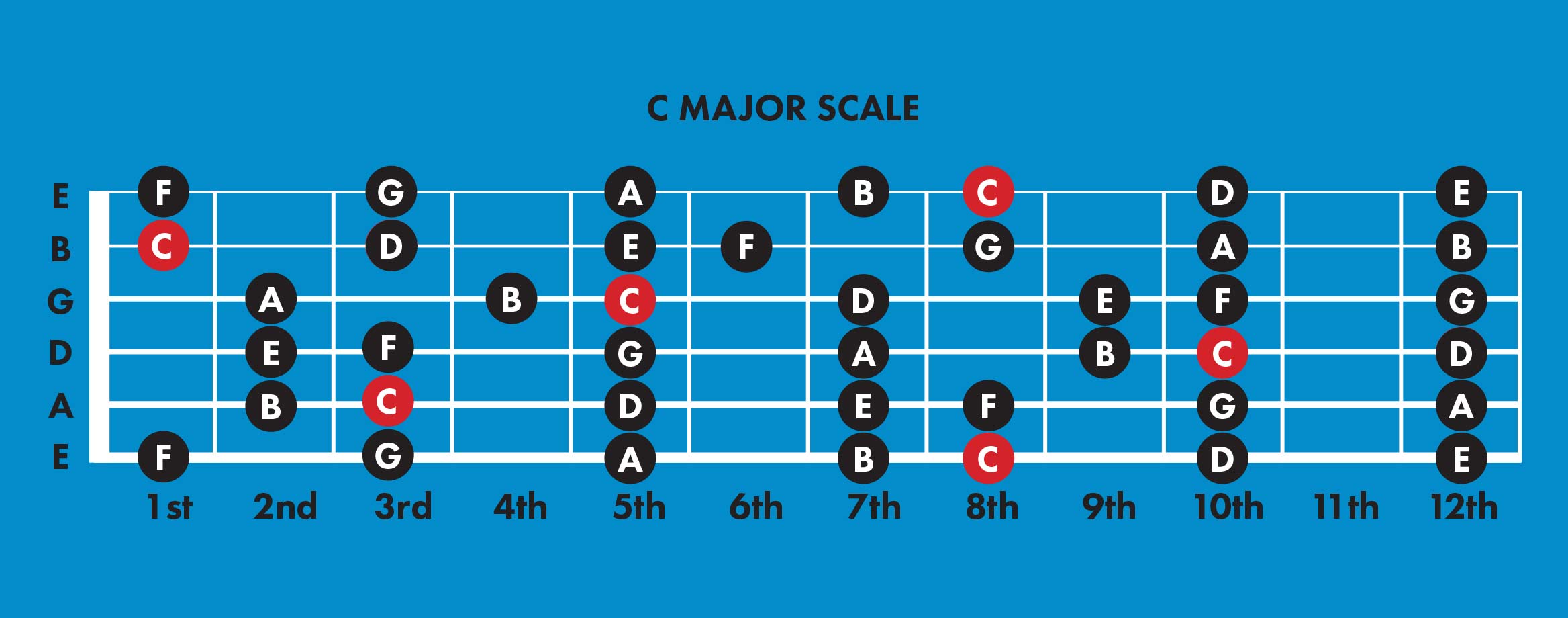
For example, the C major scale contains these notes:
C, D, E, F, G, A, B, C
The final C is the same note name as the first one, but it is one octave higher. This creates a sense of completion.
Scales are not songs by themselves. Think of them as the alphabet of music. Just as writers combine letters to make words, guitarists combine scale notes to make melodies, riffs, and solos.
The word “scale” comes from the idea of measured steps. Each note has a specific distance from the next note. These distances create the sound and mood of the scale.
Scales on guitar can help you:
• Build solos and melodies
• Understand the fretboard
• Create guitar riffs
• Recognize chord relationships
• Improve finger control
• Play with more confidence
• Understand music theory
The notes in a scale can appear on many areas of the fretboard. A single scale may have several shapes or positions. Learning these shapes helps you move across the neck instead of staying in one small area.
How Do Guitar Scales Work?
Every scale has a root note. The root is the note that gives the scale its name and musical center. In the A minor scale, A is the root. In the G major scale, G is the root.
The root often feels like “home.” When a melody ends on the root, it usually sounds settled. When it ends on another note, the phrase may sound open or unfinished.
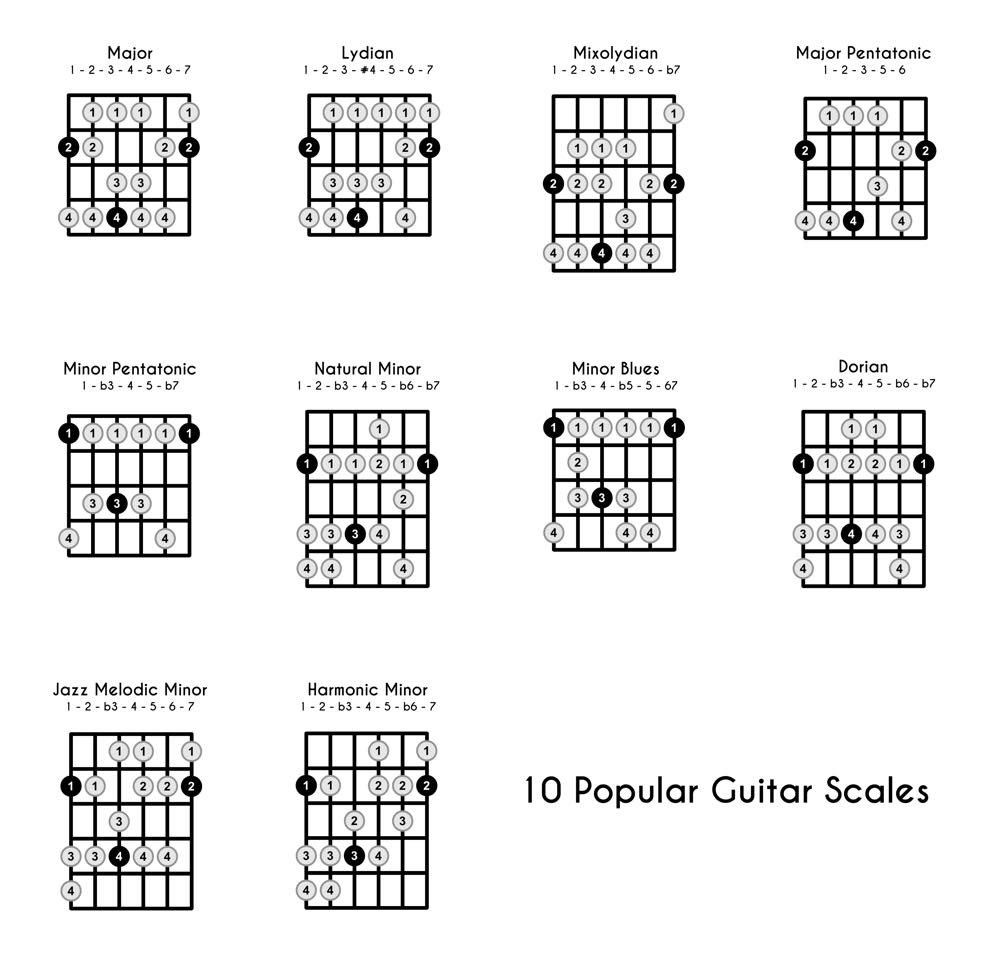
Most common scales use a formula based on intervals. An interval is the distance between two notes. The major scale follows this pattern:
Whole, whole, half, whole, whole, whole, half
Using C as the starting note gives:
• C to D: whole step
• D to E: whole step
• E to F: half step
• F to G: whole step
• G to A: whole step
• A to B: whole step
• B to C: half step
This pattern creates the familiar bright sound of the major scale.
The guitar makes scale patterns practical because the fret spacing is regular. Moving one fret higher raises a note by one half step. Moving two frets higher raises it by one whole step.
Standard tuning adds one small challenge. Most strings are tuned four perfect fourths apart, but the interval between the G and B strings is a major third. Because of this change, some scale patterns shift slightly when they cross those strings.
That detail explains why a pattern may look consistent on five strings but require a small adjustment on the next string. It is one of the first fretboard ideas that surprises new players.
Why Should You Learn Scales on Guitar?
Learning scales on guitar is useful, but scales should serve your music. You do not need to memorize every pattern before playing songs. A few well-understood scales can take you much further than many patterns learned without context.
Scales Improve Fretboard Knowledge
A scale shows where related notes live. Once you know the notes in a scale, you can find safe and expressive choices for a melody or solo.
For example, the A minor pentatonic scale contains:
A, C, D, E, G
If you know where these notes appear, you can improvise over many blues, rock, and pop progressions in A minor.
Scales Help You Improvise
Improvisation is not random note playing. It is the process of making musical choices in real time. A scale gives you a group of notes that are likely to work over a chord or progression.
The scale does not guarantee that every note will sound perfect. Rhythm, phrasing, bends, pauses, and note length matter just as much. Still, the scale gives you a reliable starting point.
Scales Build Technique
Practicing scales can improve:
• Alternate picking
• Finger independence
• Fretting accuracy
• String crossing
• Timing
• Position changes
• Coordination between both hands
A scale becomes much more useful when you practice it with a metronome. Speed should come after clean, even notes.
Scales Explain Chords
Chords often come from scales. In the key of C major, the basic diatonic chords are built from notes of the C major scale.
The chords are:
• C major
• D minor
• E minor
• F major
• G major
• A minor
• B diminished
This relationship helps explain why certain chords sound good together. It also helps you choose a scale when writing or improvising over a progression.
The Most Common Types of Guitar Scales
There are many scales on guitar, but a few appear again and again in popular music. Start with the most useful ones instead of trying to learn everything at once.
Major Scale
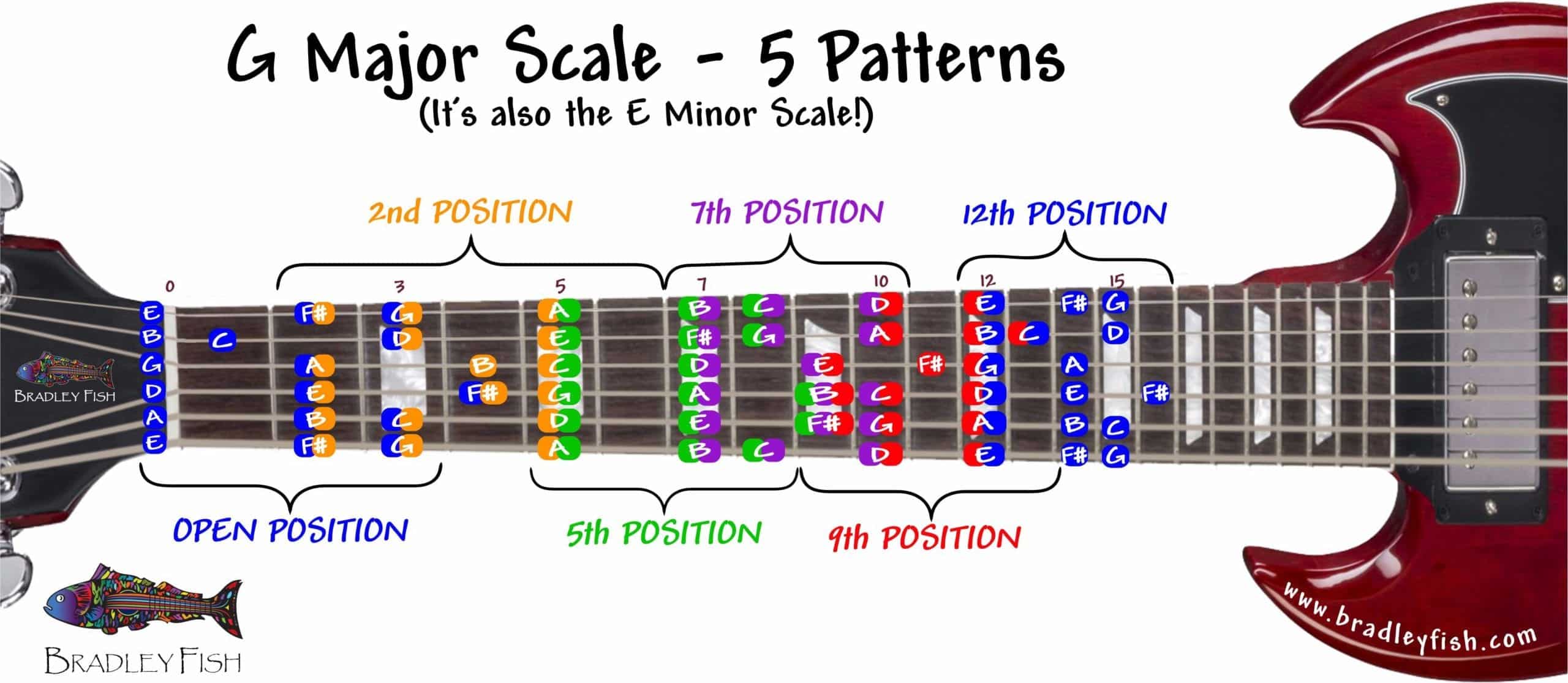
The major scale has a bright and stable sound. It is the foundation of much Western music and helps explain keys, chords, and harmony.
Its formula is:
1, 2, 3, 4, 5, 6, 7
In G major, the notes are:
G, A, B, C, D, E, F-sharp
The major scale is useful for country, folk, pop, jazz, classical, and many rock styles.
Minor Scale
The natural minor scale often sounds darker, more serious, or more emotional than the major scale.
Its formula is:
1, 2, flat 3, 4, 5, flat 6, flat 7
The A natural minor scale contains:
A, B, C, D, E, F, G
A minor uses the same notes as C major, but A acts as the tonal center. This is called the relative minor relationship.
Minor Pentatonic Scale
The minor pentatonic scale has five notes. “Penta” means five. It is one of the most important scales for guitar players.
Its formula is:
1, flat 3, 4, 5, flat 7
The A minor pentatonic scale contains:
A, C, D, E, G
This scale is common in:
• Blues
• Rock
• Hard rock
• Metal
• Pop
• Country
Many famous guitar solos use minor pentatonic phrases. Its simple shape makes it an excellent first scale for improvisation.
Major Pentatonic Scale
The major pentatonic scale also contains five notes. It has a brighter and more open sound than the minor pentatonic scale.
Its formula is:
1, 2, 3, 5, 6
The G major pentatonic scale contains:
G, A, B, D, E
This scale works well in country, folk, pop, classic rock, and melodic lead guitar.
Blues Scale
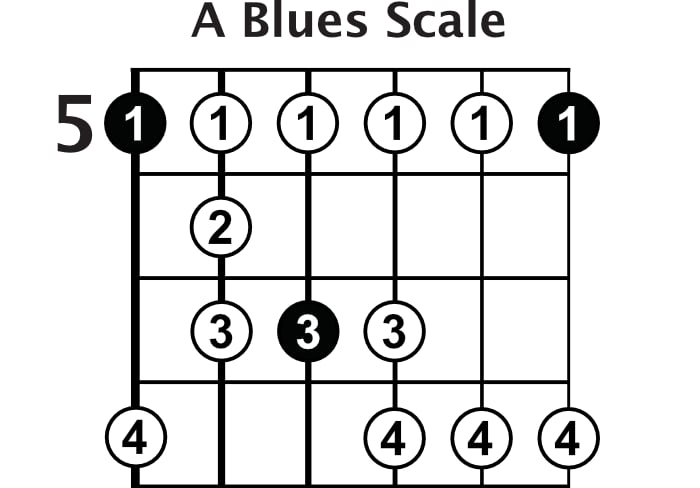
The blues scale is the minor pentatonic scale with one added note. This extra note is called the blue note.
Its formula is:
1, flat 3, 4, flat 5, 5, flat 7
In A, the notes are:
A, C, D, E-flat, E, G
The flat 5 creates tension. It often sounds best when you use it as a passing note rather than resting on it for too long.
Guitar Scale Shapes and Positions
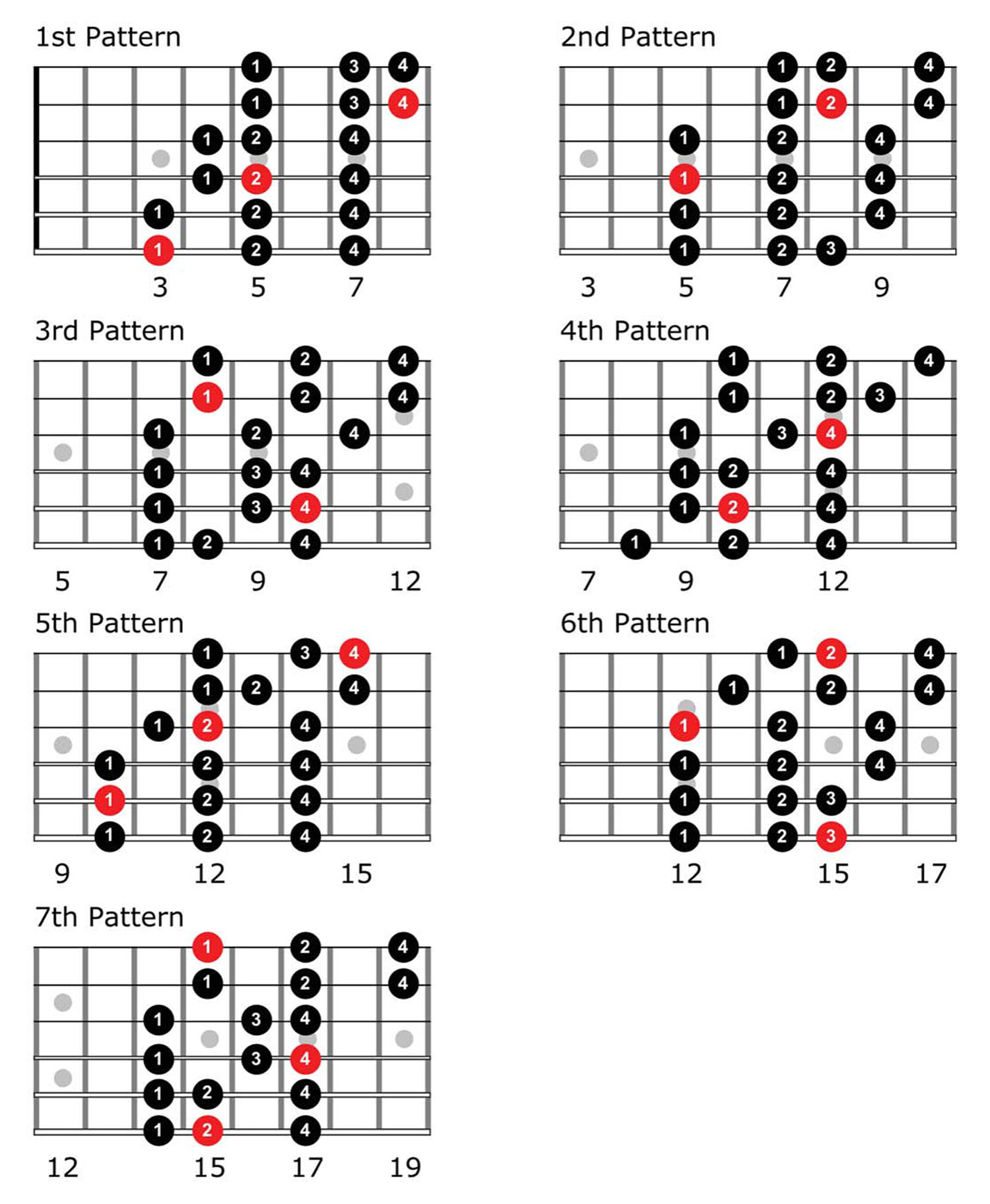
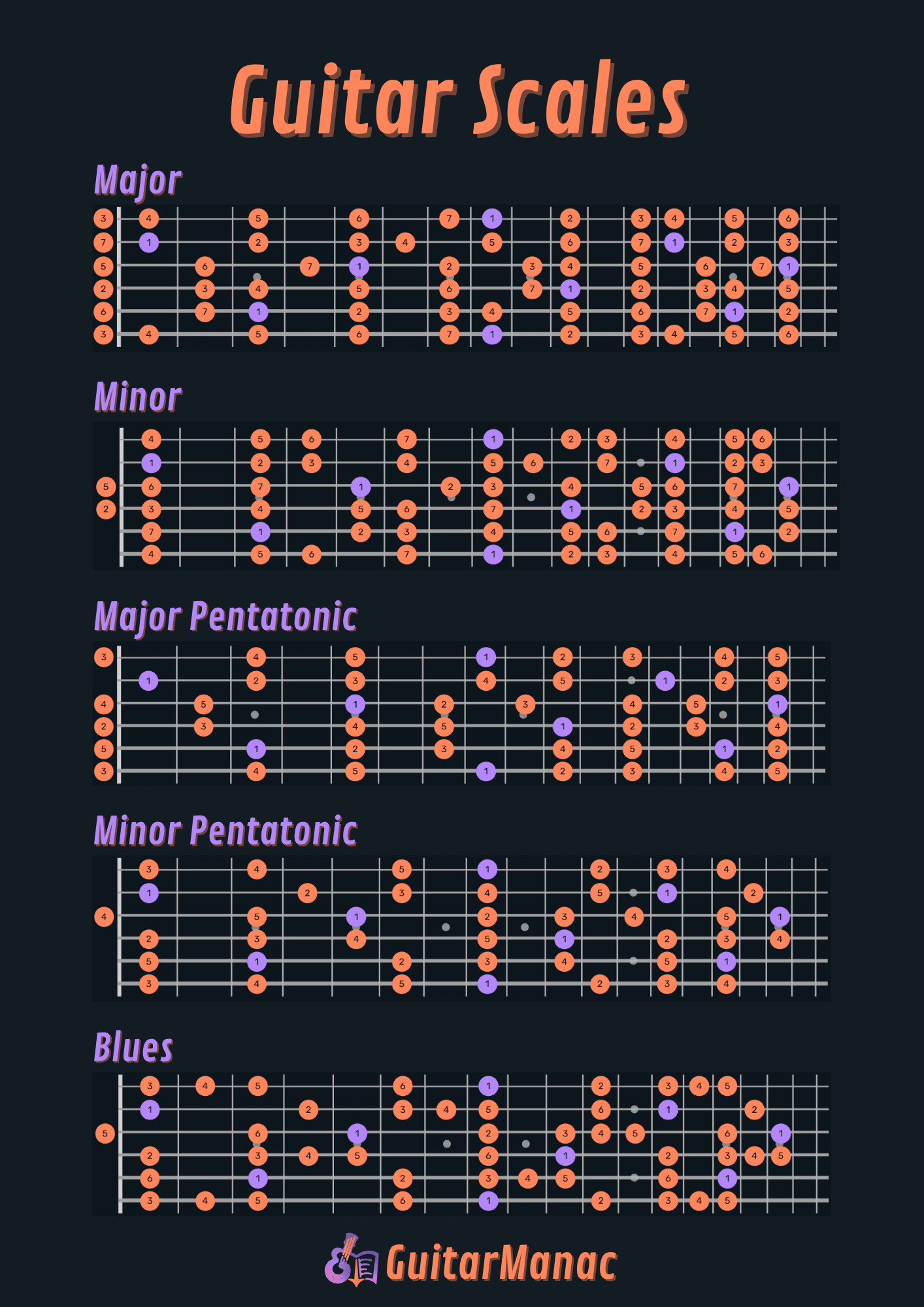
A scale shape is a visual pattern that shows where the notes are located on the fretboard. Many guitar teachers use a five-position system for the major and minor pentatonic scales.
These shapes are useful because they let you move around the neck. However, a shape is not the same as the scale itself. The shape is only one way to play the notes.
For example, the first A minor pentatonic position is often played around the fifth fret. Its notes repeat across the strings in a pattern that is easy to memorize. Once you know the root notes within that shape, you can move the entire pattern to another fret and change the key.
If you move the same pattern from the fifth fret to the seventh fret, A minor pentatonic becomes B minor pentatonic. The pattern stays the same, but the root note changes.
When learning scale shapes, pay attention to:
• Where the root notes are
• Which finger plays each fret
• Which strings the pattern covers
• How the pattern connects to the next position
• How the notes sound, not just how they look
A common mistake is to memorize a box pattern without knowing its root. This can make the pattern feel trapped. Learn the note names and root locations along with the shape.
The guitar fretboard is not a collection of isolated boxes. The positions overlap. A strong player learns to connect them into one large map.
How to Practice Scales on Guitar
A good practice routine should develop your hands, ears, timing, and musical judgment. Playing a scale up and down for ten minutes can help, but it should not be your only method.
Use this simple process.
1. Learn One Scale Shape
Start with one position. Learn it slowly and play each note clearly. Do not rush to learn five positions in one day.
Say the note names if you can. This connects the shape to the fretboard instead of turning it into a finger exercise.
2. Use a Metronome
Set a slow tempo, such as 60 beats per minute. Play one note per click. Focus on even timing and clean sound.
When the pattern feels easy, increase the tempo slightly. If your notes become uneven, lower the speed again.
3. Practice in Different Rhythms
Do not play every note with the same rhythm. Try:
• Long and short notes
• Eighth notes
• Triplets
• Three-note groups
• Four-note groups
• Accents on different beats
This helps turn a scale into a musical tool.
4. Play the Scale in Sequences
A sequence changes the order of the notes. Instead of playing 1, 2, 3, 4, try:
1, 2, 3, 2
2, 3, 4, 3
3, 4, 5, 4
Sequences improve control and help you create phrases that sound less like an exercise.
5. Practice in Both Directions
Play from the lowest note to the highest note, then return. Next, begin from different notes within the scale.
This teaches you to hear the scale as a musical group rather than a single path.
6. Improvise With a Backing Track
Use a slow backing track in the same key. Begin with only three notes from the scale. Create short phrases and leave space between them.
This is where many players learn an important lesson: fewer notes often sound more expressive. A simple phrase with good rhythm can beat a fast run of notes.
In my own approach to scale practice, the biggest improvement comes from linking exercises to music right away. A scale becomes memorable when you use it to answer a melody, copy a rhythm, or create a short solo.

How Scales Relate to Guitar Chords
Scales and chords are closely connected. A chord uses several notes at the same time, while a scale usually presents notes one after another.
A basic major chord contains the first, third, and fifth notes of a major scale. In the key of C, that gives:
• C, the first note
• E, the third note
• G, the fifth note
Together, these notes create a C major chord.
The same idea works for other chords. If a song uses C, F, and G major chords, the C major scale is often a useful starting point for melody and improvisation.
However, chord progressions can change the best scale choice. A blues progression may use dominant seventh chords, and players may combine major and minor sounds for tension. Jazz music may use a different scale over nearly every chord.
This is why scale choice depends on:
• The key of the song
• The chord progression
• The style of music
• The melody
• The desired mood
• The notes emphasized in your phrase
A scale is a set of available colors. Chords determine the scene, and your phrasing decides how those colors appear.

Common Mistakes When Learning Guitar Scales
Many players struggle with scales because they practice the wrong way, not because scales are too difficult.
Memorizing Shapes Without Roots
A shape has little meaning if you do not know where the root notes are. Mark the root notes in each pattern and say them out loud while you practice.
Practicing Only Up and Down
Running a scale from bottom to top is useful for learning. It is not enough for improvisation. Use fragments, skips, bends, slides, and repeated notes to make the scale musical.
Playing Too Fast
Fast practice can hide mistakes. Slow practice exposes weak finger control and uneven timing. Clean notes at a slow tempo build a better foundation.
Ignoring Rhythm
A player with a simple scale and strong rhythm often sounds better than a player with advanced scales and poor timing. Practice with a metronome or drum loop.
Learning Too Many Scales at Once
It is tempting to collect patterns. Resist that urge. Learn one scale, use it in songs, and connect it to chords before adding another.
Forgetting Your Ears
Theory explains why notes relate, but your ears decide what sounds good in a musical moment. Sing a phrase before you play it, or pause and listen to how each note feels over the chord.
A Simple Beginner Scale Plan
If you are new to scales on guitar, use this four-week plan. Adjust the pace if your hands need more time.
Week One: Learn the Minor Pentatonic
Learn the first A minor pentatonic position. Find every A root note in the shape. Practice slowly with a metronome.
Week Two: Make Short Phrases
Use only three or four notes. Create call-and-response phrases, as if one guitar line is answering another.
Week Three: Add Bends and Slides
Use bends on the G and B strings. Slide between notes instead of picking every note. Keep the pitch controlled and listen closely.
Week Four: Connect a Second Position
Learn the next minor pentatonic position. Practice moving between the two shapes without stopping.
After this plan, explore the major pentatonic scale and the major scale. You will understand them more easily because you already know how patterns, roots, and musical phrases work.
Do You Need to Learn Music Theory for Guitar Scales?
You do not need advanced music theory to begin playing scales on guitar. You can learn useful patterns by ear and apply them to songs.
Still, basic theory makes your practice more efficient. Understanding roots, intervals, keys, and chord tones helps you know why a scale works.
A practical balance is best:
• Learn the pattern
• Learn the root notes
• Learn the note names
• Hear the sound
• Use the pattern in real music
Theory should feel like a flashlight, not a wall. It helps you see the fretboard more clearly, but it should not stop you from playing.
Frequently Asked Questions About What Are Scales on Guitar
What are scales on guitar used for?
Scales on guitar are used to create melodies, solos, riffs, and musical phrases. They also help players understand the fretboard and choose notes that fit a key or chord progression.
What is the best guitar scale for beginners?
The minor pentatonic scale is often the best first scale because it has five notes, a simple shape, and a strong sound in blues and rock. The major scale is also essential because it explains keys and chord relationships.
How many scales should a guitarist learn?
A guitarist can start with the minor pentatonic, major pentatonic, major, natural minor, and blues scales. Learning how to use a few scales well is more valuable than memorizing many patterns without musical context.
Should I practice scales every day?
Daily practice can help, but quality matters more than a strict schedule. Even 10 focused minutes with clean technique, steady timing, and musical application can produce useful progress.
Do scales help with guitar speed?
Scales can improve finger coordination, picking control, and string crossing, which may support faster playing. Speed develops safely when you increase the tempo gradually and keep every note clean.
What is the difference between a scale and a chord?
A scale is a group of notes usually played one after another. A chord combines several notes at the same time, and many chords are built from notes within a scale.
Conclusion
Scales on guitar are organized note patterns that help you understand the fretboard, build solos, create melodies, and connect chords to keys. Start with the minor pentatonic scale, learn where the root notes are, practice with a metronome, and use the notes in real music.
Do not treat scales as lifeless exercises. Treat them as a musical vocabulary. Choose a simple backing track today, play three notes, and create your first short guitar phrase. Keep exploring reliable lessons, songs, and fretboard exercises, and share your progress with other guitar players.

Senior Music Reviewer
Alex Carter is a seasoned music reviewer with over a decade of experience in the world of sound and instruments. Passionate about helping musicians and enthusiasts make informed choices, he brings sharp insights and in-depth knowledge to every review. From classical instruments to modern gear, Alex combines technical expertise with a love for music to deliver content that resonates with readers.
As a Senior Music Reviewer and expert author on Tuneluma.com, Alex is dedicated to sharing honest evaluations, practical advice, and thoughtful commentary to guide readers in their musical journey.