How Much Are Electric Violins: Price Guide
Most electric violins cost $200 to $2,000, while professional models can exceed $5,000.
Wondering how much are electric violins? The answer depends on the violin’s materials, pickup system, brand, electronics, and intended use. A beginner model may be affordable, but a stage-ready instrument with low noise, strong tone, and reliable controls can cost much more. This guide breaks down electric violin prices, hidden costs, useful features, and smart buying tips so you can choose with confidence.
How Much Are Electric Violins?
Most electric violins cost between $200 and $2,000 in the United States. Budget models often sell for $150 to $400, mid-range instruments usually cost $500 to $1,200, and professional electric violins may range from $1,500 to more than $5,000.
Here is a simple price guide:
• Beginner electric violins: $150 to $400
• Better student models: $400 to $800
• Intermediate electric violins: $800 to $1,500
• Professional electric violins: $1,500 to $5,000 or more
• Custom electric violins: $3,000 to $10,000 or higher
• Silent practice violins: $300 to $1,500
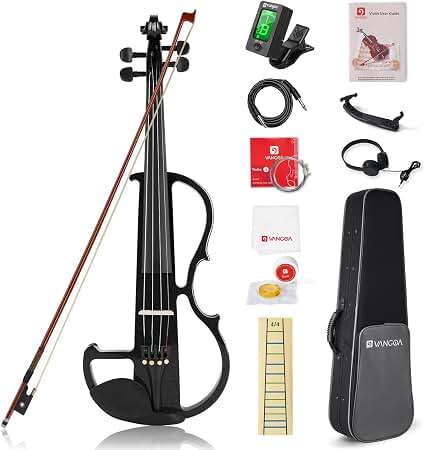
The answer to how much are electric violins also depends on what comes in the box. Some instruments include a bow, case, headphones, rosin, shoulder rest, and cable. Others include only the violin.

Electric Violin Price Ranges Explained
Budget electric violins: $150 to $400
Budget electric violins are made for beginners, casual players, and people who want to experiment with amplified sound. They often use simple piezo pickups and basic volume controls.
At this price, you may find a playable instrument, but quality can vary. Common limits include stiff tuning pegs, weak bows, noisy electronics, and poor factory setup.
A low-cost electric violin can still be useful for:
• Learning basic finger positions
• Practicing with headphones
• Playing simple pop or rock parts
• Testing whether electric violin is right for you
• Performing at small informal events
Do not expect every cheap violin to feel like a traditional acoustic violin. Some need a professional setup before they play comfortably.
Mid-range electric violins: $500 to $1,500
This range offers the best balance for many players. Mid-range electric violins often have better bridges, smoother tuning machines, improved pickups, and more stable construction.
They may also offer:
• Cleaner amplified tone
• Lower electronic noise
• Better fretboard and fingerboard work
• More comfortable neck shapes
• Improved output jacks
• More useful tone controls
For many advancing students and gigging musicians, a $700 to $1,200 instrument can be a practical long-term choice. This is often where electric violins begin to feel like serious musical tools rather than novelty instruments.
Professional electric violins: $1,500 to $5,000 or more
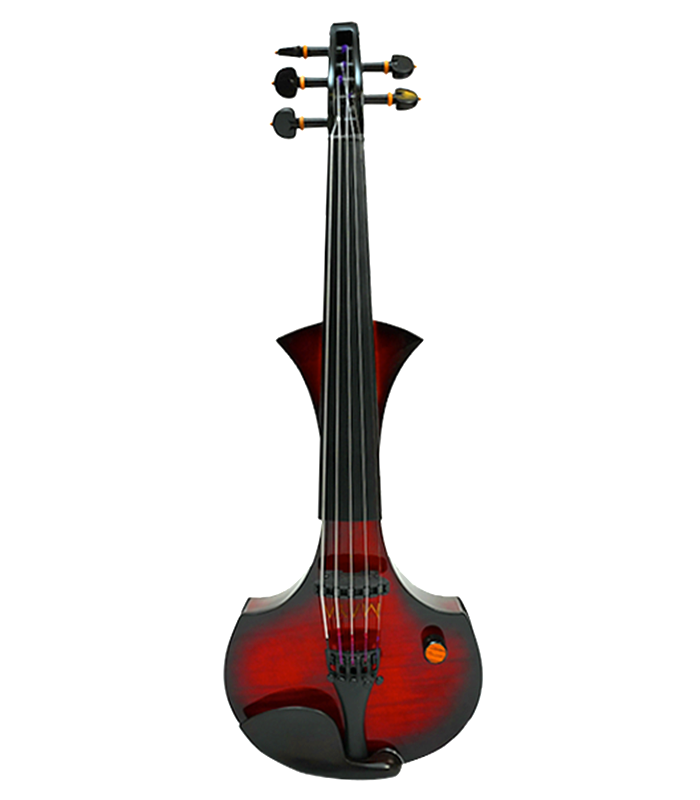
Professional electric violins focus on tone, response, reliability, and stage performance. They may use carefully selected woods, advanced pickup systems, custom electronics, and detailed hand finishing.
Professional players often pay for consistency. A well-made violin should respond evenly across all four strings and produce a clear signal at different volumes.
High-end prices may also reflect:
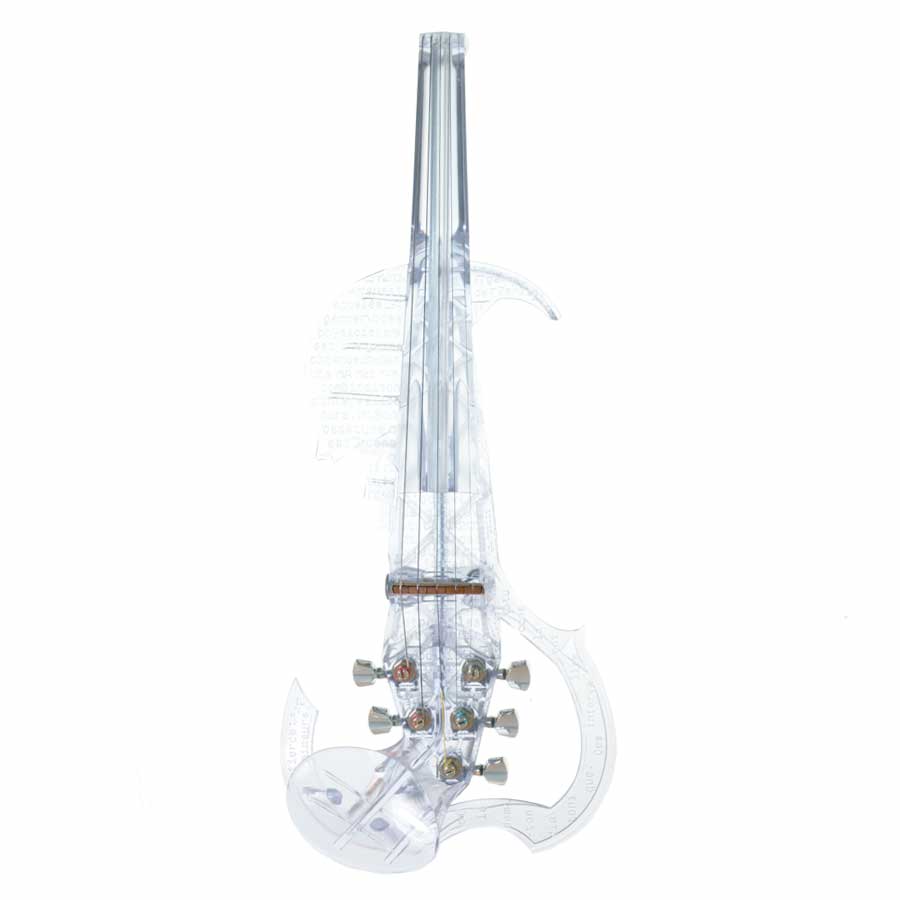
• Custom body shapes
• handmade construction
• Premium bridges and fittings
• Low-noise active electronics
• Multiple outputs
• Built-in preamps
• Extended-range designs
• Custom colors and finishes
• Individual setup and adjustment
The highest-priced electric violin is not automatically the best choice. A good setup and a compatible amplifier may matter more than an expensive finish.
What Affects the Cost of an Electric Violin?
Materials and construction
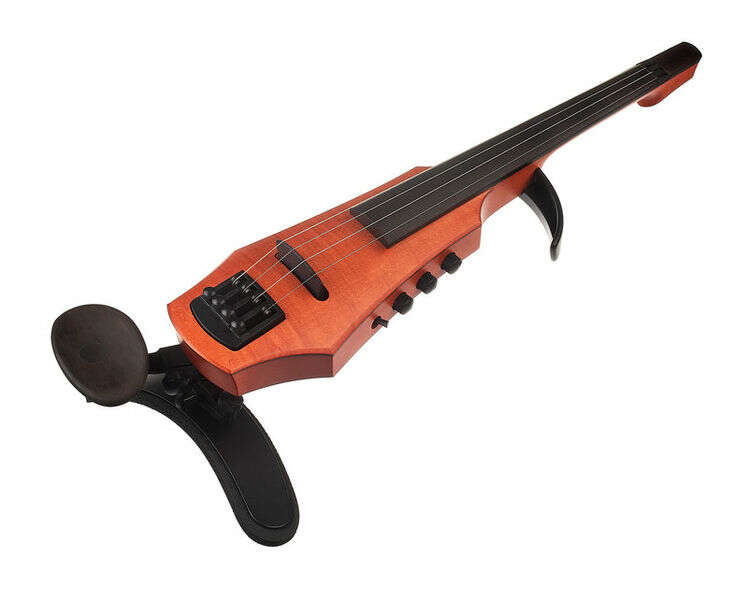
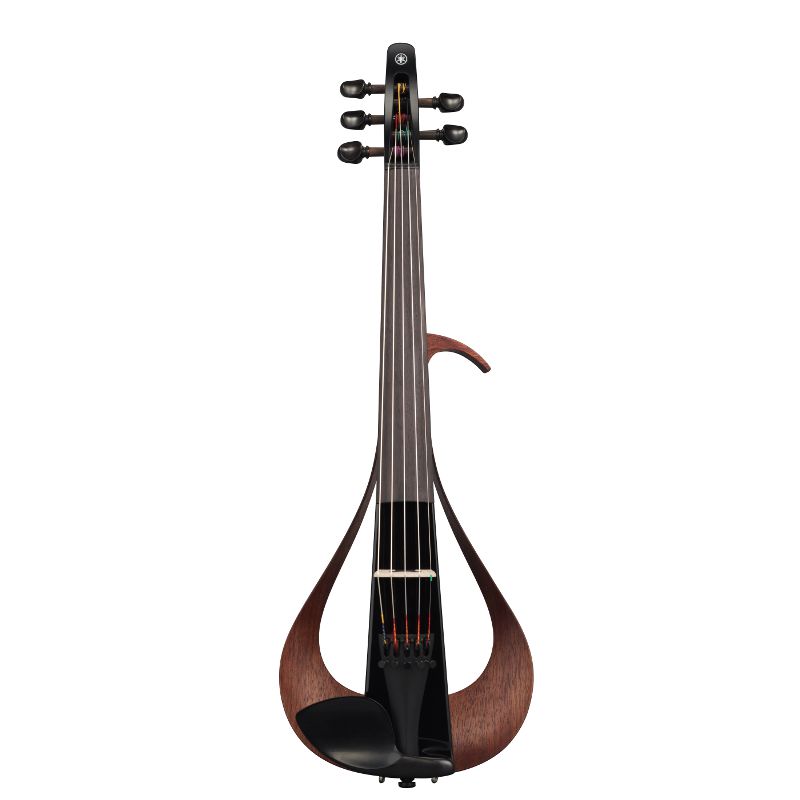
The body material affects weight, feel, strength, and appearance. Some electric violins use maple or spruce. Others use solid-body designs made from wood, carbon fiber, resin, or composite materials.
Traditional wood can provide a familiar feel, but it may need more care. Composite instruments can resist changes in humidity and temperature. The construction method also affects the price.
Handmade instruments usually cost more because they require more labor. Factory-made models can offer good value, especially when they receive a proper final setup.
Pickup quality
The pickup changes how the violin sounds through an amplifier or audio interface. Most electric violins use piezo pickups, which sense vibration through the bridge.
A basic pickup may sound thin, harsh, or overly bright. A better pickup can provide a fuller signal with more detail and less unwanted noise.
Pickup quality matters because an amplifier cannot fully repair a poor source signal. It is like using a low-quality camera and expecting editing software to create a sharp image.
Electronics and controls
Some instruments have only a passive volume control. Others include active preamps, bass and treble controls, headphone outputs, or multiple pickup settings.
Active electronics may need a battery. Check the battery type and expected life before buying. A dead battery before a performance is a small problem that can become a major one.
Setup and playability
A violin’s setup includes bridge height, string spacing, peg fit, soundpost work on acoustic instruments, fingerboard shape, and string action. Electric violins may need different adjustments because their bodies and bridges vary.
A low-priced violin with an excellent setup can feel better than a costly instrument that arrives poorly adjusted. When comparing how much are electric violins, include setup quality in your budget.
Brand and warranty
Established brands often charge more because they provide quality control, customer support, replacement parts, and warranty service. This does not mean every lesser-known brand is poor.
Look for clear warranty terms. Pay attention to coverage for the pickup, output jack, electronics, and neck. Also check whether the seller accepts returns.

Are Cheap Electric Violins Worth It?
Cheap electric violins can be worth buying when your goal is quiet practice, basic learning, or simple experimentation. They are less risky for a new player who is not sure whether electric violin fits their style.
However, the lowest price can create extra costs. You may need new strings, a better bow, a setup, a shoulder rest, or a replacement cable.
Before buying a cheap electric violin, check:
• Whether the neck feels straight
• Whether the tuning pegs hold pitch
• Whether the bridge sits correctly
• Whether all four strings produce a signal
• Whether the output jack feels secure
• Whether the instrument includes a return policy
• Whether replacement parts are available
One common mistake is choosing based only on appearance. Bright colors and unusual body shapes can look exciting, but comfort and sound should come first.
Additional Costs to Include
The purchase price is only part of the total cost. New players often ask how much are electric violins and forget to budget for the equipment needed to use one.
Essential accessories
You may need:
• Bow: $30 to $300 or more
• Rosin: $5 to $20
• Shoulder rest: $15 to $80
• Instrument cable: $10 to $40
• Case: $40 to $250
• Headphones: $20 to $200
• Tuner: $10 to $50
• Replacement strings: $30 to $150 per set
Some electric violins include these items. Check the product list before assuming they are included.
Amplifiers
A small practice amplifier may cost $80 to $250. A better acoustic or full-range amplifier can cost $250 to $800 or more.
Guitar amplifiers can work with some electric violins, but they may color the sound. A keyboard, acoustic instrument, or full-range amplifier often produces a more natural result.
Effects and recording equipment
Players who want a modern sound may add delay, reverb, distortion, loop pedals, or multi-effects units. These can cost from $50 to more than $1,000.
For home recording, you may also need:
• An audio interface
• A microphone or direct input setup
• Recording software
• Studio headphones
• Monitor speakers
A realistic beginner budget may be $400 to $800 after adding basic accessories. A serious performance setup can quickly reach $2,000 or more.

Electric Violin Versus Acoustic Violin Cost
A good acoustic violin can cost anywhere from $300 to many thousands of dollars. That makes electric violin pricing seem simple at first, but the two instruments serve different purposes.
An acoustic violin creates sound through its hollow body. An electric violin depends on a pickup and external sound equipment. Because of this, an electric violin may cost less as an instrument but more as a complete setup.
Electric violins offer several benefits:
• Quiet practice with headphones
• Easy connection to effects
• Lower feedback risk at high volume
• Modern stage appearance
• Direct connection to recording equipment
• Flexible sound shaping
They also have limitations:
• They may feel less natural without amplification
• Cheap pickups can create harsh tones
• Batteries may be required
• External equipment adds cost
• Some models have unusual balance or weight
• They cannot always replace a quality acoustic violin
An electric violin is not simply an acoustic violin with a cable. It is a different tool, much like an acoustic guitar and an electric guitar serve different musical jobs.
Best Electric Violin Price for Different Players
For beginners
A budget of $250 to $600 is often reasonable. Choose a model with a stable neck, usable tuning pegs, a reliable pickup, and a return policy.
Avoid spending your entire budget on the violin alone. A weak bow or poor setup can make learning frustrating.
For students
Students who already play acoustic violin may prefer a $500 to $1,200 model. This range can provide better response and more dependable electronics for regular practice.
If quiet practice is the main goal, compare headphone output and comfort. A visually impressive instrument is not helpful if it feels tiring after 20 minutes.
For gigging musicians
Working players should consider instruments from $1,000 to $3,000, depending on their needs. Reliability matters more than decoration.
Before a performance, test the output jack, cable connection, battery system, tuning stability, and pickup balance. A spare cable and battery should stay in your case.
For professional performers
Professionals may spend $2,000 to $5,000 or more. Custom work can raise the price further.
At this level, it is wise to play the exact instrument before buying when possible. Small differences in neck shape, weight, balance, and response can affect performance more than online specifications suggest.
How to Choose an Electric Violin
Use this process to compare instruments fairly:
-
Set your complete budget. Include accessories, setup, shipping, and possible repairs.
-
Decide your main purpose. Quiet practice, live performance, recording, and effects use may require different features.
-
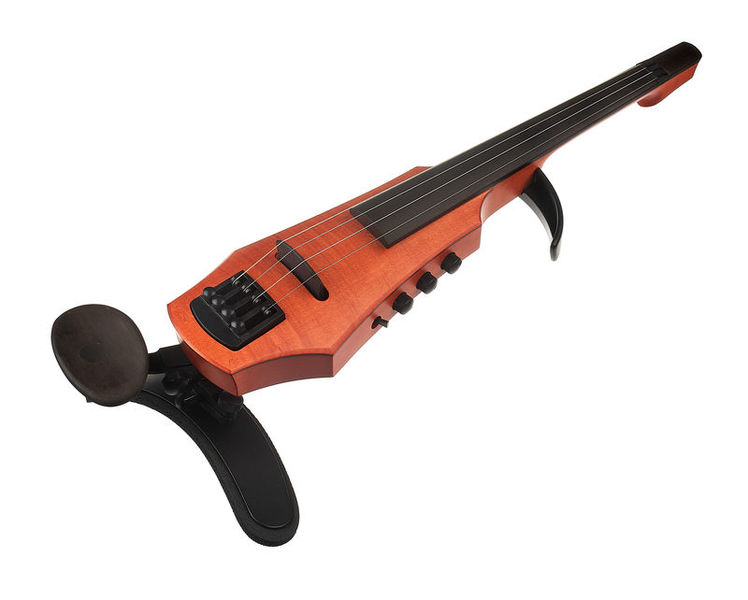
Choose the right body style. A solid-body violin may reduce feedback, while a chambered or acoustic-electric design may feel more familiar.
-
Test the neck and fingerboard. The strings should feel comfortable, and the notes should respond without excessive pressure.
-
Check the electronics. Turn every control and move the cable gently to detect crackle or signal loss.
-
Consider the output type. A standard 1/4-inch output is common, but some instruments offer headphone or line outputs.
-
Review the return policy. Online descriptions cannot show every detail of feel and sound.
-
Ask about setup. Find out whether the seller checks the bridge, strings, pegs, and electronics before shipping.
A useful lesson from comparing musical instruments is that “more expensive” and “better for you” are not the same thing. The best electric violin matches your hands, music, equipment, and goals.

Common Mistakes to Avoid
Buying only by appearance
Unusual shapes and bright finishes can attract attention. They do not guarantee good tone or comfortable playing.
Forgetting the amplifier
An electric violin may sound quiet or thin without proper amplification. Include an amplifier or headphone solution in your plan.
Ignoring the bow
The bow strongly affects articulation and control. A cheap bow can make even a good violin feel difficult to play.
Expecting acoustic tone
Electric violins often sound different from acoustic violins. Their amplified tone may need equalization, reverb, or an external preamp.
Skipping the return policy
Online shopping is convenient, but instruments can vary. A return window gives you time to check comfort, tuning, noise, and response.
Choosing the cheapest strings
Strings influence tone and playability. A quality string set may improve a mid-range instrument more than a decorative upgrade.
How to Save Money on an Electric Violin
You do not always need to buy new. Used electric violins can offer strong value, especially from reputable music stores.
When buying used, inspect:
• The neck for warping
• The bridge for cracks
• The output jack for looseness
• The pickup for signal loss
• The battery compartment for corrosion
• The tuning pegs for slipping
• The case for moisture or impact damage
Ask for a short video of the instrument being played through an amplifier. This can reveal buzzing, uneven volume, or electrical noise.
You can also save money by buying a complete package, but compare each included item. A bundle is useful only if the bow, case, strings, and amplifier are functional.
Another good option is renting before buying. This helps you learn whether you prefer a solid-body electric violin, a silent practice model, or an acoustic-electric design.
Frequently Asked Questions About How Much Are Electric Violins
How much is a good electric violin for a beginner?
A good beginner electric violin usually costs $250 to $600. Set aside extra money for a bow, case, strings, rosin, and a setup.
Are electric violins more expensive than acoustic violins?
They can be, but not always. A basic electric violin may cost less than a high-quality acoustic violin, yet amplifiers, cables, headphones, and effects can raise the total budget.
Can I buy an electric violin for under $200?
Yes, but quality varies greatly below $200. These instruments may work for casual practice, but check the return policy and expect possible setup or accessory costs.
Do electric violins need an amplifier?
Most electric violins need an amplifier or headphones to produce useful volume. Some silent models have headphone outputs, while others require an external amp or audio interface.
Is a $1,000 electric violin worth it?
It can be worth it for regular players, performers, and students who need better playability and reliable electronics. The value depends on the setup, pickup quality, comfort, warranty, and your musical goals.
How long do electric violins last?
A well-maintained electric violin can last for many years. Protect it from moisture, replace worn strings, avoid pulling the cable, and service noisy or loose electronics early.
Conclusion
So, how much are electric violins? Most cost $200 to $2,000, while professional and custom models can reach $5,000 or more. The right price depends on playability, pickup quality, electronics, setup, accessories, and the way you plan to use the instrument.
For many players, a reliable electric violin in the $500 to $1,200 range offers the best balance of cost and performance. Start with your purpose, set a complete budget, test the instrument when possible, and do not overlook the bow, amplifier, and setup.
Explore trusted music retailers, compare return policies, and choose the violin that feels comfortable in your hands.

Senior Music Reviewer
Alex Carter is a seasoned music reviewer with over a decade of experience in the world of sound and instruments. Passionate about helping musicians and enthusiasts make informed choices, he brings sharp insights and in-depth knowledge to every review. From classical instruments to modern gear, Alex combines technical expertise with a love for music to deliver content that resonates with readers.
As a Senior Music Reviewer and expert author on Tuneluma.com, Alex is dedicated to sharing honest evaluations, practical advice, and thoughtful commentary to guide readers in their musical journey.