How To Age A Violin: Expert Tips
A violin ages best through careful playing, stable care, and time rather than forced heat, chemicals, or physical damage.
Learning how to age a violin starts with knowing what “age” means. A violin may develop a richer sound over time, show natural wear in the varnish, or gain an antique look through skilled craftsmanship. These are different processes, and confusing them can lead to cracks, weak joints, poor tone, or costly repairs. This guide explains safe methods, common mistakes, and the limits of artificial aging.
What Does It Mean to Age a Violin?
The phrase “age a violin” can describe three related but separate goals:
- Improving the instrument’s sound through regular use
- Allowing the wood and varnish to mature naturally
- Giving a new violin an older, antique appearance
A violin does not become better simply because it becomes older. Its design, wood quality, varnish, setup, and playing history all matter. A well-made modern violin can sound excellent, while an old violin may have serious damage or weak tone.
When people ask how to age a violin, they often mean they want a newer instrument to look and feel like an older one. That process is called antiquing. Professional violin makers use controlled varnish work, gentle wear patterns, and careful color changes to create a natural appearance.
Sound aging is different. It happens through vibration, wood movement, and long-term changes in the varnish. These changes are gradual and cannot be safely copied with a quick household trick.

How a Violin Ages Naturally
A violin is made from spruce, maple, ebony, and other materials that react to time and the surrounding environment. Wood slowly loses and absorbs moisture as humidity changes. The varnish also becomes harder and may change color.
Regular playing can help a violin settle. The strings vibrate the top, back, bridge, and air inside the body. This does not magically transform every instrument, but it can help the violin respond more freely as it is played and maintained.
Natural aging depends on several factors:
• Wood quality and how long it was seasoned before construction
• The design and thickness of the plates
• The type and condition of the varnish
• The quality of the bridge, soundpost, strings, and setup
• The player’s technique and playing schedule
• Stable temperature and humidity
A violin that is played for 20 minutes each day in a stable room may mature more safely than one exposed to intense heat for a few hours. Think of the process like breaking in a pair of leather shoes. Use shapes the material, but abuse ruins it.

How to Age a Violin for Better Tone
If your goal is a more mature sound, the safest answer to how to age a violin is simple: play it regularly and maintain it well.
Start with short practice sessions. Play scales, slow bow strokes, long notes, and music across all four strings. This gives the instrument steady vibration without placing sudden stress on the body.
Use a qualified violin technician if the sound seems closed, nasal, harsh, or uneven. A small setup change can make a bigger difference than months of forced aging.
Ask a professional to inspect:
• Bridge shape and position
• Soundpost fit and placement
• Peg fit and string angle
• Tailpiece and fine tuner setup
• Fingerboard condition
• String type and age
• Loose seams or open cracks
A new set of suitable strings may improve tone within hours. However, strings cannot fix a weak soundpost fit or a poorly shaped bridge. Setup work should be done by someone experienced with violins, not by trial and error with household tools.
In my experience, many players search for how to age a violin when they really need a careful setup. This is an important lesson: tone often comes from adjustment, not from artificially making the instrument look old.

How to Age a Violin’s Appearance
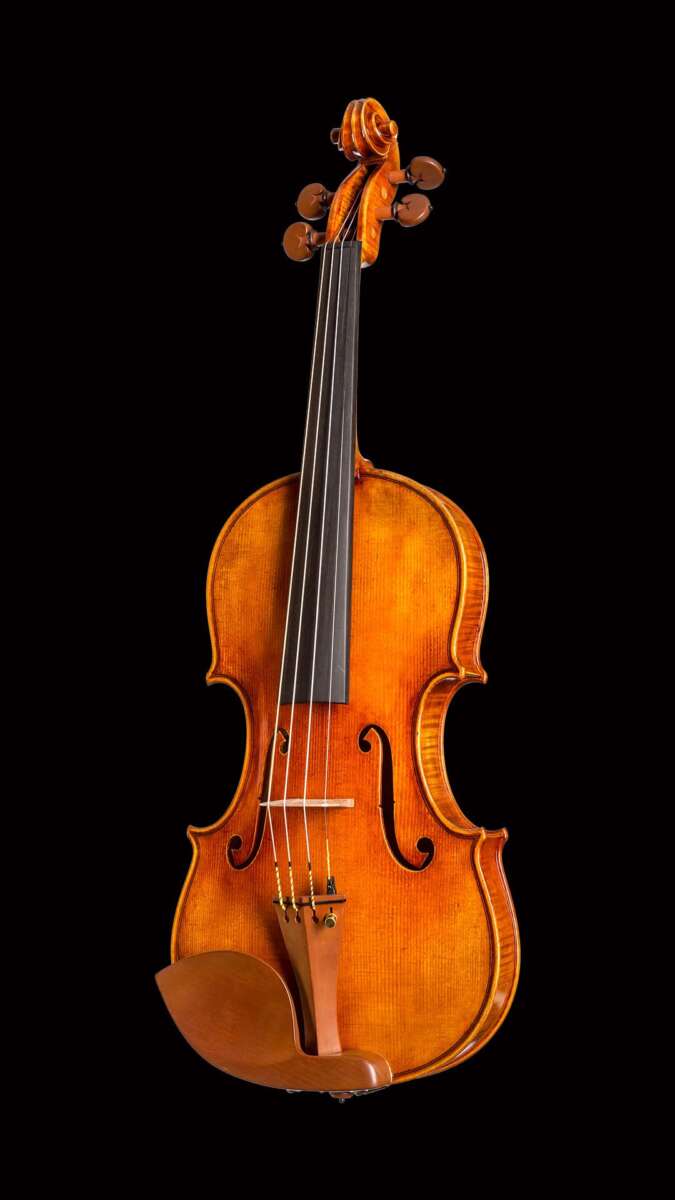
New violins can look bright, clean, and uniform. An experienced maker may create an older appearance by studying how real instruments wear.
Natural wear usually appears in specific places:
• The neck where the player’s hand rests
• The rib edges near the player’s body
• The top near the lower bout
• Areas near the chin rest and shoulder rest
• The varnish around the bridge and tailpiece
• Corners and edgework that receive repeated contact
A professional antiquing process may include several thin varnish layers. The maker can add transparent color, soften sharp visual contrasts, and create small signs of use. The goal is not to make random scratches. The goal is to make the instrument’s history look believable.
A skilled maker may also use gentle polishing and controlled rubbing. These methods require knowledge of varnish chemistry and the structure of the instrument. The wrong solvent can remove color, soften the varnish, or expose bare wood.
If you own a valuable violin, do not try to age its appearance at home. A new finish may reduce its value, and irreversible work can make future restoration difficult.

Safe Steps for a New Violin
If you want a new violin to mature naturally, follow a slow care routine.
-
Play it often, but avoid very long sessions at first.
-
Keep the violin in a strong case when you are not playing.
-
Store it away from radiators, fireplaces, air vents, and direct sunlight.
-
Keep room humidity near 40 to 60 percent when possible.
-
Wipe rosin dust from the strings and top with a soft, dry cloth.
-
Loosen your grip and avoid pressing hard on the neck.
-
Have a luthier check the setup after the instrument settles.
-
Replace strings when they sound dull, false, or unstable.
A small case humidifier may help in a dry climate, but it must be used with care. Too much moisture can swell the wood and cause seams to open. A digital hygrometer is useful because indoor air can feel comfortable while still being too dry for a violin.
Do not leave a violin in a car. A hot car can soften varnish and glue. A cold car can create rapid condensation when the case enters a warm room. These temperature swings can cause serious damage.

Methods You Should Avoid
Some internet suggestions claim to speed up aging with heat, sunlight, chemicals, vibration devices, or rough handling. These methods are risky.
Avoid the following:
• Baking or heating the violin
• Leaving it in direct sunlight for long periods
• Spraying alcohol, oil, polish, or household cleaner on the varnish
• Scratching the surface with tools
• Sanding the edges or plates
• Creating fake cracks or dents
• Applying dark shoe polish or furniture wax
• Over-tightening the strings
• Using strong ultraviolet light without professional control
Heat can dry or distort wood. It can also loosen glue joints. Alcohol may dissolve or smear some varnishes. Sanding can remove original material and alter the shape that controls the instrument’s sound.
Artificial cracks are especially dangerous. Real cracks follow the grain and respond to stress in complex ways. A fake crack can weaken the plate and may later become a real structural problem.
If you are researching how to age a violin for a craft project, practice on a violin-shaped object or scrap wood instead. Do not experiment on a working instrument.
How Professional Violin Makers Create an Antique Look
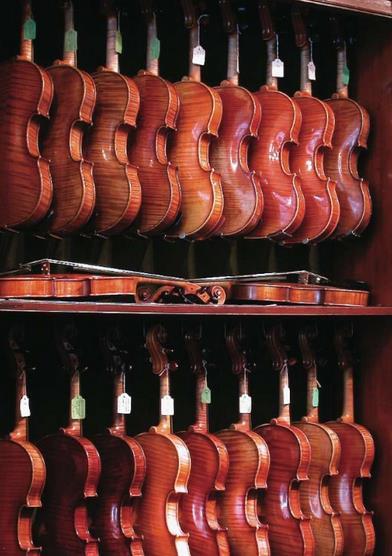
Professional antiquing begins before the final varnish is complete. The maker considers the wood, ground layer, varnish color, edgework, and intended style.
The process may include:
• Choosing wood with an appropriate grain and figure
• Applying a ground that supports the varnish
• Building thin layers rather than one thick coat
• Using transparent colors that allow the wood to show
• Creating mild color variation across the plates
• Softening selected edges and corners
• Adding restrained wear in realistic contact areas
• Polishing the surface without making it look plastic
Good antiquing is subtle. A violin should not look as if it has been dragged across a sidewalk. It should resemble an instrument that has been played, handled, and cared for over many years.
The best makers also understand that visual aging must support the instrument’s construction. They do not remove wood merely to create a worn effect. They preserve the arching, thickness, graduations, and edge strength that help the violin work.
The Role of Varnish in Violin Aging
Varnish protects the wood and affects the violin’s appearance. It can also influence how the surface responds to vibration, although tone depends on the entire instrument rather than varnish alone.
Oil varnish and spirit varnish behave differently. Oil varnish often dries more slowly and can create a deep, soft appearance. Spirit varnish dries faster and may produce a brighter surface. Each type can be made in many ways, so the label alone does not tell you how a violin will sound.
As varnish ages, it may become harder, darker, or more brittle. This change is not always beneficial. A brittle coating can chip or separate. A thick coating may restrict the plate’s movement.
Do not assume that a darker violin is older or better. Color can be changed quickly, but genuine material aging takes much longer. Experienced appraisers look at construction, varnish, wear, repairs, and other details together.
How to Tell Natural Aging From Artificial Aging
No single feature proves that a violin is old. Age assessment requires experience and, for valuable instruments, professional examination.
Signs that may support natural age include:
• Wear that matches normal playing contact
• Consistent changes across wood and varnish
• Old repairs that have settled into the instrument
• Pegs, fittings, and setup choices that fit the claimed period
• Wood changes that agree with the construction history
Artificial aging may show:
• Random scratches in places that receive little contact
• Wear that stops sharply at unusual points
• Dark color trapped only in surface marks
• New-looking wood beneath supposedly old wear
• Mismatched varnish and fittings
A violin can also contain both old and new parts. Necks, scrolls, fingerboards, bass bars, and fittings may have been replaced during restoration. That is why age claims should come from a qualified violin expert, not from appearance alone.
If the instrument has significant financial or historical value, obtain a written appraisal before cleaning, refinishing, or changing parts.
Common Mistakes When Trying to Age a Violin
One common mistake is confusing dirt with character. Rosin dust and skin oil can make a violin look darker, but they can also damage the varnish. Cleaning should be gentle and limited to what a professional recommends.
Another mistake is using furniture polish. Many products leave silicone, wax, or oil behind. These residues can interfere with future repairs and may be difficult to remove.
Some players also change strings, bridge height, and soundpost position at the same time. If the result is poor, they cannot tell which change caused the problem. Make one adjustment at a time and record what happened.
A final mistake is rushing. The question of how to age a violin often comes from a desire for an instant result. Violins reward patience. A careful setup, steady playing, and stable storage are safer than dramatic shortcuts.
How Long Does It Take to Age a Violin?
There is no exact timetable. A violin’s response may change during its first weeks and months, especially after setup adjustments. Broader changes in wood and varnish usually occur over many years.
The rate depends on:
• The age and seasoning of the wood before construction
• Climate and humidity
• How often the violin is played
• Varnish type and thickness
• Instrument design
• Quality of maintenance
Claims that a violin can be aged in a few days should be treated with caution. Some devices may alter vibration or humidity, but that does not prove they create the same changes as decades of natural aging.
A maker may create an antique visual effect in a short period. That is a surface treatment, not the same as natural aging of the wood.
When to Contact a Luthier
Contact a luthier before trying any aging method if the violin is valuable, old, cracked, or historically important.
Professional help is especially important when:
• A seam is opening
• The bridge is leaning
• The soundpost has fallen
• The top or back has a crack
• The varnish is sticky or flaking
• The violin has a musty smell or mold
• The instrument becomes difficult to tune
• The tone changes suddenly
A luthier can explain whether the instrument needs cleaning, setup work, repair, or simply more playing time. This advice may seem less exciting than a do-it-yourself aging trick, but it protects both the violin and your investment.
Frequently Asked Questions About How to Age a Violin
Can I age a violin by leaving it in the sun?
No. Direct sunlight can fade varnish, overheat the wood, and weaken glue joints. Natural light does not safely reproduce decades of aging.
Does playing a violin make it sound older?
Regular playing may help a violin settle and respond more freely over time. However, playing cannot change every instrument in the same way, and it cannot replace proper setup or repair.
Can I use oil or polish to make my violin look antique?
Do not use household oil or furniture polish. These products can stain the varnish, leave residue, and complicate future restoration.
How can I make a new violin look old?
Have a professional violin maker handle the work. Skilled antiquing uses controlled varnish methods and realistic wear, while home experiments can cause permanent damage.
Does an old violin always sound better?
No. Age is only one factor in sound quality. Construction, setup, condition, repairs, strings, and the player’s technique also have a major effect.
Can artificial aging increase a violin’s value?
Usually, artificial aging does not create the value of a genuinely old instrument. Poor refinishing may lower value, especially if it removes original varnish or hides repairs.
How often should I play a new violin?
Short, regular sessions are a sensible start. Gradually increase playing time while watching for changes in tuning, seams, bridge position, and tone.
Conclusion
The safest way to age a violin is to let it mature through regular playing, stable humidity, careful handling, and professional setup. Artificial antiquing can create an older look, but it should be done only by a skilled violin maker. Heat, chemicals, sanding, and fake damage can harm the instrument and reduce its value.
Treat your violin like a living piece of wood. Give it time, steady care, and thoughtful adjustments. If you are planning to age a violin or change its finish, speak with a qualified luthier first, explore trusted conservation resources, and share your experience with other players.

Senior Music Reviewer
Alex Carter is a seasoned music reviewer with over a decade of experience in the world of sound and instruments. Passionate about helping musicians and enthusiasts make informed choices, he brings sharp insights and in-depth knowledge to every review. From classical instruments to modern gear, Alex combines technical expertise with a love for music to deliver content that resonates with readers.
As a Senior Music Reviewer and expert author on Tuneluma.com, Alex is dedicated to sharing honest evaluations, practical advice, and thoughtful commentary to guide readers in their musical journey.