Do Electric Violins Make Noise: What To Expect
Yes, electric violins make some sound unplugged, but headphones or an amplifier are needed for full volume.
The answer to “do electric violins make noise” depends on how you play the instrument and what you connect to it. An electric violin can produce a soft acoustic sound through its strings and body, yet it works very differently from a traditional violin. This guide explains its volume, sound sources, silent practice ability, setup needs, and common mistakes so you can choose and use one with confidence.

Do electric violins make noise?
Yes, electric violins make noise, but the amount of sound varies. When you bow the strings without connecting the violin to an amplifier, you usually hear a quiet, thin tone. It is often much softer than the sound from an acoustic violin.
An electric violin uses a pickup to sense string movement. The pickup changes that movement into an electrical signal. That signal then travels through a cable to an amplifier, audio interface, effects pedal, or headphones.
This creates two types of sound:
• Acoustic sound: The soft sound you hear directly from the strings and instrument body.
• Amplified sound: The louder sound produced through an amplifier, speaker, or headphones.
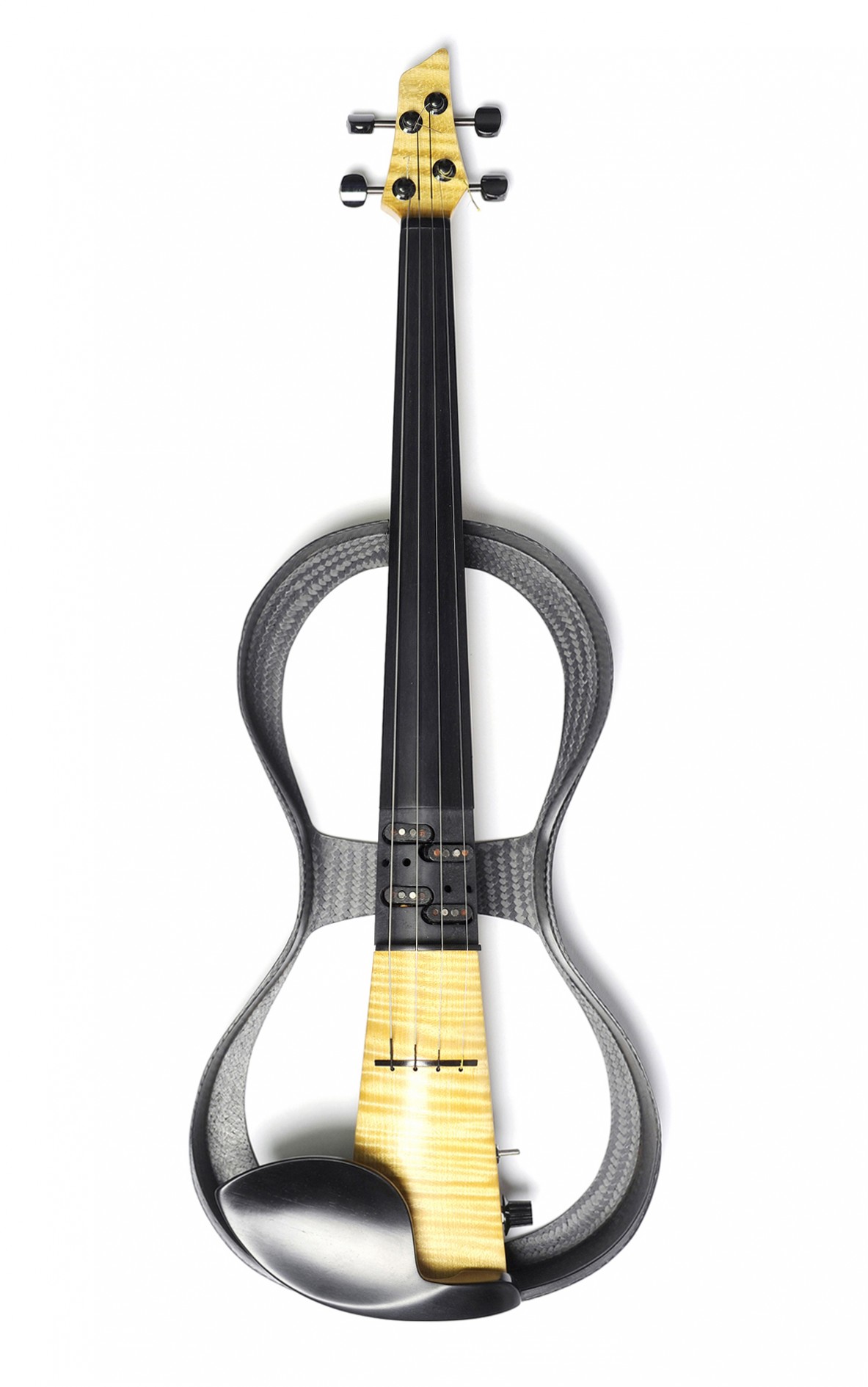
The design also affects volume. Some electric violins have a solid body with little natural resonance. Others have a hollow or semi-hollow body that adds more acoustic sound. A solid-body model is often better for quiet practice, while a hollow model may feel more familiar to acoustic violin players.
So, do electric violins make noise when they are unplugged? Yes, but usually not enough for a concert, lesson, or group rehearsal. They make enough sound for the player to feel the bow and check basic intonation, but people nearby may hear very little.
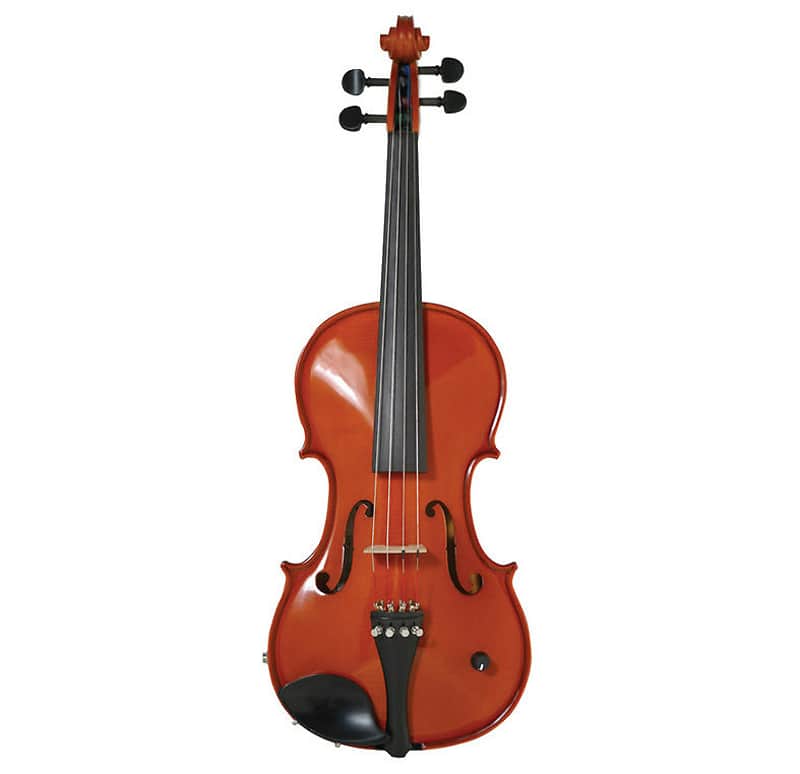
How an electric violin produces sound
A traditional violin creates sound through a chain of natural vibrations. The bow moves the strings, the bridge transfers that movement to the body, and the wooden body amplifies the vibration. The sound then spreads through the air.
An electric violin follows a different path. Its pickup detects the movement of the strings or bridge. The instrument sends that signal to another device, which increases the signal and turns it into audible sound.
The main parts involved
• Strings: The strings vibrate when you bow or pluck them.
• Bridge: The bridge transfers string movement and may hold or connect to the pickup.
• Pickup: The pickup converts vibration into an electrical signal.
• Preamp: Some violins use a preamp to shape or strengthen the signal.
• Output jack: This sends the signal through a cable.
• Amplifier or headphones: These devices make the signal loud enough to hear clearly.
The pickup does not create sound by itself. It captures vibration. The amplifier acts like a loudspeaker system for that captured signal.
This is why do electric violins make noise in different ways depending on the setup. A violin with a weak pickup, poor cable, or unsuitable amplifier may sound quiet or dull. A good pickup and clean amplifier can produce a strong, clear tone.
Most electric violins use piezoelectric pickups. These pickups respond to pressure and vibration. Some models use magnetic pickups, but those require compatible metal strings and are less common in standard violin designs.
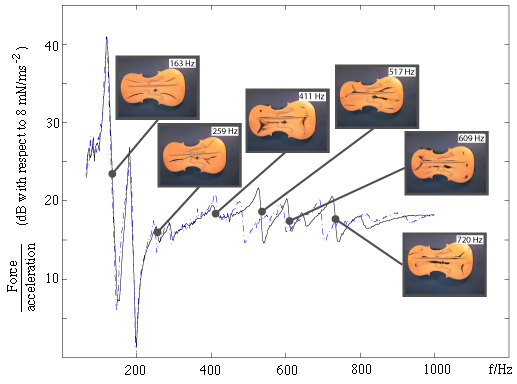
How loud is an electric violin without an amplifier?
An unplugged electric violin is usually quieter than an acoustic violin. The exact volume depends on the body shape, materials, bridge, strings, and construction.
A solid-body electric violin may sound like a muted practice instrument. You can hear the bow and notes up close, but someone in the next room may not hear much. A hollow-body electric violin can be louder because its body moves more air.
The sound is also different from a muted acoustic violin. An acoustic violin with a practice mute still uses its wooden body to create sound. An electric violin with a solid body has far less natural resonance.
In real use, I have found that players often overestimate how silent these instruments are. The amplified sound can be completely silent to people nearby when you use headphones, but the bow still makes a small physical sound. You may also hear finger movement, string contact, and the click of the bow hair.
Room conditions matter too. In a quiet apartment, a neighbor may notice repeated bow noise through a shared wall. In a busy home, the same sound may disappear into normal background noise.
If quiet practice matters, look for:
• A solid-body design
• A headphone output
• A built-in volume control
• A smooth pickup system
• Good fit and finish around the bridge
• A quiet practice room with soft furnishings

Do electric violins make noise with headphones?
Do electric violins make noise with headphones? They can produce a clear and full sound through headphones while making very little airborne sound in the room.
To use headphones, the violin must have a headphone output or connect to a device with one. Some electric violins include a built-in headphone jack. Others need a small amplifier, audio interface, or headphone amplifier.
The connection may follow one of these paths:
-
Electric violin to headphone amplifier to headphones
-
Electric violin to audio interface to headphones
-
Electric violin to practice amp with a headphone output
-
Electric violin to effects unit with a headphone output
Do not connect regular headphones directly to a standard instrument output unless the device supports it. A normal violin output may not provide enough power or the correct signal path for headphones.
A headphone setup offers several benefits:
• You can practice late at night.
• You can hear effects without filling the room.
• You can play along with backing tracks.
• You can record without using a loud speaker.
• You can control your listening volume.
Protect your hearing. The World Health Organization warns that repeated exposure to loud personal audio can cause hearing damage. Start at a moderate volume and take breaks. If your ears ring after playing, lower the volume and rest.

Do electric violins make noise when plugged into an amplifier?
Yes, do electric violins make noise when plugged into an amplifier, and they can become much louder than acoustic violins. The amplifier turns the small pickup signal into a strong speaker signal.
The final volume depends on several factors:
• Pickup output
• Amplifier power
• Speaker size
• Gain and volume settings
• Cable quality
• Bow pressure and playing style
A small practice amp may work well at home. A larger keyboard, acoustic, or full-range amplifier may suit performances. Guitar amplifiers can work, but they may change the violin’s tone because they are voiced for electric guitar frequencies.
Many players prefer an acoustic instrument amplifier or a full-range speaker. These systems often preserve more of the violin’s natural frequency range. An effects pedal can then add reverb, delay, chorus, distortion, or looping.
Start with the amplifier volume turned down. Plug in the cable, raise the volume slowly, and listen for hum or feedback. This simple habit prevents sudden loud bursts that can damage your hearing or speakers.
Feedback happens when the amplified sound reaches the pickup and creates a loop. It is more common with hollow-body electric violins. Lowering the volume, moving away from the speaker, or using an equalizer can help.
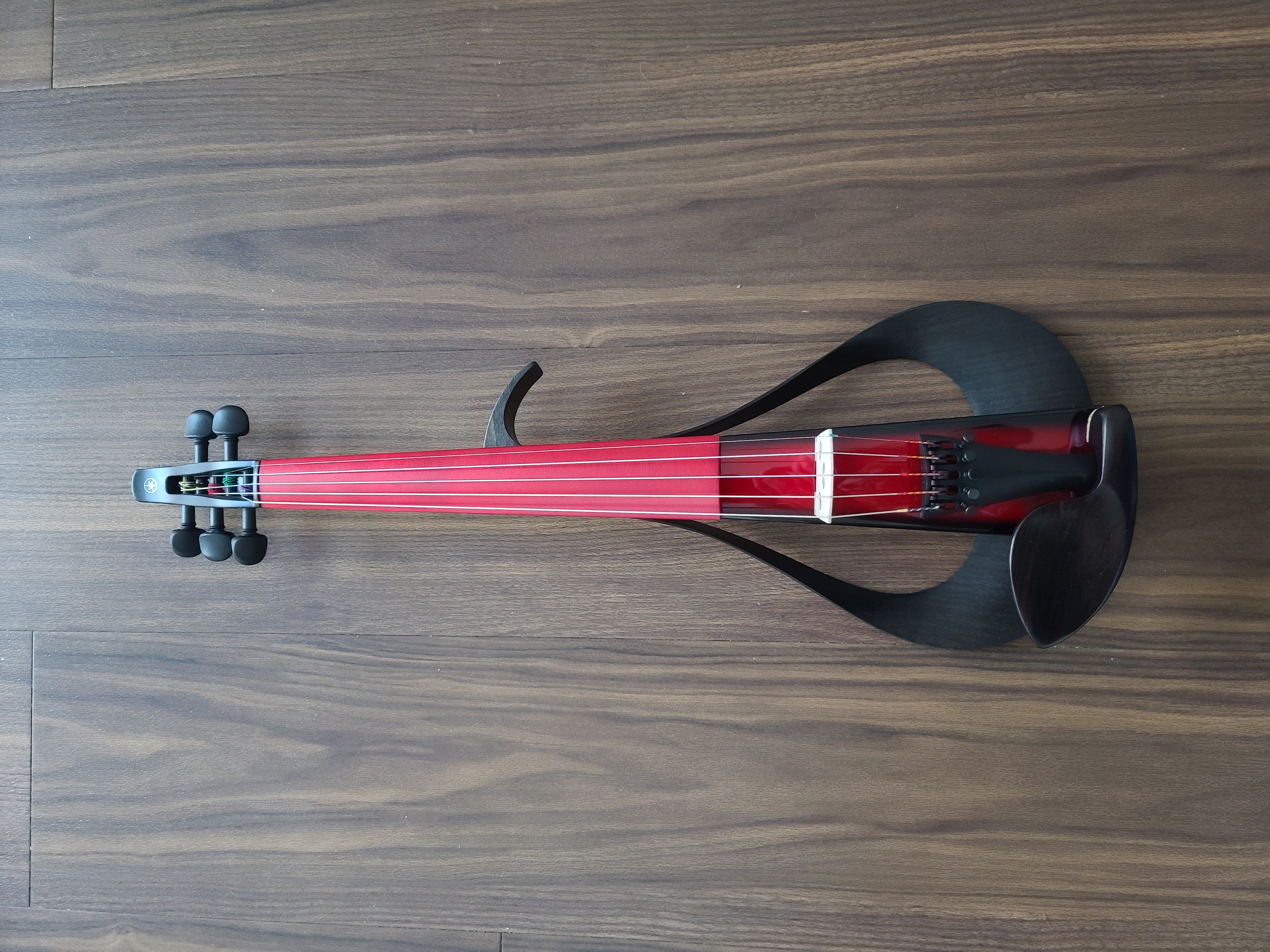
Can an electric violin be completely silent?
No electric violin is completely silent. The instrument still creates small physical sounds when you bow, press the strings, or move your fingers. However, the amplified part can be nearly silent to other people when you use headphones.
This distinction matters. “Silent violin” usually means silent amplification, not zero sound. The player may still hear:
• Bow hair moving across the string
• Fingers tapping or sliding
• The bow touching the bridge or fingerboard
• Fine tuners clicking
• The instrument vibrating against the body
For the quietest practice, use a solid-body model with headphones. Play with a relaxed bow grip and smooth bow changes. Avoid pressing too hard, because heavy bow pressure creates more scratch and physical noise.
You can also reduce room noise by placing a rug under your chair and closing doors. Soft curtains and furniture absorb some sound. These steps will not make the instrument silent, but they can make practice less noticeable.
One common mistake is buying an electric violin for apartment practice and assuming that every model has the same noise level. Read the product specifications carefully. Check whether the instrument has a headphone jack, a solid body, and a suitable output system.

How electric violin sound compares with acoustic violin sound
An acoustic violin produces sound through resonance. Its tone depends heavily on the wood, shape, bridge, sound post, strings, bow, and setup.
An electric violin depends more on its pickup, preamp, amplifier, cables, and effects. It can sound warm and natural, but it may also sound sharp, nasal, compressed, or synthetic if the signal chain is poor.
The biggest differences include:
• Volume control: Electric violins let you raise or lower volume easily.
• Effects: You can add reverb, delay, distortion, and looping.
• Feedback control: Solid electric bodies often resist feedback better.
• Tone response: Amplification may change the balance of low, middle, and high tones.
• Practice flexibility: Headphones make private practice easier.
• Acoustic projection: Traditional violins usually sound fuller without equipment.
An electric violin is not automatically better or worse. It solves different problems. It is useful for amplified performances, modern music, recording, effects, and quiet practice. An acoustic violin may be better for classical lessons, chamber music, auditions, and settings where natural tone matters most.
If you want one instrument for every situation, some players keep both. The acoustic violin gives a natural response, while the electric violin offers volume control and technology.
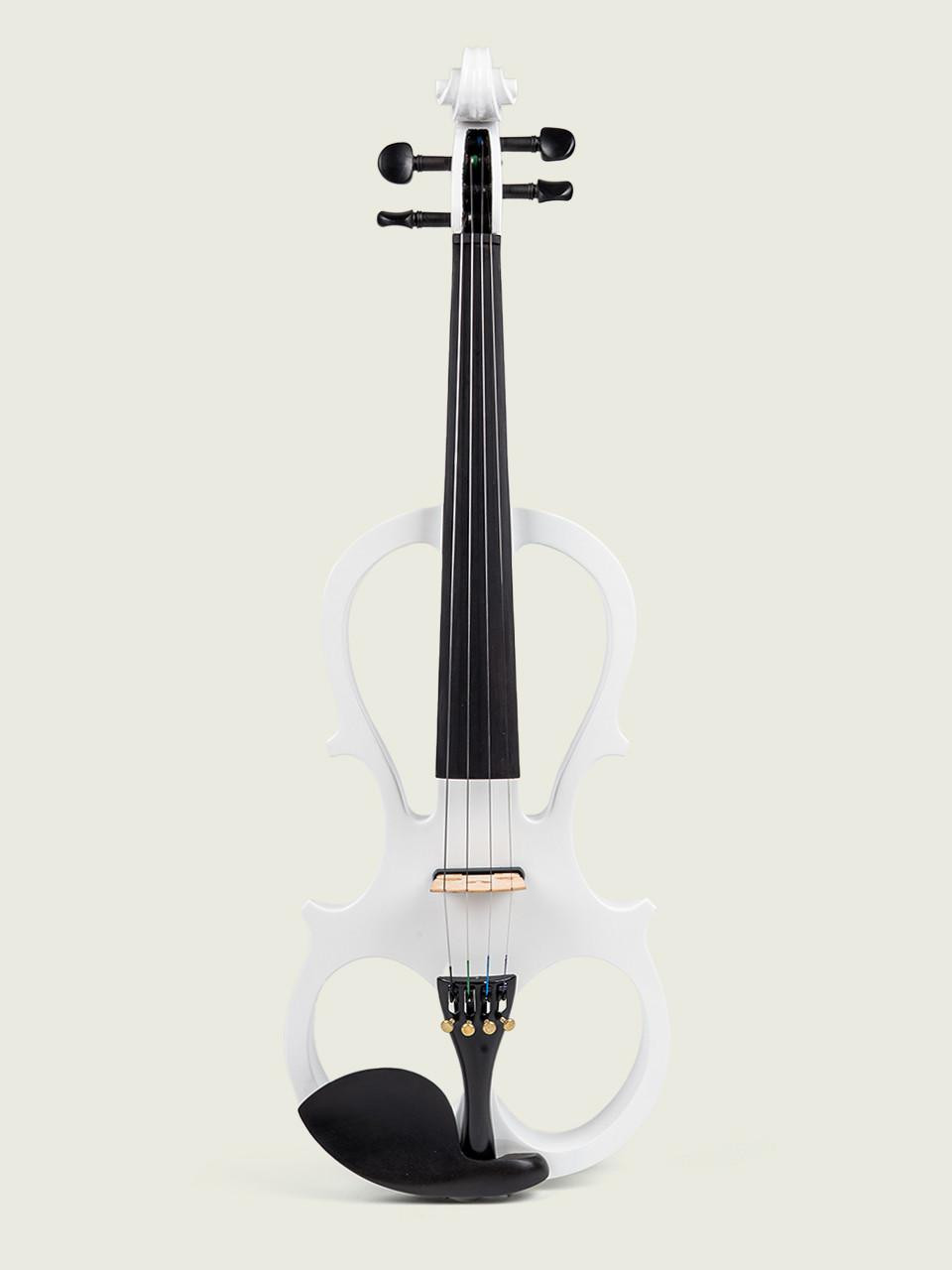
What affects the noise level of an electric violin?
Several design and playing factors affect how much sound an electric violin makes. Understanding them helps you choose the right model and avoid false expectations.
Body design
Solid-body instruments usually create less unplugged sound. Hollow-body instruments often produce more natural volume but may be more sensitive to feedback.
Strings
Steel strings, synthetic-core strings, and other string types can change both physical noise and amplified tone. The best choice depends on the pickup and the player’s style.
Pickup type
Piezo pickups may produce a direct and bright signal. Magnetic pickups can create a different tone but may require specific strings. A poor pickup can add hiss, harshness, or unwanted noise.
Bridge and setup
A badly fitted bridge can reduce response and create uneven volume between strings. Professional setup improves playability, tuning, and signal balance.
Cable and power
A damaged cable can cause crackling, hum, or intermittent sound. Active violins may also need a battery. A weak battery can make the instrument quiet or distorted.
Amplifier settings
Too much gain can create hiss and feedback. Too little gain can make the violin sound weak. Begin with a clean channel and adjust one control at a time.
Playing technique
Hard bow pressure can produce scratchy noise. A loose grip, steady bow speed, and balanced contact point usually create a cleaner signal.
How to reduce unwanted electric violin noise
Unwanted noise can come from the instrument, cable, electronics, room, or technique. Use a step-by-step approach instead of changing everything at once.
-
Replace the battery if the violin uses an active circuit.
-
Test another instrument cable.
-
Turn down amplifier gain and raise the clean volume slowly.
-
Move away from power supplies, phone chargers, and large electronic devices.
-
Check that the cable fits firmly in the output jack.
-
Inspect the bridge and pickup for movement or damage.
-
Try another amplifier or audio interface.
-
Use a noise gate only after fixing the main problem.
Ground hum often comes from electrical interference or a poor connection. A noise gate may hide quiet background noise, but it cannot repair a damaged cable or faulty pickup.
Keep instrument cables away from power cords when possible. Do not use extremely cheap cables for stage work. A reliable cable is a small investment that can prevent major frustration.
If the problem continues, have a qualified instrument technician inspect the violin. Avoid opening the electronics unless you understand the circuit and accept the risk of damage.
Is an electric violin good for beginners?
An electric violin can suit a beginner, but it should not replace good instruction or a proper setup. The instrument still requires bow control, posture, left-hand placement, rhythm, and accurate intonation.
Some beginners choose electric violins because they want to practice quietly. That can be helpful, especially in an apartment or shared home. However, headphone use may hide problems that would be easier to hear in a natural acoustic tone.
A new player should consider:
• Whether the violin feels comfortable under the chin
• Whether the bridge and strings are properly set up
• Whether the instrument works with headphones
• Whether lessons will use an acoustic violin
• Whether the controls are simple enough to manage
My practical advice is to try the instrument with a teacher or experienced violinist before buying. A low-cost electric violin with poor setup can make learning harder. A well-set-up beginner instrument may cost more, but it can save time and discomfort.
Use headphones for short practice sessions, then occasionally play through a clean speaker or acoustic violin. This helps you hear tone, bow noise, and intonation more honestly.
Choosing an electric violin for quiet practice
If your main goal is quiet practice, focus on the entire system rather than the violin alone. A model with a headphone jack is convenient, but the headphones and output quality matter too.
Look for these features:
• Solid or low-resonance body
• Built-in headphone output
• Volume control within easy reach
• Comfortable shoulder rest and chin rest
• Stable tuning machines
• A reliable bridge pickup
• Standard cable compatibility
• Replaceable batteries if an active preamp is included
Try the violin while standing and sitting. Some electric models feel heavier or balance differently than acoustic violins. A poor balance can cause shoulder tension, even if the instrument sounds good.
Also check the return policy. Electric violin tone can vary widely between brands and models. Online descriptions cannot fully show how an instrument feels under the bow.
Do electric violins make noise in a way that suits your home? Test the unplugged sound from a nearby room. Then test headphones at a safe volume. This simple check gives you a better answer than a product advertisement.
Electric violin recording and live performance tips
Electric violins work well for recording because they can send a direct signal to an audio interface. This reduces room noise and gives you control over the tone during mixing.
A basic recording chain may include:
• Electric violin
• Instrument cable
• Audio interface
• Digital audio workstation
• Headphones or studio monitors
Add reverb carefully. A small amount can make the violin feel natural. Too much reverb can blur fast notes and make timing hard to judge.
For live performance, carry spare batteries, cables, and strings. Test the output before going on stage. Check the monitor level and keep the violin away from the speaker when possible.
If the violin sounds thin, do not immediately increase treble. Try adding a little midrange or using a better amplifier. Many electric violin tones become harsh when players use excessive high frequencies.
Direct boxes and preamps can help match the instrument to a venue’s sound system. Ask the sound engineer what connection they prefer. Clear communication prevents last-minute problems.
Frequently Asked Questions About Do Electric Violins Make Noise
Do electric violins make noise when turned off?
Yes, they can make a soft acoustic sound when turned off or unplugged. The volume is usually much lower than that of a traditional acoustic violin, especially with a solid-body model.
Can neighbors hear an electric violin?
Neighbors may hear the physical sound of bowing and finger movement, but they usually will not hear the amplified signal when you use headphones. Thin walls and very quiet homes can make even small playing sounds noticeable.
Do electric violins need an amplifier?
They do not always need an amplifier for basic unplugged practice, but an amplifier is needed for full volume and performance. You can also use headphones through a compatible headphone system.
Are electric violins quieter than acoustic violins?
Most solid-body electric violins are much quieter than acoustic violins when unplugged. Hollow-body models can be louder, but they still usually produce less natural volume than a standard acoustic violin.
Can you use headphones with an electric violin?
Yes, but the violin must have a headphone output or connect to a device that supports headphones. Never assume that a standard instrument output can power headphones directly.
Why does my electric violin sound noisy through an amplifier?
The cause may be a weak battery, damaged cable, electrical interference, high gain, feedback, or a pickup problem. Test each part of the signal chain separately before seeking professional repair.
Do electric violins sound like acoustic violins?
They can sound similar, but the result depends on the pickup, preamp, amplifier, strings, and effects. A clean setup can sound natural, while poor settings may create a thin or harsh tone.
Conclusion
Do electric violins make noise? Yes, but their sound has two parts: quiet physical noise from the instrument and louder electronic sound from an amplifier or speaker. Solid-body models are often best for quiet practice, while headphones can make the amplified signal nearly silent to everyone else.
Choose a violin with the right pickup, output, body design, and setup for your needs. Start with safe volume levels, use reliable cables, and test the instrument before buying. If you are exploring electric violin playing, try a well-set-up model with headphones and share your experience or questions with other players.

Senior Music Reviewer
Alex Carter is a seasoned music reviewer with over a decade of experience in the world of sound and instruments. Passionate about helping musicians and enthusiasts make informed choices, he brings sharp insights and in-depth knowledge to every review. From classical instruments to modern gear, Alex combines technical expertise with a love for music to deliver content that resonates with readers.
As a Senior Music Reviewer and expert author on Tuneluma.com, Alex is dedicated to sharing honest evaluations, practical advice, and thoughtful commentary to guide readers in their musical journey.