What Is A Talking Drum: Meaning, History & How It Works
A talking drum is a tunable West African drum that changes pitch to imitate the rhythm and tone of speech.
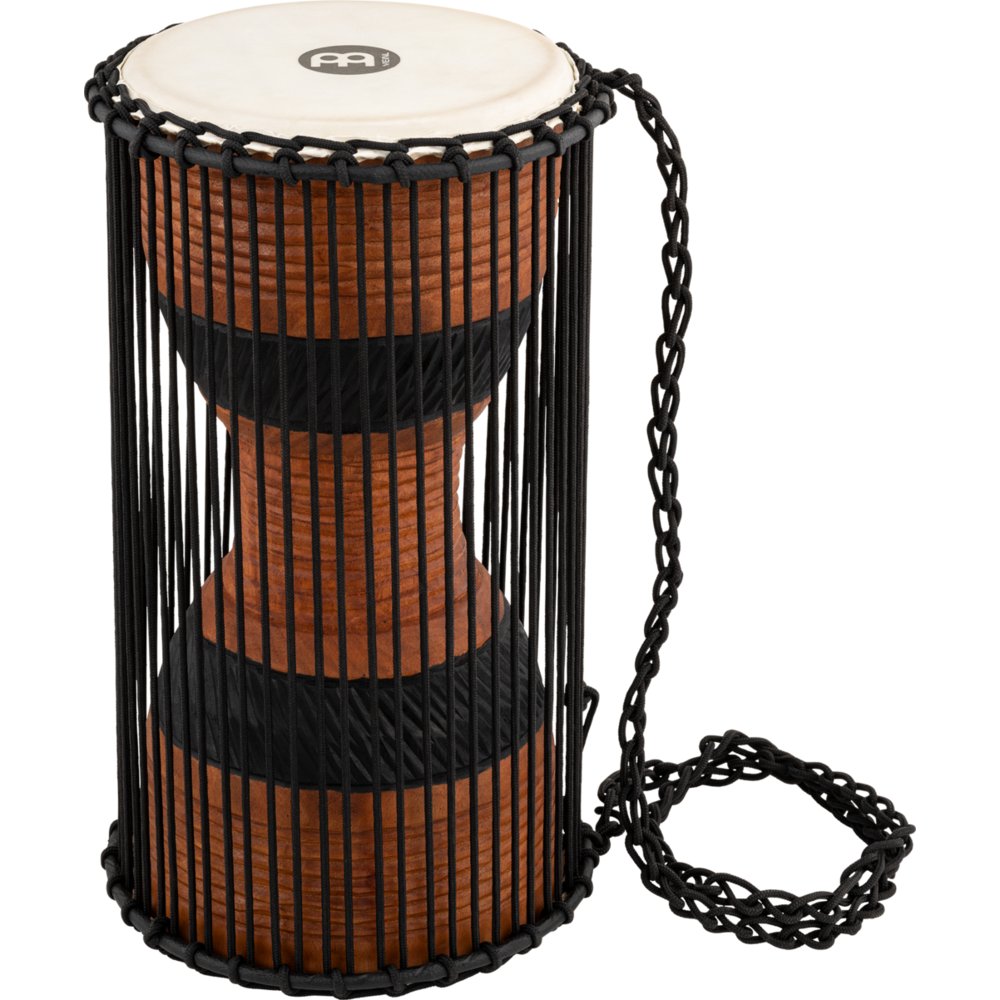
To understand what is a talking drum, picture a small hourglass-shaped instrument held under one arm and played with a curved stick. Its player can squeeze the drum’s cords to raise or lower the pitch, creating patterns that resemble spoken language. This guide explains its history, design, sound, cultural role, playing methods, and place in modern music.

What Is a Talking Drum?
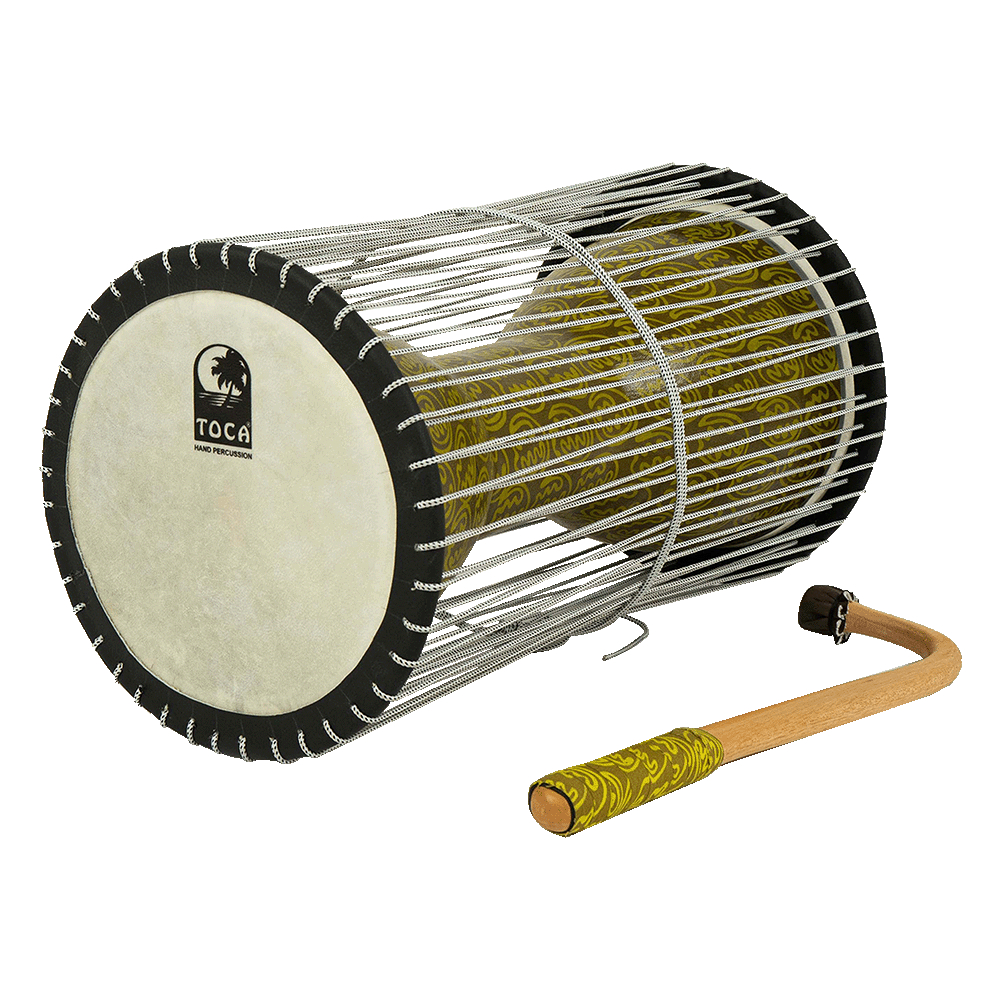
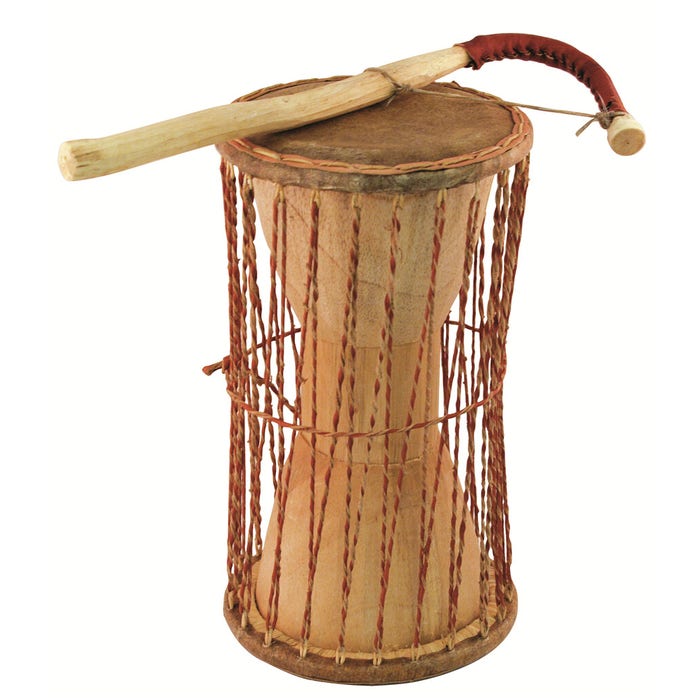
A talking drum is a hand drum with two heads joined by a narrow, curved body. Its tension cords connect the drumheads. When a player squeezes these cords under the arm, the drum’s pitch changes.
The best-known talking drums come from West Africa. They include the Yoruba dundun, the Hausa kalangu, and related drums found across Ghana, Nigeria, Senegal, Mali, and other regions. The term “talking drum” describes a family of instruments, not just one single design.
So, what is a talking drum in simple terms? It is a drum that uses pitch changes, rhythm, and tone color to echo the patterns of human speech. It does not speak words like a person, but skilled players can communicate ideas through sound.

How Does a Talking Drum Work?
A talking drum works through controlled changes in drumhead tension. The player places the drum under one arm and uses that arm to press the tension cords. This action pulls the drumheads tighter or lets them relax.
Tight drumheads create higher sounds. Looser heads create lower sounds. The player strikes the drum with a curved stick, often near the center or edge of the head, to produce different tones.
The basic playing process includes:
- Holding the drum under one arm.
- Striking the drumhead with a curved beater.
- Squeezing the tension cords to change pitch.
- Combining high and low tones into rhythmic patterns.
- Using pauses, accents, and repeated phrases to shape meaning.
This design makes the instrument different from a basic snare drum or bass drum. A snare drum can create varied rhythms, but its pitch usually stays within a much smaller range. A talking drum can move between tones quickly, almost like a musical voice.
Why pitch matters
Many West African languages are tonal. In a tonal language, pitch can change the meaning of a word. Talking drum players use this feature to create sound patterns that resemble spoken phrases.
Still, the drum does not copy every part of speech. Context, rhythm, local knowledge, and repeated phrases help listeners understand the message. In many traditions, drum language also uses set formulas that communities have learned over generations.
The History and Cultural Roots of Talking Drums
Talking drums have deep roots in West African societies. Exact dates are hard to confirm because many drum traditions were passed down through performance rather than written records. Oral historians, musicians, and community leaders preserved the knowledge.
The Yoruba dundun ensemble is one of the most widely studied examples. In Yoruba culture, the talking drum can support praise singing, royal ceremonies, religious events, dance, and public gatherings. A lead drum may interact with other drums and with the voice of a singer.
The talking drum also has important traditions among Hausa communities. The kalangu can serve as a praise drum, a performance instrument, and a tool for public communication. Other related drums appear in many parts of West Africa, each with its own name, shape, technique, and cultural meaning.
It is important not to treat all African drums as the same. Africa contains thousands of cultures and musical systems. The answer to what is a talking drum changes slightly from one community to another because local history shapes how the instrument is built and used.
More than a communication tool
Historical accounts often describe drums being used to send signals over distance. These signals could announce an event, warn a community, call people together, or mark the arrival of an important person.
However, a talking drum was never only a substitute for a telephone. It also carried status, memory, praise, humor, worship, and artistic expression. In many communities, the instrument connects music with identity and social life.

What Does a Talking Drum Sound Like?
A talking drum can sound deep, bright, sharp, soft, or highly expressive. Its tone depends on the drum’s size, wood, skin, tuning, stick, playing pressure, and performance style.
A skilled player may create short bursts that resemble syllables. The player can also make long rises and falls in pitch. When several drums play together, the result may sound like a conversation between musical voices.
The sound often includes:
• Low bass tones that give the rhythm weight
• High tones that add speech-like detail
• Fast rolls that build excitement
• Repeated phrases that support dancing or singing
• Sudden pauses that create drama
People who hear a talking drum for the first time may notice its voice-like quality. That quality comes from pitch movement, not from the drum producing literal words.
Talking Drum Types and Related Instruments
The phrase “talking drum” covers several related instruments. Their shapes and roles may differ, even when they share a tension-cord system.
Yoruba dundun
The dundun is an hourglass-shaped pressure drum used in Yoruba music. It often appears in a set with other drums. The iya ilu, or “mother drum,” commonly leads the ensemble and responds to singers, dancers, or other musicians.
Hausa kalangu
The kalangu is a West African pressure drum linked strongly with Hausa musical traditions. Players use pitch changes and rhythmic phrases in praise music, celebrations, and public performance.
Ghanaian talking drums
Ghana has several drums that can produce speech-like patterns. Some are used in traditional ensembles, festivals, ceremonies, and popular music. The exact construction and playing method can vary by ethnic group.
Related pressure drums
Similar instruments exist in parts of West Africa and beyond. Some have two heads, while others have different body shapes or playing techniques. A related drum may be called a talking drum by sellers, even if local musicians use another name.
When buying or studying one, check the instrument’s specific cultural name. This approach shows respect and gives you better information about its proper tuning, technique, and role.

How Talking Drums Communicate
Talking drums communicate through a blend of pitch, rhythm, tone, and cultural context. A player may imitate the pitch movement of a phrase or use a traditional rhythmic pattern linked with a known message.
In tonal languages, high and low tones can carry meaning. The drum can reflect those changes. Yet the player may also lengthen sounds or add extra drum strokes because the drum has no direct way to reproduce every consonant and vowel.
A drum message often becomes clearer when used with:
• A known praise name
• A traditional saying
• A song lyric
• A repeated community phrase
• A visible ceremony or public event
This is why the answer to what is a talking drum includes both technology and culture. The instrument itself creates changing pitches, but people provide the shared meaning.
Can anyone understand the message?
Not always. A trained listener from the same musical and language tradition may understand a drum phrase quickly. Someone unfamiliar with the language may hear only an expressive rhythm.
This limitation is normal. Spoken language also depends on shared vocabulary and context. A talking drum works best when the performer and listener share cultural knowledge.
How to Play a Talking Drum
Learning to play a talking drum takes coordination. You must control the drum with one arm, strike it with the other hand, and listen closely to pitch changes.
Start with a drum that is well made and properly tuned. A loose or damaged drum can make learning harder. Sit or stand in a relaxed position, and keep your shoulders free of tension.
Beginner practice steps
- Hold the drum under your arm without squeezing too hard.
- Strike the center of the head with the curved stick.
- Practice low and high tones in slow pairs.
- Add simple three- or four-beat rhythms.
- Move between tones while keeping a steady pulse.
- Copy short patterns from an experienced teacher.
- Record your practice and listen for uneven pressure.
Your first goal should be control, not speed. Many new players squeeze too hard and produce strained sounds. Others strike too forcefully and lose the soft tones that make the drum expressive.
A practical learning tip
Use a simple vocal phrase as a rhythm guide. Speak the phrase slowly, then try to match its rises and falls with the drum. This method helps connect the voice, hand, and ear.
Learning from a culture-bearing musician is especially valuable. A teacher can show you how to hold the drum, where to strike, and which rhythms carry cultural meaning. Online videos can help, but they cannot replace personal correction and context.
Uses of the Talking Drum Today
Talking drums remain active in traditional ceremonies, concerts, dance performances, teaching programs, and recording studios. They are also used in jazz, world music, hip-hop, pop, theater, and film scores.
Modern musicians often use the drum for its flexible pitch and strong rhythmic character. It can add a human voice-like layer to a song without using a singer. Producers may record a live drum, sample it, or combine it with electronic sounds.
Common uses include:
• Traditional festivals and ceremonies