How Much For A Guitar: 2026 Price Guide
A guitar can cost $100 for a basic beginner model or more than $3,000 for a professional instrument.
Knowing how much for a guitar depends on the type, materials, brand, condition, and features you need. A good first guitar does not have to cost a fortune, but the cheapest option is not always the best value. This guide breaks down real-world guitar prices, hidden costs, and smart buying tips so you can choose with confidence.
How Much for a Guitar?
For most players, how much for a guitar falls between $150 and $1,500. That range covers basic acoustic guitars, quality electric guitars, advanced instruments, and many dependable used models.
Here is a simple price guide:
• $100 to $200: Basic beginner guitars
• $200 to $500: Reliable student and intermediate guitars
• $500 to $1,000: Higher-quality intermediate and performance guitars
• $1,000 to $3,000: Professional guitars and premium models
• More than $3,000: Custom, vintage, boutique, or collectible guitars
The best price depends on your goals. A casual player may be happy with a $200 acoustic guitar. A gigging musician may need a $700 electric guitar with stronger hardware and better electronics.
It also helps to separate the guitar price from the full setup cost. An electric guitar needs an amplifier, cable, tuner, and possibly pedals. An acoustic guitar usually needs fewer extras, but a case, tuner, strap, and new strings still add to the budget.

Guitar Price Ranges by Type
Different guitar types have different parts, production costs, and price points. Understanding these differences makes it easier to decide how much for a guitar before you visit a store.
Acoustic guitars
Acoustic guitars create sound through the vibration of their strings and wooden body. They do not need an amplifier, which makes them a simple choice for beginners.
Typical acoustic guitar prices include:
• $100 to $200: Entry-level models with laminated wood and basic hardware
• $200 to $500: Better beginner and intermediate guitars with improved tone and comfort
• $500 to $1,500: Solid-top guitars with stronger projection and more detailed sound
• $1,500 and up: Premium, handmade, vintage, or professional instruments
A $150 acoustic guitar can work well for learning simple chords. However, a guitar with poor fretwork or high action may make your fingers hurt and slow your progress. Spending closer to $250 or $400 often gives you a more comfortable playing experience.
Electric guitars
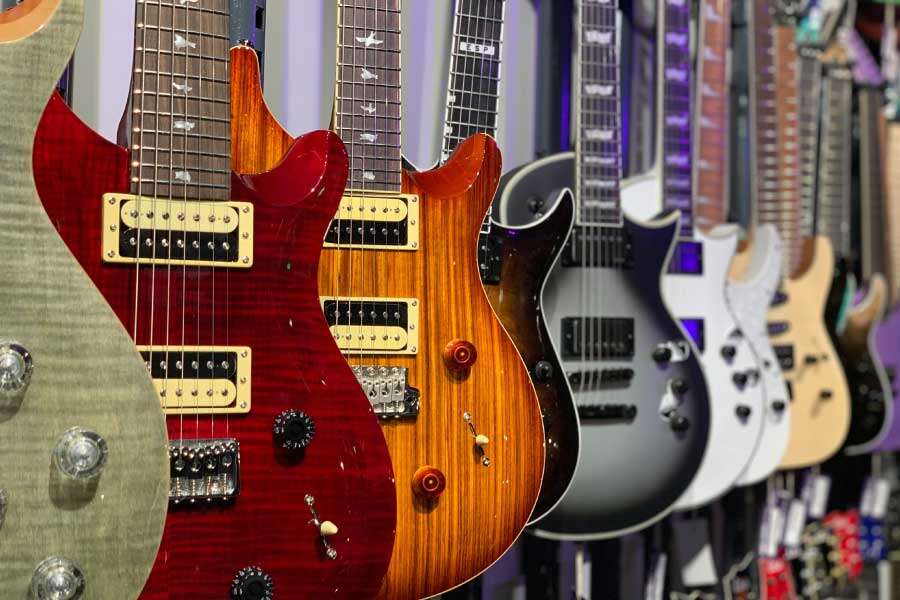
Electric guitars need an amplifier to produce their full sound. Their price depends on the body material, pickups, bridge, neck quality, electronics, and brand.
Typical electric guitar prices include:
• $150 to $300: Entry-level electric guitars
• $300 to $700: Strong beginner and intermediate models
• $700 to $1,500: Professional-quality production guitars
• $1,500 and up: Premium, custom, vintage, and artist models
A low-cost electric guitar can be a good choice if the frets are smooth and the tuning machines work well. A guitar with cheap pickups can still be fun to play, because pickups can be upgraded later.
Classical guitars
Classical guitars use nylon strings. They have wider necks and a softer tone than most steel-string acoustics.
Many beginner classical guitars cost between $120 and $400. Higher-end concert models can cost $1,000 or more.
Classical guitars suit traditional classical music, flamenco, folk styles, and players who prefer softer strings. They are not always the best choice for someone who wants to play rock or modern country.
Bass guitars
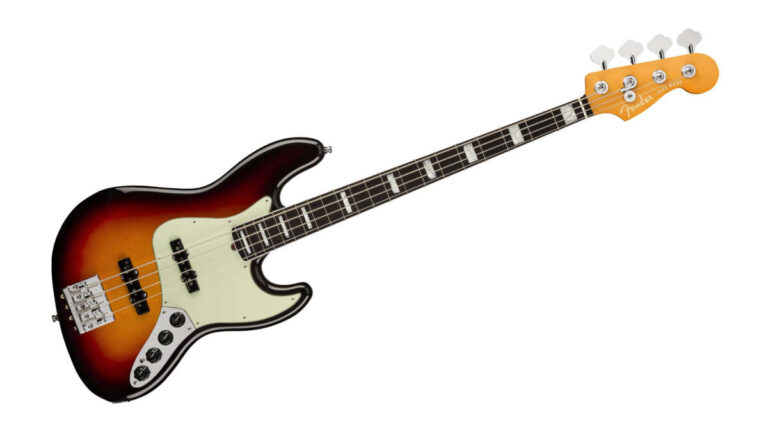
Bass guitars usually cost about the same as electric guitars, although high-end basses can become much more expensive.
• $180 to $350: Beginner basses
• $350 to $800: Intermediate basses
• $800 to $2,000: Professional basses
• More than $2,000: Custom and boutique basses
Remember that a bass needs a bass amplifier. A regular guitar amp may not handle low bass frequencies safely at high volume.

What Makes a Guitar More Expensive?
When asking how much for a guitar, it helps to know what drives the price. A higher price does not guarantee a better fit, but it often pays for better materials, skilled labor, and quality control.
Wood and construction
Some acoustic guitars use laminated wood. Others use solid wood for the top, back, or sides. Solid wood often offers a more open tone, but it can cost more and needs better care.
Electric guitar prices may rise because of the body wood, neck construction, finish, and labor. These details affect weight, tone, comfort, and durability.
Hardware
Hardware includes tuning machines, bridges, nuts, saddles, and strap buttons. Good hardware helps the guitar stay in tune and makes adjustments easier.
Poor tuning machines can make a new player think they are playing badly. In reality, the guitar may simply struggle to hold pitch.
Pickups and electronics
Electric guitar pickups shape much of the instrument’s sound. Single-coil pickups often provide a bright, clear tone. Humbuckers tend to sound thicker and fuller.
Active electronics, coil-splitting, built-in preamps, and advanced switching can increase the price. More features are useful only when they match your style.
Fretwork and setup
Fretwork is one of the biggest differences between a cheap guitar and a well-made guitar. Smooth fret ends, a level fingerboard, and correct string height make a guitar easier to play.
A professional setup may cost $50 to $150. That service can improve a modest guitar more than an expensive accessory can.
Brand and reputation
Established brands often charge more because they invest in design, quality checks, warranties, and customer support. You may also pay more for a signature model or a famous logo.
Brand name matters, but it should not be your only guide. A less famous guitar with strong construction may offer better value.

How Much Should a Beginner Spend on a Guitar?
Most beginners should plan to spend $200 to $500 on the guitar itself. This range usually offers better comfort, tuning stability, and long-term value than the very cheapest instruments.
You can start below $200, especially with a used guitar. Still, inspect it carefully. A bargain is not useful if the neck is warped, the bridge is lifting, or the frets feel sharp.
A practical beginner budget may look like this:
• Acoustic guitar: $200 to $400
• Electric guitar: $250 to $500
• Small amplifier: $100 to $200
• Strap, tuner, picks, and strings: $30 to $80
• Gig bag or case: $40 to $150
This means a complete electric guitar setup may cost $400 to $900. An acoustic setup may cost $250 to $600.
One lesson I often share with new players is simple: choose the guitar you will want to pick up every day. A comfortable guitar can support practice better than a costly model that feels awkward.