Can You Tune A Piano Yourself: A Safe DIY Guide
Yes, you can tune a piano yourself, but it takes patience, proper tools, and careful technique.
The question “can you tune a piano yourself” has a more detailed answer than a simple yes or no. An upright or grand piano can be tuned at home, but piano tuning is precise work. A small mistake can damage strings, loosen tuning pins, or leave the piano sounding worse. This guide explains what the job involves, how to do it safely, and when hiring a professional is the wiser choice.
Can You Tune a Piano Yourself?
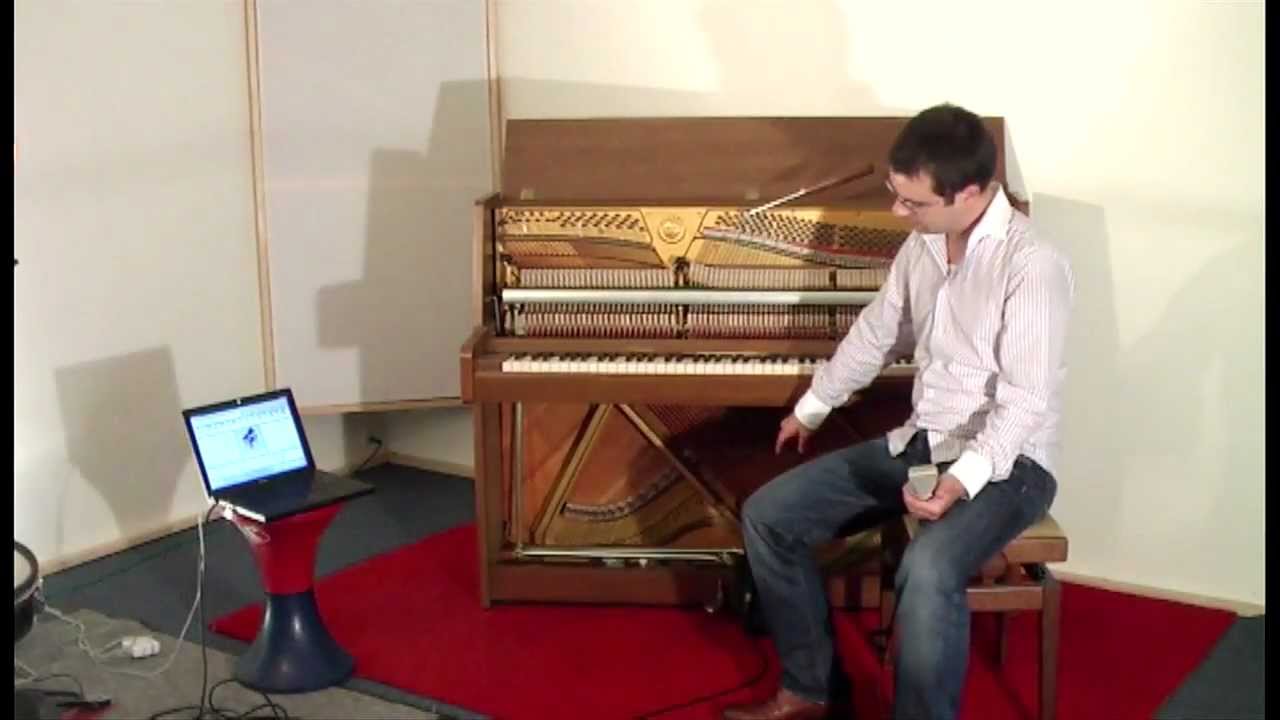
Yes, you can tune a piano yourself if you are willing to learn the basics and work slowly. Many piano owners tune one or two notes as a learning project. Some also perform small touch-ups between professional visits.
However, tuning an entire piano is not like tuning a guitar. A piano may have more than 200 strings and roughly 200 tuning pins. Each string holds high tension, and many notes use two or three strings that must sound as one.
When people ask, “can you tune a piano yourself,” they often mean one of two things:
• Can you correct a few notes that sound wrong?
• Can you tune every note to concert pitch?
The first task is possible for many careful beginners. The second takes much more skill.
A piano tuner does more than match notes to a digital reading. The tuner also sets the temperament, balances unisons, checks the piano’s pitch, and makes sure the tuning remains stable. These details are why a piano may sound “almost right” but still feel unpleasant to play.
The Piano Technicians Guild treats tuning as a skilled technical service. That view makes sense. A piano is both a musical instrument and a complex machine. You need musical judgment, mechanical control, and patience.

What Piano Tuning Actually Does
Piano tuning adjusts the tension of each string so the strings produce the correct musical pitch. The tuning pin controls this tension. Turning the pin changes the pitch, much like turning a peg on a string instrument.
Most modern pianos use equal temperament. This system divides the octave into twelve notes so the piano can play in every key. The notes are not tuned as simple mathematical intervals. Instead, each note is adjusted slightly to create a balanced sound across the keyboard.
A piano tuner must manage three main areas:
• Pitch: The note must be close to the correct frequency.
• Temperament: The central notes must relate properly to one another.
• Unisons: Multiple strings for one note must match closely.
For example, a middle C note may have two or three strings. If one string is slightly sharp, you may hear a wavering sound. This wavering is called a beat. Skilled tuners use beat speed to judge whether intervals and unisons are properly aligned.
Digital tuners help, but they do not replace trained listening. A microphone may detect a frequency while missing the musical effect of a poor unison. This is one reason professional tuners often use both electronic tools and their ears.

Tools You Need to Tune a Piano
If you are asking, “can you tune a piano yourself,” start by getting the right tools. Never use a household screwdriver or an improvised tool on a tuning pin.
Basic piano tuning tools include:
• A piano tuning lever: This fits the square head of the tuning pin.
• A rubber or felt mute: This silences selected strings during unison tuning.
• A digital chromatic tuner: This gives you a pitch reference.
• A temperament strip: This helps mute groups of strings in the middle section.
• A flashlight: This helps you see pins, strings, and dampers inside the piano.
• Protective eyewear: This provides extra safety around tightly stretched strings.
• A stable bench: You need a steady position while making small adjustments.
Choose a tuning lever with a proper piano tip. A cheap or poorly fitted lever may slip and damage the tuning pin. A long lever gives more control, but it can also create too much force in inexperienced hands.
Many beginners buy a basic tuning kit online. These kits may include the main tools, but quality varies. A reliable digital tuner and a well-made lever are more important than owning a large collection of accessories.
Avoid tuning apps as your only tool. Phone microphones can be affected by room noise, piano tone, and low frequencies. An app may help with a rough check, but it is not always accurate enough for complete piano tuning.

How to Tune a Piano Yourself
If you decide to learn, begin with one note. Do not start by turning random tuning pins across the entire keyboard.
1. Inspect the piano first
Open the piano carefully and look for visible problems. Check for broken strings, loose tuning pins, cracked bridges, damaged soundboard areas, and sticking keys.
Do not tune a piano with serious structural damage unless a qualified technician has inspected it. A loose pin may not hold pitch, and a damaged string can break during tuning.
Also check the piano’s pitch. Compare several notes with a reliable tuner. If most notes are far below standard pitch, the piano may need a pitch raise before regular tuning.
2. Learn the tuning pin layout
Each tuning pin controls one string or one group of strings. On an upright piano, the pins are usually near the top. On a grand piano, they are arranged along the tuning pin block.
Move the lever in very small amounts. A movement that feels tiny can change the pitch more than expected. Never force a stiff pin.
3. Tune a single string
Choose a note with one string, often in the lower or upper range. Mute nearby strings so you can hear the target string clearly.
Use the lever to raise or lower the string toward the target pitch. Most beginners find it safer to approach the final pitch from slightly below. If you pass the target, lower the pitch below it and raise it again.
This process helps settle the string and pin. It also teaches you how much movement the lever produces.
4. Tune unisons
Once one string is close, remove the mute from the other strings. Listen for the wavering beat between them.
Make tiny adjustments until the beat disappears or becomes extremely slow. Do not rely only on the visual tuner. A note may show the correct frequency while the strings still sound rough together.
This is often the hardest part for beginners. The ear must detect small differences in pitch. A clean unison sounds focused and calm. A poor unison sounds like a soft siren.
5. Set the middle temperament
The middle section of the piano usually contains the notes used to establish the temperament. Professional tuners use a planned sequence of intervals rather than tuning notes in random order.
A common approach is to establish A4 at approximately 440 Hz, then tune a temperament octave around the middle of the keyboard. The exact method may vary by piano, pitch standard, and musical use.
A digital tuning program can guide this process. Some programs are designed for piano tuning and account for inharmonicity, which means piano strings do not vibrate like perfect mathematical strings.
6. Tune outward from the temperament
After setting the central notes, tune the rest of the keyboard by octaves and related intervals. Check each note several times as you move across the piano.
Do not expect the first pass to be perfect. Adjusting one string can slightly affect nearby strings and the overall tension of the instrument. Professional tuners often make more than one pass.
7. Stabilize the tuning
After tuning a note, test it with normal playing force. Pressing the key firmly can reveal whether the pitch changes.
A stable tuning pin should remain in place after careful adjustment. If the pitch moves sharply, the pin may be loose, or the string may not be seated properly around the bridge or agraffe.
This step is where patience matters most. Piano tuning is closer to balancing a delicate structure than turning a simple knob.

Common Mistakes Beginners Make
Knowing can you tune a piano yourself is useful, but knowing what not to do is just as important. Most damage comes from rushing, using too much force, or misunderstanding the purpose of the tuning pin.
Avoid these common mistakes:
• Turning the lever too far: A small movement can create a large pitch change.
• Pulling up on the lever: Use controlled pressure rather than a sudden jerk.
• Tuning without muting: Nearby strings can make it hard to identify the target string.