How Much Does Piano Tuning Cost: A 2026 Price Guide
On average, piano tuning cost ranges from $100 to $250 per visit, depending on your location, piano condition, and expertise.
Understanding how much does piano tuning cost is a vital part of being a responsible piano owner. I remember the first time I purchased a vintage upright; I was shocked to find that the instrument was far more complex than just pressing keys. Over the years, I have learned that regular maintenance is not an optional expense if you want to protect your investment. Whether you own a family heirloom or a modern grand, knowing how much does piano tuning cost helps you budget effectively for the health of your instrument. Let’s dive into the factors that influence these prices so you can find the right professional for your needs.
Factors Influencing Piano Tuning Cost
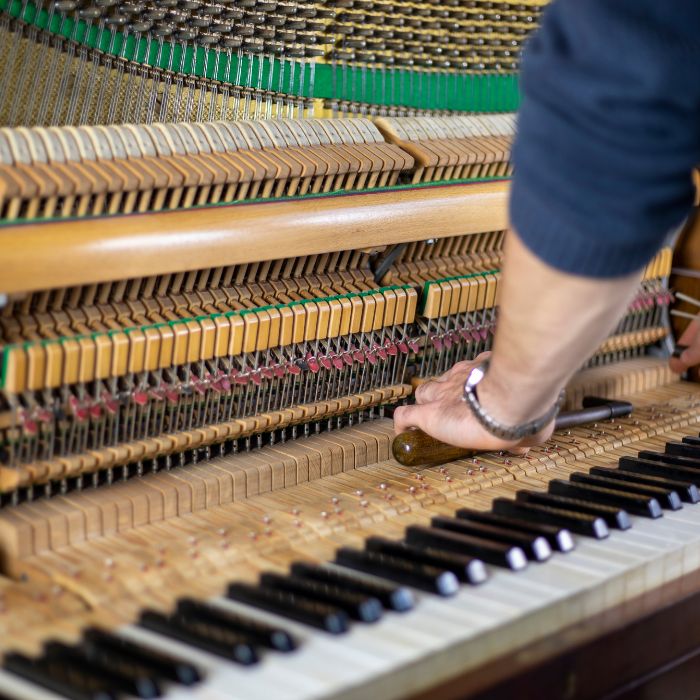
Several variables dictate the final bill you receive from a technician. A standard tuning session is rarely just a simple adjustment of pins. If your instrument has not been touched in years, you might face additional charges.
- Technician Experience: Highly certified technicians with decades of experience usually charge more than apprentices. You are paying for their ear, their speed, and their ability to diagnose underlying mechanical issues.
- Piano Condition: If the piano is significantly flat, the technician may need to perform a pitch raise before the fine tuning. This effectively doubles the work and, consequently, the price.
- Travel Fees: If you live in a remote area, many professionals include a trip charge to cover their fuel and time. Always ask if your location falls within their standard service radius.
- Piano Type: Grand pianos and older uprights often require more intricate handling. Some tuners charge a premium for the physical labor involved in working on larger, more complex grand actions.
Other cost drivers
- Additional repairs: Broken strings, sticky keys, worn hammer felts, or a loose pinblock add to labor and parts costs.
- Pitch standard: Most tuners tune to A = 440 Hz. If you ask for a different reference pitch, it may take more time.
- Local market: Urban areas and regions with higher costs of living often see higher piano tuner rates.

Why You Should Never Skip Regular Tuning
Many people ask how much does piano tuning cost because they want to know if they can stretch the time between appointments. While it is tempting to skip a year, this often leads to higher costs down the road. Pianos contain over two hundred strings, each under high tension. When you let these strings go out of tune, the stress balance on the soundboard changes.
I once avoided tuning my studio piano for two years to save money, only to find that it required a costly series of pitch raises to return to stability. Consistent maintenance keeps the metal pins and wooden pinblock in harmony. By budgeting for a professional visit every six to twelve months, you ensure that the instrument stays playable and responsive. It is much cheaper to maintain a healthy piano than to restore a neglected one.
How skipping tuning damages a piano
- Warped soundboard: Long-term tension imbalance can warp the soundboard. Repairs can be expensive.
- Loose tuning pins: Pins can slip if the pinblock dries or shifts. Re-pin or refinish work is costly.
- String breakage: Old, out-of-tune strings are more likely to snap, which can damage hammers or the cabinet.
Finding a Qualified Piano Technician
When researching how much does piano tuning cost, you should also prioritize the skill level of the person performing the work. A bad tuning can actually damage the tuning pins if done incorrectly. I always recommend looking for technicians who are members of recognized professional guilds or associations.
- Ask for Referrals: Local music teachers or concert halls are excellent sources for finding reliable tuners. They usually have a go-to expert they trust with their own instruments.
- Check Reviews: Look for online feedback regarding punctuality and professionalism. A good tuner communicates clearly about how much does piano tuning cost before they arrive at your door.
- Request a Quote: Most professionals are happy to provide a price estimate over the phone. Be prepared to share the make, model, and the date of the last tuning.
Credentials and groups to look for
- Piano Technicians Guild (PTG) or local equivalents. Members often follow industry best practices.
- Years of experience and references from concert venues or teachers.
- Specialty skills, for example in antique restorations, hammer voicing, or regulation work.
Typical price breakdown: what you pay for
Knowing how the cost breaks down helps you decide when to hire. Below is a simple guide to common charges.
- Standard tuning: $100–$175. Includes fine tuning to A = 440 Hz and minor regulation.
- Pitch raise: $150–$250. Needed when the piano has drifted far from concert pitch.
- Minor repairs (strings, pins, regulation): $50–$200 depending on parts and time.
- Major work (re-pin, soundboard, full action overhaul): $500 and up. These are restoration jobs, not routine tuning.
- Travel fee: $0–$50. Depends on distance and urban vs. rural location.
Example scenarios
- Well-maintained upright, city area: ~ $120 for a standard tune.
- Neglected vintage upright needing pitch raise: $200–$300 total.
- Concert grand with regulation and voicing: $250–$500, or more for full action work.
What to Expect During a Tuning
A good tuner will do several things. They will listen, inspect, and then tune. They may also point out small repairs that can prevent bigger problems. Expect them to:
- Check overall condition and last tuning date.
- Tune to the chosen pitch (usually A = 440 Hz).
- Do a pitch raise if needed, then fine tune.
- Note and quote any repair work needed beyond tuning.
- Answer your questions about maintenance and humidity control.
Tools and techniques
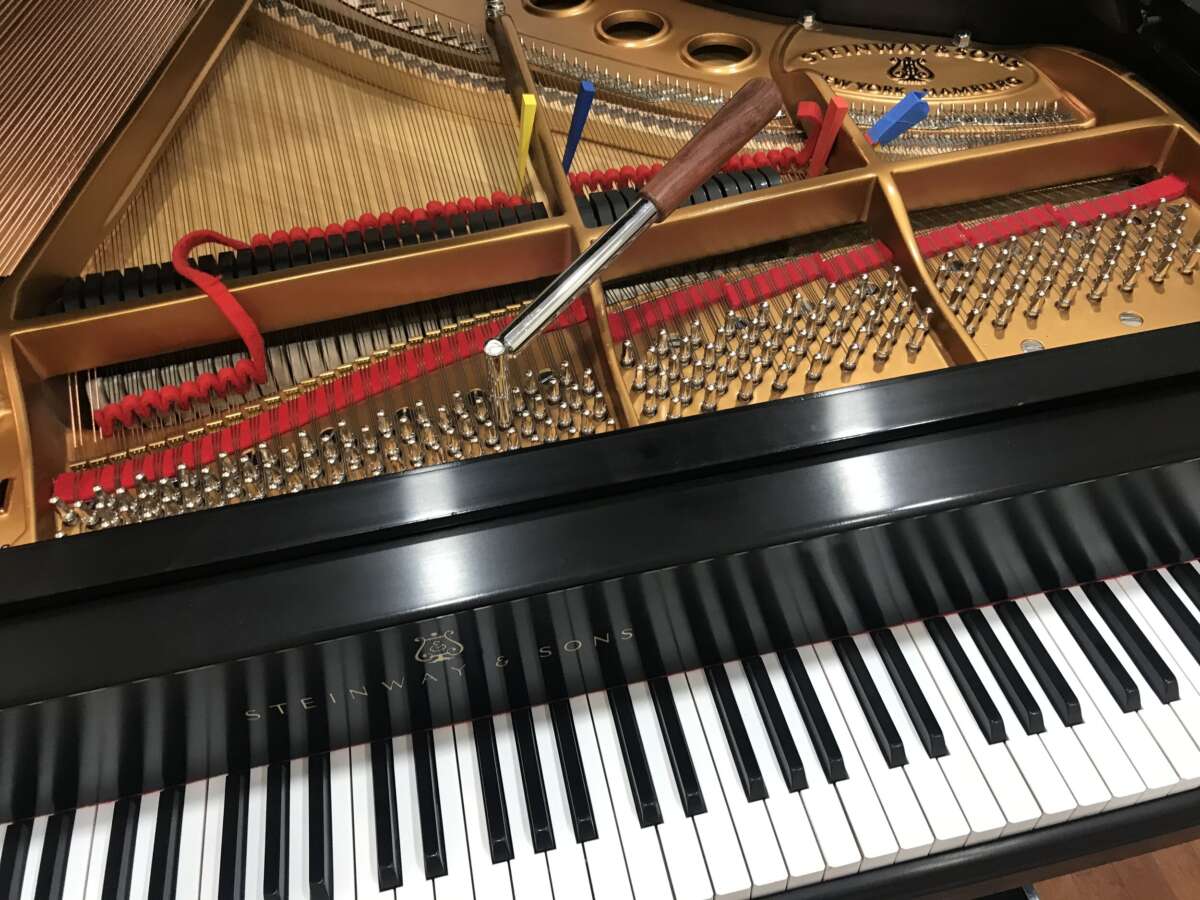
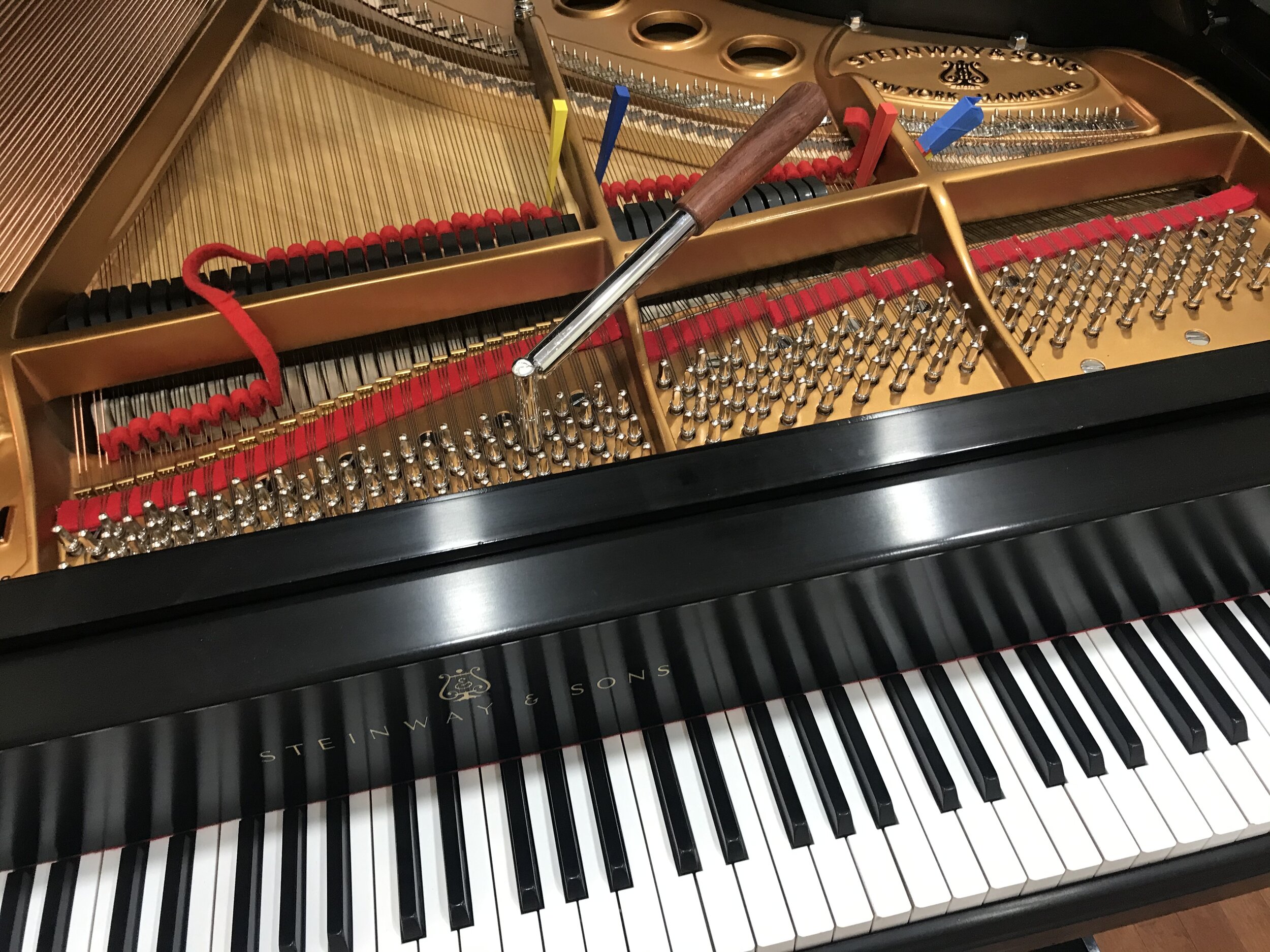
Most tuners use a tuning hammer and mutes. Many use an electronic tuner for a fast reference, then tune by ear for musical balance. Experienced tuners diagnose hammer wear, action regulation, and string condition quickly.
How to Prepare Your Piano for a Tuner
Preparing helps the visit go smoothly and keeps cost down. Simple steps you can take:
- Clear the area around the piano so the tuner can work comfortably.
- Remove objects on the piano—lamps, sheets, music books.
- Note any specific problems (sticky keys, buzzing, loose pedals) so you can tell the technician.
- If you have humidity control (e.g., Piano Life Saver), mention it. It helps tuners understand pitch stability.
Questions to Ask a Piano Tuner
- Are you a member of the Piano Technicians Guild or similar group?
- Do you carry insurance and a written estimate?
- Do you charge a travel fee?
- When was the piano last tuned and what pitch standard will you use?
- Can you provide references from local teachers or venues?

Frequently Asked Questions of how much does piano tuning cost
How often should I get my piano tuned?
Most manufacturers recommend tuning your piano at least twice a year to accommodate seasonal humidity changes. If you play professionally or live in an area with extreme weather shifts, you might need services more frequently.
Can I tune the piano myself to save money?
It is strongly advised against tuning your own piano unless you have formal training. Specialized tools are required, and improper technique can easily snap strings or permanently damage the tuning pins.
What is a pitch raise and why does it cost extra?
A pitch raise is required when a piano has dropped significantly below standard concert pitch. Because the technician must pull every string up to tension twice, it requires significantly more time and precision.
Do digital pianos require tuning?
Digital pianos do not have strings and therefore never require physical tuning. If your digital piano sounds out of tune, it is likely a software issue or a problem with the internal speakers.
Why is there a price difference between local tuners?
Prices vary based on the local cost of living and the technician's level of certification. While cheaper options may seem attractive, prioritize technicians who have a strong reputation for long-term instrument care.
Cost-saving tips and long-term care
Regular care saves money. Here are practical steps I follow and recommend:
- Tune twice a year for most home pianos. More often if used for lessons or gigs.
- Control humidity with a room humidifier or a piano-specific system. Aim for 40–50% RH.
- Address small repairs early. A sticky key or loose pedal left alone often leads to bigger work.
- Use a trusted local tuner. Long-term relationships mean the tuner knows your instrument’s quirks.
Conclusion
Determining how much does piano tuning cost is a simple way to protect the musical integrity of your home. While the investment might seem like a recurring burden, it is essential for the longevity of your instrument. By understanding the factors like experience and condition, you can make an informed decision that keeps your piano singing beautifully for years to come. Remember that a well-maintained piano is not just an object of furniture but a responsive partner in your musical journey. Start by scheduling an assessment with a local technician today and feel the difference that professional care makes in your playing experience.

Senior Music Reviewer
Alex Carter is a seasoned music reviewer with over a decade of experience in the world of sound and instruments. Passionate about helping musicians and enthusiasts make informed choices, he brings sharp insights and in-depth knowledge to every review. From classical instruments to modern gear, Alex combines technical expertise with a love for music to deliver content that resonates with readers.
As a Senior Music Reviewer and expert author on Tuneluma.com, Alex is dedicated to sharing honest evaluations, practical advice, and thoughtful commentary to guide readers in their musical journey.