Is A Keyboard The Same As A Piano

Is A Keyboard The Same As A Piano: Key Differences

No, a keyboard is not the same as a piano, although both use similar keys and musical notes.

The question “is a keyboard the same as a piano” has a simple answer, but the details matter. Both instruments can help you learn melodies, chords, and music theory. Yet they differ in sound, key action, features, price, and purpose. This guide explains those differences so you can choose the right instrument with confidence.

What Is the Difference Between a Keyboard and a Piano?

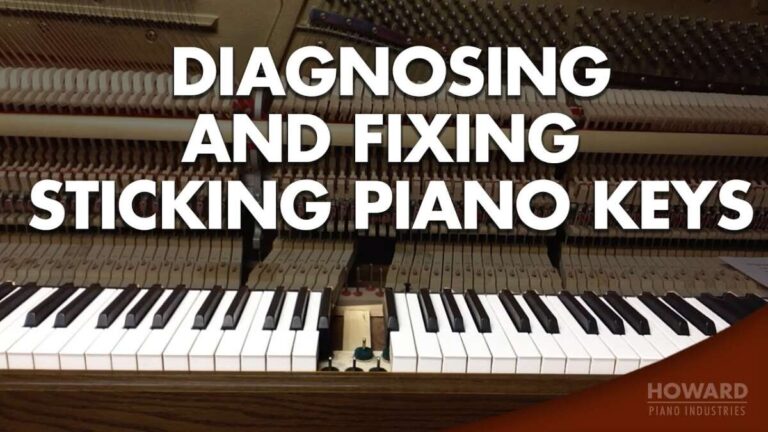
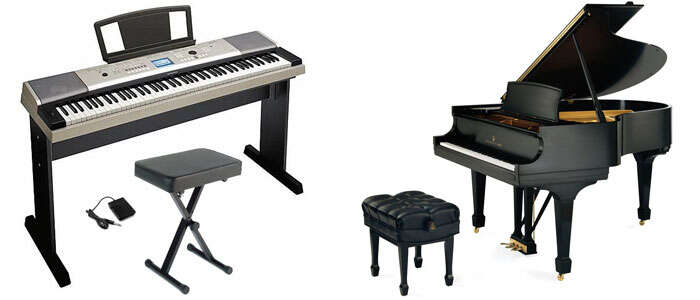
A piano is an instrument with strings, hammers, and keys. When you press a piano key, a felt-covered hammer strikes a string and creates sound. An acoustic piano does not need electricity.

A keyboard is an electronic instrument. It creates sound through digital circuits, software, or recorded samples. Most keyboards need batteries or a power adapter.

So, is a keyboard the same as a piano? No. A keyboard can copy the sound of a piano, but it is a different type of instrument.

The word “keyboard” can also describe several products. These include:

• Portable keyboards with many instrument sounds

• Digital pianos made to feel like acoustic pianos

• Synthesizers built for sound design and electronic music

• Stage keyboards made for live performance

• MIDI controllers that send musical data to a computer but may not create sound alone

This difference matters because a $150 portable keyboard and a $2,000 digital piano may look similar at first glance. Their key feel, speakers, sound quality, and learning value can be very different.
What Is the Difference Between a Keyboard and a Piano?
Source: notespinner.net

Is a Digital Piano the Same as a Keyboard?

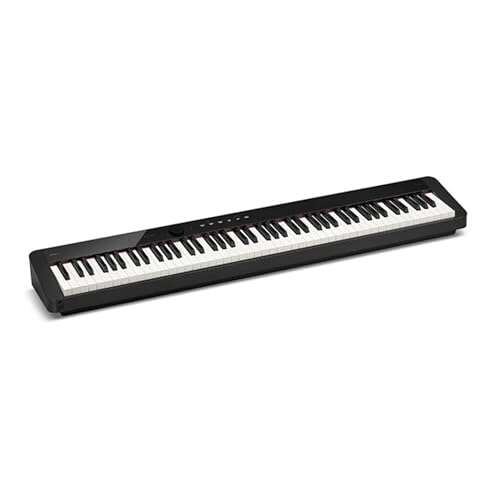
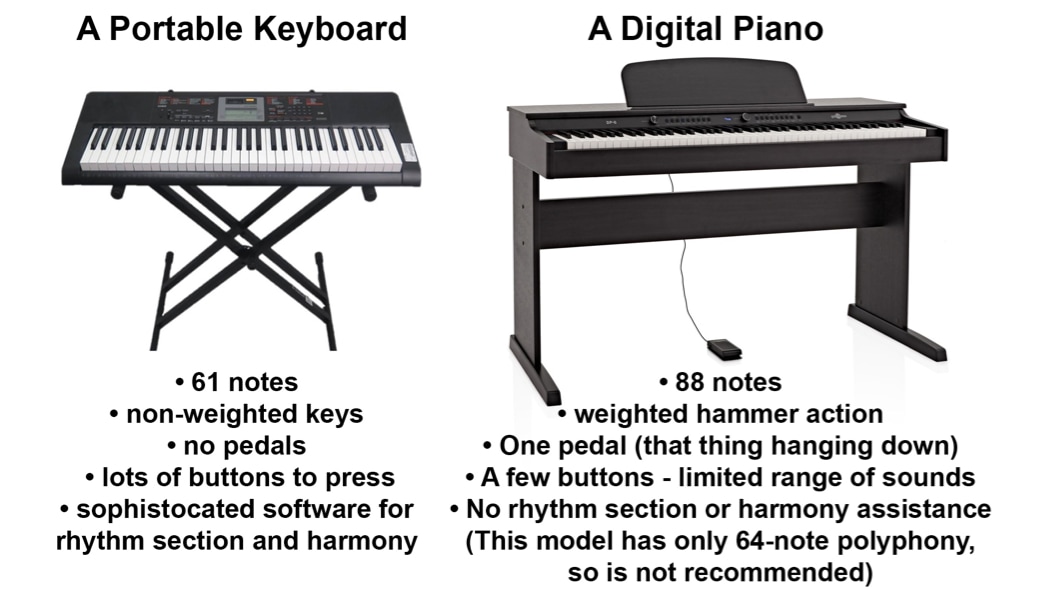
A digital piano is a type of keyboard, but it is designed to behave more like an acoustic piano. It often has 88 keys, weighted action, piano-style pedals, and high-quality piano samples.

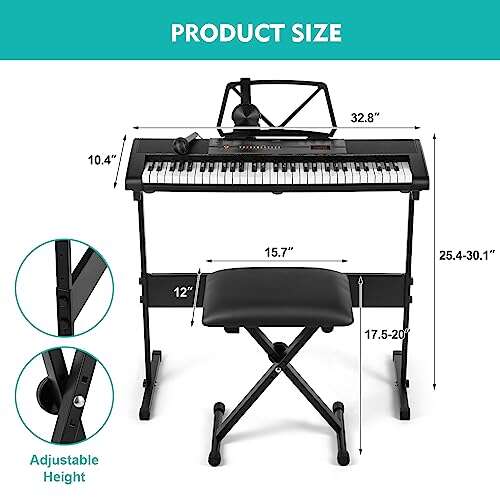
A standard portable keyboard may have 61 or 76 keys. Its keys are often light and springy. This design makes the instrument easy to carry, but it does not copy the resistance of an acoustic piano.

This is why the answer to “is a keyboard the same as a piano” depends partly on the product. A basic keyboard is not the same as a piano. A high-end digital piano may provide a very similar playing experience, but it still uses electronic sound instead of strings and hammers.

Think of it like this:

• An acoustic piano is like a live orchestra using real instruments.

• A digital piano is like a highly skilled recording that recreates that experience.

• A portable keyboard is like a musical toolbox with many sounds and features.

All three can be useful. They simply serve different goals.

Is a Digital Piano the Same as a Keyboard?
Source: sapaindia.com

Key Differences Between a Keyboard and a Piano

Several features separate keyboards from acoustic and digital pianos. Understanding them can help beginners avoid buying the wrong instrument.

Number of Keys

A standard acoustic piano has 88 keys. This gives players a wide range from low bass notes to high treble notes.

Many keyboards have fewer keys:

• 49 keys are common for simple melodies and music production.

• 61 keys work well for beginners, pop songs, and general playing.

• 76 keys offer more range without the full size of a piano.

• 88 keys are best for serious piano study and advanced pieces.

A smaller keyboard is not automatically poor. It may be perfect for a child, a small room, or a producer who mainly plays chords. However, students who plan to study classical piano may outgrow a 61-key model.

Key Weight and Touch

Acoustic piano keys become heavier in the lower register and lighter in the upper register. This is called graded hammer action.

Many digital pianos copy this design. They may also respond to touch, meaning a harder press creates a louder sound.

Basic keyboards often have unweighted keys. They respond to pressure, but they do not feel like piano keys. This can affect finger strength, control, and playing habits.

When people ask, “is a keyboard the same as a piano,” key action is one of the most important answers. The sound may be similar, but the feel under your fingers can be very different.

Sound

An acoustic piano creates a natural sound through vibrating strings and a wooden soundboard. Its tone changes with touch, pedal use, room size, and age.

A keyboard uses digital sounds. Some modern keyboards and digital pianos use detailed recordings of concert grands. Good models can sound very realistic through headphones or quality speakers.

Still, a digital sound is not exactly the same as a live acoustic piano. The difference is easiest to notice in:

• Natural resonance

• Sustain and decay

• Soft playing

• Complex harmonics

• Changes caused by the room

A keyboard may offer piano, organ, strings, brass, drums, and synthetic sounds. An acoustic piano mainly offers one rich family of sounds.

Pedals

A traditional piano usually has three pedals:

• The sustain pedal lets notes ring longer.

• The sostenuto pedal holds selected notes.

• The soft pedal changes the tone and volume.

Many portable keyboards include only a basic sustain pedal input. Digital pianos often include a three-pedal unit that feels closer to an acoustic piano.

Size and Portability

A full acoustic piano is heavy and difficult to move. It also needs careful placement and regular tuning.

A portable keyboard can fit on a small desk or stand. One person can often carry it. A digital piano sits between the two. It may have a furniture-style cabinet, or it may be a lightweight stage model.

For apartment living, portability can be a major benefit. Headphones also let you practice without disturbing family members or neighbors.

Key Differences Between a Keyboard and a Piano
Source: ridleyacademy.com

Are Keyboards Good for Learning Piano?

Yes, keyboards can be good for learning piano, but the right model matters. A beginner can learn notes, rhythms, chords, scales, and songs on many keyboards.

For serious piano study, look for:

• 88 full-size keys

• Weighted or hammer action

• Touch sensitivity

• A sustain pedal

• A stable stand

• A comfortable bench
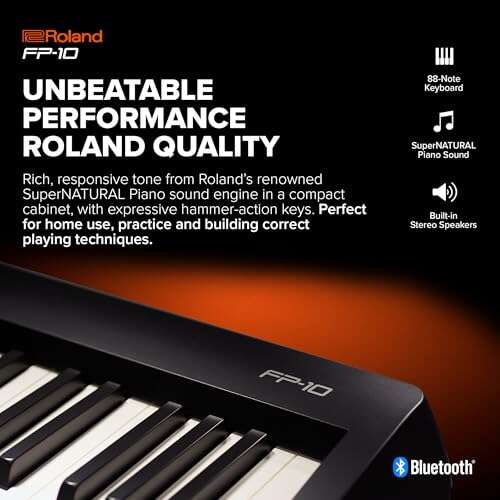
• A clear piano tone

A 61-key keyboard may work well during the first months of learning. It is useful for basic songs and chord practice. However, a student may struggle when a song uses a wider range or requires stronger finger control.

From practical testing and teaching advice, one common mistake is choosing a keyboard based only on its number of sounds. Beginners often enjoy hundreds of voices at first, then discover that the key feel is more important for piano practice.

A good rule is simple: choose features that support your main goal. If you want to learn piano, prioritize key action. If you want to make beats, explore sounds, pads, recording tools, and computer connections.

Are Keyboards Good for Learning Piano?
Source: com.sg

Keyboard vs. Piano: Benefits and Limitations

Both instruments have clear strengths. The better choice depends on your space, budget, skill level, and musical plans.

Benefits of an Acoustic Piano

• Natural tone and dynamic response

• Strong connection between touch and sound

• No electricity required

• Excellent for classical training

• Long service life with proper care

Limitations of an Acoustic Piano

• High purchase and moving costs

• Regular tuning and maintenance

• Large size and heavy weight

• No silent practice without extra equipment

• Fixed sound with no built-in instrument changes

Benefits of a Keyboard

• Lower cost than many acoustic pianos

• Easy to move and store

• Many instrument sounds

• Headphone support on many models

• Built-in rhythms, lessons, and recording tools

• Easy connection to computers and music apps

Limitations of a Keyboard

• Light keys may not build the same technique

• Small speakers may sound thin

• Cheap models can have weak piano tones

• Some require electricity at all times

• Extra features can distract beginners

Benefits of a Digital Piano

• Piano-style weighted keys

• Headphone practice

• No tuning

• Smaller footprint than an acoustic piano

• Volume control

• Modern recording and Bluetooth options on some models

Limitations of a Digital Piano

• Electronic sound is not identical to an acoustic piano

• Quality varies greatly by brand and price

• Electronics may need repair or replacement

• Some cabinet models are still difficult to move

This comparison shows why asking “is a keyboard the same as a piano” is not enough by itself. You also need to ask what type of keyboard you mean.

Keyboard vs. Piano: Benefits and Limitations
Source: musicalbri.com

Which Is Better for Beginners?

For most beginners, a keyboard or digital piano is practical. It costs less than a new acoustic piano and needs less care. It also lets you practice with headphones.

A portable keyboard is a good choice when:

• You have a small budget.

• You are unsure whether you will continue.

• You want many sounds.

• You plan to make electronic music.

• You need to carry the instrument often.

A digital piano is a better choice when:

• You want to study piano seriously.

• You prefer a realistic key feel.

• You plan to play classical music.

• You want an instrument that can support long-term growth.

• You have room for a stable stand or cabinet.

An acoustic piano may be right when:

• You love its natural tone.

• You have enough space.

• You can afford tuning and maintenance.

• You want a traditional home instrument.

Try the instrument before buying it when possible. Play soft notes, loud notes, scales, and chords. Notice whether the keys feel stable and whether the sound responds naturally.

Which Is Better for Beginners?
Source: merriammusic.com

Can You Play Piano Songs on a Keyboard?

Yes, you can play many piano songs on a keyboard. The main limits are the number of keys, the key action, and the quality of the piano sound.

A 61-key keyboard can handle many pop songs, worship songs, folk tunes, and beginner exercises. Advanced classical music may require 88 keys because both hands need a wide range.

You can also use the transpose feature on many keyboards. This changes the pitch without changing the keys you press. It is useful, but beginners should not depend on it too much because it can confuse music reading later.

If you plan to move from keyboard to acoustic piano, practice proper posture and finger control. Keep your wrists relaxed. Use the sustain pedal carefully. Do not press every key with the same force.

The answer to “is a keyboard the same as a piano” remains no, but a keyboard can still help you play piano music and develop useful skills.

Can You Play Piano Songs on a Keyboard?
Source: merriammusic.com

How Much Should You Spend?

Prices vary widely. A very basic keyboard may cost less than $150. A reliable beginner keyboard often costs between $200 and $500. Entry-level digital pianos commonly cost more because they include weighted keys and better piano sounds.

When setting a budget, include these items:

• Stand

• Bench

• Sustain pedal

• Headphones

• Power adapter

• Music books or learning software

Avoid buying the cheapest model if you already know that piano is your long-term goal. Replacing an unsuitable keyboard later can cost more than choosing a better instrument at the start.

At the same time, expensive does not always mean better for your needs. A professional workstation may have features you never use. Focus on touch, sound, reliability, and comfort first.

How Much Should You Spend?
Source: partykeys.com

Common Mistakes to Avoid

Many new players make the same buying mistakes. Avoiding them can save money and frustration.

• Choosing sound quantity over key quality: Hundreds of sounds do not replace good piano action.

• Buying too few keys for your goal: A 49-key model may limit classical study.

• Ignoring the pedal: A sustain pedal is important for many piano songs.

• Practicing on an unstable stand: Movement can affect posture and confidence.

• Skipping headphones: Quiet practice can make daily practice easier.

• Assuming every digital piano feels the same: Test several models if possible.

• Buying without checking return rules: Key feel and sound are personal choices.

One lesson I often emphasize is that comfort affects consistency. The best instrument is the one that makes you want to sit down and practice. A perfect specification sheet means little if the keys feel unpleasant or the setup is hard to use.

Common Mistakes to Avoid
Source: mustarmusic.com

How to Choose the Right Instrument

Use this simple process before you buy.

  1. Decide your main goal. Choose piano study, casual playing, songwriting, live performance, or music production.

  2. Set your real budget. Include a stand, pedal, bench, headphones, and learning materials.

  3. Choose the key count. Select 88 keys for serious piano study. Choose 61 keys for portability and general playing.

  4. Test the action. Check whether the keys feel too light, too stiff, or comfortable.

  5. Listen to the piano tone. Play both soft and loud notes.

  6. Check useful features. Look for headphones, USB or MIDI, recording, Bluetooth, and built-in lessons if needed.

  7. Think about your space. Measure the room before buying a cabinet-style digital piano.

  8. Read reliable reviews. Look for long-term comments about key noise, durability, speakers, and customer support.

This approach gives you a better answer to “is a keyboard the same as a piano” for your own situation. The question is not only about labels. It is about how the instrument supports your musical goals.

Frequently Asked Questions: Is a Keyboard the Same as a Piano?

Is a keyboard basically a piano?

A keyboard is not basically the same as an acoustic piano, even though both use piano-style keys. A digital piano is closer because it is designed to copy the sound and feel of a traditional piano.

Can a beginner learn piano on a keyboard?

Yes, a beginner can learn notes, chords, rhythm, and songs on a keyboard. For long-term piano study, choose a model with 88 weighted keys and touch sensitivity.

Is a digital piano better than a keyboard?

A digital piano is usually better for traditional piano practice because it has weighted keys and a more realistic piano tone. A regular keyboard may be better for portability, many sounds, rhythms, and music production.

Do keyboards have the same number of keys as pianos?

Not always. Most acoustic pianos have 88 keys, while keyboards may have 49, 61, 76, or 88 keys.

Can a keyboard sound exactly like a piano?

A high-quality digital keyboard can sound very close to a piano, especially through good headphones or speakers. However, it cannot fully reproduce the physical vibration and natural resonance of an acoustic piano.

Is a keyboard easier to play than a piano?

A keyboard with unweighted keys may feel easier at first because the keys require less force. A piano-style instrument can build better control and strength, but it may take more time for a beginner to adjust.

Should a child start with a keyboard or piano?

A child can start with either one. A keyboard is practical for a small home and a limited budget, while an 88-key digital piano is a stronger choice if the child plans to study piano seriously.

Conclusion

So, is a keyboard the same as a piano? No. A keyboard is an electronic instrument with flexible sounds and features, while an acoustic piano uses strings and hammers to create its tone. A digital piano sits between these choices by offering electronic convenience with a more realistic piano feel.

Choose a portable keyboard for flexibility, a digital piano for serious practice, or an acoustic piano for traditional sound and touch. Test the keys, consider your space and budget, and select the instrument you will enjoy using often. Explore beginner lessons and share your experience with the instrument that works best for you.

Similar Posts

Leave a Reply

Your email address will not be published. Required fields are marked *