How Is A Piano Tuned: Simple Step-By-Step Guide
Pianos are tuned by carefully adjusting each string’s tension to match an equal-tempered scale across the keyboard.
I’ve tuned dozens of pianos in homes, schools, and studios. This guide explains how is a piano tuned, step by step, with clear tools, tips, and pitfalls. You will learn why pitch matters, how tuners set temperament, and when to call a pro. Read on and gain a practical, expert view you can use today.
The basics: how is a piano tuned
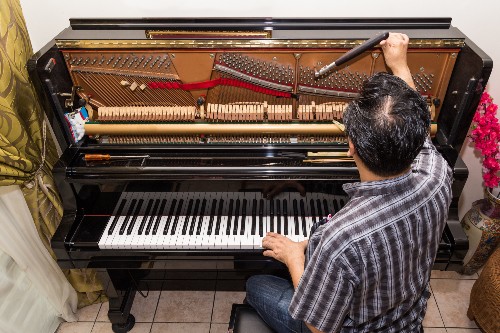
A piano has about 88 keys and over 200 strings. Each string must match a target pitch. Tuners change string tension with a tuning lever. They work by ear, with electronic help, or both. Tuners set a reference pitch, build a temperament, then tune the rest of the keyboard to it.

Tools and gear for tuning a piano
Here are the common tools a tuner uses:
- Tuning lever: the main tool for turning pins and changing tension.
- Mutes: rubber or felt wedges to silence neighboring strings while tuning one string.
- Electronic tuner or tuning app: helps confirm pitch and speed up work.
- Tuning fork or pitch pipe: simple, reliable reference for A440 or other standards.
- Temperament strip: used to silence groups of strings for setting the central tuning.
Tuners often carry spare parts and cleaning cloths. A good setup matters for consistent results.

Step-by-step process: how is a piano tuned
Tuning a piano follows clear steps. I break them into simple parts anyone can follow.
- Prepare the instrument
- Inspect the piano for loose pins, rust, or broken strings.
- Play a scale to hear bad notes and note pitch drift.
- Let the piano settle at room temperature for a few hours if it was moved.
- Set the reference pitch
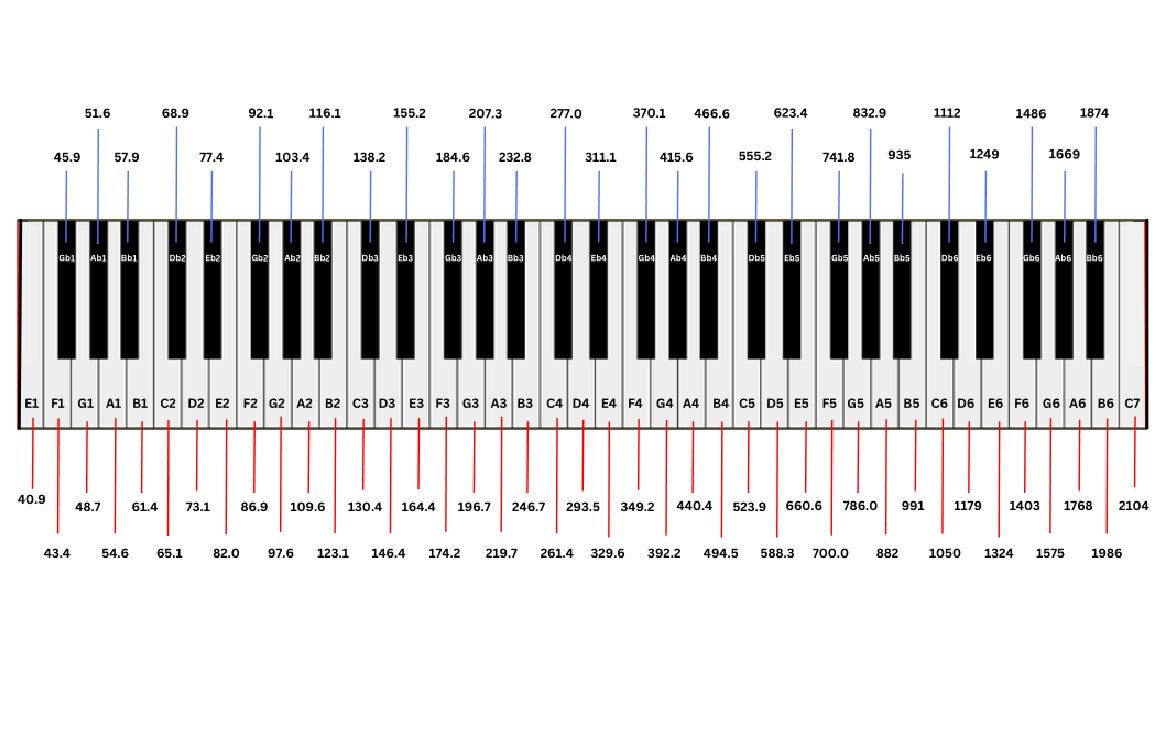
- Choose A = 440 Hz or another pitch the owner prefers.
- Use a tuning fork or electronic tuner to set A4 first.
- Tune the A4 string carefully until it matches the reference.
- Build the temperament
- Temperament is the tuned set of notes in the middle of the keyboard.
- Tuners tune a small octave range by ear to establish equal temperament.
- Work in small intervals like fifths and fourths and listen for beats.
- Tune unisons and octaves
- Most notes have two or three strings. Tune each string so they sound as one.
- Tune octaves across the keyboard to keep the piano balanced.
- Stretch tuning is common: higher notes are tuned slightly sharper to sound right.
- Check and refine
- Play scales and chords across the whole range.
- Recheck notes that pull on others and adjust as needed.
- Final pass: tighten or loosen small amounts to remove beats and waviness.
Typical session time is 1 to 3 hours depending on condition. New strings or very out-of-tune pianos take longer.

Temperament, stretch, and pitch standards
Equal temperament is the modern standard. It divides the octave into 12 equal semitones. Tuners aim for this so music sounds in tune in all keys. However, real piano strings are stiff. That causes inharmonicity and makes higher notes sound a bit sharp compared to ideal math. Tuners use stretch tuning to compensate. They raise high notes slightly and sometimes lower low notes. This keeps intervals stable and pleasing to the ear.
A440 is the most common pitch standard today. Some period ensembles prefer A = 415 Hz or other values. Knowing the desired standard is part of how is a piano tuned.

Common problems and mistakes to avoid
Many issues come up when tuning. Avoid these common mistakes:
- Rushing the pitch raise: always bring very flat pianos up in stages to avoid broken strings.
- Ignoring unisons: letting strings in a note disagree makes the piano sound thin.
- Over-reliance on an electronic tuner: use it, but trust your ear for beats and stretch.
- Skipping checks after tuning: temperature and humidity changes can shift pitch quickly.
If pin slip is frequent, the pin block may be worn. That needs a pro repair. Understanding these problems links to how is a piano tuned well and safely.
When to call a pro, costs, and maintenance tips
Call a professional if:
- The piano is more than a few semitones out.
- Pins slip or you hear buzzing and rattles.
- You need a full restring or pinblock work.
Typical costs:
- Basic tuning: often between one and two hours.
- Price varies by region, piano size, and condition.
- A professional can also regulate and voicing for a fuller service.
Maintenance tips:
- Tune twice a year for home pianos in normal use.
- Tune more often for pianos in public or stage use.
- Keep the piano away from direct sun, vents, and wide humidity swings. These affect how is a piano tuned and how long it stays in tune.
My experience: lessons learned and practical tips
I have tuned pianos in living rooms and concert halls. Small details made the biggest difference. A quiet room helps me hear beats. New strings need extra care on the first tuning. Once, I learned to raise pitch slowly after breaking two old strings by rushing. That taught me patience.
Practical tips I use:
- Mark the piano’s current pitch before major work.
- Use felt mutes to speed up temperament setting.
- Take photos of pin placement for complex repairs.
- Communicate with the owner about desired pitch and budget.
These habits improve results and explain why how is a piano tuned by a pro can differ from a DIY attempt.

Related concepts and deeper reading
To fully understand how is a piano tuned, consider these topics:
- Inharmonicity: the physical cause of stretched tuning.
- Scale design: why pianos have different string lengths and diameters.
- Regulation and voicing: other services that affect tone and playability.
- Historical temperaments: how Baroque and Classical music used different systems.
Studying these areas will make you a savvier owner or player. Each idea links back to how is a piano tuned and why tuners make certain choices.
Frequently Asked Questions of how is a piano tuned
How often should a piano be tuned?
Most pianos should be tuned twice a year. New pianos or those in heavy use may need tuning every three months.
How long does a typical tuning take?
A standard tuning usually takes one to two hours. Very out-of-tune or repaired pianos take longer.
Can I tune a piano with an app?
Yes, apps help set a reference pitch and find notes. You still need a tuning lever and ear for beats and stretch.
What is stretch tuning and why is it used?
Stretch tuning slightly sharpens high notes and flattens low ones. It compensates for string stiffness and makes chords sound stable.
Will tuning fix a piano that sounds bad?
Tuning fixes pitch issues but not mechanical or tone problems. Regulation and voicing address touch and tone quality.
Conclusion
Tuning a piano is a mix of science, craft, and listening. You learned how is a piano tuned, the needed tools, steps to follow, and when to call a pro. Try basic checks at home and schedule a pro if the job looks big. Start by finding a trusted tuner and keep a simple maintenance plan. If you found this useful, leave a comment, subscribe for more guides, or book a tuning to hear the change yourself.

Senior Music Reviewer
Alex Carter is a seasoned music reviewer with over a decade of experience in the world of sound and instruments. Passionate about helping musicians and enthusiasts make informed choices, he brings sharp insights and in-depth knowledge to every review. From classical instruments to modern gear, Alex combines technical expertise with a love for music to deliver content that resonates with readers.
As a Senior Music Reviewer and expert author on Tuneluma.com, Alex is dedicated to sharing honest evaluations, practical advice, and thoughtful commentary to guide readers in their musical journey.