Can You Learn Piano On A Keyboard: Complete Guide
Yes, you can learn piano on a keyboard, especially with the right lessons and practice plan.
A keyboard can teach you notes, chords, rhythm, music reading, and many core piano skills. It may not feel exactly like an acoustic piano, but it can be a smart and affordable way to begin. In this guide, you will learn what a keyboard can teach, where it falls short, how to choose one, and how to practice with confidence.
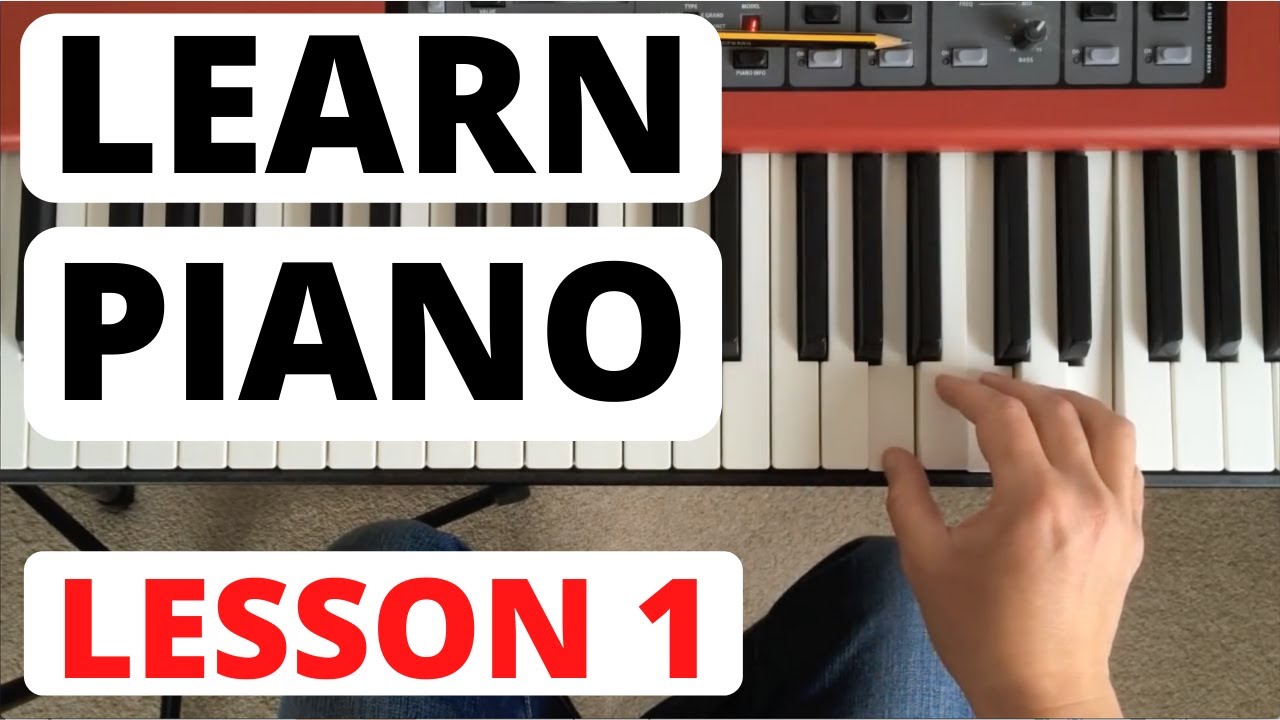
Can you learn piano on a keyboard?
Yes, you can learn piano on a keyboard. Many beginners start with a keyboard because it is less costly, easy to move, and simple to use at home. A good keyboard can help you build the skills needed to play songs and move to an acoustic or digital piano later.
You can learn:
• Piano notes and key names
• Scales and chords
• Music reading
• Hand position
• Finger control
• Rhythm and timing
• Two-hand coordination
• Basic music theory
• Song performance
The main issue is that not every keyboard feels like a piano. Some models have small keys, fewer keys, and no touch response. These limits can slow your progress if you want to play advanced classical music.
Still, a keyboard works much like a map. It shows you where to go and helps you learn the route. With steady practice, you can learn piano on a keyboard and gain a strong musical base.

Keyboard versus piano: What is the difference?
The words “keyboard” and “piano” often describe different instruments. An acoustic piano uses hammers and strings to create sound. A digital piano uses electronic sounds but aims to copy the feel of an acoustic piano. A keyboard often offers many sounds and features beyond piano tones.
Key weight and touch
Acoustic pianos have weighted keys. When you play a soft note, you use less force. When you play a loud note, you use more force. This control is called touch sensitivity or dynamics.
Many beginner keyboards have light, unweighted keys. They are easy to press, but they do not build the same finger strength. A touch-sensitive keyboard is a much better choice for piano study.
Number of keys
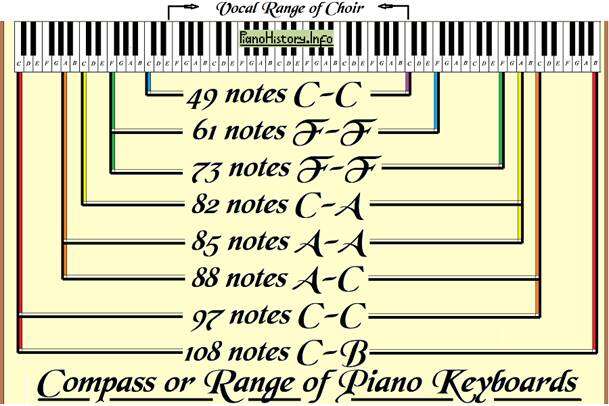
A full piano has 88 keys. Many keyboards have 61, 76, or 49 keys.
A 61-key keyboard is enough for most beginners and many popular songs. However, you may need more keys for advanced classical pieces, deep bass notes, or wide musical passages.
Pedals
A piano uses pedals to change the sound. The sustain pedal is the most important one for beginners. It lets notes ring after you lift your fingers.
Some keyboards have no pedal input. Others allow you to add a separate sustain pedal. If you want to learn piano on a keyboard in a serious way, choose one with a pedal connection.
Sound and expression
A keyboard may have hundreds of sounds, beats, and effects. These features can make practice fun. Yet, they do not always improve your piano technique.
For piano learning, focus first on:
• Natural piano sound
• Touch-sensitive keys
• A sustain pedal option
• Clear speakers or headphone support
• A stable stand
• Enough keys for your goals

What skills can you learn on a keyboard?
A keyboard can teach most beginner piano skills. Your progress depends more on practice quality than on the instrument’s brand.
Reading music
You can learn to read the treble and bass clefs on a keyboard. You can also learn note values, rests, rhythm signs, and key signatures.
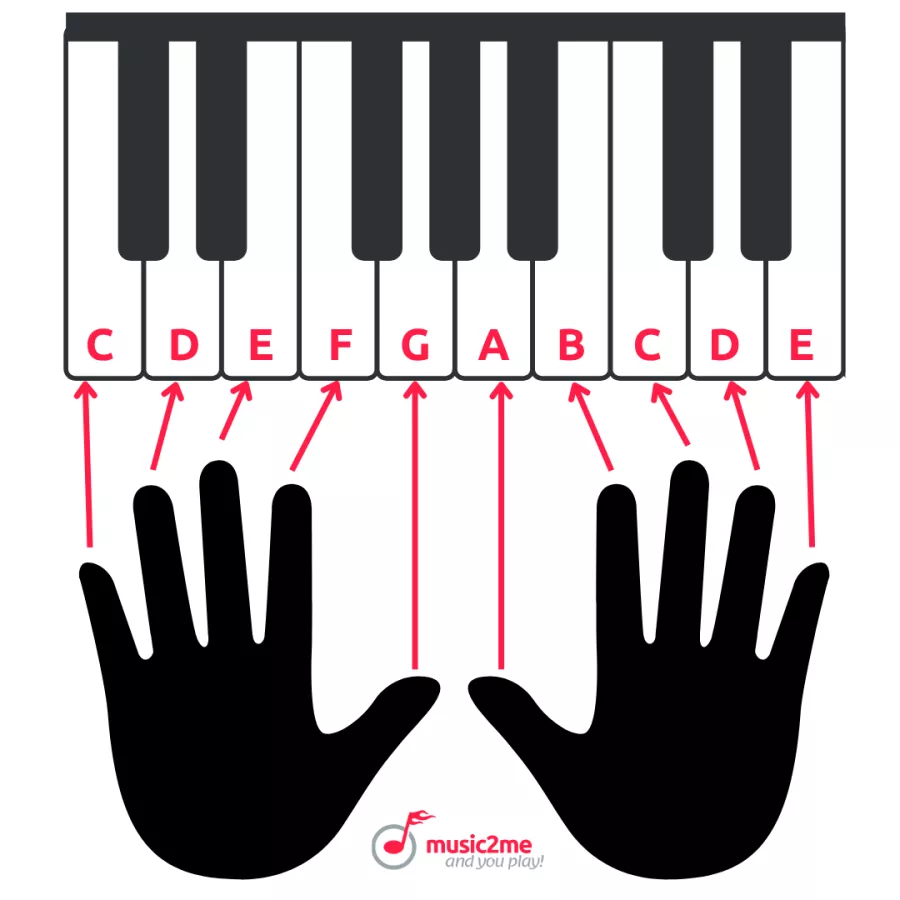
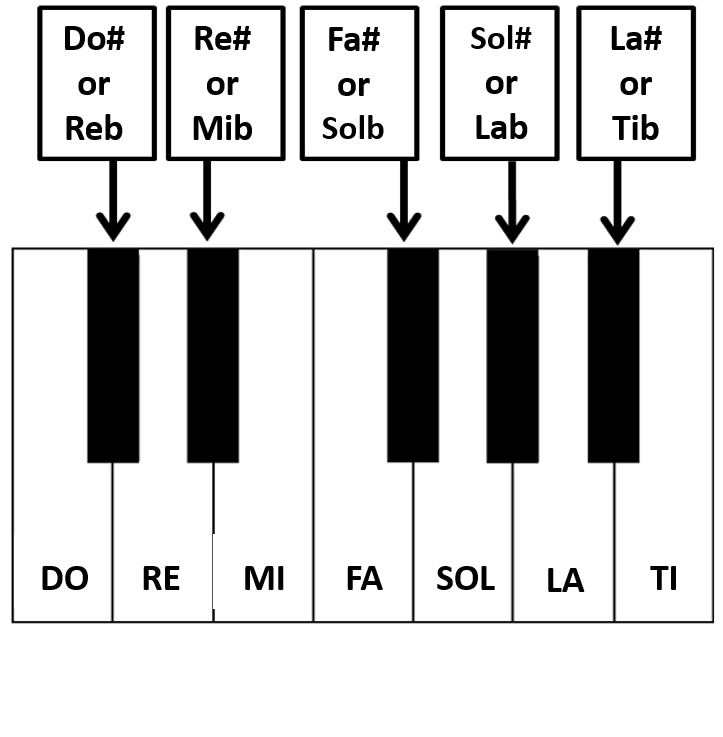
Start with five notes in each hand. For example, place your right hand on C, D, E, F, and G. Then learn short patterns before moving to full songs.
Chords and scales
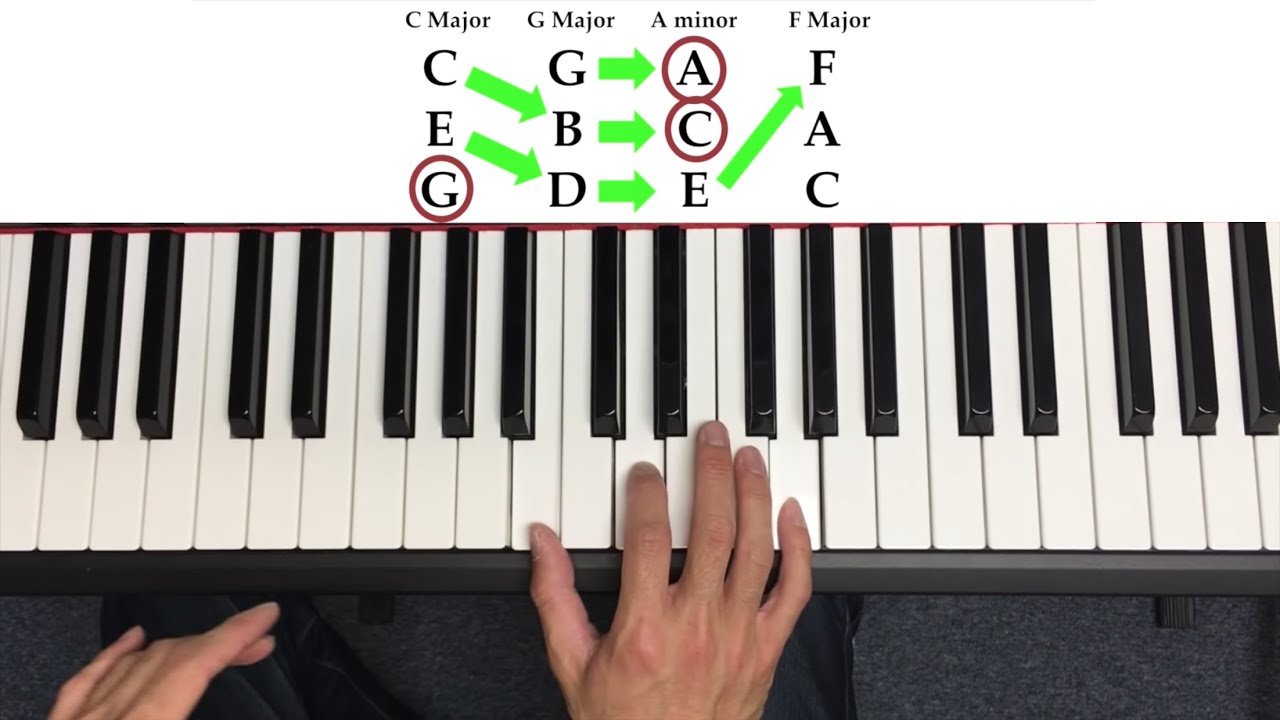
Chords form the base of many songs. You can learn major, minor, seventh, and suspended chords on a keyboard.
Scales help your fingers move in order. Begin with C major because it uses only the white keys. Later, study G major, F major, and other common scales.
Rhythm and timing
A keyboard may include a metronome or rhythm function. Use it to keep a steady beat. Start slowly, then raise the speed when you can play without stopping.
Good timing often matters more than speed. A slow song played evenly sounds better than a fast song filled with pauses.
Hand independence
Many new players find this skill hard. One hand may play the melody while the other plays chords or bass notes.
Use simple patterns. For example, play a steady left-hand chord while your right hand plays five notes. Keep the pattern slow and relaxed.
Playing with expression
You can also learn to play with feeling. Practice soft and loud sounds, smooth lines, short notes, and changes in speed.
If your keyboard has touch-sensitive keys, press with different levels of force. This helps you learn piano on a keyboard with more control and musical depth.
What are the limits of learning piano on a keyboard?
A keyboard can teach you a lot, but it cannot copy every part of an acoustic piano. Knowing these limits helps you set fair goals.
The main limits include:
• Light keys may not build enough finger strength
• Small keyboards may limit your note range
• Cheap speakers may produce a weak sound
• Some models lack touch sensitivity
• A missing pedal can limit your technique
• Small keys may create poor hand habits
• Extra sounds can distract you from practice
These limits do not mean you must buy an expensive piano. They mean you should choose a keyboard that matches your goals.
If you plan to play pop songs, worship music, film themes, or basic accompaniment, a 61-key touch-sensitive keyboard may work well. If you plan to study classical piano, a digital piano with 88 weighted keys is a better long-term choice.
One common mistake is buying a very small toy keyboard and expecting it to support years of study. It may help you test your interest, but it may not offer the range or feel you need.
How to choose a keyboard for learning piano
The best keyboard for learning piano is not always the most expensive one. It is the one that supports good habits and fits your space and budget.
Look for touch-sensitive keys
Touch sensitivity lets the keyboard respond to how hard you press. This feature helps you learn dynamics and control.
Avoid a model that plays every note at the same volume. It can make your playing sound flat and may limit your technique.
Consider weighted keys
Weighted keys feel closer to an acoustic piano. They require more control and offer a more realistic playing experience.
A weighted digital piano is ideal if you want to learn piano on a keyboard for several years. A touch-sensitive, unweighted model may be enough for casual playing or a tight budget.
Choose the right number of keys
Use this simple guide:
• 49 keys: Good for basic melodies and limited space
• 61 keys: Good for most beginners and popular songs
• 76 keys: Useful for a wider playing range
• 88 keys: Best for serious piano study and classical music
Check for a sustain pedal input
A sustain pedal adds depth to your playing. It also teaches you an important part of piano technique.
If a keyboard does not include a pedal, check whether you can buy one separately.
Test the playing feel
If possible, visit a music store and try several keyboards. Play soft notes, loud notes, scales, and chords. Notice whether the keys feel stable and comfortable.
You do not need perfect equipment to begin. You do need an instrument that makes practice easy and supports correct technique.
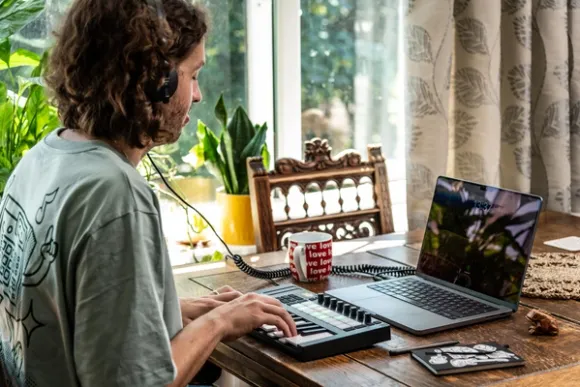
How to learn piano on a keyboard at home
A simple routine can produce steady progress. You do not need to practice for hours each day.
Use this 30-minute practice plan
- Warm up for five minutes with simple finger patterns.
- Practice scales for five minutes.
- Study a new lesson for ten minutes.
- Practice one song for eight minutes.
- Review what you learned for two minutes.
Practice slowly. Keep your shoulders loose and your wrists level. If your hands feel tense, stop for a moment and reset.
Follow a clear learning path
Start with the basics in this order:
• Learn the names of the keys
• Find middle C
• Use correct finger numbers
• Read simple rhythms
• Play five-finger exercises
• Learn basic chords
• Practice simple scales
• Play short songs
• Add the sustain pedal
• Study more complex pieces
Online lessons can help, but choose a course with clear structure. Random videos may teach useful tips, yet they can leave gaps in your music knowledge.
A teacher can also correct posture, hand shape, and rhythm. Even one lesson each month may help you avoid habits that are hard to change later.
Record your practice
Use your phone to record one short practice session each week. Listen for uneven rhythm, missed notes, and unwanted pauses.
This method can feel strange at first. It also reveals progress that you may not notice while playing.