What Is A Cajon Box Drum: Beginners Guide & Tips
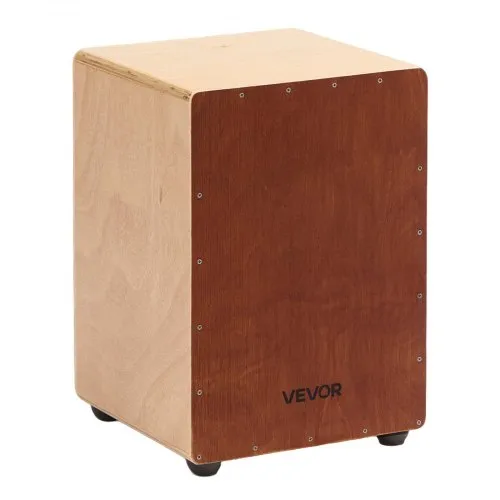
A cajon box drum is a wooden, box-shaped percussion instrument you sit on and play by hand.
I’ve worked with percussion for over a decade, taught students, and played countless gigs with a cajon. I’ll explain what a cajon box drum is, where it comes from, how it works, and how you can use one—clearly and simply. Expect practical tips, honest buying advice, and real-world playing notes so you can decide if a cajon box drum fits your music.
What is a cajon box drum? Definition and brief history
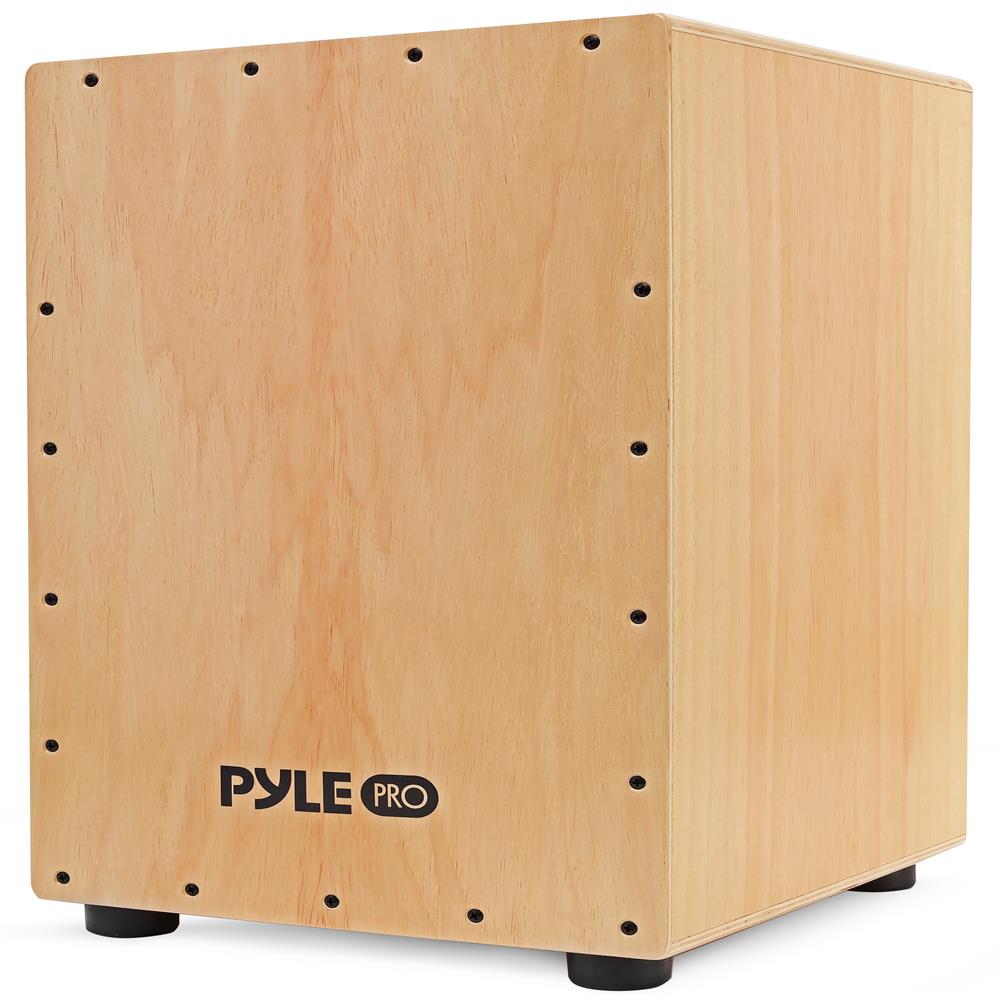
A cajon box drum is a simple wooden box played as a percussion instrument. You sit on it and strike the front face to make bass and snare-like tones. The instrument is compact, portable, and highly adaptable to many styles of music.
The cajon has roots in Afro-Peruvian music and evolved in Peru in the 18th century. Later, flamenco players in Spain adopted it and added snare systems to broaden its sounds. Today the cajon box drum appears in folk, pop, jazz, acoustic, and street music worldwide.

Anatomy: parts of a cajon box drum and how each affects sound
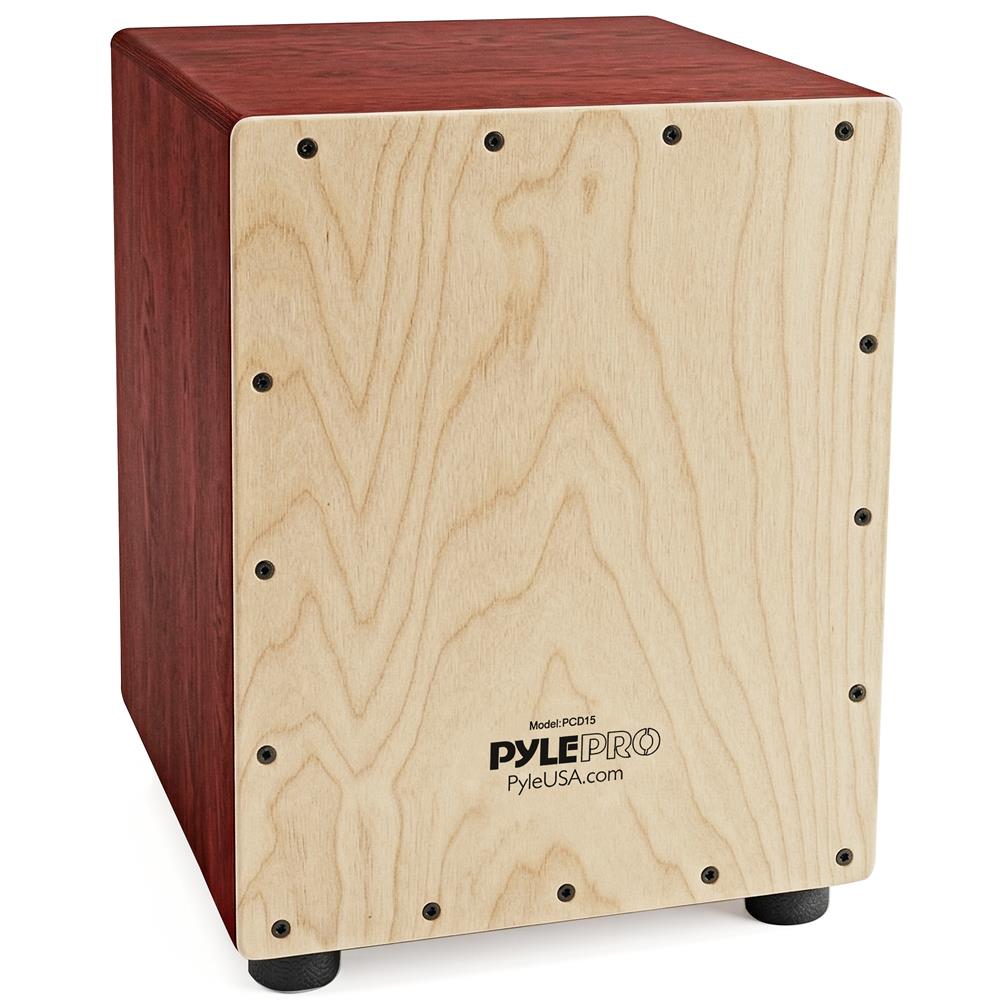
Understanding the parts helps you choose and tune a cajon. Key parts include:
- Front plate (tapa)
- Usually thin plywood. Struck to make highs and slap sounds. Material and thickness shape attack and tone.
- Body (box shell)
- Thicker wood that gives resonance and bass. Size and wood type change low-end depth.
- Sound hole
- Located on the back to let air escape. Its size and placement affect projection.
- Internal snare or strings
- Some cajons have metal snares, guitar strings, or snares to add a buzzing, snare-like sound.
- Feet or pads
- Keep the cajon stable and prevent slipping on stage.
A typical cajon box drum produces a deep bass near the center of the tapa and sharp slaps at the top edges. Different designs change volume, sustain, and tone.
How a cajon box drum produces sound: physics in simple terms
When you hit the front plate, it vibrates. Vibrations travel into the cavity and to the back hole. Air moves in and out of the sound hole, creating bass. If snares or strings touch the tapa, they vibrate too and add snare-like buzzing.
This interaction between the tapa, the box, and internal components creates a wide timbral range. A well-built cajon box drum can mimic parts of a drum kit: bass, snare, and rim clicks.

Types of cajon box drum and common variations
Cajons come in many forms. Know the main types so you buy the right one.
- Traditional cajon
- Solid wood, simple design, deep bass. Often used in Afro-Peruvian music.
- Flamenco cajon
- Livelier attack, built for flamenco grooves, often with adjustable snares.
- Recording or studio cajon
- Tuned for balanced tones, quieter to mic, sometimes with internal dampers.
- Hybrid cajon
- Features pickup or microphone systems, built-in snares, or different port designs.
- Mini cajon and travel cajon
- Smaller and lighter, trade some bass for portability.
Each type fits different needs. A flamenco cajon box drum will feel and sound different from a big, deep Afro-Peruvian style cajon.
How to play a cajon box drum: basics and techniques
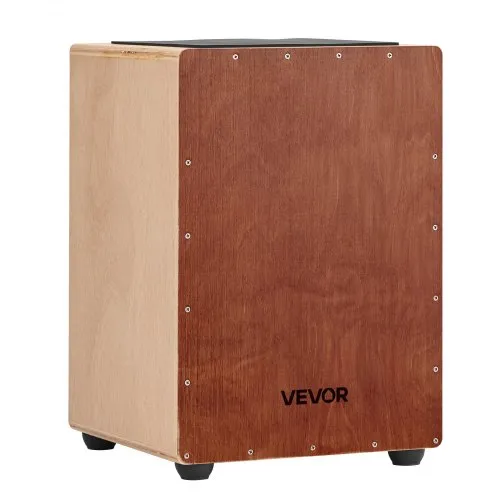
Sitting and posture matter. Sit near the front edge. Keep your back straight. Hands should be relaxed.
Basic strokes:
- Bass tone
- Strike the center of the front plate with the palm. Use relaxed wrist motion.
- Slap tone
- Hit near the top edge with fingers or fingertips for a sharp sound.
- Tap or ghost notes
- Use fingertips for soft, quick notes. Great for groove detail.
Practice simple patterns. Try a basic groove:
- Bass on 1
- Tap on the "and"
- Slap on 3
- Tap on the "and"
Add fills slowly. Use dynamic control. This makes the cajon box drum feel like a full drum kit.

Quick PAA-style questions (short, focused answers)
How loud is a cajon box drum?
A cajon box drum can be quite loud acoustically, enough for small venues and street play. For larger shows, use a mic or internal pickup to balance it with other instruments.
Can beginners learn the cajon quickly?
Yes—beginners can learn basic grooves in weeks with regular practice, but mastering finesse and syncopation takes months.
Musical uses and genres where the cajon box drum shines
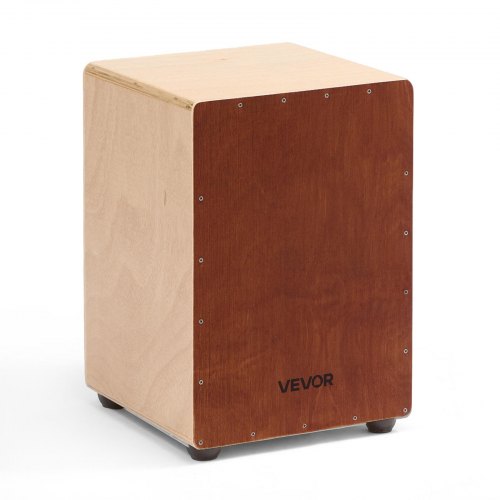
The cajon box drum fits many settings. Common uses include:
- Acoustic and singer-songwriter sets
- Replaces a drum kit for intimate shows.
- Flamenco and Latin music
- Traditional and contemporary rhythms benefit from the cajon’s tones.
- Folk and world music
- Portable sound makes it ideal for street and travel musicians.
- Studio and unplugged sessions
- Offers warm, organic percussion for recordings.
I’ve used a cajon in coffeehouse gigs, beach sessions, and studio recordings. It adds rhythmic roots without overwhelming acoustic guitars or vocals.

Buying guide: what to look for in a cajon box drum
Key factors to consider when buying:
- Wood and build quality
- Look for solid plywood tapa and sturdy shell for good tone and durability.
- Snare system
- Decide if you want internal snares or a dry sound.
- Size and weight
- Bigger cajons usually have deeper bass but are heavier.
- Price vs. use
- Entry models work for beginners. Mid-range offers better tone and build. High-end cajons excel in recording and pro use.
- Extras
- Removable snares, adjustable systems, or pickups add versatility.
Tip from experience: Try several cajons in person. Bring headphones or a small mic to check bass and slap tones. If buying online, read detailed reviews and return policies.
Maintaining your cajon box drum and simple upgrades
Care will extend sound and life. Keep it dry and away from extreme temps. Wipe with a soft cloth. Tighten screws on the tapa if they loosen.
Simple upgrades:
- Add rubber feet to protect floors and reduce slipping.
- Install an under-saddle pickup for live work.
- Adjust or change internal snares for different buzz levels.
I once fixed a noisy tapa by slightly tightening the screws and adding felt washers. That small fix improved both tone and comfort.
Common mistakes and tips from my experience
I learned the hard way. Avoid these errors:
- Playing too hard
- Hits that are too heavy kill tone. Use wrist and finger control.
- Wrong sitting position
- Sit too far back and you lose control. Sit near the front edge.
- Ignoring mic technique
- For live shows, wrong mic placement makes the cajon box drum sound thin. Aim near the bass area and edge for a full tone.
- Buying only by looks
- A pretty finish doesn’t guarantee good tone. Test or read trusted reviews.
Practice dynamics and learn to blend with other instruments. That will make the cajon shine in any group.
Frequently Asked Questions of what is a cajon box drum
What is a cajon box drum best used for?
A cajon box drum is best for acoustic and small-venue performances where a compact rhythm instrument is needed. It supports vocals and acoustic guitar with a full, warm pulse.
How do I tune or adjust a cajon box drum?
Most cajons tune by adjusting tapa screws or internal snare tension. Small tweaks change attack and resonance without complex tools.
Is a cajon box drum good for beginners?
Yes. A cajon box drum is beginner-friendly because learning basic beats is fast and practice transfers to other percussion skills.
Can a cajon replace a drum set?
A cajon box drum can mimic parts of a drum set for acoustic or small shows, but it won't fully replace the range of sounds from a full kit in large, loud settings.
How should I mic a cajon for live sound?
Place a cardioid mic near the sound hole for bass and another near the top edge for slap. Blend both mics for a balanced live sound.
Conclusion
A cajon box drum is a simple, versatile percussion instrument with deep roots and wide modern use. It gives players a compact way to deliver bass, snare, and rhythmic color with just hands and a seat. If you want a portable, expressive rhythm tool, try a cajon—start with a mid-range model, practice basic grooves, and refine your touch. Share your first groove, subscribe for more percussion tips, or leave a comment about your cajon experiences.

Senior Music Reviewer
Alex Carter is a seasoned music reviewer with over a decade of experience in the world of sound and instruments. Passionate about helping musicians and enthusiasts make informed choices, he brings sharp insights and in-depth knowledge to every review. From classical instruments to modern gear, Alex combines technical expertise with a love for music to deliver content that resonates with readers.
As a Senior Music Reviewer and expert author on Tuneluma.com, Alex is dedicated to sharing honest evaluations, practical advice, and thoughtful commentary to guide readers in their musical journey.