Where Are Tama Drums Made: Factory Locations
TAMA drums are made in Japan and China, depending on the series and model. TAMA’s top-level lines, such as STAR drums, are made in Japan. Many mid-range and beginner lines, including Imperialstar, Superstar Classic, and Starclassic Performer, are made in China.
TAMA is a Japanese drum brand owned by Hoshino Gakki, the Japanese company best known for its musical instrument brands. The country of manufacture can change by series, finish, or model revision, so check the exact product page, box label, or drum badge before buying.

TAMA is a Japanese brand
TAMA began in Japan under Hoshino Gakki. The brand name is linked to the company founder’s family name, Hoshino, which means “star field” in Japanese. TAMA later became known around the world for its drum kits, hardware, and pedals.
The brand’s design, product planning, and quality control come from Hoshino Gakki and TAMA. That does not mean every TAMA drum is built in Japan. Like many global instrument brands, TAMA uses more than one factory.
The key distinction is:
- Brand origin: Japan
- Company: Hoshino Gakki
- Manufacturing locations: Japan and China
- Exact location: Depends on the product series and model
This is why two TAMA kits can carry the same brand name but have different country-of-origin labels.
Which TAMA drum series are made in Japan?
The STAR series is made in Japan. This includes major STAR drum families such as:
- STAR Maple
- STAR Walnut
- STAR Bubinga
These drums sit at the top of TAMA’s range. They use carefully selected shell woods, detailed bearing-edge work, and high-end fittings. Their Japanese production is one part of their higher price, but it is not the only reason they cost more.
Some high-end or special-order TAMA drums may also be produced in Japan. The exact details can vary by year, finish, and market. For that reason, buyers should confirm the current listing rather than rely on an old catalog or a used-drum description.
Why Japanese-made TAMA drums cost more
Japanese-made STAR drums generally involve:
- More hand finishing
- More detailed shell selection
- Tighter production control
- Lower production volume
- More custom and premium options
“Made in Japan” does not automatically mean that every player will hear a large difference. Drum sound also depends on shell size, heads, tuning, room acoustics, and playing style.
Still, Japanese production matters to buyers who want TAMA’s highest specification level, premium finishes, and the construction associated with the STAR range.

Which TAMA drums are made in China?
Many TAMA drum kits and hardware products are made in China. Common examples include:


- Imperialstar
- Superstar Classic
- Starclassic Performer
- Club-JAM
- Many entry-level and mid-priced hardware products
The exact factory can differ between products. TAMA may also update a model’s construction or manufacturing location over time.
A China-made TAMA kit is not automatically low quality. China is home to large musical-instrument factories that build products for many major brands. The useful question is not only “Where was it made?” but also:
- What series is it?
- What shell wood does it use?
- What hardware does it include?
- Is the shell construction suitable for the player?
- Does the kit offer the sizes and fittings needed?
For example, a China-made professional kit may have better shells and hardware than a Japanese-made older kit that has been damaged, poorly stored, or badly modified.
TAMA drum manufacturing by series
The table below gives a practical guide. It reflects the usual production pattern for current TAMA ranges, but the exact model should always be checked before purchase.
| TAMA series | Usual production location | General position |
|---|---|---|
| STAR Maple | Japan | Professional flagship |
| STAR Walnut | Japan | Professional flagship |
| STAR Bubinga | Japan | Professional flagship |
| Starclassic Walnut/Birch | Often Japan | High-end professional |
| Starclassic Maple | Often Japan | High-end professional |
| Starclassic Performer | China | Professional and semi-professional |
| Superstar Classic | China | Mid-range |
| Imperialstar | China | Beginner and intermediate |
| Club-JAM | China | Compact and specialty kits |
| TAMA hardware | China, Taiwan, or other Asian facilities, depending on item | Stands, pedals, racks, and accessories |
The word “often” matters in this table. TAMA model names can stay the same while specifications, finishes, or production details change. A retailer may also keep an older model page online after the manufacturer has updated the range.
How to check where a specific TAMA drum was made
The safest way is to check the exact drum, not just the brand name.
1. Find the model name
Look for the model name on:
- The shell badge
- The product invoice
- The original box
- The retailer’s specification page
- TAMA’s official product page
A kit may be described by a series name, such as “Imperialstar,” while the exact configuration has a separate model code.
2. Check the official product listing
TAMA’s US website is the best first source for products sold in the United States. Open the exact product page and look for:
- Country-of-origin wording
- Product specifications
- Series details
- Model number
- Catalog notes
If the official page does not show the country, contact TAMA or the US dealer before ordering.
3. Inspect the drum and packaging
A new drum may show the manufacturing country on:
- A paper label
- A carton sticker
- A customs label
- A small mark inside the shell
- Product documentation
The badge may show the brand and series but not always the country of manufacture. Do not assume that a missing “Made in Japan” mark proves the drum was made elsewhere.
4. Check used drums carefully
For a used kit, ask the seller for:
- A clear photo of the badge
- The model number
- Photos of the original label
- The purchase year
- The original receipt, if available
Older TAMA series may not follow the same production pattern as current models. A search result for a new version may not describe a used kit correctly.
Is a Japan-made TAMA drum better than a China-made model?
A Japan-made TAMA drum is usually positioned higher in the range, but country of origin alone does not decide sound or value.


The main differences usually come from the full design package:
- Shell wood
- Number of shell plies
- Shell thickness
- Bearing-edge design
- Hoops
- Lugs
- Strainers and mounts
- Finish quality
- Factory setup
- Available sizes
A China-made TAMA kit can be a strong choice for school use, rehearsal, gigging, or home playing. It may offer useful features at a lower price. A Japanese-made STAR kit may suit a touring professional, collector, studio player, or drummer who wants TAMA’s highest product tier.
Think of the country label as one piece of the map, not the whole route.
Does country of manufacture affect TAMA drum sound?
It can affect the construction and hardware used in a series, but it does not create a simple “Japan sounds better” rule.
A drum’s sound comes from several linked factors:
- Shell material
- Shell thickness
- Shell diameter and depth
- Bearing edges
- Drumheads
- Hoops and tension
- Tuning
- Room and microphone placement
A well-tuned China-made kit can sound better in a room than a poorly tuned Japan-made kit. Heads also make a large difference. Replacing worn stock heads may improve a drum more than changing from one production country to another.
Country of origin matters most when it helps identify the series, materials, and build level. It should not replace a full comparison.
Are TAMA hardware and pedals made in Japan?
Not all TAMA hardware is made in Japan. TAMA manufactures or sources hardware from several Asian production locations, including China and Taiwan, depending on the product.
This can include:
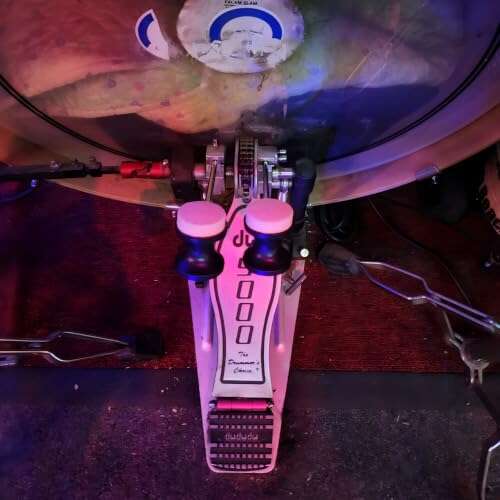
- Bass drum pedals
- Hi-hat stands
- Cymbal stands
- Snare stands
- Tom holders
- Drum racks
- Throne hardware
- Clamps and accessories
High-end hardware may be designed and specified by TAMA in Japan while being produced elsewhere. Product design and factory location are separate facts.
For hardware, check the individual product label or official specification. A complete TAMA kit may contain drums made in one country and hardware made in another.
What does “made in Japan” mean for a TAMA kit?
“Made in Japan” identifies the country where the product received its substantial manufacturing work. It does not mean every raw material or every small part came from Japan.
A drum may contain materials or components sourced through an international supply chain. This is normal in musical instruments. The country label gives the product’s declared manufacturing origin, not a list of every supplier involved.
For US buyers, country-of-origin claims should be treated as product information that applies to the specific item. The Federal Trade Commission provides general guidance on “Made in USA” claims, but TAMA’s Japanese and Chinese labels are not the same type of claim as an unqualified US-origin claim.
Common mistakes when identifying a TAMA drum’s origin
Mistake 1: Assuming every TAMA drum is made in Japan
TAMA is a Japanese brand, but its drums are made in Japan and China. The series is more useful than the brand name alone.


Mistake 2: Treating all Starclassic drums as Japanese
Starclassic includes more than one line. Starclassic Performer and higher Starclassic models can have different construction and production locations.
Mistake 3: Using an old forum post as the final answer
Manufacturing details can change. A post from several years ago may describe an older model.
Mistake 4: Trusting a retailer title without checking the model code
Retail listings can contain copy errors. Compare the retailer’s model number with TAMA’s official US listing.
Mistake 5: Equating country with sound quality
Build level, shell design, heads, tuning, and condition usually tell you more about the drum’s practical performance.
Quick decision guide for US buyers
| Your main goal | What to check first |
|---|---|
| Lowest cost for a complete kit | Imperialstar or another entry-level series |
| A mid-range kit for regular gigs | Superstar Classic or Starclassic Performer |
| Compact setup | Club-JAM |
| Highest TAMA production tier | STAR series |
| Buying used | Model code, production year, condition, and labels |
| Buying online | Official product page and exact country-of-origin details |
| Comparing sound | Shell design and heads, not origin alone |
If origin is central to your buying decision, ask the dealer to confirm it in writing before payment. This is especially useful for discontinued finishes, special editions, and used drums.
Frequently asked questions
Are TAMA drums made in the United States?
No. TAMA is a Japanese brand, and its drums are generally made in Japan or China. TAMA products sold in the United States are imported rather than made in the United States.
Are all STAR drums made in Japan?
The STAR drum series is made in Japan. Confirm the exact model if you are buying a used drum or a special-order product.
Are China-made TAMA drums good?
They can be very good. Many China-made TAMA kits are designed for serious students, gigging players, and working drummers. Judge the specific series, shell design, hardware, and condition.
Where are TAMA pedals made?
TAMA pedal production varies by model. Many TAMA hardware products are made in Asian facilities outside Japan. Check the pedal’s product page, box, or label for the exact origin.
How can I verify a used TAMA kit?
Ask for the model number, badge photos, country-of-origin label, production year, and close-up photos of the shells and hardware. Then compare the details with TAMA’s official product information.
Sources and verification points
For the most reliable current information, compare the exact model across:
- TAMA USA
- TAMA product catalog and product pages
- Hoshino Gakki
- Federal Trade Commission guidance on country-of-origin claims
Catalogs and dealer listings can age quickly. The exact product page, physical label, and model code should take priority over a general statement about the TAMA brand.
Conclusion
TAMA drums are made in Japan and China. The STAR series is made in Japan, while many popular lines, such as Imperialstar, Superstar Classic, Club-JAM, and Starclassic Performer, are made in China.
For a new purchase in the United States, start with the exact model number and TAMA’s US product page. For a used kit, inspect the badge, label, year, and condition. Country of manufacture is useful, but the drum’s series, shell design, hardware, and setup will tell you more about how it will serve you.

Senior Music Reviewer


Alex Carter is a seasoned music reviewer with over a decade of experience in the world of sound and instruments. Passionate about helping musicians and enthusiasts make informed choices, he brings sharp insights and in-depth knowledge to every review. From classical instruments to modern gear, Alex combines technical expertise with a love for music to deliver content that resonates with readers.
As a Senior Music Reviewer and expert author on Tuneluma.com, Alex is dedicated to sharing honest evaluations, practical advice, and thoughtful commentary to guide readers in their musical journey.