Are Electric Violins Good For Beginners: Best Guide
Yes, electric violins can suit beginners, but acoustic violins often build core skills more naturally.
The answer to “are electric violins good for beginners” depends on your goals, practice space, budget, and musical style. Electric violins offer quiet practice, useful effects, and easy recording, but they can also hide poor technique and add setup challenges. This guide explains the key differences so you can choose with confidence.

Are Electric Violins Good for Beginners?
Yes, an electric violin can be good for a beginner. It is especially useful if you live in an apartment, share a home, or want to practice with headphones. You can lower the volume and avoid disturbing family members or neighbors.
Still, an electric violin is not always the easiest first instrument. A beginner must learn bow control, finger placement, posture, rhythm, and intonation. These skills matter on both electric and acoustic violins.
For many new players, a good acoustic violin gives clearer feedback. You can hear every scratch, weak note, and pitch problem. That sound may feel harsh at first, but it helps you correct mistakes.
An electric violin can soften or change the sound through an amplifier. This is helpful for fun practice, but it may make it harder to hear small errors. In simple terms, an acoustic violin is like learning to drive on a clear road, while an electric violin may add extra controls before you know the basics.

How Electric Violins Work
An electric violin uses a pickup to turn string movement into an electrical signal. That signal travels through a cable to an amplifier, audio interface, effects pedal, or headphone system.
Most electric violins still use familiar violin parts:
• Four strings tuned to G, D, A, and E
• A bow for creating sound
• A fingerboard for changing pitch
• A bridge that supports the strings
• Tuning pegs and fine tuners
• A chin rest and shoulder rest, depending on the design
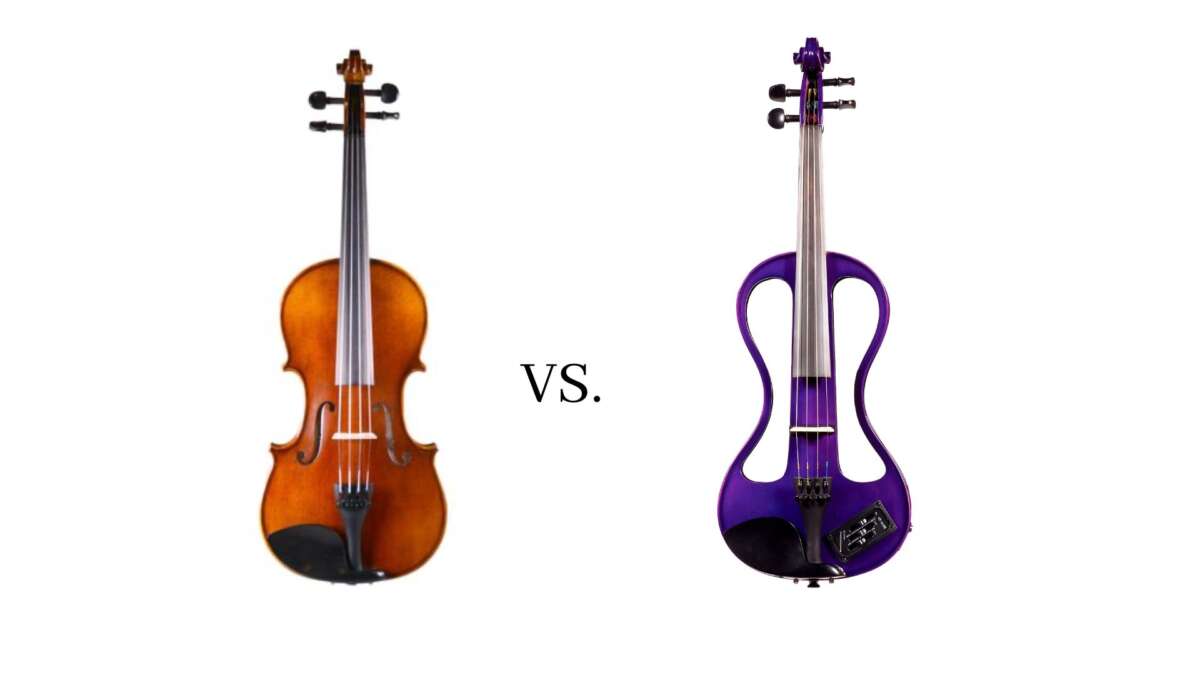
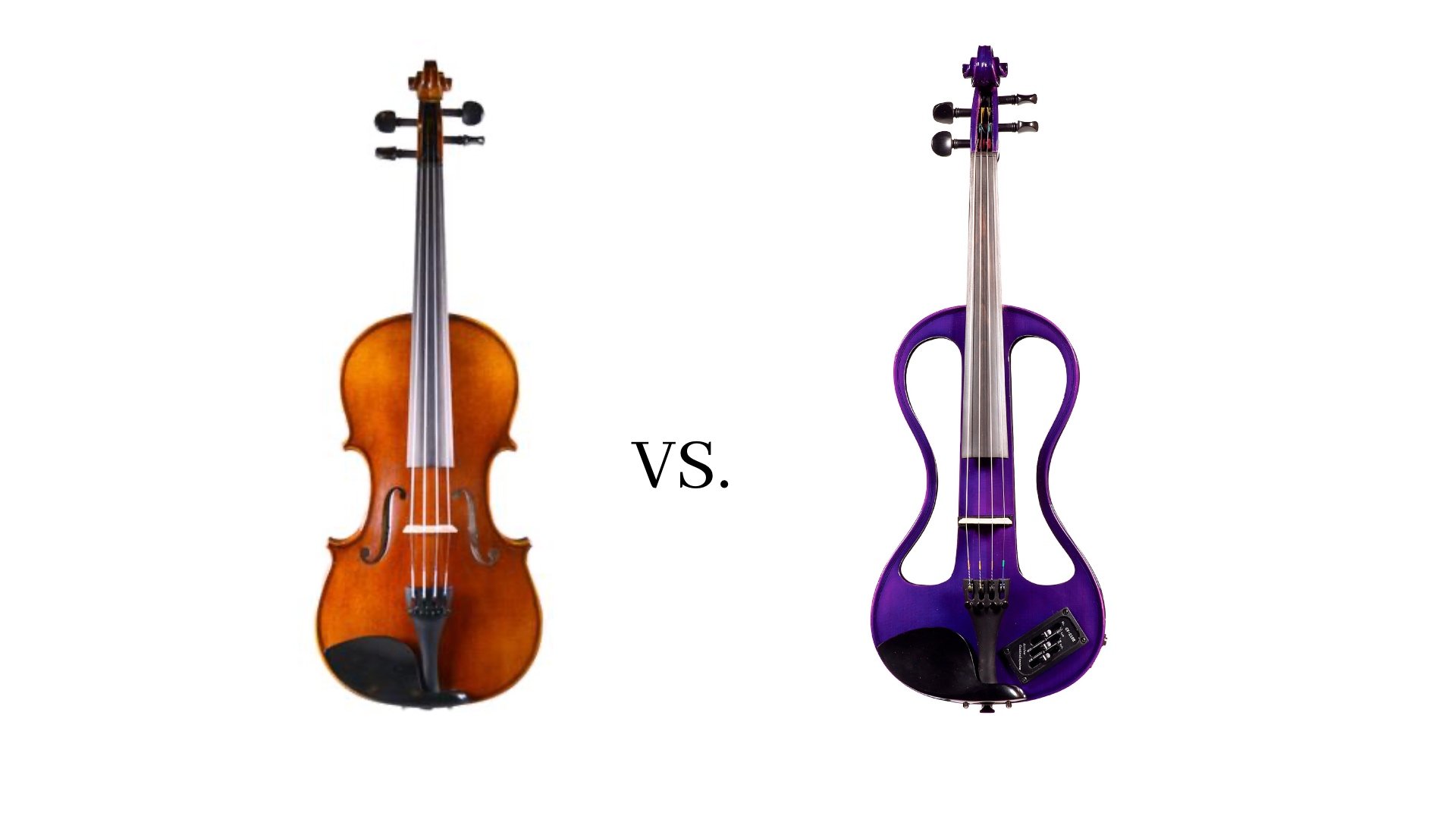
The main difference is sound production. An acoustic violin uses a hollow wooden body to project sound. An electric violin relies on electronics and external equipment.
Some models are silent violins. They still produce a small natural sound, but headphones can make the amplified tone private. Other models are designed for stage use and include effects, built-in preamps, or unusual body shapes.
This design creates both freedom and responsibility. You can shape your sound in many ways, but you also need to understand cables, batteries, amplifiers, and signal levels.
Benefits of Electric Violins for Beginners
Electric violins offer several practical benefits. These advantages explain why many new players search for electric instruments before buying an acoustic violin.
Quiet Practice
Quiet practice is the biggest advantage. A beginner can use headphones and practice scales early in the morning or late at night.
This makes it easier to build a daily habit. Regular practice is more important than long, rare sessions. Even 15 minutes each day can help develop muscle memory.
However, headphone practice should not replace all open listening. You need to hear the natural response of the instrument from time to time. Otherwise, you may miss problems with bow pressure, tone, or volume.
Easy Recording
Many electric violins connect to an audio interface or mixer. This lets you record practice sessions, lessons, and simple music projects.
Recording can reveal issues that feel invisible while you play. You may notice that your bow changes sound unevenly or that certain notes are consistently sharp or flat.
A phone can also record an acoustic violin. Electric instruments simply make direct recording more convenient in some situations.
Creative Sound Options
Electric violins can work with reverb, delay, distortion, looping, and other effects. These tools appeal to beginners who enjoy pop, rock, folk, worship music, electronic music, or live performance.
Effects can make practice more exciting. A student who feels bored with basic exercises may stay engaged when learning a melody with a backing track.
The risk is distraction. Effects cannot fix weak intonation or poor bow technique. They are best treated as color for your music, not as a mask for mistakes.
Reduced Feedback Problems
Electric violins can be useful with amplified bands. A microphone placed near an acoustic violin may create feedback at high volume. A pickup system can reduce this problem when it is properly set up.
This matters for players who want to perform with a band later. The instrument can fit into a larger sound system more easily than a basic acoustic violin with a microphone.
Strong Visual Appeal
Some electric violins have modern designs and bright colors. This may seem minor, but motivation matters. If you enjoy holding and looking at your instrument, you may practice more often.
A beautiful instrument does not guarantee progress. It can, however, make the first months feel more exciting.
Drawbacks of Electric Violins for New Players
The answer to “are electric violins good for beginners” must include their limits. Electric models are not automatically easier, quieter in every situation, or better for learning.
Extra Equipment Costs
An electric violin may need more than the instrument itself. You may also need:
• A bow
• Rosin
• Headphones
• An amplifier or audio interface
• A cable
• Batteries or a power supply
• A shoulder rest
• A tuner
• A protective case
These costs can make a low priced electric violin less affordable than expected. A complete beginner setup should include the full system, not only the violin.
Artificial Sound Quality
Low cost electric violins may sound thin, harsh, nasal, or synthetic. The problem may come from the pickup, preamp, strings, amplifier, or poor setup.
Sound quality also depends on the headphones or speaker. A weak amplifier can make a good instrument sound disappointing.
Before buying, listen to recordings made with the same model. Look for natural playing examples rather than polished advertisements.
Less Acoustic Feedback
An acoustic violin responds through its wooden body. You feel vibration in your jaw, shoulder, hands, and chest. This physical feedback helps many students understand bow pressure and tone.
Some electric violins feel different because they have a solid or reduced body. That does not make them bad, but it can make the first lessons less intuitive.
Poor Setup on Cheap Models
Setup is critical for every violin. The bridge must be shaped correctly, the strings must sit at a comfortable height, and the fingerboard should be smooth.
Many inexpensive electric violins arrive with basic factory setup. High strings can make fingering painful. A badly placed bridge can affect comfort and sound.
A qualified violin shop can improve the instrument. This service adds cost, but it may make more difference than upgrading the pickup.
Heavier or Unbalanced Designs
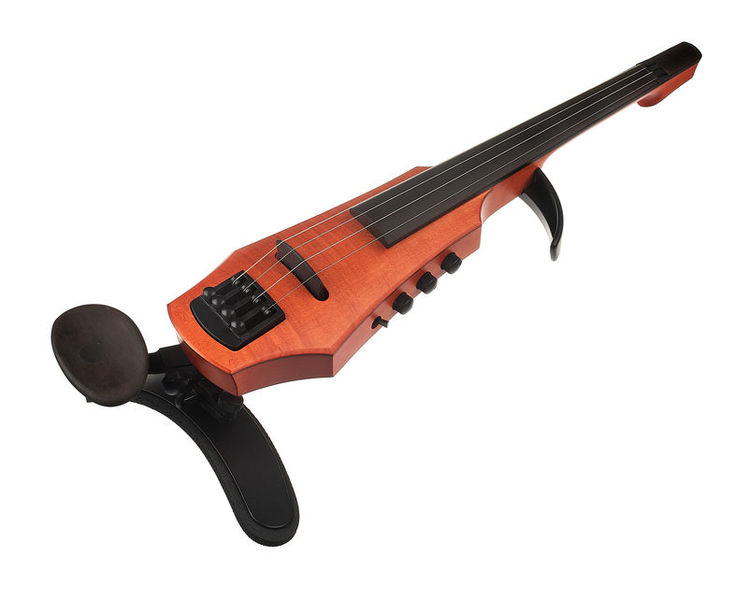
Some electric violins are heavier than acoustic violins. Others have unusual body shapes that change the balance between the neck and body.
A beginner may tense the shoulder or wrist to keep the instrument stable. That tension can lead to discomfort and slow progress.
Always check the instrument while standing and sitting. Comfort should matter more than appearance.

Electric Violin vs. Acoustic Violin for Beginners
Both instruments can teach the basic violin skills. The better choice depends on the player’s situation.
| Feature | Electric violin | Acoustic violin |
|---|---|---|
| Quiet practice | Excellent with headphones | Limited |
| Natural tone | Depends on electronics | Direct and immediate |
| Extra equipment | Usually required | Usually minimal |
| Recording | Easy with an audio connection | May need a microphone |
| Beginner feedback | Can be less clear | Very clear |
| Effects | Available | Not built in |
| Weight and balance | Varies by model | Usually familiar |
| Long-term versatility | Strong for amplified music | Strong for classical and acoustic music |
Choose an electric violin first if:
• You must practice quietly
• You plan to use effects or loopers
• You want to record directly
• You expect to play with amplified musicians
• You feel more motivated by modern instruments
Choose an acoustic violin first if:
• You want classical training
• You need the simplest setup
• You want clear natural feedback
• You plan to play in orchestras or acoustic groups
• Your budget is limited
Some teachers suggest starting with an acoustic violin and adding an electric violin later. This can be a sensible path, but it is not the only valid choice. A motivated student with an electric violin can make excellent progress with good instruction.

Can You Learn Violin on an Electric Violin?
Yes, you can learn violin on an electric violin. You can practice scales, songs, bow exercises, rhythm, vibrato, and sight reading on it.
The instrument should have normal violin spacing and a comfortable neck. Avoid unusual models that change the string layout or playing position. Those designs may be fun for advanced performers but confusing for a beginner.
A teacher can help you avoid the most common problems. They can check your:
• Shoulder and elbow position
• Left hand shape
• Bow grip
• Finger placement
• Intonation
• Bow angle
• Instrument balance
Use headphones only during part of your practice. Spend some time listening to the dry or least processed sound. This keeps your ear active and helps you notice pitch problems.
A useful practice plan looks like this:
- Tune the violin carefully.
- Play open strings with slow, even bows.
- Practice simple finger patterns with a tuner.
- Play scales at a slow speed.
- Work on one short song.
- Record yourself once or twice each week.
- Review your posture and sound.
This routine works on both electric and acoustic instruments.