How Much Is My Piano Worth: Free Valuation Guide
Most used pianos are worth $0 to $20,000, but brand, age, condition, and local demand can change the value greatly.
If you are asking, “how much is my piano worth,” the answer depends on more than its age or original price. A well-kept Steinway may hold strong value, while an old spinet from a common brand may cost more to move than it sells for. This guide explains how professionals estimate piano value, what buyers look for, and how to avoid pricing mistakes.
What Determines How Much Your Piano Is Worth?
The value of a piano comes from its brand, model, age, condition, type, location, and current demand. Think of the piano market like the used-car market. A famous brand with careful maintenance can be valuable, while an unknown model with major damage may have little resale value.
When asking how much is my piano worth, start with these key factors:
• Brand and model
• Piano type and size
• Age and serial number
• Overall condition
• Repair and maintenance history
• Local buyer demand
• Moving costs
• Recent sale prices for similar pianos
A piano’s original retail price does not tell you its current value. A piano that cost $10,000 decades ago may sell for a few hundred dollars today. In contrast, some respected concert and professional models can keep much of their value for many years.
A piano is also different from most household items because it is costly to move. A buyer may love the instrument but still reduce the offer by $500 to $2,000 because of stairs, long-distance transport, or difficult access.
Used Piano Value Ranges in the United States
There is no single price list that applies to every piano. Still, broad ranges can help you set realistic expectations before getting an appraisal.
Spinet and Console Pianos
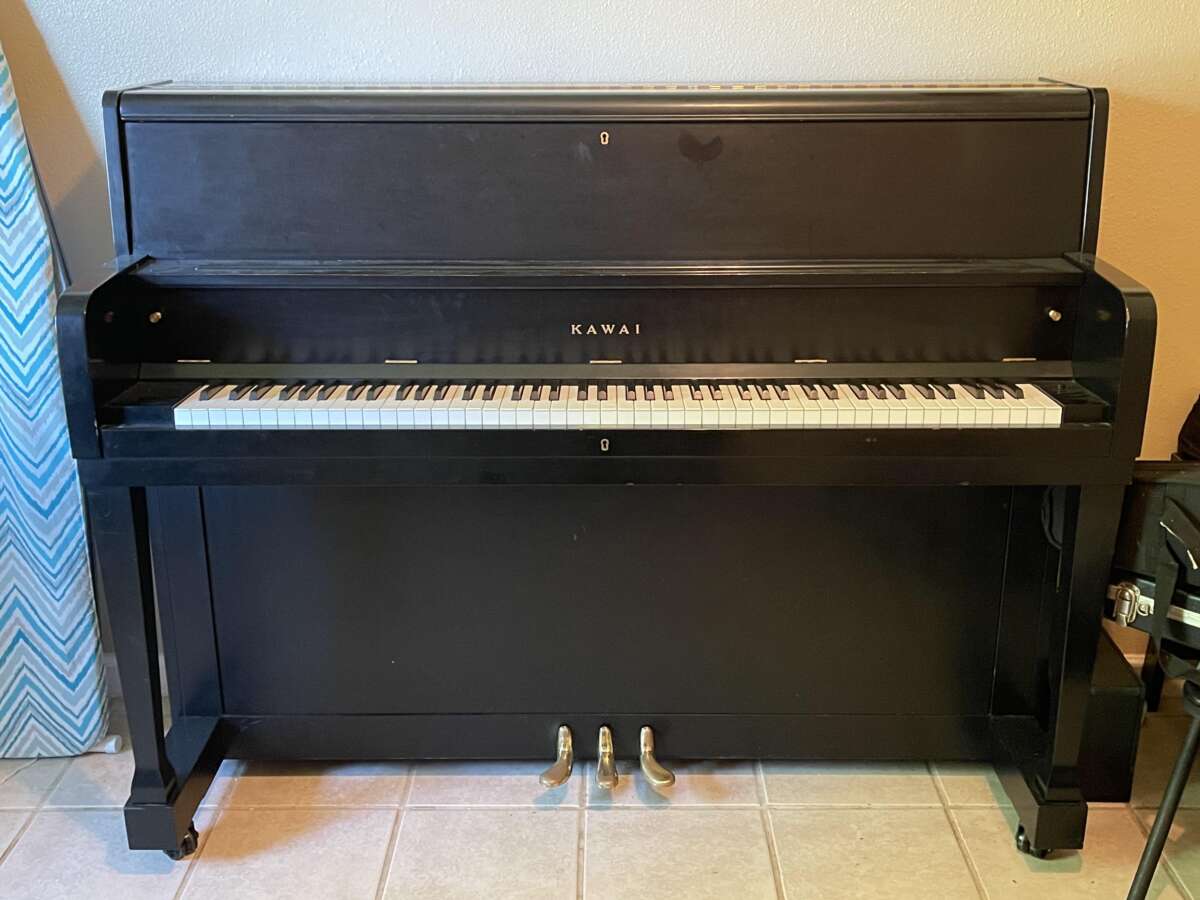
Older spinets and small consoles often sell for $0 to $1,500. Many are between 40 and 70 years old, and demand is limited because their tone and action are less appealing to serious players.
A clean, recently serviced console from a respected maker may bring more. A worn spinet with sticking keys, cracked parts, or a damaged cabinet may have little market value.
Studio Upright Pianos
Studio uprights are taller and often stronger than spinets. Depending on brand, condition, and age, they may sell for $500 to $5,000.
Professional studios, music schools, and home players often prefer these pianos because they offer a fuller sound. Brands with good reputations tend to perform better in the used market.
Professional Upright Pianos
A high-quality upright piano may sell for $2,000 to $10,000 or more. The exact value depends on the maker, model, restoration work, and local demand.
A well-maintained professional upright can sometimes outperform a cheaper baby grand. Buyers often care more about tone, touch, and reliability than the piano’s shape.
Baby Grand Pianos
Baby grands range from about $2,000 to more than $20,000 on the used market. Common older models may sell near the lower end, while respected brands in excellent condition may sell for much more.
Size matters, but it is not everything. A 5-foot grand from a strong brand may be worth more than a larger grand from a lesser-known maker.
Full-Size and Concert grands
large grands can range from several thousand dollars to well over $100,000. A new or restored concert grand from a top manufacturer may command a high price, but most used home grands sell for far less.
The piano’s history matters greatly. A concert instrument that has worked hard in a school or church may need major rebuilding. A privately owned piano with light use may be in better condition.
Digital Pianos
Digital pianos usually lose value faster than acoustic pianos. Many used models sell for 20% to 50% of their original price, depending on age, features, brand, and condition.
Technology changes quickly. A digital piano that was advanced ten years ago may lack current sounds, connections, or key action features. Check the model year and replacement cost before setting your price.
How Brand and Model Affect Piano Value
Brand is one of the strongest clues when estimating how much is my piano worth. Buyers often recognize certain manufacturers for their sound, craftsmanship, parts supply, and long-term support.
Commonly respected acoustic piano brands may include:
• Steinway & Sons
• Bösendorfer
• Yamaha
• Kawai
• Mason & Hamlin
• Baldwin
• Shigeru Kawai
• Knabe
• Chickering
• Charles Walter
Brand alone does not guarantee a high price. A famous piano with a cracked soundboard or worn-out action may be worth less than a lesser-known piano in excellent condition.
The model also matters. Manufacturers produce entry-level, studio, professional, and concert instruments. Find the exact model number rather than relying only on the brand name.
For example, “Yamaha grand piano” is not enough information. A Yamaha G1, C1, C3, or CF model can have very different values. The same is true for Steinway models such as the M, O, A, B, and D.

How to Find Your Piano’s Age and Serial Number
The serial number is one of the best tools for estimating piano age. It helps identify the production year and may help you compare the piano with similar sales.
You can often find the serial number in one of these places:
• Inside the piano near the tuning pins
• On the cast iron plate
• Under the music desk
• On the back of an upright piano
• Near the keyboard
• Under the grand piano’s lid or rim
• On a digital piano’s rear label
Write down the brand, model, serial number, finish, and size. Take clear photos of the label and the full piano.
Be careful when searching online. Some websites list production dates, but serial number charts can contain errors or cover only certain factories. Use the number as a starting point, then confirm it with a qualified piano technician or established dealer.
Age is not automatically bad. A 100-year-old piano may be valuable if it was rebuilt by a skilled technician. An unmaintained piano from the 1980s may be worth very little.

How Condition Changes Piano Value
Condition can change a piano’s value by thousands of dollars. A buyer is not only paying for the cabinet. They are paying for the instrument’s ability to produce a stable, attractive sound.
A piano technician will usually examine: