Do Electric Violins Make Noise: What To Expect
Yes, electric violins make some sound unplugged, but headphones or an amplifier are needed for full volume.
The answer to “do electric violins make noise” depends on how you play the instrument and what you connect to it. An electric violin can produce a soft acoustic sound through its strings and body, yet it works very differently from a traditional violin. This guide explains its volume, sound sources, silent practice ability, setup needs, and common mistakes so you can choose and use one with confidence.

Do electric violins make noise?
Yes, electric violins make noise, but the amount of sound varies. When you bow the strings without connecting the violin to an amplifier, you usually hear a quiet, thin tone. It is often much softer than the sound from an acoustic violin.
An electric violin uses a pickup to sense string movement. The pickup changes that movement into an electrical signal. That signal then travels through a cable to an amplifier, audio interface, effects pedal, or headphones.
This creates two types of sound:
• Acoustic sound: The soft sound you hear directly from the strings and instrument body.
• Amplified sound: The louder sound produced through an amplifier, speaker, or headphones.
The design also affects volume. Some electric violins have a solid body with little natural resonance. Others have a hollow or semi-hollow body that adds more acoustic sound. A solid-body model is often better for quiet practice, while a hollow model may feel more familiar to acoustic violin players.
So, do electric violins make noise when they are unplugged? Yes, but usually not enough for a concert, lesson, or group rehearsal. They make enough sound for the player to feel the bow and check basic intonation, but people nearby may hear very little.
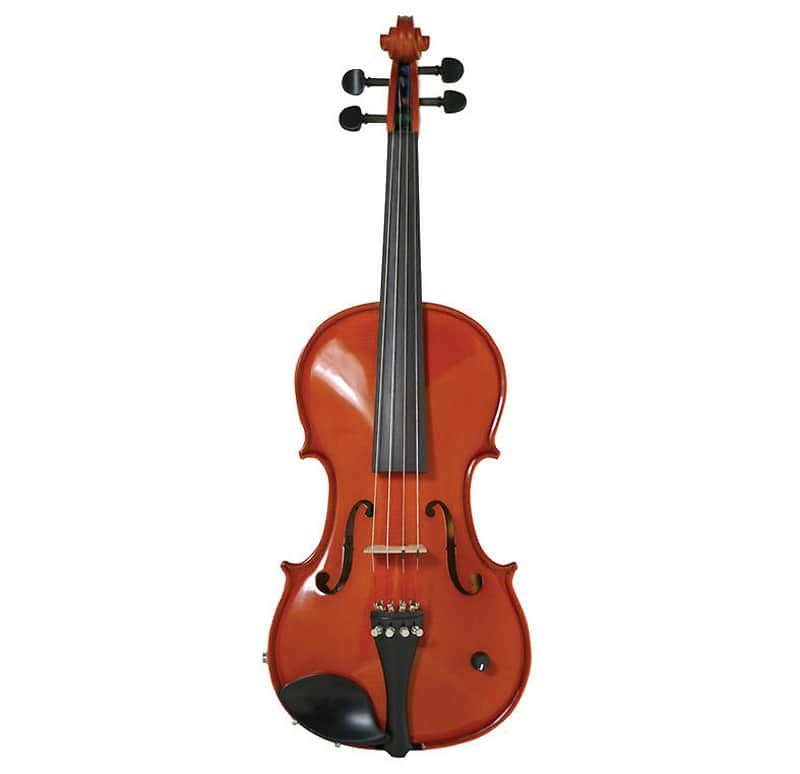
How an electric violin produces sound
A traditional violin creates sound through a chain of natural vibrations. The bow moves the strings, the bridge transfers that movement to the body, and the wooden body amplifies the vibration. The sound then spreads through the air.
An electric violin follows a different path. Its pickup detects the movement of the strings or bridge. The instrument sends that signal to another device, which increases the signal and turns it into audible sound.
The main parts involved
• Strings: The strings vibrate when you bow or pluck them.
• Bridge: The bridge transfers string movement and may hold or connect to the pickup.
• Pickup: The pickup converts vibration into an electrical signal.
• Preamp: Some violins use a preamp to shape or strengthen the signal.
• Output jack: This sends the signal through a cable.
• Amplifier or headphones: These devices make the signal loud enough to hear clearly.
The pickup does not create sound by itself. It captures vibration. The amplifier acts like a loudspeaker system for that captured signal.
This is why do electric violins make noise in different ways depending on the setup. A violin with a weak pickup, poor cable, or unsuitable amplifier may sound quiet or dull. A good pickup and clean amplifier can produce a strong, clear tone.
Most electric violins use piezoelectric pickups. These pickups respond to pressure and vibration. Some models use magnetic pickups, but those require compatible metal strings and are less common in standard violin designs.
How loud is an electric violin without an amplifier?
An unplugged electric violin is usually quieter than an acoustic violin. The exact volume depends on the body shape, materials, bridge, strings, and construction.
A solid-body electric violin may sound like a muted practice instrument. You can hear the bow and notes up close, but someone in the next room may not hear much. A hollow-body electric violin can be louder because its body moves more air.
The sound is also different from a muted acoustic violin. An acoustic violin with a practice mute still uses its wooden body to create sound. An electric violin with a solid body has far less natural resonance.
In real use, I have found that players often overestimate how silent these instruments are. The amplified sound can be completely silent to people nearby when you use headphones, but the bow still makes a small physical sound. You may also hear finger movement, string contact, and the click of the bow hair.
Room conditions matter too. In a quiet apartment, a neighbor may notice repeated bow noise through a shared wall. In a busy home, the same sound may disappear into normal background noise.
If quiet practice matters, look for:
• A solid-body design
• A headphone output
• A built-in volume control
• A smooth pickup system
• Good fit and finish around the bridge
• A quiet practice room with soft furnishings

Do electric violins make noise with headphones?
Do electric violins make noise with headphones? They can produce a clear and full sound through headphones while making very little airborne sound in the room.
To use headphones, the violin must have a headphone output or connect to a device with one. Some electric violins include a built-in headphone jack. Others need a small amplifier, audio interface, or headphone amplifier.
The connection may follow one of these paths:
-
Electric violin to headphone amplifier to headphones
-
Electric violin to audio interface to headphones
-
Electric violin to practice amp with a headphone output
-
Electric violin to effects unit with a headphone output
Do not connect regular headphones directly to a standard instrument output unless the device supports it. A normal violin output may not provide enough power or the correct signal path for headphones.
A headphone setup offers several benefits:
• You can practice late at night.
• You can hear effects without filling the room.
• You can play along with backing tracks.
• You can record without using a loud speaker.
• You can control your listening volume.
Protect your hearing. The World Health Organization warns that repeated exposure to loud personal audio can cause hearing damage. Start at a moderate volume and take breaks. If your ears ring after playing, lower the volume and rest.

Do electric violins make noise when plugged into an amplifier?
Yes, do electric violins make noise when plugged into an amplifier, and they can become much louder than acoustic violins. The amplifier turns the small pickup signal into a strong speaker signal.
The final volume depends on several factors:
• Pickup output
• Amplifier power
• Speaker size
• Gain and volume settings
• Cable quality
• Bow pressure and playing style