What Is A Good Violin To Buy: Best Buying Guide
For most players, a good violin to buy is a well-set-up student model from a trusted maker.
Choosing a violin can feel confusing because price, wood, brand, size, and sound all matter. After helping new players compare instruments, I have found that setup quality often matters more than a famous label. This guide explains what is a good violin to buy for beginners, students, advancing players, and serious musicians, so you can spend wisely and enjoy your first notes.
What makes a violin good?
A good violin should feel comfortable, respond easily, stay in tune, and produce a clear sound across all four strings. It does not need to be expensive, old, or made by a famous violin maker. A well-made instrument with proper setup can help a new player learn far more easily.
The main parts of a violin include the body, top, back, ribs, neck, fingerboard, bridge, tailpiece, chin rest, and tuning pegs. Each part affects comfort, tone, durability, or ease of use.
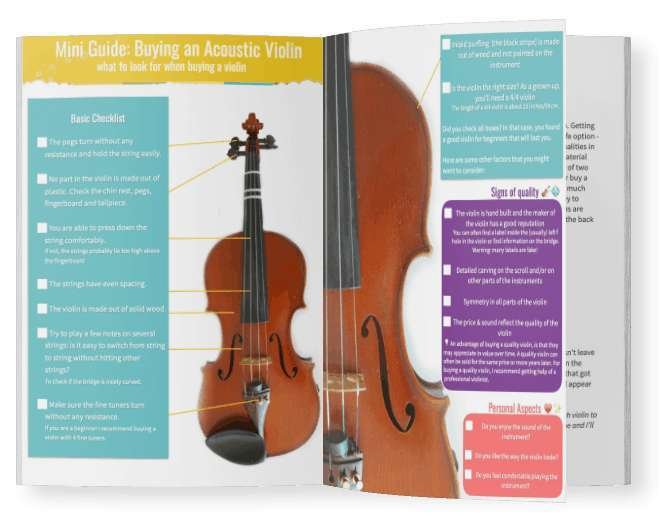
When asking what is a good violin to buy, look at these core qualities:
• A straight neck that feels smooth in the hand
• A properly shaped bridge with clean string grooves
• Pegs that turn smoothly and hold their pitch
• A fingerboard made from ebony or another suitable hard wood
• Fine tuners that work without sticking
• A soundpost that is standing correctly inside the body
• Even spacing between the strings
• No open cracks or loose seams
• A warm, clear tone without harsh buzzing
A violin is much like a bicycle. A basic model that fits well and works correctly is better than an expensive model that is poorly adjusted. Setup turns a wooden instrument into a usable musical tool.

The best violin types for different players
The best violin depends on your age, skill level, budget, and musical goals. A small child may need a fractional-size violin, while an adult beginner usually needs a full-size 4/4 instrument.
Best violin for a beginner
A beginner should usually choose a reliable student violin from a respected workshop or specialist retailer. These instruments are built for regular practice and are often easier to play than very cheap factory violins.
A beginner violin should have:
• A comfortable neck
• Correct string height
• A fitted bridge
• Good-quality strings
• Smooth tuning pegs
• A durable case and bow
If you are deciding what is a good violin to buy for a first lesson, do not focus only on the finish. A shiny varnish may look attractive, but it tells you little about how the violin plays.
Best violin for a child
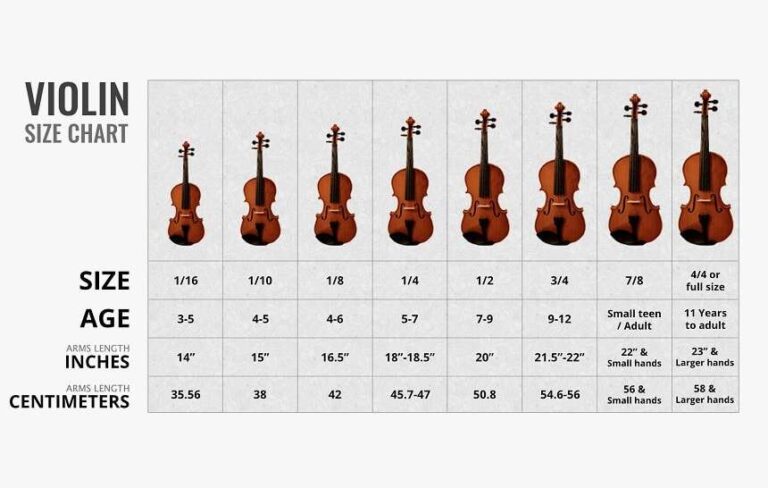
Children need the correct violin size. Common sizes include 1/16, 1/10, 1/8, 1/4, 1/2, 3/4, and 4/4. The right size depends on arm length and hand reach, not age alone.
A teacher or violin shop should measure the child. A violin that is too large can cause tension, poor posture, and slow progress. A violin that is too small may feel cramped and limit technique.


Many families choose a rental plan for a child who is still growing. A good rental program may allow size exchanges and repair support. This can cost less than buying several instruments over a few years.
Best violin for an adult beginner
Most adults need a full-size violin. An adult beginner should look for a comfortable instrument with a clear tone and stable tuning. A mid-level student model is often a better choice than the cheapest new violin.
The best violin to buy for an adult beginner is one that feels easy to hold and does not fight every movement. A difficult instrument can make practice feel like pushing a heavy door open.
Best violin for an advancing player
An advancing player may benefit from a violin with more tonal color, projection, and dynamic range. At this stage, the player can test how an instrument reacts to soft bowing, strong bowing, and higher positions.
A good upgrade violin may be new, used, or made by a respected contemporary maker. It should support your musical growth without forcing you to pay for prestige alone.
New violin or used violin?
Both new and used violins can be excellent choices. Age alone does not determine quality. A well-maintained modern violin can outperform a neglected older instrument.
Advantages of a new violin
• It may include a warranty
• Repairs and returns are often easier
• The condition is simpler to assess
• Modern student models can offer good value
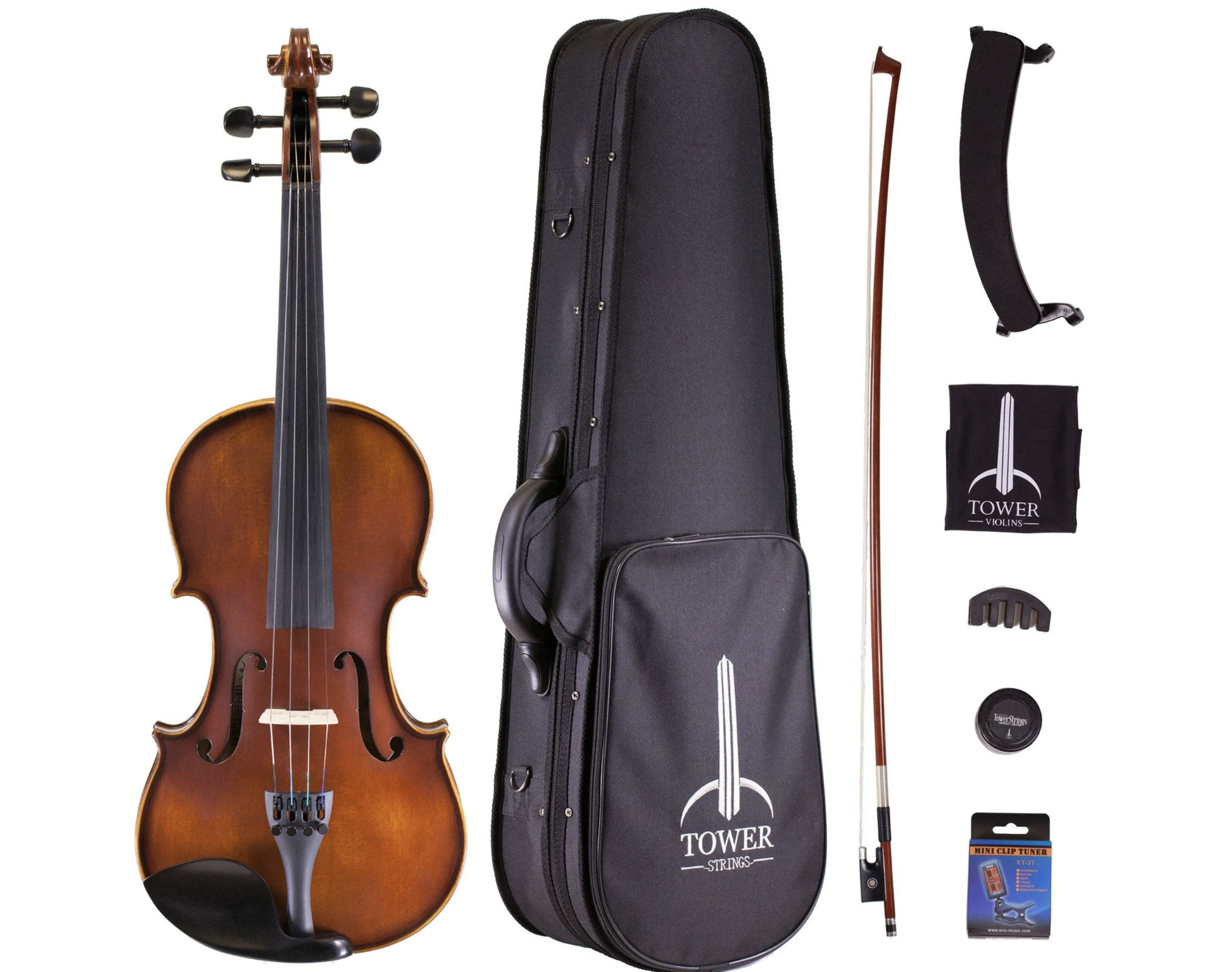
• You can often order a matching outfit with a case and bow
A new violin may sound better after it is played regularly. Wood can respond and settle over time, although this does not transform a poor instrument into a great one.
Advantages of a used violin
• You may get better materials for the price
• Older instruments can have a mature, pleasant tone
• A good used violin may hold its value well
• You can sometimes find a professional setup already completed
Used violins need careful inspection. Look for repaired cracks, worn pegs, loose seams, neck problems, and signs of water or heat damage.
When considering what is a good violin to buy used, ask for a trial period. A violin should be checked by a qualified violin shop or experienced teacher before you commit.

How much should you spend on a violin?
Violin prices vary widely, but spending more does not always guarantee a better playing experience. The right budget depends on how often you will play and how long you expect to keep the instrument.
Typical price ranges in the United States include:


• Under $200: Often inconsistent and may need costly setup work
• $200 to $600: Basic student instruments, with quality varying greatly
• $600 to $1,500: More dependable student and early intermediate options
• $1,500 to $5,000: Strong intermediate and advanced instruments
• Above $5,000: Professional, collectible, or specialist instruments
These figures are broad estimates. Brand, materials, craftsmanship, condition, region, and setup all affect the final price.
For many new players, the most sensible choice is a complete outfit in the $400 to $1,200 range from a reputable violin shop. A professional setup may cost extra, but it can make a major difference.
Very cheap violins often require new strings, bridge work, peg adjustments, and fingerboard correction. After those repairs, the final cost may approach the price of a better instrument.

Important features to inspect before buying
A violin can look beautiful and still be hard to play. Use your eyes, ears, and hands when testing one.
Check the body
Inspect the top, back, and ribs under good light. Small repaired cracks may be safe, but they should be disclosed and assessed by a professional. Avoid instruments with large open cracks, loose parts, or signs of serious impact.
The seams around the body should be closed. A loose seam may be repairable, but it should affect the price.
Check the neck and fingerboard
The neck should feel straight and secure. The fingerboard should have the correct curve and should not feel rough under the fingers.
If the fingerboard is badly shaped, the strings may sit too high or buzz against the wood. This problem can make accurate fingering much harder.
Check the bridge
The bridge should stand upright and fit the top of the violin. Its feet should sit flat. A bridge that leans backward or has poorly cut grooves may need replacement.
The bridge is not just a support. It transfers string vibration into the body, much like a small acoustic doorway.
Check the pegs and fine tuners
Pegs should turn smoothly but hold firmly. If they slip, the violin will not stay in tune. For beginners, fine tuners can make small pitch changes easier.
Many student outfits include four fine tuners. Some players later prefer a lighter tailpiece with one fine tuner, but comfort and control matter most at the beginning.
Check the sound
Play each string slowly. Listen for:


• A clear response
• Even volume between strings
• No constant buzzing
• A tone that is not painfully sharp
• A sound that remains stable under different bow pressure
Do not expect a beginner to produce a professional sound immediately. Good technique takes time. However, an experienced player or teacher should be able to identify whether the violin responds well.

Why setup matters more than many buyers expect
Setup is the process of adjusting the violin so it plays correctly. It may include fitting the bridge, shaping the nut, adjusting the pegs, checking the soundpost, leveling the fingerboard, and choosing suitable strings.
In my experience, setup is the most common detail new buyers overlook. I have seen players blame themselves for weak tone when the real problem was a bridge that was too thick or strings that were too high.
A proper setup can improve:
• Tuning stability
• Comfort under the left hand
• Bow response
• Tone quality
• String clearance
• Learning speed
This is why what is a good violin to buy cannot be answered by brand name alone. A modest violin with excellent setup may be more enjoyable than a costly violin with poor adjustment.
Ask the seller these questions:
- Who set up the violin?
- What strings are installed?
- Is the bridge fitted to this instrument?
- Can I return or exchange it?
- Does the price include a bow and case?
- Will the shop provide future adjustments?
A reputable shop should answer clearly. Unclear answers are a warning sign.

Choosing the bow, strings, and case
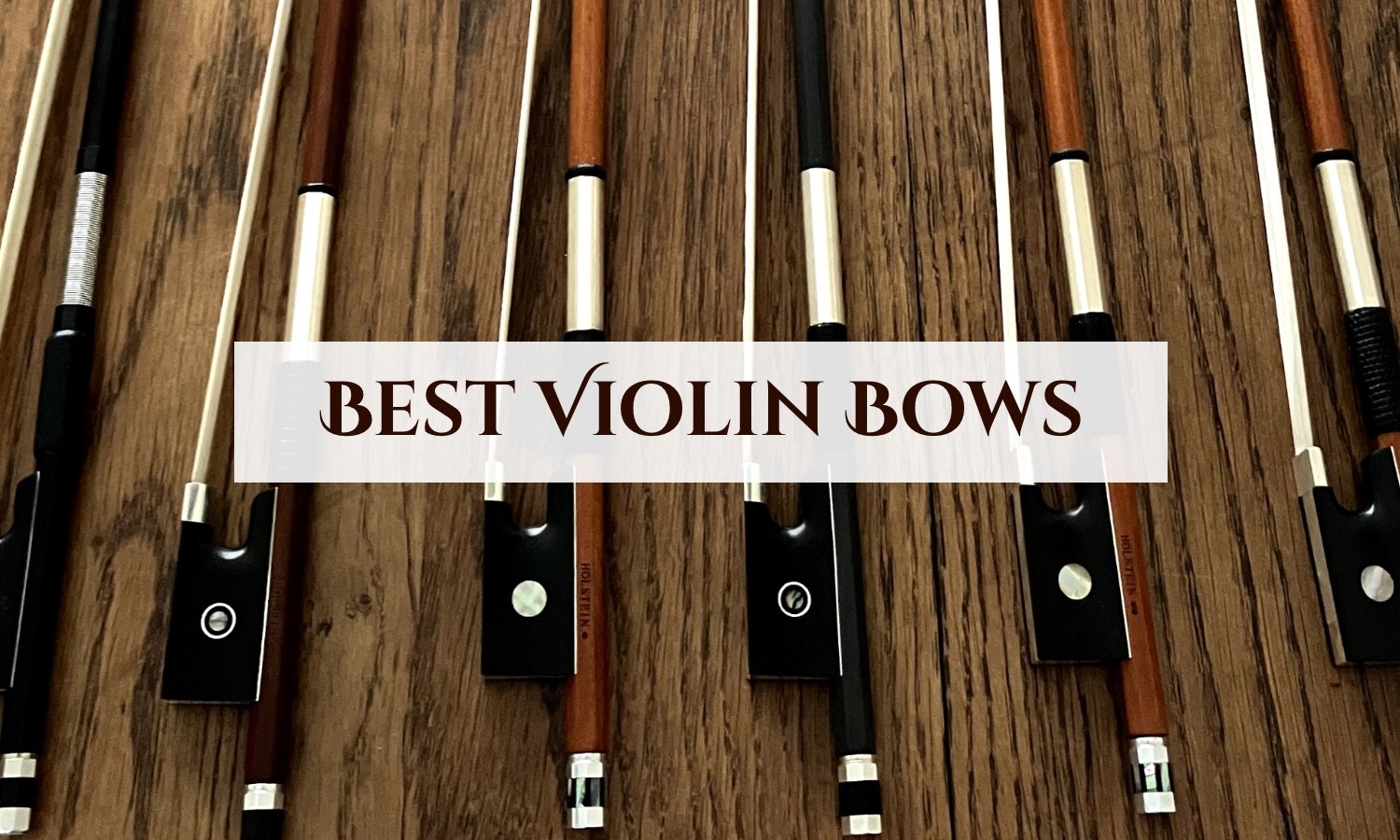
A violin is sold as an instrument, but the bow affects the playing experience just as much. A weak or poorly balanced bow can make a good violin feel unresponsive.
A beginner bow should:
• Have a straight stick
• Hold tension correctly
• Feel balanced in the hand
• Use clean, secure hair
• Produce a steady sound
Carbon fiber bows can be a practical choice for students. They are often durable and resist changes in humidity better than some inexpensive wood bows. A good pernambuco bow may offer richer response, but it can cost much more.


Strings also shape the sound. Synthetic-core strings are common for students because they often provide a warm, stable tone. Steel strings may offer quick response and strong tuning stability. Your teacher or luthier can recommend a suitable set.
The case should protect the violin from impact, rain, heat, and sudden temperature changes. A good case has firm suspension, secure fasteners, room for the bow, and space for rosin and accessories.

Where should you buy a violin?
A specialist violin shop is usually the safest place to buy. Staff can adjust the instrument, provide trial options, and help with repairs. Many shops allow players to take several violins home for a short comparison.
A music store can also be a good choice if it has knowledgeable string staff and a repair service. Online retailers may offer convenience, but quality control varies.
If you buy online, look for:
• A clear return policy
• A stated setup service
• Detailed photos
• Warranty information
• Customer support from string specialists
• Reviews that discuss playability, not only appearance
Be cautious with marketplace listings that use words such as “professional,” “master,” or “antique” without evidence. Decorative language is not proof of quality.
One practical lesson is to compare at least three instruments at the same price. Have a teacher play them while you listen from several feet away. The violin that sounds best beneath your ear may not sound best across the room.

Common violin-buying mistakes to avoid
Buying your first violin should be exciting, not stressful. Avoid these common errors:
• Choosing the cheapest instrument without checking setup
• Buying the wrong size for a child
• Trusting a brand name without testing the instrument
• Assuming an old violin is automatically valuable
• Ignoring cracks, loose seams, or peg problems
• Buying a violin without a return period
• Forgetting the cost of a bow, case, strings, and rosin
• Letting appearance matter more than comfort and sound
• Purchasing a vintage instrument without professional inspection
A frequent mistake is buying based on how the violin sounds when a skilled player demonstrates it. A professional can make almost any decent violin sound impressive. Always have the student play it, too, even if the first notes are rough.
If the buyer is a beginner, ask a teacher to test the violin. This small step can prevent expensive frustration.
A simple process for choosing the right violin
Use this process when comparing instruments:
- Set a realistic total budget.
- Confirm the correct size.
- Visit a specialist shop or choose a seller with a strong return policy.
- Compare at least three violins.
- Ask an experienced player to test them.
- Check the body, neck, bridge, pegs, and seams.
- Listen to every string at soft and strong volume.
- Ask about setup, strings, warranty, and future service.
- Take the favorite instrument home for a trial if possible.
- Choose the violin that feels comfortable and responds easily.
Your first violin does not need to be your forever violin. It only needs to be reliable, comfortable, and inspiring enough to support regular practice.
Frequently asked questions about what is a good violin to buy
What is a good violin to buy for a complete beginner?
A well-set-up student violin from a specialist shop is usually the safest choice. Look for a comfortable neck, stable pegs, a fitted bridge, quality strings, and a clear return policy.
Is a $100 violin good enough to learn on?
Some very inexpensive violins can work, but many need setup repairs that quickly increase the total cost. A dependable violin in the $300 to $800 range is often a better long-term value for a serious beginner.
Should I buy a violin online or in a store?
A store gives you the chance to test several instruments and receive professional setup help. Online buying can work when the seller offers a real trial period, clear photos, warranty coverage, and expert support.
Is an old violin better than a new violin?
Not always. Age can add character, but condition, craftsmanship, setup, and sound matter more than age alone.
What size violin should an adult buy?
Most adults use a full-size 4/4 violin. Smaller adults may still need a full-size instrument, but comfort should be checked by a teacher or trained shop staff.
How do I know whether a violin has good sound?
A good violin should respond without excessive force, produce a clear tone on every string, and offer different colors at soft and strong volumes. Have an experienced player test it while you listen from a short distance.
Do beginners need an expensive violin?
No. Beginners need a reliable and comfortable instrument more than an expensive one. Upgrade later when your technique and musical goals make the differences easier to understand.
Conclusion
The best answer to what is a good violin to buy is not one brand or price. It is a violin that fits the player, has sound construction, receives a careful setup, and feels easy enough to encourage regular practice.
For most beginners, a dependable student model from a reputable shop is the smartest starting point. Compare several instruments, bring a teacher or experienced player, and protect your purchase with a trial period and service support.
Take your time, trust how the violin responds, and choose the instrument that makes you want to play one more song. Explore local violin shops, ask your teacher for recommendations, and share your own buying experience with other players.

Senior Music Reviewer
Alex Carter is a seasoned music reviewer with over a decade of experience in the world of sound and instruments. Passionate about helping musicians and enthusiasts make informed choices, he brings sharp insights and in-depth knowledge to every review. From classical instruments to modern gear, Alex combines technical expertise with a love for music to deliver content that resonates with readers.
As a Senior Music Reviewer and expert author on Tuneluma.com, Alex is dedicated to sharing honest evaluations, practical advice, and thoughtful commentary to guide readers in their musical journey.