Choose a violin that feels comfortable, sounds clear, fits your skill level, and passes a careful hands-on inspection.
Learning how to find a good violin is part science, part listening, and part personal fit. A violin may look beautiful yet feel hard to play, while a plain-looking instrument may have a warm, rich voice. This guide explains how to compare violins, test sound and playability, avoid costly mistakes, and choose an instrument you can enjoy for years.
What Makes a Violin Good?
A good violin has a balanced sound, solid construction, comfortable playability, and a setup that supports your progress. It does not need to be very old or extremely expensive. It needs to work well for your hands, your musical goals, and your budget.
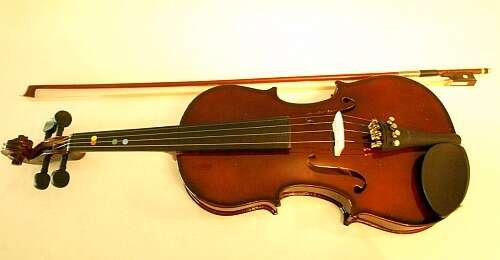
When learning how to find a good violin, think of the instrument as a complete system. The wood, varnish, bridge, strings, soundpost, fingerboard, pegs, and bow all affect your experience.


A violin should offer:
• A clear tone across all four strings
• Easy response when you draw the bow
• Stable tuning
• Comfortable spacing between the strings
• A straight fingerboard with a smooth surface
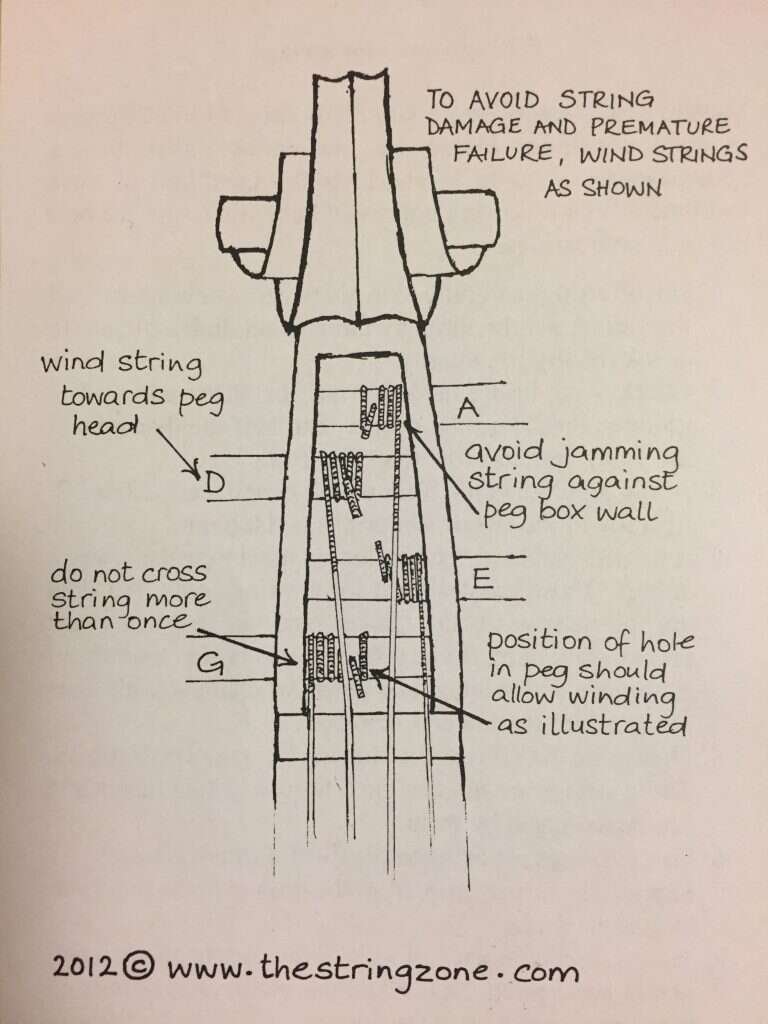
• Secure pegs that turn without slipping
• No serious cracks or loose parts
• A bridge that is correctly shaped and positioned
The best violin is not always the loudest one in a small room. Some instruments sound bright up close but become harsh during longer practice sessions. Others have a softer tone that carries well and blends beautifully with an ensemble.


Set a Realistic Violin Budget
Your budget helps narrow the search, but price alone does not prove quality. A costly violin may need repairs, while a well-set-up student violin may offer excellent value.
For many beginners, a quality student violin from a trusted shop is a safer choice than a cheap online package. Very low-cost instruments often have poor bridges, stiff pegs, weak strings, and rough fingerboards. These problems can make learning feel much harder than it should.
A useful budget plan includes the full playing setup:
• Violin
• Bow
• Case
• Shoulder rest
• Rosin
• Extra strings
• Initial setup or repair costs
If you are buying a used violin, reserve money for an inspection and possible adjustment. A violin that seems inexpensive can become costly after bridge work, peg repairs, new strings, and crack treatment.
In my experience, beginners often spend too much on appearance and too little on setup. A clean, properly adjusted violin usually teaches better than a decorative instrument with poor action.
Decide Between New, Used, and Antique Violins
New violins are often easier to buy because their condition is more predictable. They may also come with a warranty or a short trial period. A good maker can produce a reliable instrument that is ready for regular practice.


Used violins can offer strong value. Wood changes over time, and some older instruments have a mature, attractive tone. However, age does not automatically make a violin better. Poor storage, cracks, bad repairs, or neglect can reduce its value and playability.
Antique violins require extra care. Their history, maker, condition, and authenticity can affect the price. If a seller claims that an instrument is rare or made by a famous maker, request written documentation and an appraisal from a qualified violin expert.
When comparing these choices, consider:
• New violin: Easier condition checks and often a warranty
• Used violin: Potentially better value, but needs inspection
• Antique violin: Possible historical value, but higher risk and cost
The safest way to learn how to find a good violin is to buy from a shop that allows a trial period. You should have enough time to play the instrument in different rooms and, if possible, ask a teacher to hear it.

Choose the Correct Violin Size
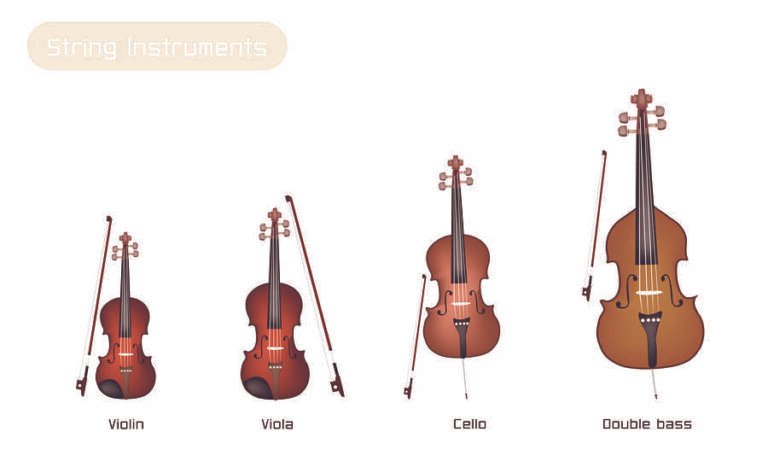
A violin must fit your body. The wrong size can cause tension, poor posture, and frustration. Most adults use a full-size 4/4 violin, but children and smaller players may need a smaller instrument.
A teacher or trained shop professional should measure the player. One common method is to place the violin under the chin and extend the left arm beneath the instrument. The hand should reach around the scroll with a comfortable bend in the elbow.
Common sizes include:
• 1/16, often for very young children
• 1/10 and 1/8, for small children
• 1/4 and 1/2, for growing players
• 3/4, for older children or smaller adults


• 4/4, for most teens and adults
Do not choose a larger violin because you expect a child to grow into it. A violin that is too large can make shifting, fingering, and bow control much harder. Comfort matters more than saving money on a size change.

Inspect the Violin’s Construction
A careful visual inspection can reveal major problems before you play a note. You do not need to be a repair expert, but you should know what to look for.
Start with the body. The top and back should be free from major openings or poorly repaired cracks. Small repairs may be normal in an older violin, but they should be examined by a professional.
Check the following parts:
The top and back
Look for open seams, deep cracks, bulges, and areas where the wood appears separated. A small seam opening may be repairable, but an open crack can affect strength and value.
The neck and fingerboard
The neck should feel secure and should not twist from side to side. The fingerboard should be smooth and properly shaped. If it is too flat, too rough, or badly worn, the notes may buzz or feel uneven.
The bridge
The bridge should stand upright and sit in the correct position between the f-holes. Its feet should fit the top closely. A leaning or poorly cut bridge can limit sound and make the violin harder to play.
The pegs
Turn each peg slowly. It should move smoothly and hold its position. Pegs that slip constantly can make tuning stressful, especially for a beginner.
The soundpost
You can see the soundpost through the f-hole. It should stand upright and appear correctly placed. Do not move it yourself, because even a small adjustment can change the sound or damage the violin.
The seams and fittings
Run your eyes around the edges of the violin. Loose seams, missing purfling, damaged endpins, or loose chin rests may indicate a need for repair.
A good inspection is one of the most important parts of how to find a good violin. If you see a serious issue, ask a luthier for an estimate before buying.

Test the Violin’s Sound
Sound is personal, but certain qualities are widely useful. A good violin should respond easily and produce a stable tone without excessive effort.


Ask a teacher or experienced player to test the violin first. Your own playing may be affected by excitement, nerves, or limited technique. Hearing another player can help you judge the instrument more fairly.
Listen for:
• Even volume between the G, D, A, and E strings
• A clear tone without harsh buzzing
• Good response at both soft and loud dynamics
• Smooth changes between strings
• A pleasant tone in high and low positions
• Enough brightness for clarity and enough warmth for comfort
Play long, slow bows on each open string. Then try simple scales, low notes, and short melodies. Listen for wolf tones, buzzing, rattling, or notes that speak late.
A violin should not sound perfect in every room. Acoustics change the way instruments seem to respond. Test it in a quiet room, and ask someone to listen several feet away. A tone that sounds modest beneath your ear may project well across a studio.

Test Playability and Comfort
A violin can sound beautiful in the hands of an expert but feel difficult for a beginner. Playability is just as important as tone.
Hold the violin in your normal position. Your left hand should not need to squeeze the neck. The thumb should rest lightly, and your fingers should reach the notes without strain.
Check these details:
• The strings should not feel extremely high above the fingerboard


• The neck should not feel too thick or uncomfortable
• The violin should stay stable under your chin and shoulder
• The strings should respond without heavy bow pressure
• The instrument should not cause pain in the wrist, neck, or shoulder
Try simple patterns on every string. Play open strings, first-position scales, and a few pieces you know. If you are a beginner, ask your teacher to test the violin while you listen.
One mistake I often see is a player choosing a violin after only two minutes. That is not enough time to notice tension or fatigue. Play for at least 15 to 20 minutes when possible. Comfort often reveals itself slowly.

Compare Several Violins Side by Side
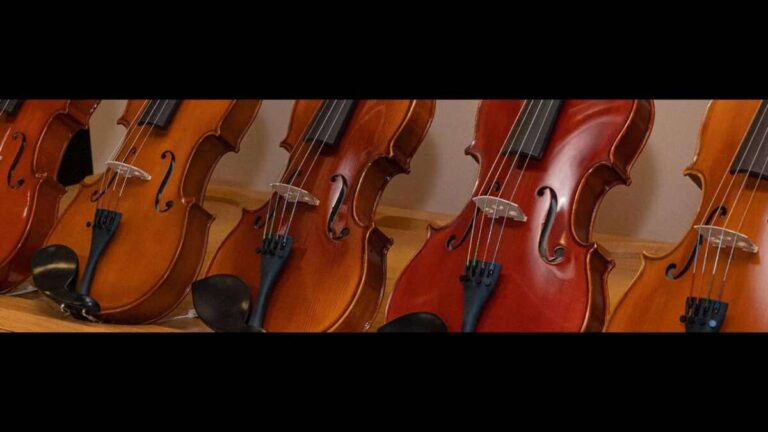
Knowing how to find a good violin becomes easier when you compare instruments under the same conditions. Do not judge one violin from memory and another while holding it. Use the same player, bow, strings, room, and musical examples.
A simple comparison method works well:
-
Label each violin with a number.
-
Play the same open-string exercises on each instrument.
-
Test a scale from the lowest string to the highest string.
-
Play both soft and loud passages.
-
Ask another player to test each violin.
-
Take notes before discussing the price.
Write down how each violin feels and sounds. Use simple words such as warm, bright, focused, open, soft, clear, quick, or resistant. Avoid choosing only because one instrument sounds louder.
If two violins seem close, take a short break and test them again. Ear fatigue can affect judgment. In some cases, the best choice becomes clear only after you stop playing.

Choose the Right Strings and Bow
A violin is only as good as its setup. Strings and bows can change the instrument’s response, tone, and comfort.
Old or poor-quality strings may sound dull and make the violin seem weak. New strings can improve clarity, but they may need time to settle. Ask the shop which strings are installed and how long they have been on the instrument.
The bow also matters. A good bow should feel balanced and should grip the string without excessive pressure. It should not bounce uncontrollably or feel heavy at the tip.
A beginner’s bow should have:
• Straight stick alignment
• Even hair
• A secure frog and screw
• Comfortable balance
• Enough flexibility for basic bow control
Do not spend your entire budget on the violin and then accept a poor bow. A reasonable violin with a reliable bow can be more enjoyable than a better violin paired with a weak one.

Buy From a Trusted Seller
The seller can be as important as the violin. A reputable violin shop should answer questions clearly, explain the condition, and offer setup support.
Look for:
• A trial period
• A written return policy
• Repair or adjustment services
• Clear information about the maker and age
• Honest condition reports
• Optional teacher or luthier inspections
Be cautious with listings that use dramatic claims such as “professional concert violin” without details. Photos can hide cracks, poor bridges, warped necks, and worn fittings.
Online buying can work when the seller has strong reviews and a clear return policy. Ask for photos of the top, back, scroll, bridge, f-holes, and any repaired areas. You should also ask whether the violin is ready to play.
A rental plan may be a smart first step for children or uncertain beginners. Many reputable programs allow rent-to-own arrangements. This gives the player time to develop skill before making a large purchase.
Avoid Common Violin-Buying Mistakes
Many buying mistakes come from rushing. A violin is a musical tool, not just a display object.
Avoid these common errors:
• Choosing by color or decoration alone
• Assuming an old violin is automatically valuable
• Buying the cheapest complete outfit
• Ignoring cracks or open seams
• Skipping a teacher’s opinion
• Testing only one instrument
• Forgetting the cost of a bow and case
• Buying without a return option
• Trusting a famous label inside the violin without verification
Labels can be misleading. Some instruments carry copies of famous maker labels, and the label alone does not prove who made the violin. Construction, materials, workmanship, condition, and expert evaluation matter more.
Do not feel pressured by claims that another buyer is waiting. A trustworthy seller should allow reasonable time for questions and testing.
How Much Should a Good Violin Cost?
Prices vary by region, maker, condition, setup, and demand. A basic beginner violin may cost less than an advanced student instrument, while professional and historically important violins can cost much more.
Instead of focusing on one exact price, divide the market into broad levels:
• Beginner: Designed for basic lessons and steady practice
• Intermediate: Offers better tone, response, and projection
• Advanced: Provides more color and control for serious study
• Professional: Built for demanding performance and refined tonal work
A higher price should bring measurable benefits, such as better materials, improved craftsmanship, stronger projection, or more reliable setup. It should not simply reflect attractive varnish or an impressive story.
The most sensible answer to how to find a good violin is to match the instrument to your present needs. Beginners do not need a costly concert violin. They need an instrument that makes good technique easier and encourages regular practice.
Get a Professional Inspection
A luthier can identify problems that are easy for a new player to miss. This is especially important for used, antique, or expensive violins.
An inspection may cover:
• Structural cracks
• Neck angle and fingerboard shape
• Bridge fit
• Soundpost position
• Peg function
• Seam condition
• String condition
• General setup
• Repair costs
For a valuable violin, request an independent evaluation. The seller’s opinion may be useful, but it is not fully independent. An experienced teacher can judge playability, while a luthier is better suited to assess construction and repairs.
There are limits to any inspection. Tone is partly subjective, and no expert can guarantee that you will love an instrument forever. Still, a professional check can prevent expensive surprises and give you a clearer basis for your decision.
A Simple Violin Buying Checklist
Use this checklist when you visit a shop or test a private-sale instrument:
-
Confirm the violin is the correct size.
-
Check the body for cracks, open seams, and major damage.
-
Inspect the neck, fingerboard, bridge, and pegs.
-
Test every string with slow bows.
-
Play simple scales and familiar pieces.
-
Listen for buzzing, rattling, and weak notes.
-
Ask another player to test it.
-
Compare at least three violins when possible.
-
Ask about strings, setup, repairs, and history.
-
Review the trial, return, and warranty terms.
-
Get a professional inspection for expensive instruments.
-
Choose the violin that feels comfortable and inspires regular practice.
This process makes how to find a good violin less confusing. You do not need perfect expert knowledge. You need patience, careful listening, and the right questions.
Frequently Asked Questions About How to Find a Good Violin
How do I know if a violin is good?
A good violin has a clear, balanced tone and responds easily to the bow. It should also be comfortable, structurally sound, and properly set up.
Is an expensive violin always better?
No. Price can reflect the maker, age, condition, and history, but it does not guarantee a better match for every player. A well-set-up violin at a moderate price may suit you better than an expensive instrument with a difficult response.
Should a beginner buy a new or used violin?
Either choice can work. A new violin may offer predictable condition, while a used violin can provide strong value if a teacher or luthier checks it first.
How can I test a violin before buying it?
Play open strings, scales, and simple pieces at soft and loud volumes. Test every string, listen for buzzing, and ask an experienced player to try the violin as well.
What should I look for in a beginner violin?
Look for comfortable size, easy response, stable tuning, a straight fingerboard, working pegs, and a clean setup. A reliable seller and a trial period are also important.
How much should I spend on my first violin?
Spend enough to get a properly set-up instrument, bow, and case without creating financial stress. Your teacher or a trusted violin shop can help you choose a level that fits your goals and budget.
Can I buy a good violin online?
Yes, but only from a seller with clear photos, accurate details, a return policy, and setup support. Avoid listings that provide little information about condition or construction.
Do violin labels prove who made the instrument?
No. Labels are often copied or replaced, so they do not prove authenticity by themselves. A qualified expert must assess the violin’s construction and history.
Conclusion
Finding the right violin takes more than choosing the prettiest instrument or the highest price. Focus on size, comfort, sound, construction, setup, seller reputation, and professional advice. Compare several violins, test them patiently, and remember that a good instrument should make practice feel more inviting.
The best way to find a good violin is to choose one that supports your current skill level while leaving room to grow. Visit a trusted shop, bring your teacher when possible, and use a trial period before making your final decision. Explore more violin-buying resources, ask questions, and share your experience with other players.

Senior Music Reviewer
Alex Carter is a seasoned music reviewer with over a decade of experience in the world of sound and instruments. Passionate about helping musicians and enthusiasts make informed choices, he brings sharp insights and in-depth knowledge to every review. From classical instruments to modern gear, Alex combines technical expertise with a love for music to deliver content that resonates with readers.
As a Senior Music Reviewer and expert author on Tuneluma.com, Alex is dedicated to sharing honest evaluations, practical advice, and thoughtful commentary to guide readers in their musical journey.