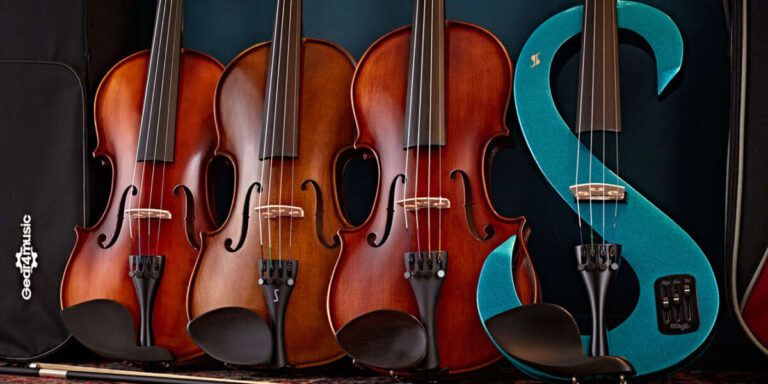
The safest way to buy a violin online is to compare fit, setup, seller reputation, and return terms before paying.
Learning how to buy a violin online can feel hard because you cannot hold the instrument, test its tone, or ask a shop expert for help. The good news is that a careful process makes online shopping much safer. This guide explains violin sizes, wood quality, setup, price, accessories, seller policies, and common mistakes so you can choose with confidence.
How to buy a violin online: Start with the right size
The first step in learning how to buy a violin online is choosing the correct size. Violins come in full sizes and fractional sizes. Most adults and older teens use a 4/4 violin, while young players often need a smaller instrument.
A poor fit can make playing painful and slow progress. A violin that is too large may strain the left hand, shoulder, and neck. One that is too small may limit comfort and sound quality.


Common violin sizes include:
• 4/4: Full size, usually for players around age 11 and older
• 3/4: Often suited to children around 9 to 11
• 1/2: Often suited to children around 7 to 9
• 1/4: Often suited to children around 5 to 7
• 1/8, 1/10, and 1/16: Designed for younger children
These age ranges are only rough guides. Arm length matters more than age. To check size, have the player extend the left arm under the violin. The hand should comfortably reach around the scroll without locking the elbow.
Ask a teacher or local violin shop to confirm the size when possible. Many online violin retailers also provide measuring charts. A good seller may let you exchange the violin for another size, which is especially useful for growing children.

Set a realistic violin budget
Price is one of the clearest ways to separate a useful student violin from a poor-quality instrument. Learning how to buy a violin online does not mean choosing the cheapest product. It means finding the best value for your needs.
Very cheap violins may look attractive in photos but often have rough fingerboards, weak pegs, poor bridges, and thin bows. These problems can make the instrument hard to tune and uncomfortable to play. In some cases, a cheap violin needs so much repair that it costs more than a better instrument.


A practical budget may look like this:
• Under $150: Basic starter instruments, with quality that can vary widely
• $150 to $400: Better student outfits from reliable brands and shops
• $400 to $1,000: More consistent instruments for serious beginners and advancing students
• Above $1,000: Higher-grade student, intermediate, or workshop instruments
Prices vary by country, wood, maker, setup, and included accessories. A violin outfit may include the violin, bow, case, shoulder rest, rosin, and tuner. Check what is included before comparing prices.
Remember the full cost of ownership. You may also need replacement strings, a music stand, lessons, insurance, and professional adjustments. A realistic budget prevents disappointment later.
Understand violin materials and construction
A violin is more than a wooden box with strings. Its materials and construction affect tone, response, durability, and playing comfort. This matters when learning how to buy a violin online because online photos cannot show every detail.
Most acoustic violins use spruce for the top and maple for the back, ribs, and neck. Ebony is commonly used for the fingerboard, pegs, and tailpiece because it is hard and durable. Some low-cost instruments use softer or painted wood in places where ebony would be better.
Look for these details in the product description:
• Solid spruce top
• Solid maple back and ribs
• Ebony fingerboard and pegs
• A properly fitted bridge
• Fine tuners that work smoothly


• Quality tailpiece and chin rest
A solid wood violin usually offers a more natural sound than a laminated instrument. However, solid wood does not guarantee quality. The wood must also be well shaped, dried, and fitted by a skilled maker.
Be careful with vague terms such as “professional quality” or “concert violin.” These phrases are not controlled grades. Trust clear specifications, detailed photographs, seller support, and a strong return policy more than dramatic marketing language.

Choose a violin that has been professionally set up
Setup is one of the most important parts of how to buy a violin online. A well-made violin can still feel difficult if it has not been adjusted correctly.
Professional setup usually includes:
• Fitting the bridge to the violin
• Shaping and smoothing the bridge
• Adjusting the soundpost
• Checking peg movement
• Smoothing the fingerboard
• Setting proper string height
• Installing suitable strings
• Checking the bow and applying rosin
The bridge should stand upright and fit the top of the violin. The strings should not sit so high that pressing them becomes painful. The pegs should turn with control and stay in tune.


Many factory violins are shipped with poor setup. Their bridges may be too thick, the strings may be too high, or the soundpost may be misplaced. These issues can frustrate a beginner and create the false impression that they lack musical ability.
When you shop online, look for terms such as “shop adjusted,” “professionally set up,” or “ready to play.” Ask the seller exactly what those terms mean. A trustworthy shop should explain who performs the setup and what is checked before shipping.
Compare online violin sellers carefully
The seller matters almost as much as the violin. A reputable violin shop usually offers clear product details, real contact information, responsive support, and a reasonable trial or return period.
Use this checklist when comparing sellers:
• Look for a physical business address and working phone number
• Read return, exchange, and warranty terms
• Check whether returns include a restocking fee
• Confirm who pays return shipping
• Look for clear photos of the actual violin
• Read reviews from musicians, teachers, and parents
• Check how the seller handles damaged shipments
• Ask whether the instrument is inspected before shipping
Marketplaces can offer good prices, but quality control may be inconsistent. A listing may use professional-looking images while sending a different model or a poorly adjusted instrument. Verify the seller, not just the product title.
Reviews need careful reading. A review that says “beautiful violin” is less useful than one that discusses tuning stability, bridge fitting, bow quality, sound, and customer service. Several detailed reviews are more valuable than hundreds of short ratings.
I have found that the best online buying decisions come from asking simple questions before ordering. If a seller cannot explain the setup, return period, or included accessories, that silence is useful information.


 materials and construction”
style=”max-width: 100%; height: auto; border: 2px solid black; border-radius: 10px; display: block; margin: 0 auto;”
loading=”lazy”
/>
Read the violin listing like an expert
Product listings often use technical words that sound impressive but provide little help. Learning the basic terms will make how to buy a violin online much easier.
Pay attention to these details:
Violin model and size
Confirm the exact size and model. A listing should clearly state whether the violin is 4/4, 3/4, or another fractional size.
Wood type
Look for solid spruce and maple when possible. Be cautious if the listing does not explain the materials.
Finish
A thick, glossy finish can affect vibration if it is applied poorly. A hand-applied or antiqued finish may look attractive, but appearance should not replace evidence of good construction.
Strings
Factory strings are often basic. Some sellers install better strings before shipping, which can improve response and tone.
Bow
A bow should be straight, properly haired, and balanced. Pernambuco and carbon fiber bows are common at higher levels. Beginner outfits often include Brazilwood bows, which can work well when properly made.
Case
A sturdy case protects the violin from bumps, temperature changes, and humidity shifts. Check whether it has backpack straps, strong zippers, and room for the bow.
Accessories
Confirm whether the package includes rosin, a shoulder rest, a tuner, and extra strings. Do not assume these items are included.
Photos can reveal useful clues. Check the bridge, fingerboard, pegs, tailpiece, seams, and varnish. Stock images are less helpful than photographs of the actual instrument.
Watch for signs of a poor-quality violin
A cheap violin is not always a bad violin, but certain warning signs deserve attention. These signs can help you avoid costly repairs and frustration.
Be careful when you see:
• Extremely low prices with claims of professional performance
• No information about setup
• Blurry or copied product photos


• A seller with no clear return policy
• Reviews that mention loose parts or poor tuning
• Bridges shipped flat or uninstalled without instructions
• Painted fingerboards marketed as ebony
• Rough edges around the f-holes or fingerboard
• Cracks, open seams, or visible glue
• A bow that is not included or is described vaguely
A violin may arrive with its bridge removed for shipping. That is not automatically a problem. However, the seller should explain this and provide safe setup instructions or offer professional installation.
Avoid trying to force a bridge into place if you are new to the instrument. A wrong adjustment can damage the top or create poor string alignment. Take the violin to a qualified violin shop instead.
Check the return policy before you pay
A return policy is essential when learning how to buy a violin online. Sound is personal, and a violin that one player loves may feel wrong to another.
Read the policy line by line. Check:
• How many days you have to return the violin
• Whether the trial period starts on delivery
• Whether the violin must be returned in original condition
• Whether accessories must also be returned
• Whether return shipping is deducted from your refund
• Whether a restocking fee applies
• What happens if the instrument arrives damaged
A trial period gives you time to test the violin with a teacher. It also lets you compare it with another instrument. Keep all packaging until you decide to keep the purchase.
Record a short video when opening the package. Show the box, labels, and condition of the instrument. This record can help if the violin arrives damaged.
Do not judge the violin during the first five minutes. New strings may need time to settle, and a player may need time to adjust. Still, serious cracks, loose seams, warped parts, or major setup problems should be reported quickly.
Compare violin sound without playing it first
You cannot fully judge violin tone through an online listing. Audio clips can help, but microphones, rooms, strings, and playing technique all affect the result.
When listening to a sound sample, note:
• How quickly the violin responds
• Whether the sound is clear across all strings
• Whether the tone is warm, bright, focused, or nasal
• Whether some notes buzz or sound weak
• How well the sound carries at a distance
A useful sound sample should identify the violin, strings, player, recording space, and equipment. A heavily edited recording tells you very little.
For beginners, playability often matters more than a rich or complex tone. The best beginner violin is one that stays in tune, responds easily, and encourages regular practice. Tone can develop as the player improves.
If possible, ask a teacher to listen to the sample. Teachers often notice issues that new players miss, such as uneven response, poor projection, or a weak A string.
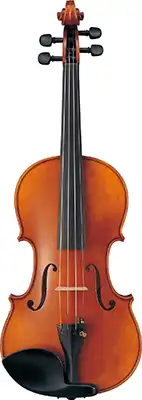
Decide between a violin outfit and a separate instrument
A violin outfit includes several items in one package. This can be convenient for a new player, but not every outfit offers equal value.
An outfit may include:
• Violin
• Bow
• Case
• Rosin
• Shoulder rest
• Fine tuners
• Extra strings
Outfits are useful when you need everything at once. They also make budgeting easier. However, the included bow and shoulder rest may be basic.
Buying the violin, bow, and case separately offers more control. This approach makes sense for an advancing player who already understands personal preferences. It may also be better when a teacher recommends a particular bow or shoulder rest.
For a first violin, a well-set-up outfit from a trusted shop is often the simplest choice. You can upgrade individual parts later. Do not spend your entire budget on the violin and then use a weak bow that makes practice difficult.
Consider new, used, and rental violins
A new violin is clean, easy to return, and often covered by a warranty. It also has no unknown repair history. However, a new instrument may need time for its strings and wood to settle.
A used violin can offer excellent value. Older instruments may have a mature tone and better materials than a new violin at the same price. Yet used instruments can also hide cracks, open seams, worn pegs, or past repairs.
Ask for:
• Clear photos of the top, back, ribs, scroll, and pegbox
• Details about cracks and repairs
• Information about recent setup work
• The age and maker, if known
• A return period
Rental is often wise for children who may change size or lose interest. Many rental programs allow rent-to-own payments or size exchanges. The total cost may be higher over time, but flexibility can reduce risk.
How to buy a violin online depends on your situation. A beginner may value support and returns. A serious student may value tone and long-term growth. A parent may value size exchanges and monthly costs.

Protect the violin after delivery
A violin is sensitive to sudden changes in temperature and humidity. Wood expands and contracts, so careless storage can cause open seams or cracks.
After delivery:
-
Let the closed case reach room temperature before opening it if it came from extreme heat or cold.
-
Check the bridge, strings, pegs, seams, and tailpiece.
-
Do not leave the violin in a car, near a radiator, or in direct sunlight.
-
Store it in a sturdy case when you are not playing.
-
Use a humidity solution if a qualified professional recommends one.
Many violin makers suggest moderate indoor humidity, often around 40% to 60%. The ideal level can vary by climate and building. A small case hygrometer can help you monitor conditions.
Do not wipe the violin with household cleaners. Use a soft, dry cloth and ask a violin shop about cleaning products. Rosin dust can build up on the top, but aggressive cleaning may damage the varnish.
Common mistakes when buying a violin online
Knowing what not to do is a major part of how to buy a violin online. Many problems are avoidable with a little patience.
Common mistakes include:
• Choosing by appearance alone
• Buying the lowest-priced violin without checking setup
• Ignoring the player’s correct size
• Trusting “professional” labels without details
• Forgetting to check the bow
• Skipping the return policy
• Buying from an unknown seller with no support
• Assuming a high price guarantees quality
• Failing to inspect the instrument upon arrival
• Letting a beginner judge tone without teacher guidance
One mistake I often warn shoppers about is focusing on the violin body while ignoring the bow. A poor bow can make a decent violin feel unresponsive. The bow is the player’s link to the strings, so it deserves real attention.
Another mistake is expecting a beginner violin to sound like a concert instrument. A student violin should be stable, comfortable, and easy to play. It does not need to produce a huge professional tone on the first day.

A simple online violin buying checklist
Use this checklist before placing an order. It brings the main points of how to buy a violin online into one practical process.
-
Measure the player and confirm the correct size.
-
Set a complete budget, including accessories and possible setup work.
-
Choose a reputable seller with clear contact information.
-
Read the product specifications and inspect the photos.
-
Confirm the materials, strings, bow, case, and included accessories.
-
Ask whether the violin receives professional setup.
-
Check the return period, shipping terms, and damage policy.
-
Read detailed customer reviews.
-
Ask a teacher or experienced player for an opinion.
-
Keep the packaging and inspect the violin as soon as it arrives.
-
Have a qualified shop correct any serious setup issue.
-
Return the instrument if it does not fit the player or meet the listing’s claims.
This process may take longer than clicking the first attractive listing. That extra time usually saves money and protects the player’s motivation.

Frequently asked questions about how to buy a violin online
Is it safe to buy a violin online?
Yes, buying a violin online can be safe when you use a reputable seller with clear setup, warranty, and return policies. Avoid listings that hide the seller’s identity or provide little information about the instrument.
What is the best violin size for an adult?
Most adults use a 4/4 full-size violin. Players with smaller hands or shorter arms should ask a teacher or violin shop to confirm the fit before ordering.
How much should a beginner spend on a violin?
Many beginners find useful options between $150 and $400, although prices vary by brand and setup. Spending more may provide better materials, stronger quality control, and improved playability.
Is a cheap violin good for a beginner?
A low-cost violin can work if it is correctly sized, properly set up, and supported by a reliable return policy. Very cheap instruments often have poor bridges, pegs, bows, or fingerboards that make learning harder.
Should I buy a violin outfit or violin alone?
A complete outfit is convenient for most beginners because it includes the basic equipment needed to start. More advanced players may prefer to choose the violin, bow, case, and shoulder rest separately.
Can I return a violin after playing it?
Many online shops allow returns during a stated trial period, but the instrument must usually be returned in good condition. Always read the return terms before playing or removing labels and packaging.
How can I tell if an online violin is professionally set up?
Look for a clear explanation of bridge fitting, string height, peg adjustment, soundpost inspection, and string installation. If the seller only says “ready to play” without details, ask for clarification.
Conclusion
Learning how to buy a violin online becomes much easier when you focus on fit, setup, seller trust, sound, and return protection. Choose the correct size, set a complete budget, study the product details, and avoid listings that rely on vague promises.
A good online purchase should make practice feel inviting, not frustrating. Compare several instruments, ask a teacher for guidance, and keep your options open until the violin feels comfortable and responds well. Use this checklist before you order, then explore trusted violin shops and learning resources to begin your playing journey with confidence.

Senior Music Reviewer
Alex Carter is a seasoned music reviewer with over a decade of experience in the world of sound and instruments. Passionate about helping musicians and enthusiasts make informed choices, he brings sharp insights and in-depth knowledge to every review. From classical instruments to modern gear, Alex combines technical expertise with a love for music to deliver content that resonates with readers.
As a Senior Music Reviewer and expert author on Tuneluma.com, Alex is dedicated to sharing honest evaluations, practical advice, and thoughtful commentary to guide readers in their musical journey.