Can You Hear The Shape Of A Drum: Science Explained
Yes, your ears can detect a drum’s shape through changes in pitch, tone, resonance, and sound projection.
Can you hear the shape of a drum? In a real sense, yes—but not as a direct image. Your brain hears the acoustic clues created by the drum’s shell, head, opening, depth, materials, and internal air space. These clues work like a sound fingerprint.
This guide explains the science behind that idea in simple terms. You will learn how drum shape affects frequency, resonance, volume, and timbre, plus how to test these effects at home and avoid common mistakes when comparing drums.

What Does “Can You Hear the Shape of a Drum?” Mean?
The phrase “can you hear the shape of a drum?” asks whether sound can reveal the physical form of an object. With drums, the answer is partly yes because the shape controls how air and vibrating surfaces move.
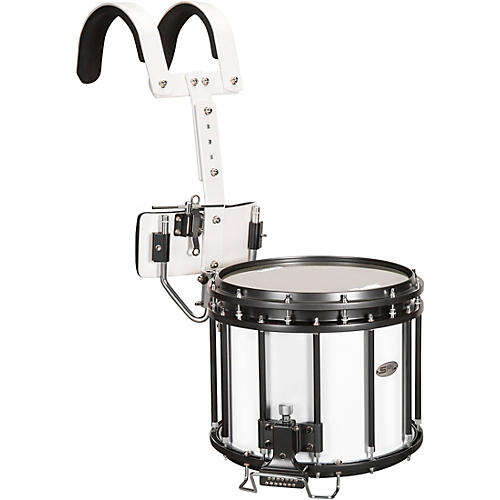
When a drummer strikes a drumhead, the head vibrates. That vibration pushes air inside the shell and around the instrument. The shell then filters and colors the sound. A listener may not identify the exact measurements, but they can often hear whether a drum is deep, shallow, wide, narrow, open, bright, or damped.
This idea connects music, physics, and hearing. It is similar to hearing the size of a room from an echo. You may not see the room, but the sound gives you useful evidence about its shape.
A drum does not produce one simple tone. It creates a group of frequencies called partials or modes. The balance between these frequencies gives the drum its character.
A trained listener may notice:
• A deep body and strong low resonance
• A shallow shell and a quicker, sharper response
• A wide drum and a broad, full tone
• A narrow drum and a more focused sound
• A rounded shell and softer reflections
• A rigid shell and a stronger attack
So, can you hear the shape of a drum? You can hear the effect of its shape, even when you cannot name every physical detail.
How Drum Shape Changes Sound
Drum shape affects sound through several linked systems. These include the drumhead, shell, air cavity, bearing edges, and openings. Changing one part can alter the entire response.
Diameter and pitch
The diameter of a drumhead affects its natural vibration patterns. A larger head often produces a lower fundamental pitch and a wider sound. A smaller head usually responds with a higher pitch and a tighter attack.
This does not mean diameter alone determines pitch. Tuning, head tension, head thickness, and playing force also matter. Still, diameter creates the basic range in which the drum wants to vibrate.
For example, a large bass drum can produce deep pulses that move a great deal of air. A small snare drum can respond with a crisp, fast sound. Both may use similar materials, but their dimensions create very different acoustic results.
Depth and resonance
Shell depth changes how long sound remains inside the drum. A deeper shell gives the air column more room to develop. This can create a fuller sound with more low-end body.
A shallow drum often speaks faster. Its sound may feel more immediate and controlled. Many players choose shallow drums when they want sharp articulation, while deeper drums can suit powerful, spacious tones.
Depth does not simply make a drum louder. It changes the timing and balance of the sound. The first attack may stay similar, while the resonance becomes longer or darker.
Shape of the shell
Most modern drums use cylindrical shells, but other shapes produce different results. Conical, barrel-shaped, bowl-shaped, and frame drums all interact with air in distinct ways.
A cylindrical shell supports a familiar blend of attack and resonance. A conical shell can produce a different distribution of partials as the sound travels through the body. Bowl-shaped drums, such as some hand drums, often focus energy in ways that create a strong bass voice.
The shape also affects how sound reflects from the inner walls. Smooth, hard surfaces reflect more energy. Curved surfaces may spread or redirect that energy. These reflections influence tone color more than basic pitch.
Openings and ports
A drum with a hole or port can release air more quickly. This can shorten resonance and increase the sense of attack. Port size and location matter.
A port near the center may change the balance between low frequencies and direct attack. A side port can create a different airflow pattern. In bass drums, port placement can affect microphone access, damping, and the way the drum feels under a beater.
Bearing edges
The bearing edge is the point where the drum shell meets the head. Its angle, roundness, and width affect how freely the head vibrates.
A sharper edge often allows a more open response and clearer pitch. A rounded edge may soften the attack and add a warmer feel. Small changes can be easy to hear when the head is tuned evenly and played in a quiet room.
The Physics Behind a Drum’s Voice
To understand can you hear the shape of a drum, it helps to look at resonance. Resonance occurs when a system vibrates strongly at certain frequencies.
A drum has several resonant systems:
• The batter head, which receives the strike
• The resonant head, which responds to movement inside the shell
• The shell, which vibrates and absorbs some energy
• The enclosed air, which moves between the heads
• The surrounding room, which reflects the sound
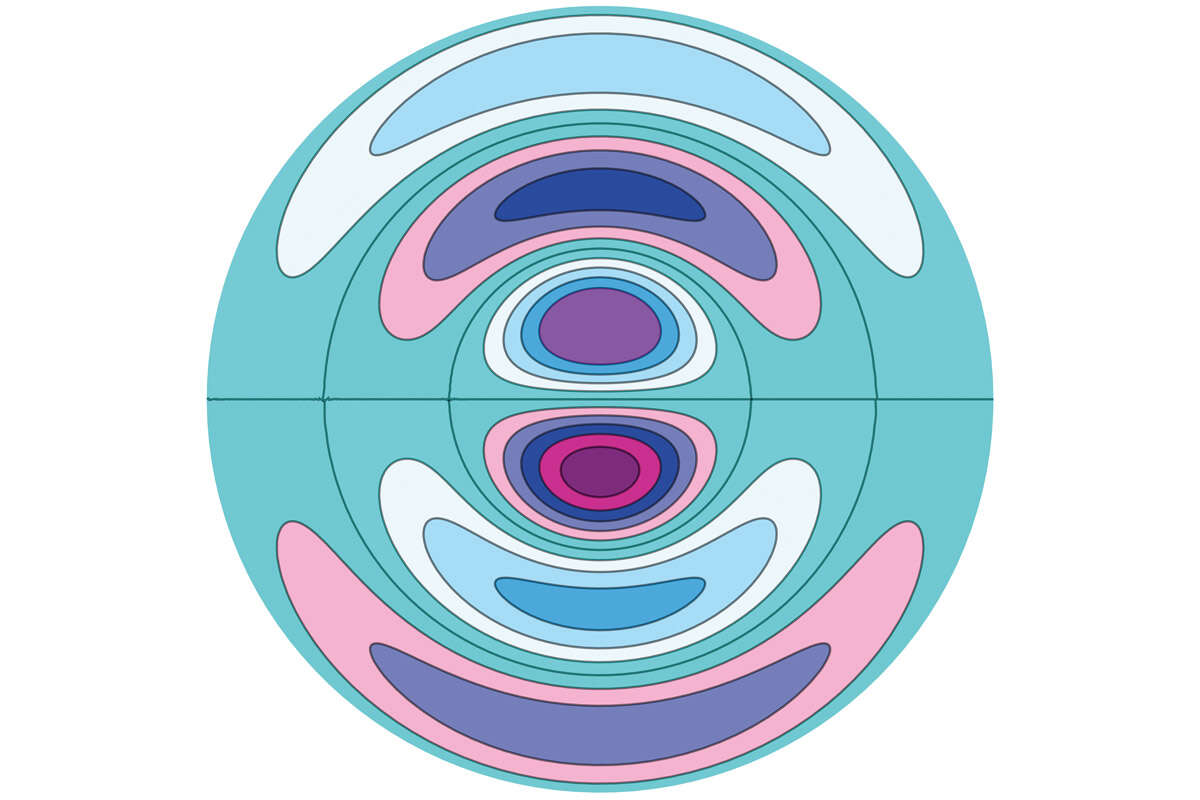
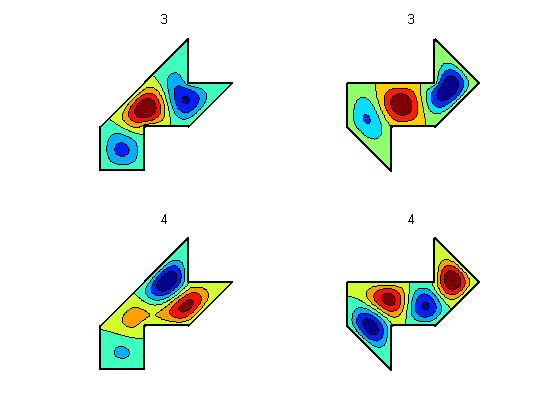
The drumhead behaves somewhat like a stretched membrane. Its vibration creates patterns called modes. Each mode has areas that move and areas that remain still. These patterns depend on the head’s size, tension, mass, and boundary conditions.
The air inside the drum also has resonant behavior. In simple terms, the cavity acts like an air spring. When the head moves inward, it compresses the air. When the head moves outward, the air expands. This push and pull affects pitch and sustain.
A useful comparison is a bottle. Blowing across a bottle opening creates a pitch based on the shape and volume of the air cavity. A drum is more complex, but the same general idea applies: the air space influences the sound.
The shell adds another layer. A thick, stiff shell may lose less energy to vibration and can produce a strong, focused attack. A thin or flexible shell may vibrate more and contribute a softer, richer tone.
These effects are not perfectly separate. A change in shell depth also changes the air cavity. A change in diameter alters the head’s vibration modes. This is why drum design requires balance rather than one simple formula.
Can People Really Identify a Drum’s Shape by Ear?
Most listeners cannot calculate a drum’s dimensions from sound alone. However, people can often make useful judgments about size and shape after hearing enough examples.
A trained drummer may recognize the difference between:
• A shallow snare and a deep snare
• A small tom and a large tom
• A compact bass drum and a long bass drum
• An open frame drum and a heavily damped drum
• A tight head and a loose head
This skill comes from repeated listening, not magic. The brain compares new sounds with stored patterns. Musicians build these patterns through practice, recording work, live performance, and instrument testing.
Room acoustics can make this task harder. A reflective room may make a small drum sound larger. Heavy curtains may make a big drum seem shorter and drier. Microphones also change what the listener hears.
For that reason, can you hear the shape of a drum depends on context. You may hear clear clues in a controlled room but struggle in a busy concert space.
A helpful listening method is to compare drums under matching conditions. Use the same room, microphone, player, stick, tuning, and striking point. Change one physical feature at a time whenever possible.
How to Test Whether You Can Hear a Drum’s Shape
You can explore this idea with a simple listening test. You do not need a laboratory, but you do need consistency.
A practical home experiment
-
Choose two drums with similar heads and materials.
-
Place them in the same room.
-
Tune them to similar target pitches.
-
Use the same stick or mallet.
-
Strike each drum with similar force.
-
Record both from the same microphone position.
-
Listen without looking at the instruments.
-
Write down what you hear before checking the drum size.
Focus on these qualities:
• Initial attack
• Low-frequency weight
• Length of sustain
• Brightness or darkness
• Strength of the pitch
• Amount of buzzing or noise
• Spread of sound around the room
To make the test more useful, ask another person to play the drums. This removes visual clues and reduces the chance that your playing style will change between instruments.
One common mistake is changing tuning while comparing shape. A loose small drum may sound lower than a tight large drum. If you want to study shape, control head tension as closely as possible.
Another mistake is using different rooms. Room reflections can overpower the differences between instruments. Even moving a drum a few feet may change the recorded sound.
A practical lesson from drum testing is simple: compare one variable at a time. If you change the shell, head, tuning, stick, room, and microphone together, you will not know which factor caused the result.
Shape, Material, Tuning, and Playing Style
Shape is important, but it is only one part of a drum’s sound. Material and setup can be just as influential.
A maple shell, metal shell, acrylic shell, and fiberglass shell may have different stiffness, density, and damping. These properties affect attack, sustain, and frequency balance. Yet the same shell can sound very different with another head or tuning.
Tuning changes the tension of the head. Higher tension often creates a clearer pitch and faster response. Lower tension may create more low-end movement and a softer attack.
The drumhead itself has a major effect. A single-ply head may sound open and sensitive. A thicker or two-ply head may sound controlled and focused. Coatings can add warmth and reduce some high-frequency energy.
Playing style also changes the result. A hard strike excites more vibration modes than a soft tap. A center hit often creates a different tone from a rim hit. A brush, mallet, or wooden stick brings out different parts of the drum’s voice.
This is why can you hear the shape of a drum should not be treated as a perfect identification test. You are hearing the interaction of shape with many other variables.
A skilled listener separates these clues over time. First, listen to the attack. Next, notice the pitch center. Then listen to the decay and room response. This layered approach gives better results than judging the whole sound at once.

Why Drum Shape Matters to Players and Builders
Drum shape matters because it helps players choose the right voice for a musical setting. A drummer in a small jazz group may want a controlled, articulate sound. A drummer in a rock band may need more projection and low-end power.
Builders use shape to balance response, resonance, and comfort. A drum that sounds impressive alone may not work well in a full mix. In a band, too much sustain can hide the next beat. Too little resonance can make the instrument feel lifeless.
Shape also affects physical playability. A deeper drum may require a different setup or position. A wider drum may move more air but take up more space. Hand drums need shapes that fit the player’s hands and support clear bass and slap tones.
Here are practical choices to consider:
• Choose a deeper shell for more body and longer resonance.
• Choose a shallower shell for quick response and clear attack.
• Choose a larger diameter for a lower voice.
• Choose a smaller diameter for a higher, more focused voice.
• Choose a ported design for faster air release and easier microphone placement.
• Choose a rounded edge for a softer feel and warmer response.
These are general tendencies, not fixed rules. A skilled builder can change the result through shell thickness, edge design, head choice, and internal treatment.
Limits of Hearing a Drum’s Shape
The ear is powerful, but it cannot always identify an object’s exact geometry. Several factors create uncertainty.
First, different shapes can produce similar sounds. A shallow drum with a loose head may resemble a deeper drum with a tight head. This is called acoustic ambiguity: more than one physical design can create related sound qualities.
Second, recording equipment colors the result. A close microphone may capture attack and reduce room sound. A distant microphone may capture more resonance and space. Compression can also make a drum seem louder and shorter.
Third, human hearing changes with volume. At high levels, some frequencies seem more prominent than they do at low levels. This can affect judgments about brightness, depth, and resonance.
Fourth, the room matters. Hard walls create reflections. Soft materials absorb energy. Corners often strengthen low frequencies. A drum can seem larger or smaller because of the space around it.
The most honest answer to can you hear the shape of a drum is therefore nuanced. You can hear strong clues about shape, but you cannot always reconstruct the exact design from sound alone.

Frequently Asked Questions About Can You Hear the Shape of a Drum
Can you hear the shape of a drum directly?
No. You do not hear the shape as a visual outline. You hear changes in resonance, pitch, attack, airflow, and tone that are caused by the drum’s physical form.
Does a bigger drum always sound lower?
Usually, a larger diameter supports lower vibration modes. However, tuning, head thickness, shell depth, and playing force also affect pitch, so size alone does not decide the final sound.
Does drum depth affect volume?
Drum depth can affect projection and resonance, but it does not guarantee greater volume. A deeper drum may sound fuller, while shell stiffness, head tension, and striking force often have a larger effect on peak loudness.
Can microphones reveal a drum’s shape?
Microphones can capture clues about shape, such as attack, sustain, and low-frequency balance. They also add their own color, so microphone type, position, room acoustics, and recording settings must remain consistent.
Can two drums with different shapes sound the same?
They can sound very similar under certain tuning and recording conditions. Different combinations of shell material, head choice, tension, and damping can produce overlapping tones.
How can I train myself to hear drum shape?
Listen to many drums under controlled conditions. Compare size, depth, and shell design while keeping the tuning, room, player, and microphone as similar as possible.
Conclusion
Can you hear the shape of a drum? Yes, but you hear its acoustic results rather than its exact outline. Diameter, depth, shell form, air volume, bearing edges, and openings all shape the drum’s pitch, attack, resonance, and tone.
The best way to understand this idea is to listen carefully and compare fairly. Record different drums, control the setup, and focus on one feature at a time. With practice, your ears will become better at recognizing the physical clues inside a drum’s voice.
Try a simple listening test with two drums this week, then share what you notice or explore more acoustic instrument guides for deeper insight.

Senior Music Reviewer
Alex Carter is a seasoned music reviewer with over a decade of experience in the world of sound and instruments. Passionate about helping musicians and enthusiasts make informed choices, he brings sharp insights and in-depth knowledge to every review. From classical instruments to modern gear, Alex combines technical expertise with a love for music to deliver content that resonates with readers.
As a Senior Music Reviewer and expert author on Tuneluma.com, Alex is dedicated to sharing honest evaluations, practical advice, and thoughtful commentary to guide readers in their musical journey.