What Is A Guitar Setup: Complete Beginner’s Guide
A guitar setup adjusts your instrument’s parts so it plays comfortably, sounds clear, and stays in tune.
If you have ever fought high strings, buzzing frets, or poor tuning, your guitar may need more than new strings. Understanding what is a guitar setup helps you care for your instrument, spot problems early, and decide when to visit a qualified guitar technician. This guide explains each step in plain language, with practical tips drawn from common repair-shop practice and hands-on guitar work.
What Is a Guitar Setup?
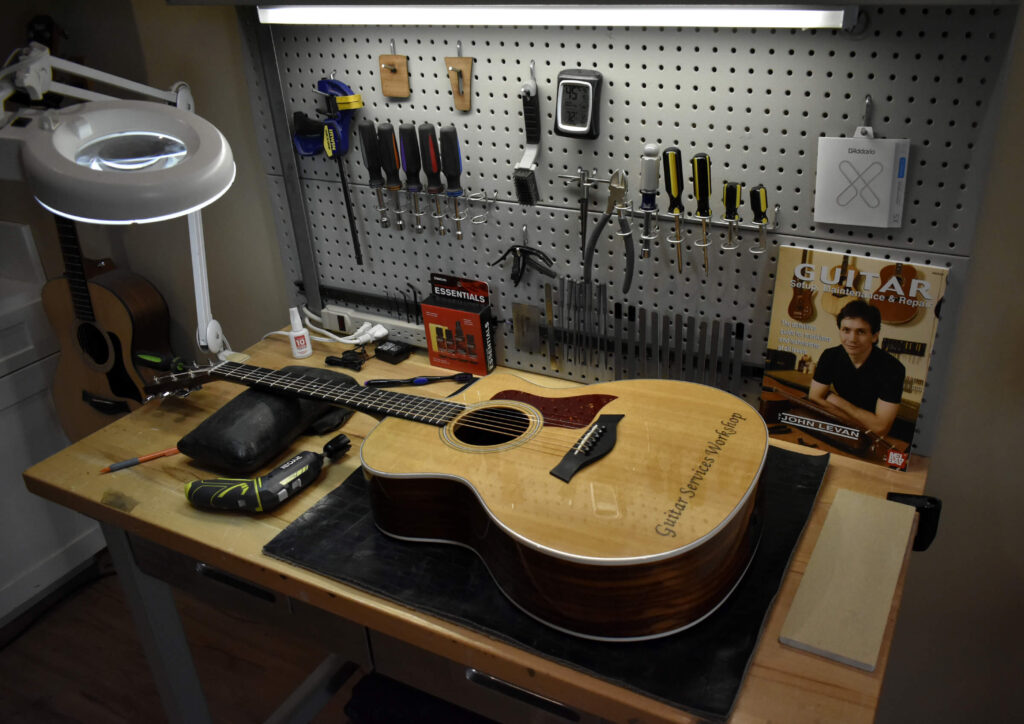
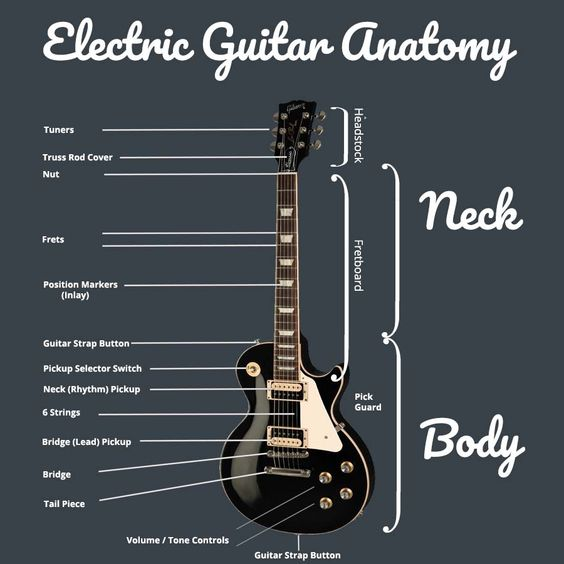
A guitar setup is a series of adjustments that improve playability, tone, tuning stability, and comfort. A technician checks the neck, strings, bridge, nut, frets, pickups, and hardware. The goal is to make the guitar work as one balanced system.
Every guitar is affected by changes in temperature, humidity, string tension, and playing style. Even a well-made instrument can drift out of adjustment over time. That is why what is a guitar setup is not just a repair question. It is also a regular part of guitar care.
A setup does not usually change the basic character of your guitar. Instead, it helps the instrument show its best qualities. Think of it like aligning the wheels on a car. The car may still be the same, but it drives much better after the adjustment.
A professional setup may include:
• Adjusting neck relief with the truss rod
• Setting string height, also called action
• Checking and correcting intonation
• Filing or adjusting the nut
• Leveling or polishing frets when needed
• Adjusting electric guitar pickups
• Tightening loose screws, tuners, and hardware
• Cleaning and conditioning suitable parts
• Installing fresh strings

Why Does a Guitar Need a Setup?
Guitars are made from wood, metal, plastic, and other materials that respond to their surroundings. Wood expands in damp air and contracts in dry air. These small changes can affect the neck and the distance between the strings and frets.
String changes can also alter the setup. Moving from light strings to heavy strings adds more tension to the neck. Switching from standard tuning to lower tunings can change how the strings vibrate and feel.
Common signs that your guitar needs a setup include:
• Strings feel too high or hard to press
• Open chords sound fine, but notes higher on the neck sound sharp
• The guitar has fret buzz
• Notes die quickly during bends
• The neck looks bowed or unusually straight
• The guitar will not stay in tune
• Some strings sound louder than others
• The bridge or saddle seems too high
• The intonation is inaccurate
• The instrument feels uncomfortable after a string change
One mistake I often see is blaming the strings for every problem. New strings can help, but they cannot fix a badly adjusted neck or poor intonation. If a guitar still feels wrong after fresh strings, a full setup may be the better answer.

What Does a Guitar Setup Include?
The exact work depends on the guitar and its condition. An acoustic guitar, electric guitar, bass, and tremolo-equipped instrument each need slightly different adjustments. A good technician inspects the whole instrument before changing anything.
Neck Relief Adjustment
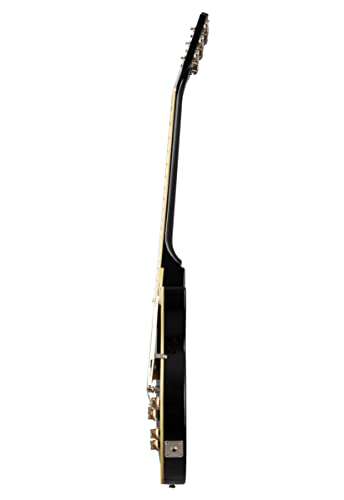
Neck relief is the small amount of forward curve in the neck. The strings naturally pull the neck forward, while the truss rod helps control that force.
A neck with too much relief may have high action in the middle frets. A neck that is too straight or back-bowed may produce buzzing, especially near the lower frets.
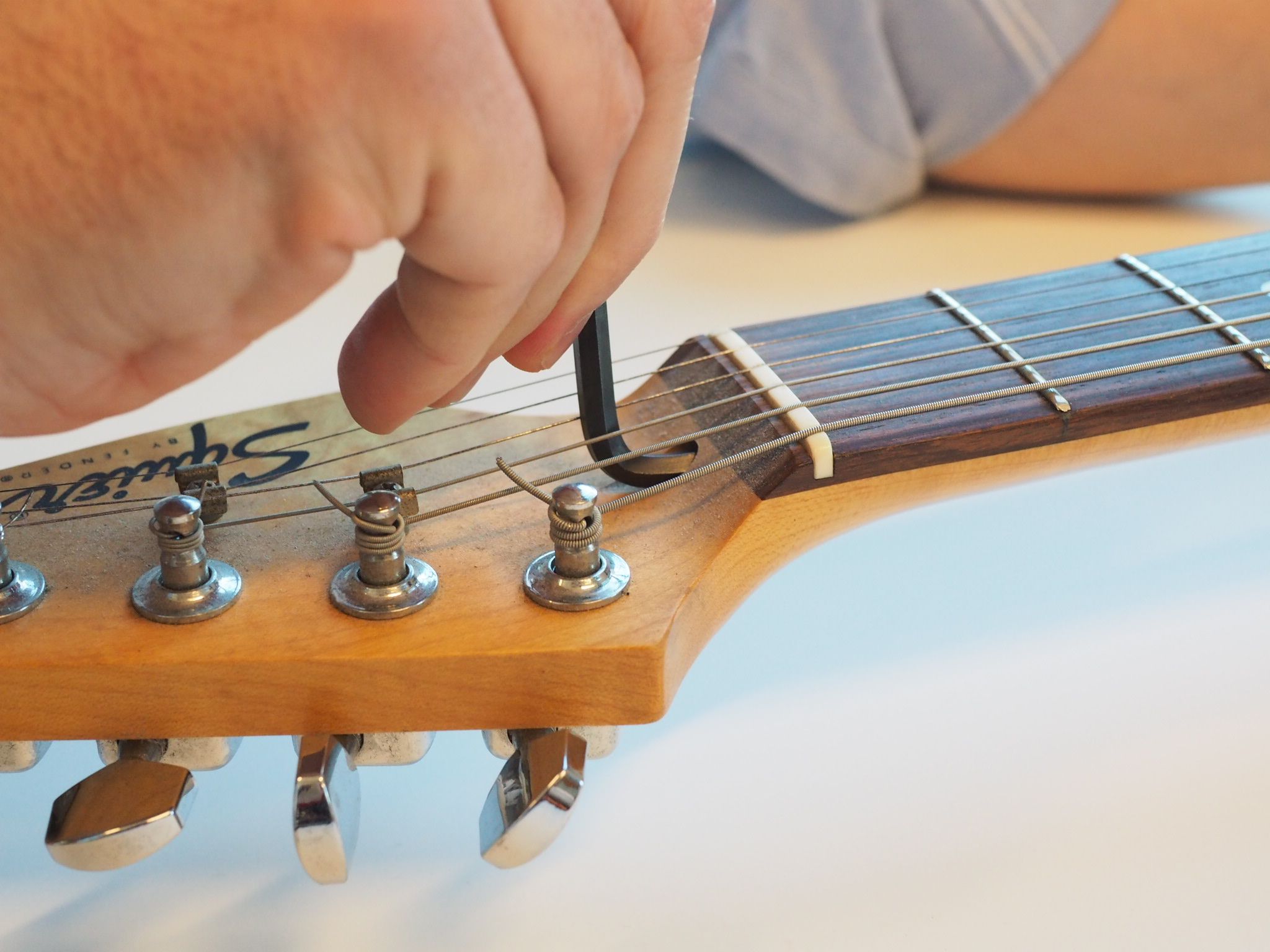
A technician checks relief by comparing the neck with the strings and frets. The adjustment is made in small steps with the correct truss rod tool. Large or forced turns can damage the rod or neck, so this is one part beginners should handle with care.
Action Adjustment
Action is the height of the strings above the frets. Low action can make a guitar feel fast and easy to play, but it may create buzz. High action can reduce buzz but make chords and bends feel tiring.
There is no single perfect action height. A player who uses a soft touch may prefer lower strings. A player who strums hard may need more height to prevent buzzing.
Action can be adjusted at different points, including:
• The bridge
• The saddle
• The nut
• The neck relief
A setup should match your playing style, not just a generic measurement. This is why telling the technician how you play is important.
Intonation Adjustment
Intonation controls whether notes stay accurate as you move up the neck. If the open string is tuned correctly but fretted notes sound sharp or flat, the intonation may need adjustment.
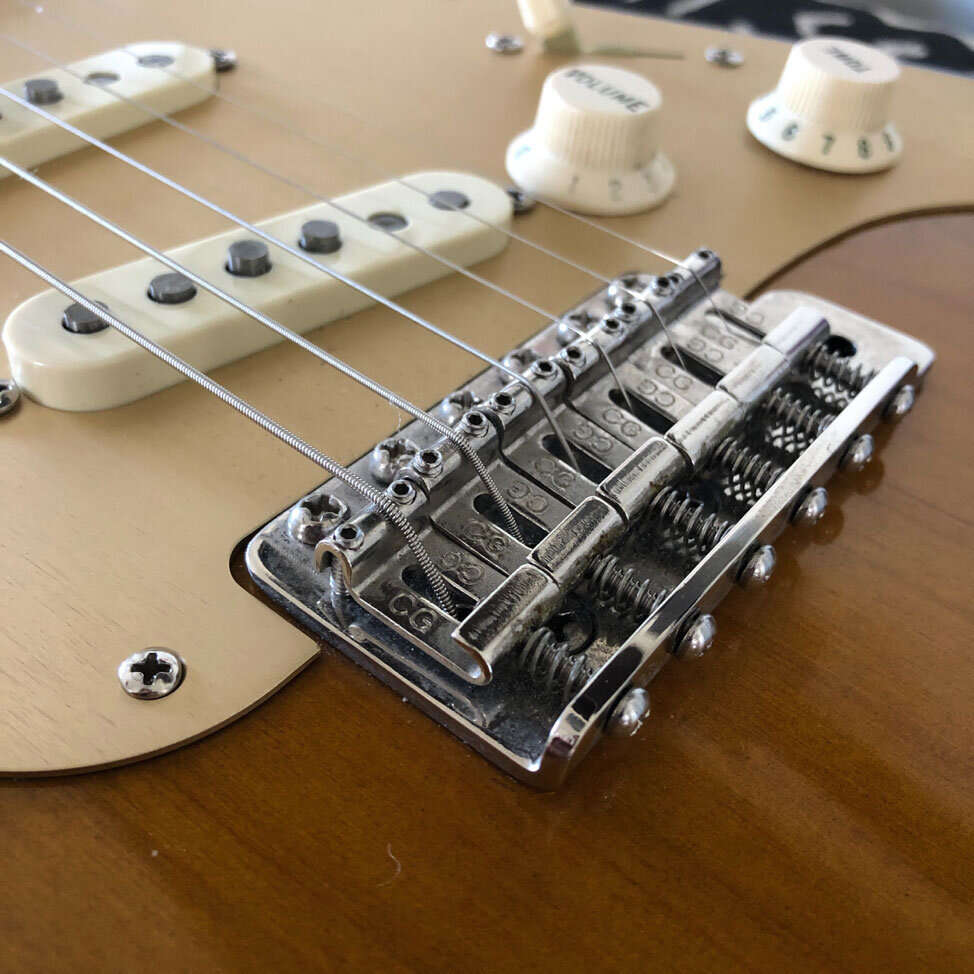
On most electric guitars, the bridge saddles move forward or backward to correct this issue. Acoustic guitars have fewer simple adjustment options, so saddle position, neck angle, fret placement, and string choice matter more.
To check intonation, a technician compares the open string with the note at the 12th fret. The two notes should be close in pitch. A digital tuner helps, but careful listening still matters.
Nut Inspection
The nut is the small piece near the headstock that guides the strings. Its slots control string spacing and the height of the strings over the first fret.
Nut slots that are too high make open chords feel stiff. Slots that are too low can cause open-string buzz. Slots that are rough or too narrow may also cause tuning problems because the strings do not move smoothly.
Nut work requires precision. Removing too much material can create a costly problem, so it is best left to an experienced repair person.
Fret and Hardware Check
A setup often includes a fret inspection. Worn, uneven, or lifted frets can cause buzzing and poor notes even when the neck and bridge are adjusted correctly.
The technician may polish the frets or recommend fret leveling. Severe wear may require a partial refret or a full refret. A setup cannot solve every fret problem, and knowing this limitation prevents wasted money.
The technician may also check:
• Tuning machines
• Strap buttons
• Output jacks
• Bridge screws
• Pickup mounting screws
• Control knobs
• Tremolo springs
• Loose internal parts
How Does a Guitar Setup Differ by Instrument?
The basic idea is the same for most guitars, but each type has special needs. What is a guitar setup for an acoustic guitar may not be the same as what is a guitar setup for an electric guitar with a floating tremolo.
Acoustic Guitar Setup
An acoustic setup usually focuses on neck relief, action, nut height, saddle height, and fret condition. The saddle is often the main place to adjust string height.
A high action on an acoustic guitar may come from a tall saddle, too much neck relief, or a change in the neck angle. If the bridge is lifting or the top is bulging, the issue may be structural rather than a simple setup.
Electric Guitar Setup
An electric guitar setup often includes bridge height, intonation, pickup height, neck relief, and tremolo balance. Pickup height is important because pickups that sit too close to the strings can affect vibration and create uneven volume.
The correct pickup height depends on the pickup type and the player’s sound. Adjusting it too close can make the sound harsh or reduce sustain. Adjusting it too far away can make the output weak.
Bass Guitar Setup
Bass strings create strong tension and wide vibration. A bass setup may need more room for string movement than a guitar setup. Neck relief, action, nut height, and intonation all require careful attention.
Guitars With Tremolo Bridges
Floating tremolo systems can be more complex. Changing string gauge or tuning can affect the bridge angle and spring tension. A full setup may include balancing the bridge, adjusting spring tension, and setting the correct tremolo range.
How Much Does a Guitar Setup Cost?
The cost of a guitar setup varies by location, instrument type, repair shop, and the work required. A basic setup often costs less than fret leveling, nut replacement, bridge repair, or electronic work.
Before approving the work, ask what the price includes. Some shops include new strings, while others charge for strings separately. Some include pickup adjustment and cleaning, while others offer those services as add-ons.
A basic setup may include:
• Neck relief adjustment
• Action adjustment
• Intonation adjustment
• Basic fret inspection
• Tuning and play testing
• New string installation
Extra charges may apply for:
• Fret leveling
• Nut repair or replacement
• Broken truss rods
• Bridge repair
• Neck resets
• Pickup rewiring
• Tremolo balancing
• Extensive cleaning
A low-cost setup is not always the best value. Poor fretwork or rushed adjustments can create new problems. Look for a repair shop with clear pricing, good reviews, and experience with your type of instrument.

How Often Should You Get a Guitar Setup?
There is no fixed schedule for every player. Many guitars benefit from a professional check once or twice a year. Players who perform often, travel frequently, or change tunings may need service more often.
You may need a setup when:
• You change string gauge
• You change from standard tuning to a lower tuning
• You move between very different climates
• You buy a used guitar
• You notice buzzing or high action
• The guitar has been stored for months
• You prepare for an important recording or performance
A guitar does not need a setup every time you change strings. However, it is wise to check the instrument after installing a different string gauge.
In my experience, the best time for a setup is before a problem becomes severe. Small adjustments are usually easier and less expensive than correcting years of neglect.
Can You Set Up a Guitar Yourself?
You can handle some basic setup tasks at home. String changes, tuning, cleaning, and small action adjustments are reasonable starting points. You should use the correct tools and make only small changes.
Safe beginner tasks include:
• Changing strings correctly
• Measuring string height
• Checking tuning stability
• Cleaning the body and fingerboard
• Testing intonation with a tuner
• Adjusting pickup height on many electric guitars
Truss rod adjustments, nut filing, fret leveling, and bridge work require more skill. A small mistake can damage the guitar or make it harder to play.
If you decide to learn, make one change at a time. Write down the original position of screws and saddles. Use a ruler made for guitar measurements, not a large household ruler. Most importantly, stop if the adjustment feels tight or unclear.
One lesson I learned early is that forcing an adjustment never solves the real problem. A guitar should respond to gentle, controlled changes. If it does not, the issue may involve fret wear, a warped neck, or a structural fault.

How to Prepare for a Professional Guitar Setup
You can help the technician by sharing useful information before the work begins. Tell them how you play, what tuning you use, and what feels wrong.
Bring the guitar with:
• The strings and tuning you normally use
• Your usual pick or playing style
• Any accessories that affect the instrument
• A clear description of buzzing or tuning issues
Be specific. Instead of saying, “The guitar feels bad,” explain that the sixth string buzzes from the fifth to the seventh fret or that the high E string goes sharp during bends.
Ask the technician to explain:
• Which adjustments are needed
• Which problems are normal for the instrument
• What work is included in the price
• Whether any structural repair is required
• How long the setup should remain stable
A good technician should welcome questions. You should leave knowing what was changed and how to care for the instrument afterward.

Benefits and Limits of a Guitar Setup
A proper setup can make a major difference. It may improve comfort, tuning, tone, sustain, and confidence. Many players discover that they practice more when their guitar feels easy to play.
The main benefits include:
• Easier fretting
• Cleaner chords
• Better tuning accuracy
• More consistent volume
• Improved intonation
• Less fret buzz
• Better response during bends
• Greater playing comfort
Still, a setup has limits. It cannot turn a damaged guitar into a perfect instrument. It also cannot replace good technique, quality strings, or proper storage.
Some problems need separate repair. A cracked neck, loose bridge, twisted neck, lifted fretboard, or badly worn fret may require specialist work. An honest technician will explain when a setup is not enough.
Guitar Setup Mistakes to Avoid
Many setup problems come from simple mistakes. Avoiding them can protect your instrument and save money.
• Do not turn the truss rod aggressively
• Do not file the nut without measuring first
• Do not lower the bridge before checking neck relief
• Do not copy another guitar’s measurements blindly
• Do not ignore climate changes
• Do not judge action before tuning the guitar correctly
• Do not use the wrong screwdriver or wrench
• Do not assume fret buzz always means the neck is bad
A guitar setup should follow a logical order. A technician normally checks the neck, nut, bridge, frets, and intonation as a connected system. Changing one part can affect another.
For example, lowering the saddle may reduce action but create fret buzz. Adjusting the truss rod may change action across the neck. Good setup work depends on balance, not one quick fix.
Frequently Asked Questions About What Is a Guitar Setup
What is a guitar setup?
A guitar setup is a group of adjustments that improve an instrument’s playability, tuning, tone, and comfort. It may include neck relief, action, intonation, nut, fret, bridge, and pickup adjustments.
How long does a guitar setup take?
A basic setup may take about one to three hours, depending on the instrument and the technician’s workload. More complex jobs can take longer if the guitar needs fretwork, nut repair, or tremolo adjustment.
Does every new guitar need a setup?
Many new guitars benefit from a setup because factory settings are often general rather than personalized. A setup can match the guitar to your preferred strings, tuning, action, and playing style.
Can a setup fix fret buzz?
A setup can fix fret buzz caused by incorrect neck relief, low action, or uneven adjustment. Buzz caused by worn or uneven frets may require fret leveling or other repair work.
How often should an acoustic guitar get a setup?
An acoustic guitar may need a professional setup once or twice a year, but the timing depends on climate, use, strings, and symptoms. Get it checked sooner if the action changes or the guitar becomes hard to play.
Does changing string gauge require a setup?
Changing string gauge can alter neck tension, action, and intonation. A setup is not always required, but checking the guitar afterward is a smart way to confirm that it still plays correctly.
Is a guitar setup worth the money?
A setup is often worth the cost because it can make a guitar easier and more enjoyable to play. It can also identify small problems before they become expensive repairs.
Conclusion
What is a guitar setup? It is careful adjustment work that helps your guitar play comfortably, sound clear, and stay in tune. Neck relief, action, intonation, nut height, frets, bridge settings, and hardware all play a part.
Start by checking your strings, tuning, action, and fret buzz. Handle simple tasks at home, but choose a skilled technician for truss rod work, nut filing, fret leveling, and structural repairs. A well-set-up guitar can make practice more enjoyable and help you play with greater confidence.
If your guitar feels difficult to play, schedule a professional inspection or use this guide to identify the likely issue. Share your setup experience in the comments, and keep exploring reliable guitar care resources to get the most from your instrument.

Senior Music Reviewer
Alex Carter is a seasoned music reviewer with over a decade of experience in the world of sound and instruments. Passionate about helping musicians and enthusiasts make informed choices, he brings sharp insights and in-depth knowledge to every review. From classical instruments to modern gear, Alex combines technical expertise with a love for music to deliver content that resonates with readers.
As a Senior Music Reviewer and expert author on Tuneluma.com, Alex is dedicated to sharing honest evaluations, practical advice, and thoughtful commentary to guide readers in their musical journey.