What Do Drum Majors Do

What Do Drum Majors Do: Roles, Skills, And Duties

Drum majors lead marching bands by directing time, movement, discipline, communication, and performance quality.

If you have watched a marching band perform, you may have noticed the person standing in front with a baton, mace, or tall posture. That person is the drum major. Understanding what drum majors do reveals that their role involves far more than counting off songs. They are musical leaders, visual conductors, field coordinators, and trusted mentors who help an entire ensemble perform as one.

What Do Drum Majors Do?

Drum majors lead and coordinate marching bands during rehearsals, parades, football games, and competitions. Their main job is to help musicians stay together in time, follow instructions, move safely, and present a strong visual performance.

A drum major may conduct from a podium, lead the band onto a field, give commands, or communicate with staff and section leaders. The exact duties vary by school, college, military band, or community organization.

Common drum major responsibilities include:

• Starting and stopping performances

• Setting the tempo and keeping the beat

• Giving marching commands

• Conducting music during field shows

• Leading warmups and rehearsals

• Communicating with band directors and staff

• Maintaining discipline and focus

• Representing the band in public

• Helping younger members learn procedures

• Coordinating movement during parades and ceremonies

A strong drum major acts like the band’s central clock. Every section may play a different part, but the drum major helps everyone follow the same pulse.
What Do Drum Majors Do?
Source: genesisdbc.org

The Main Responsibilities of a Drum Major

The best way to understand what drum majors do is to look at their work before, during, and after a performance. Their duties cover music, movement, leadership, safety, and public presentation.

Conducting the Band

Drum majors often conduct with their hands, arms, or a baton. Their gestures show tempo, meter, entrances, cutoffs, dynamics, and changes in musical character.

For example, a clear downward motion may mark the first beat of a measure. A raised hand may prepare the band to begin. A sharp closing gesture can signal the final cutoff.

Conducting is not simply waving at the band. Each gesture must be easy to see and consistent. A small error in timing can cause the woodwinds, brass, and percussion sections to lose alignment.

Giving Commands

Drum majors use spoken commands to control movement. These commands may include directions to attention, parade rest, mark time, forward march, halt, or present instruments.

Commands must be loud, clear, and early enough for the band to respond. A drum major who speaks too softly may confuse the group. One who gives commands too late can create spacing and timing problems.

Leading Marching Formations

During a parade or field show, drum majors help the band maintain its formation. They watch spacing, direction, alignment, and movement speed.

This task requires strong awareness. A drum major may need to focus on the band behind them while also tracking the route ahead. They must notice turns, obstacles, uneven ground, and changes in performance space.

Representing the Band

Drum majors are often the most visible members of a marching band. They may lead the band at community events, greet guests, speak during ceremonies, or stand with the band during formal presentations.

Because of this visibility, drum majors are expected to show confidence, respect, and good judgment. Their behavior can shape how an audience views the entire organization.

Supporting Band Staff

The band director remains the main musical authority in most school and college programs. Drum majors do not replace the director. Instead, they help carry out the director’s plan.

They may relay instructions, help organize rehearsal blocks, demonstrate commands, or report concerns from students. This makes communication one of the most important parts of the position.
The Main Responsibilities of a Drum Major
Source: halftimemag.com

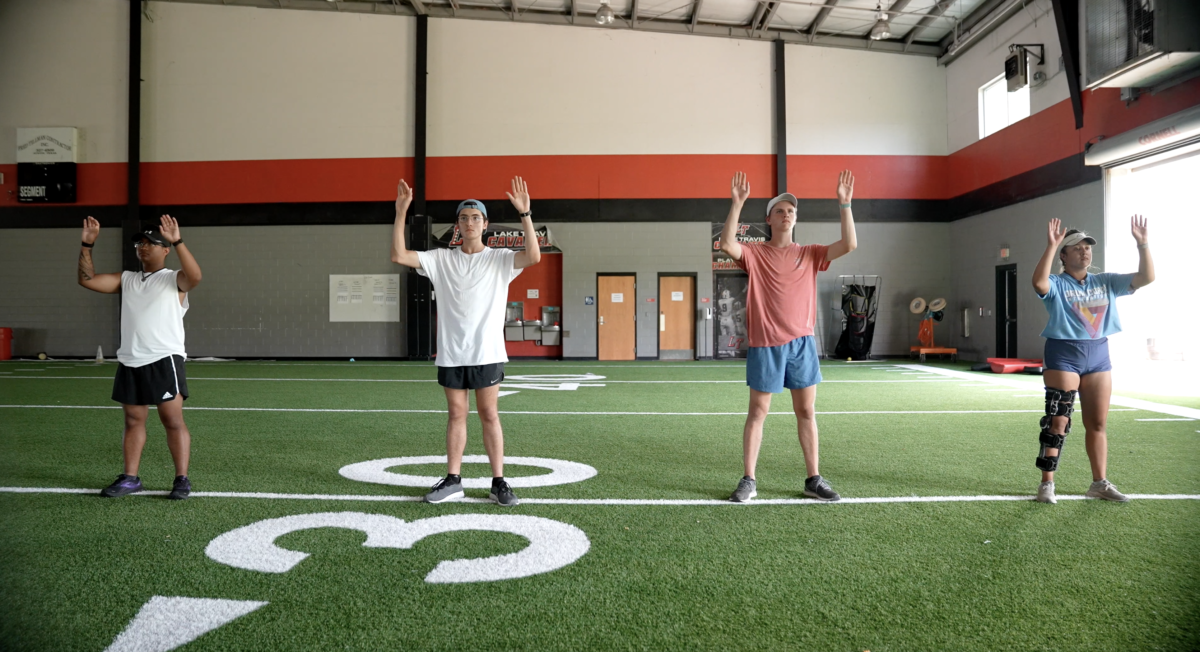
What Does a Drum Major Do During Rehearsal?

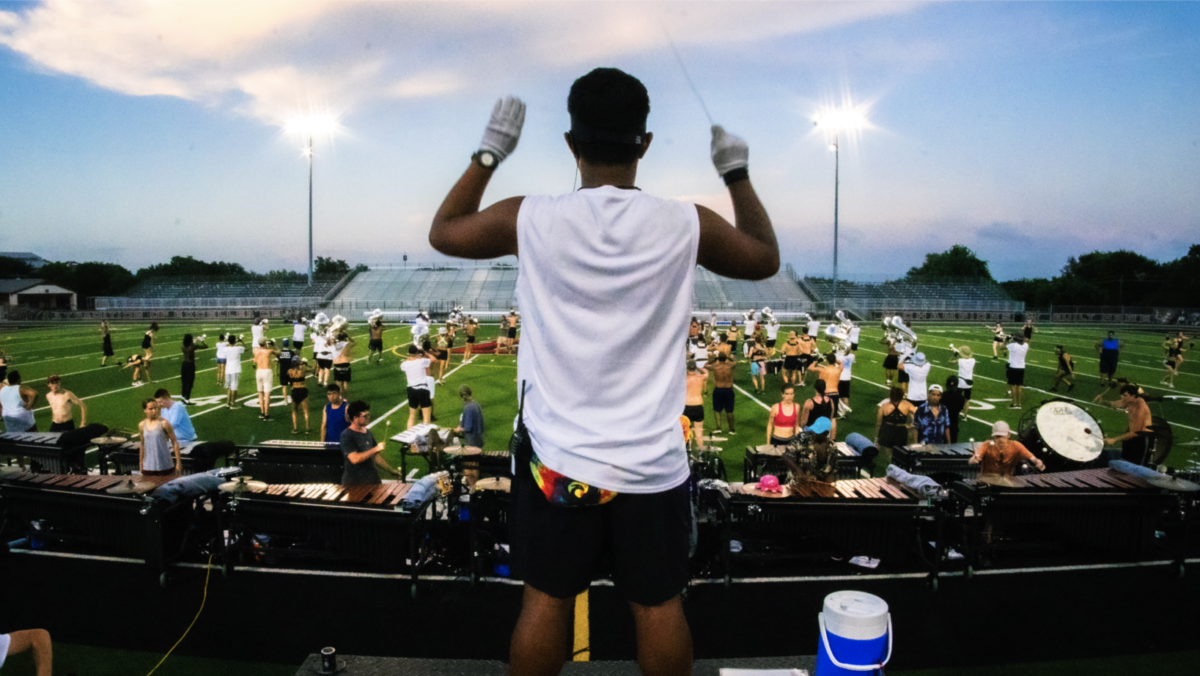
Rehearsal is where many drum major duties begin. Before the band plays a full show, the drum major helps create order and focus.

A typical rehearsal may involve:

  1. Calling the band to attention

  2. Leading stretching or physical warmups

  3. Organizing the ensemble by section

  4. Checking attendance or readiness

  5. Giving movement commands

  6. Conducting music while the band practices

  7. Helping the director reset sections

  8. Monitoring time during rehearsal blocks

  9. Announcing schedule changes

  10. Leading the band off the field

Drum majors often serve as a bridge between students and staff. If musicians are unsure where to report or what to do next, the drum major may provide the answer.

A practical lesson from many rehearsal settings is that preparation prevents most leadership problems. When commands, rehearsal times, and field procedures are clear, students feel calmer and respond faster.

However, drum majors should avoid acting like another band director. The role is to lead with the staff, not compete with them. Respectful teamwork builds more trust than a loud voice or strict attitude.
What Does a Drum Major Do During Rehearsal?
Source: genesisdbc.org

What Does a Drum Major Do During a Performance?

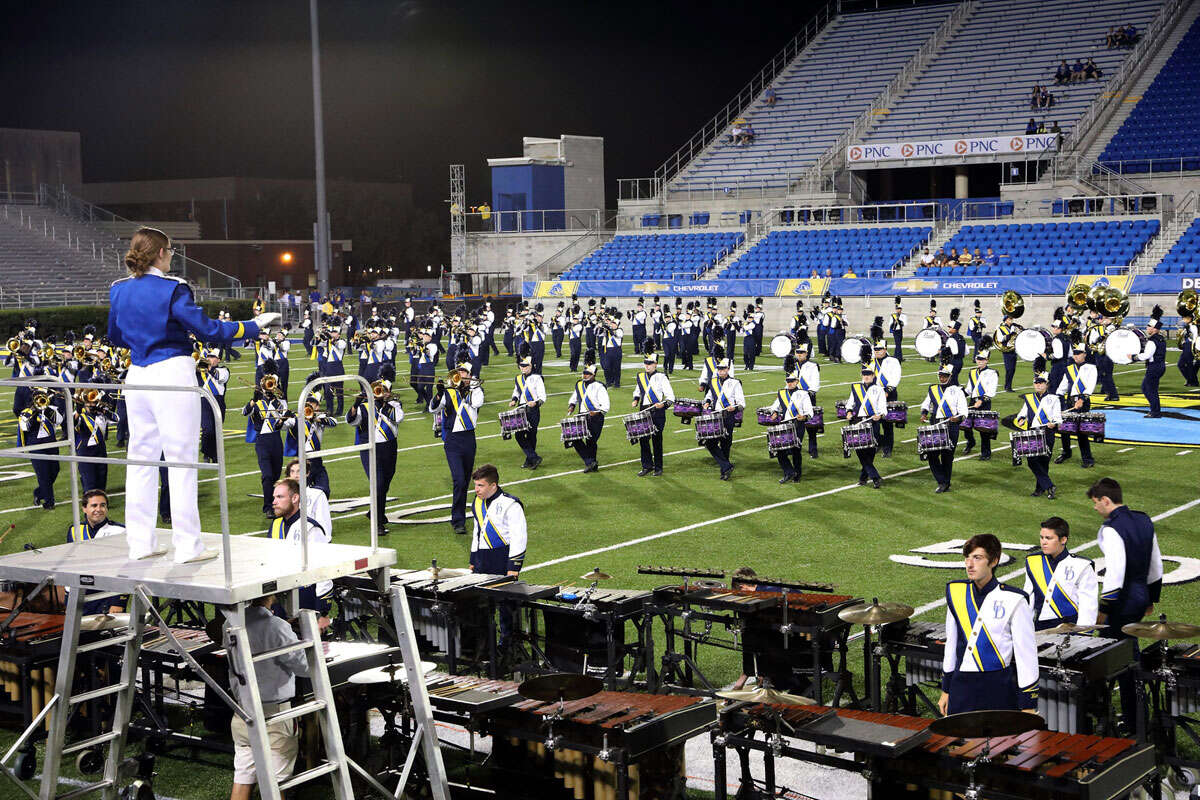
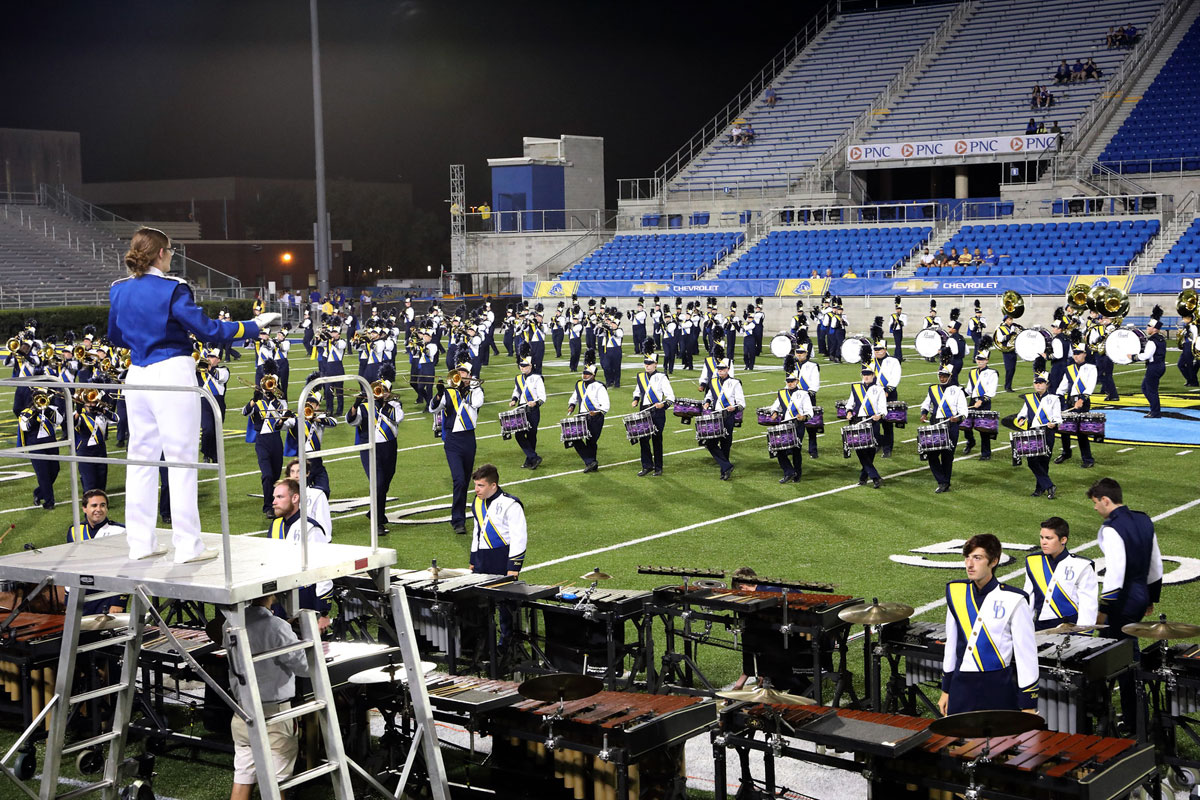
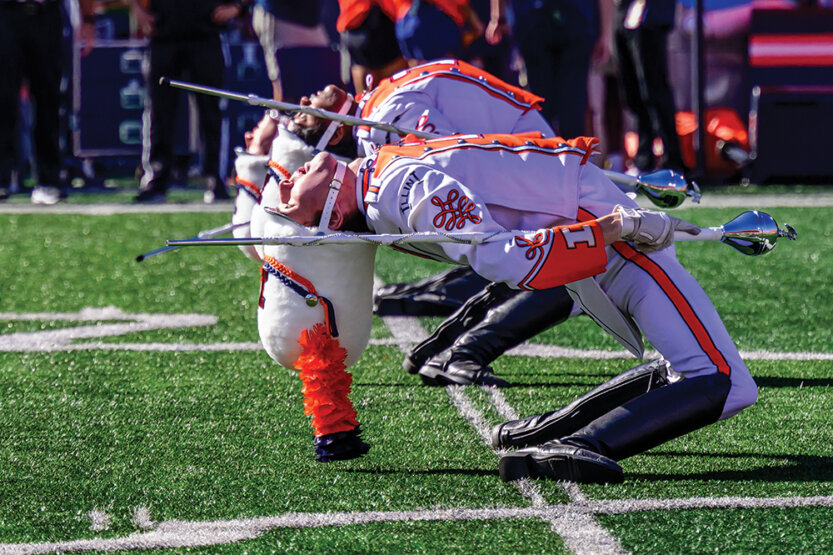
During a performance, drum majors may have several roles at once. They lead the band physically, support musical timing, and help create the show’s visual identity.

Their performance duties can include:

• Giving the starting salute

• Setting the opening tempo

• Conducting the ensemble

• Performing mace or baton movements

• Leading entrances and exits

• Watching for changes in the show

• Keeping the band focused during mistakes

• Presenting a confident public image

In a field show, the drum major may conduct from the front sideline or a raised podium. In a parade, the drum major usually leads from the front and controls the pace of the group.

Some drum majors use a mace, which is a larger ceremonial staff. Others use a baton or conduct with their hands. The tool is less important than the clarity of the leader’s signals.

A good drum major also knows how to recover from problems. If a musician misses a note or the formation shifts, the drum major should remain calm. A visible panic response can spread through the band like a dropped pebble creating waves.
What Does a Drum Major Do During a Performance?
Source: uiaa.org

Musical Skills Drum Majors Need

Drum majors do not need to play every instrument at a professional level. Still, strong musical knowledge helps them lead with accuracy.

Important music skills include:

Understanding Tempo

A drum major must know how fast a piece should go and how to maintain that speed. They should understand terms such as beats per minute, accelerando, ritardando, and tempo changes.

Reading Music

Music reading helps drum majors understand entrances, rests, repeats, transitions, and cutoffs. This knowledge allows them to conduct with purpose instead of guessing.

Hearing Balance and Timing

Drum majors should listen for whether sections are together. They may notice that the percussion is rushing, the low brass is behind, or a woodwind entrance is unclear.

Knowing Basic Conducting Patterns

Conducting patterns help show the beat structure of music. A two-beat pattern, three-beat pattern, and four-beat pattern each use different motions.

Understanding the Show

A drum major should know the full marching show, including music changes, visual moments, drill transitions, and special effects. This knowledge helps them anticipate what the band needs next.

Musical skill also builds credibility. Members are more likely to trust a drum major who understands the challenges of playing while marching.

Musical Skills Drum Majors Need
Source: spectrumnews1.com

Leadership and Communication Skills

The answer to what drum majors do is incomplete without discussing leadership. A drum major’s influence comes less from rank and more from trust.

Effective drum majors communicate in a way that is:

• Clear

• Calm

• Consistent

• Respectful

• Timely

• Easy to hear

They also understand that different students need different types of support. A new marcher may need detailed guidance. An experienced section leader may only need a short reminder.

Good leaders correct behavior without humiliating people. They praise progress, listen to concerns, and address problems before they grow. This approach creates discipline while protecting the group’s morale.

One common mistake is believing that authority means being harsh. In practice, students usually respond better to a leader who is firm, fair, and predictable. A calm command often works better than repeated yelling.

Leadership and Communication Skills
Source: uiaa.org

Physical and Visual Duties

Marching band is both a musical and visual activity. Drum majors help the band look organized and purposeful.

They may teach or perform:

• Salutes

• Baton movements

• Mace spins

• Turns

• Struts

• High steps

• Visual poses

• Ceremonial gestures

These actions require practice and body control. A drum major must maintain good posture, balance, facial focus, and awareness of the audience.

Physical safety matters, too. Maces and batons can cause injury if used carelessly. Drum majors should learn proper technique, use enough practice space, and avoid performing difficult tricks near other members.

Weather can also affect the role. Heat, rain, cold, and poor field conditions may create health risks. Responsible drum majors encourage water breaks, follow staff instructions, and report signs of dizziness or injury.

Physical and Visual Duties
Source: osu.edu

How Drum Majors Differ by Band Type

What drum majors do can change based on the organization they serve.

High School Drum Majors

High school drum majors often lead rehearsals, football game performances, parades, and competitions. They may also mentor younger students and help teach basic marching procedures.

Because high school bands include students with different experience levels, patience is especially important.

College Drum Majors

College drum majors may work with larger ensembles and more complex field shows. They often lead experienced musicians and coordinate closely with directors, staff members, and student officers.

Some college programs also give drum majors responsibility for traditions, public events, and band camp leadership.

Military Drum Majors

Military drum majors usually follow formal traditions and precise ceremonial procedures. Their uniforms, commands, posture, mace work, and movements may follow strict guidelines.

The role can include leading marching units at ceremonies, parades, official events, and public appearances.

Community and Parade Bands

Community bands may perform at festivals, civic events, holiday parades, and local ceremonies. Their drum major often focuses on route control, pacing, audience engagement, and clear commands.

The setting changes, but the central purpose remains the same: help the group move and perform together.

How to Become a Drum Major

Most drum majors begin as marching band members. They learn the instruments, music, drill, and culture of the organization before taking on leadership.

A typical path includes:

  1. Build strong marching and music skills.

  2. Learn basic conducting patterns.

  3. Practice clear vocal commands.

  4. Observe current drum majors.

  5. Ask a band director for feedback.

  6. Develop physical control and posture.

  7. Apply or audition for the position.

  8. Attend leadership training or band camp.

  9. Practice commands and conducting under pressure.

  10. Learn the organization’s safety and performance rules.

Many programs choose drum majors through auditions. An audition may test conducting, commands, marching technique, leadership judgment, and interview skills.

You do not need to be the loudest person in the band. You do need to be dependable. Directors often look for students who arrive prepared, treat others well, and stay focused when conditions become difficult.

Common Mistakes Drum Majors Should Avoid

Even talented leaders make mistakes. Knowing the common ones can help new drum majors improve faster.

• Giving commands too late: Allow enough time for the band to respond.

• Changing signals without warning: Use the same gestures every time.

• Ignoring the back of the formation: Check alignment across the entire group.

• Overusing a loud voice: Clear commands are better than constant shouting.

• Correcting people in public: Handle sensitive issues with respect.

• Forgetting the music: Visual skills cannot replace musical preparation.

• Trying to control everything: Delegate reasonable tasks to section leaders.

• Neglecting personal health: Rest, hydration, and safe movement support better leadership.

• Showing frustration during errors: Stay steady so the band can recover.

A useful habit is to record rehearsals when permitted by staff. Watching the video can reveal unclear gestures, poor posture, or timing issues that are hard to notice in the moment.

Why Drum Majors Matter

Drum majors help transform a group of individual musicians into one coordinated ensemble. Their leadership affects sound, movement, discipline, confidence, and audience experience.

They also provide a human connection between the director and the band. When students understand what to do, rehearsal time becomes more productive. When they feel supported, they are more willing to take correction and improve.

The role teaches valuable skills that apply outside music:

• Public speaking

• Time management

• Team leadership

• Conflict resolution

• Quick decision-making

• Performance under pressure

• Nonverbal communication

• Responsibility and accountability

Being a drum major is not always easy. The position can feel lonely because the leader must sometimes make decisions while the rest of the group waits for direction. Still, the experience can build confidence and lasting discipline.

Frequently Asked Questions About What Do Drum Majors Do

What is the main job of a drum major?

The main job of a drum major is to lead the band’s timing, movement, commands, and public performance. They help musicians perform together while supporting the band director’s plan.

Do drum majors play an instrument?

Many drum majors have played an instrument before taking the role, but they may not play during performances. Their focus is usually conducting, giving commands, leading formations, and managing visual responsibilities.

Do drum majors conduct the entire band?

Often, yes. A drum major may conduct the full ensemble during rehearsals, field shows, parades, or ceremonies. In some programs, the band director or pit conductor may handle certain musical sections instead.

Do drum majors have to be the best musicians?

They do not always need to be the best players, but they need solid musical knowledge. Timing, music reading, confidence, and the ability to understand the band’s needs are more important than being the top instrumental soloist.

How are drum majors selected?

Programs may select drum majors through auditions, interviews, staff recommendations, or a combination of these methods. Candidates are often judged on leadership, conducting, commands, marching ability, maturity, and reliability.

What is a drum major’s salute?

A drum major’s salute is a formal visual gesture used to begin or acknowledge a performance. The exact movement differs by band, school, military tradition, or competition style.

Is being a drum major difficult?

The role can be demanding because it combines musical knowledge, physical performance, public leadership, and constant attention. Good training and support from directors and staff make the position more manageable.

Conclusion

Drum majors do much more than stand in front of a marching band. They conduct music, give commands, guide formations, support directors, protect safety, and motivate performers through challenging rehearsals and public events.

The strongest drum majors lead by example. They prepare carefully, communicate clearly, stay calm during mistakes, and treat every band member with respect. If you are interested in the role, start by improving your music skills, practicing commands, studying conducting, and asking experienced leaders for honest feedback.

Whether you hope to become a drum major or simply want to understand the position, watch the leader closely at the next performance. You will see that every gesture, step, and signal helps turn many musicians into one unified band. Explore more marching band resources, speak with your director, and share your own drum major experience in the comments.

Similar Posts

Leave a Reply

Your email address will not be published. Required fields are marked *